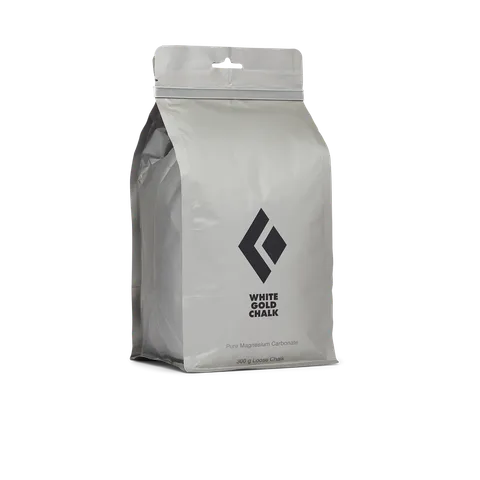
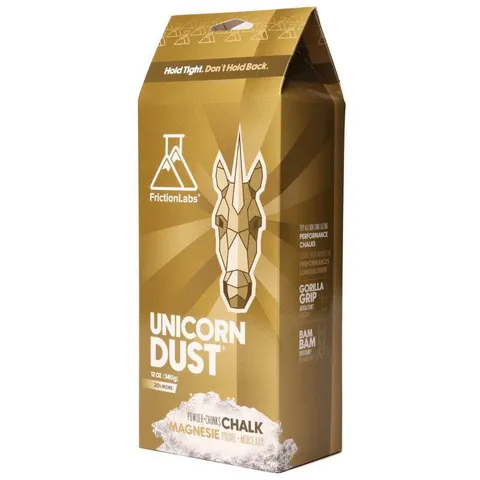
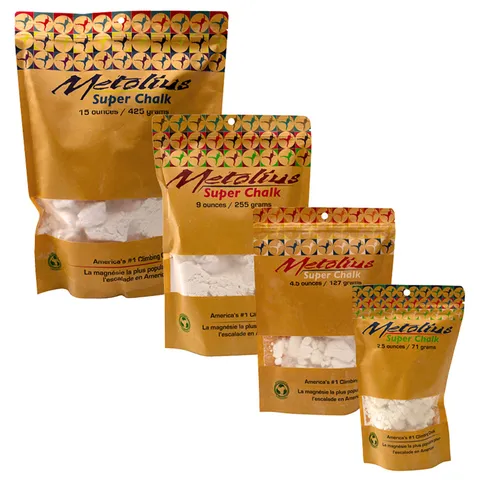
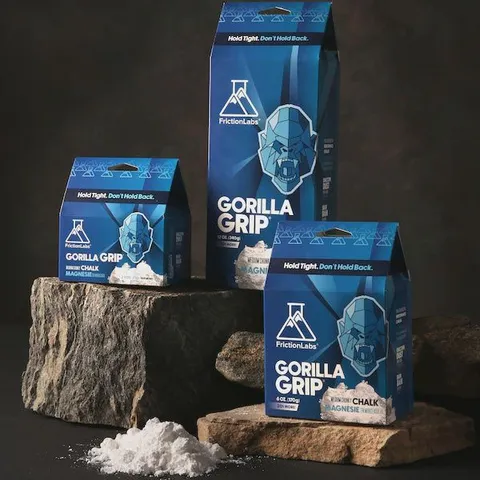
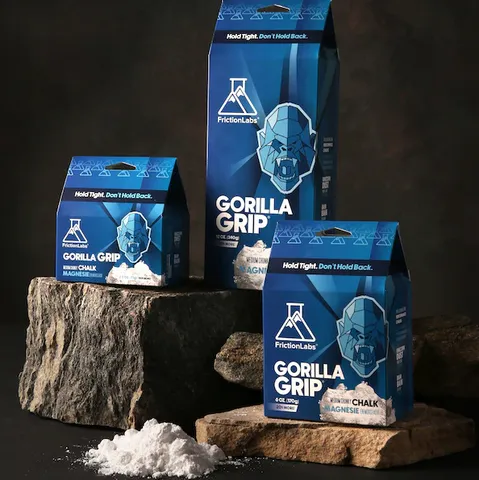
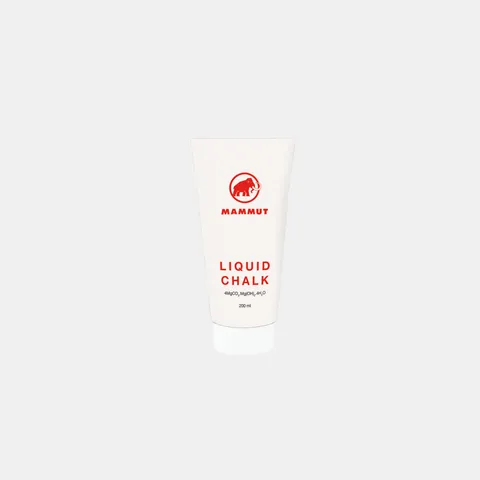
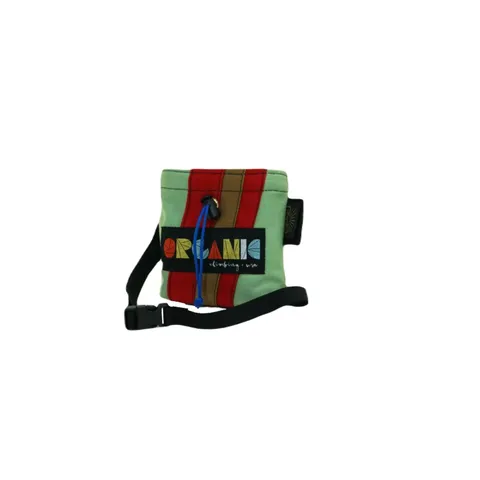
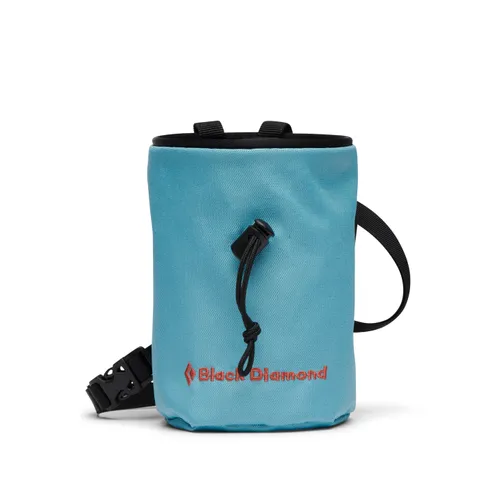
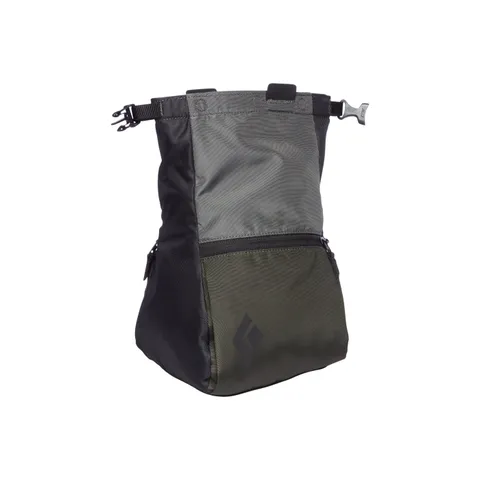
Chalk is the cheapest piece of climbing gear that actually changes how you climb, and a chalk bag is the one thing on your harness you touch on every single move, yet the wall of nearly identical white pouches and resealable bags at the gym shop tells you almost nothing about what's worth buying. The truth is that the category splits cleanly: there's the chalk itself (loose powder, chunky, liquid, and refillable balls) and the vessel you carry it in (clip-on waist bags for roped climbing and wide-mouth buckets for bouldering). Most climbers need one of each, and the right pick depends far more on whether you sweat heavily, climb plastic or stone, and boulder or rope up than on the marketing on the label.
We pulled together the models that actually move off shelves in 2026 across the full price spectrum, from a $6 block of Metolius you crush yourself to boutique magnesium carbonate from Friction Labs that costs four times as much per ounce. The expensive stuff is genuinely drier and longer-lasting for sweaty hands, but blind testing consistently shows that for a lot of climbers the cheap standby works nearly as well, so we've been honest about where the upcharge earns its keep and where it doesn't.
This guide mixes chalk and bags because they're bought together and budgeted together. Whether you're a gym regular topping off between problems, a sport climber chasing a redpoint in the heat, or a trad climber who needs a bag that won't dump its contents on a hanging belay, there's a sensible low-end option and a justified high-end one here, and we've explained the difference so you can decide which side of the market you actually belong on.