Best Of
The best climbing gear, ranked
Honest, tier-by-tier rankings (from budget to premium) so you can spend wisely whatever your budget. Updated for 2026.

Climbing Ropes
A climbing rope is the one piece of gear that literally holds your life, and yet the market is bewildering: a wall of near-identical-looking cords ranging from $110 to $360, separated by fractions of a millimeter in diameter and a haze of marketing terms like "Xeros," "DuoTec," and "Core Protect." Amazon's star ratings flatten all of that into noise. What actually matters is matching diameter, dry treatment, and durability to how and where you climb (a 9.9mm gym workhorse and a 9.2mm dry-treated sport cord are not interchangeable, even though they sit side by side in the same search results).

Harnesses
A climbing harness is the one piece of gear that sits between you and the ground every time you tie in, so it's worth more thought than the impulse-buy treatment Amazon's star ratings encourage. The good news for 2026 is that the category is mature: even sub-$80 harnesses from the major brands are fully certified, comfortable enough for a full gym session, and built to outlast a beginner's first few seasons. The differences between a budget harness and a $200 one aren't about safety: they're about weight, padding technology, gear-carrying capacity, and how a harness feels after the tenth hangdog burn or the third hour at a hanging belay.

Climbing Shoes
Climbing shoes are the one piece of gear where the right choice genuinely changes how you climb, and 2026 is a good year to be shopping: the market now spans everything from sub-$100 flat-lasted trainers to $240 competition-bred specialists, and the gap between them is real. A beginner-friendly shoe like the La Sportiva Tarantulace prioritizes a relaxed fit and durable rubber so you can log mileage while your footwork develops, while a shoe like the Scarpa Drago trades all-day comfort for the sensitivity to paste onto smears and toe-hook through gym roofs. Neither is better in the abstract: they are built for different jobs, and paying premium money for an aggressive shoe you size in pain will make you a worse climber, not a better one.

Belay Devices
A belay device is the single most safety-critical piece of gear most climbers will ever buy, and the market in 2026 splits cleanly into two families: simple passive tube-style devices that rely entirely on your brake hand, and assisted-braking devices (ABDs) that add a camming or pinching mechanism to help hold a fall. Neither family is universally "better", a gym sport climber working redpoints wants the holding power and easy hangs of an assisted device, while a trad leader heading up a long alpine route often prefers a featherweight tube that can rappel double ropes and belay a second directly off the anchor.

Helmets
A climbing helmet is the cheapest insurance you'll ever buy for your most important piece of gear. Whether you're belaying under a choss-prone sport crag, racking up for a multi-pitch trad route, or just clipping bolts at the local gym's outdoor wall, the helmet's job is twofold: shrug off rockfall and dropped gear from above, and protect your skull if you flip upside-down in a fall. The good news for 2026 is that the entire category has gotten lighter, better-ventilated, and more comfortable: the old excuse that helmets are hot, heavy, and dorky simply doesn't hold up anymore.

Chalk & Chalk Bags
Chalk is the cheapest piece of climbing gear that actually changes how you climb, and a chalk bag is the one thing on your harness you touch on every single move, yet the wall of nearly identical white pouches and resealable bags at the gym shop tells you almost nothing about what's worth buying. The truth is that the category splits cleanly: there's the chalk itself (loose powder, chunky, liquid, and refillable balls) and the vessel you carry it in (clip-on waist bags for roped climbing and wide-mouth buckets for bouldering). Most climbers need one of each, and the right pick depends far more on whether you sweat heavily, climb plastic or stone, and boulder or rope up than on the marketing on the label.
Some links are affiliate links, and we may earn a commission at no extra cost to you. It never affects our rankings.
Free tools
More free tools to explore
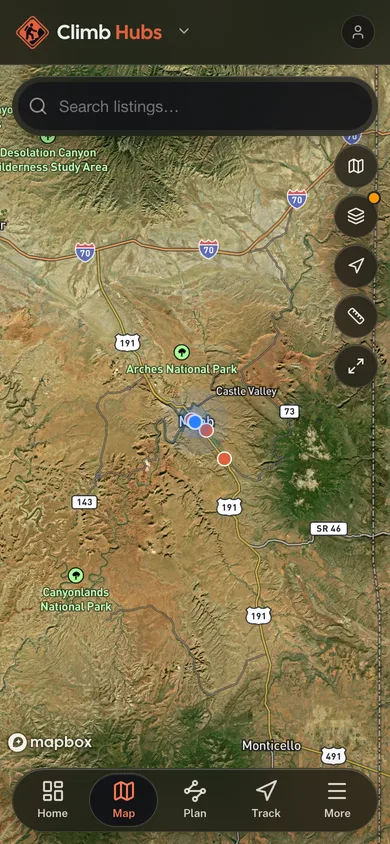
Everything Map
Every place we have mapped, on one screen.
Open Everything MapCrags
Find outdoor climbing areas with discipline, grades, and route counts.
Open CragsRoute Planner
Map a route or browse routes the community has shared.
Open Route PlannerClimbing Clubs
Find climbing clubs near you, or start your own with friends.
Open Climbing Clubs