Free 3D training
Skill drills
Free interactive 3D drills that teach climbing knots one decision at a time. Choose wrong and you watch what happens, safely, before it can happen for real.
- Free
- No signup
- Interactive 3D
- 4 techniques
4 techniques
Climbing knots
Tie the knots every climber is checked on, in 3D and one step at a time: the figure 8 follow-through you tie in with, the clove hitch for the anchor, the Munter hitch for a belay without a device, and the stopper knot that closes the system. Choose wrong and you see why it matters.
 Start hereFigure 8 follow-throughThe knot that ties you to the rope: a figure 8 in the rope, the end through your harness, then followed back through the 8, strand beside strand.5 steps
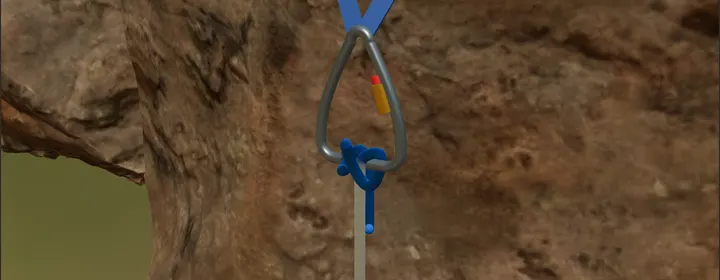 Technique 2Clove hitchTwo turns round a locking carabiner with a diagonal over them: the adjustable hitch for tying the rope to an anchor.5 steps
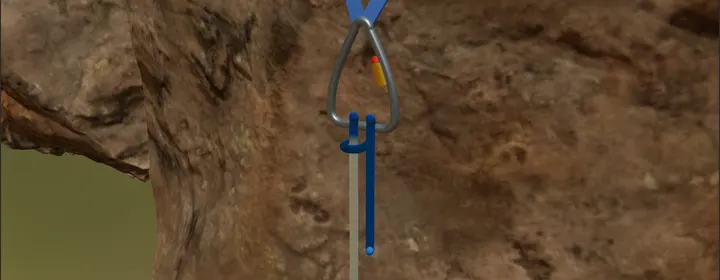 Technique 3Munter hitchA belay or a lower with no device: the rope over a pear-shaped locking carabiner, a bight round the climber's strand, and that bight clipped back through.5 steps
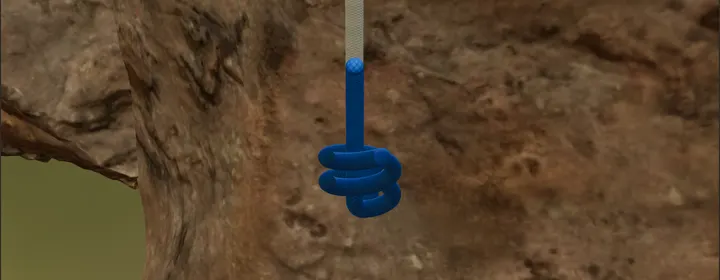 Technique 4Stopper knotA bulky knot in the end of the rope, so a rappel or a lower stops at the knot instead of running off the end.5 steps
Watch & learn
Skills on video
Picked from our video library. These are other creators' videos, so where one differs from the drill, the drill's sourced steps are the ones to follow.
Best Knots for Climbing—The 5 Knots Every Climber Should Know || REI
REI
0How to Tie Into a Climbing Harness (With a Figure 8 Knot) || REI
REI
0Rock Climbing: How to Tie a Clove Hitch
REI
0Basic & Intermediate Outdoor Climbing: 11. Stopper Knots for Belay & Rappel | Climbing Tech Tips
Climbing Tech Tips
04 Knots Every Climber Should Know | Climbing Daily Ep.991
EpicTV Climbing Daily
0How to attach the rope to your harness
BMC TV
0
How it works
How a drill works
One decision at a time
Each technique is a short run of steps. Pick an answer, or tap to do the step, and the 3D scene moves on with you.
Wrong choices play out
Choose wrong and the scene shows what would happen, then explains why. Try the step again until it makes sense.
Every step is sourced
Each instruction cites the makers, agencies and guides it comes from, and the full written steps sit under every drill.
A drill is practice, not certification. Learn any skill hands-on from someone experienced before you rely on it.