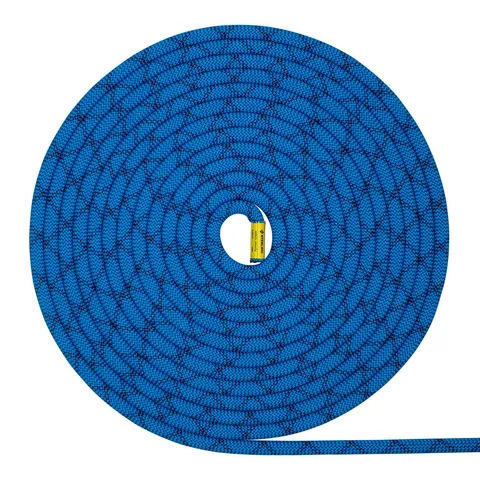
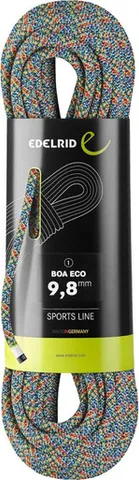
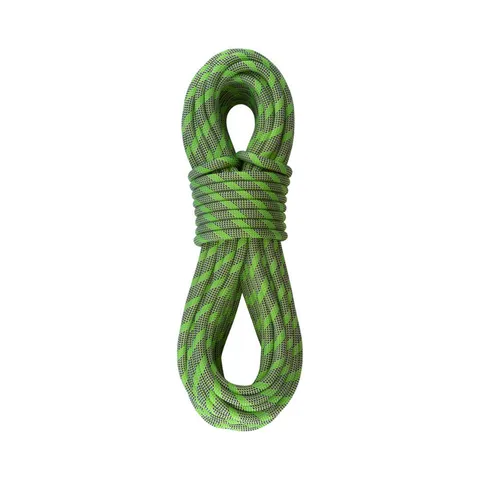
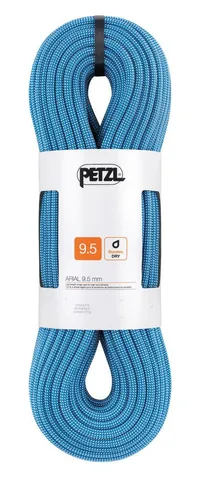
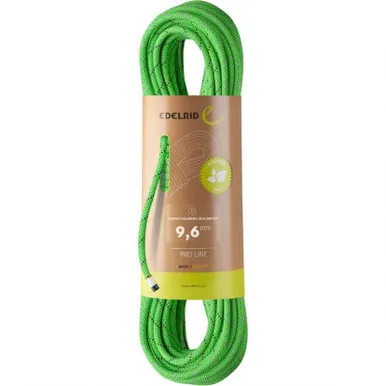
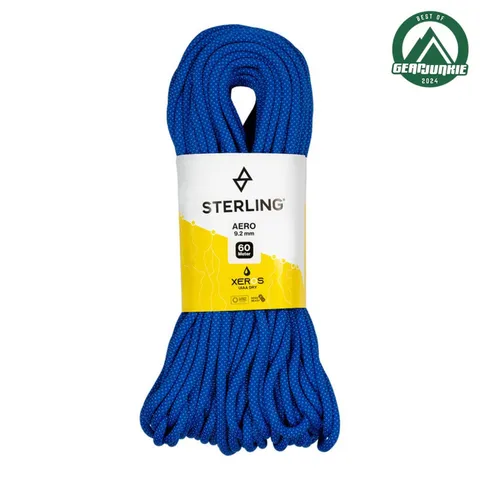
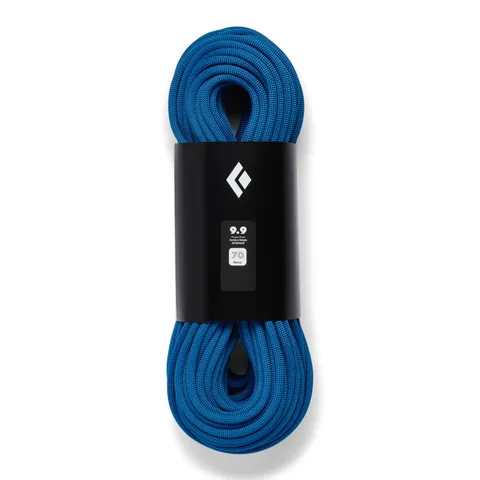
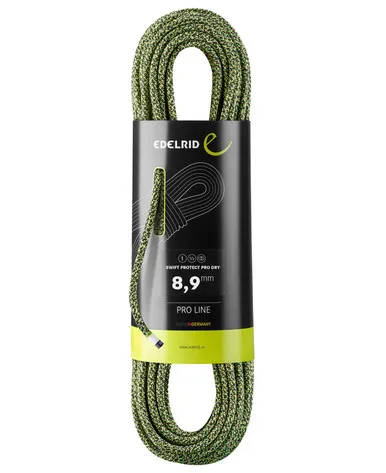
A climbing rope is the one piece of gear that literally holds your life, and yet the market is bewildering: a wall of near-identical-looking cords ranging from $110 to $360, separated by fractions of a millimeter in diameter and a haze of marketing terms like "Xeros," "DuoTec," and "Core Protect." Amazon's star ratings flatten all of that into noise. What actually matters is matching diameter, dry treatment, and durability to how and where you climb (a 9.9mm gym workhorse and a 9.2mm dry-treated sport cord are not interchangeable, even though they sit side by side in the same search results).
This guide is built for rock climbers specifically: gym lead, sport projecting, and trad/multi-pitch, not alpinists chasing the lightest possible half-rope system. We focused on single dynamic ropes you can actually buy in the US in 2026, and we deliberately spread the picks across the price spectrum so you can see what your money buys as you climb the ladder. The short version: thicker (9.8–9.9mm), untreated ropes are cheaper, tougher, and ideal for the gym and top-roping; thinner (9.2–9.6mm), dry-treated ropes cost more, weigh less, feed smoother through devices, and shine on hard redpoints and long days, but they wear out faster and demand more attentive belaying.
Nobody needs eleven ropes. Most climbers want one or two: a burly daily driver for the gym and the local crag, and maybe a lighter dry-treated cord once they start projecting or heading into the mountains. We've flagged which is which so you can buy once and climb, rather than guess.