Skip to content
Top-rated outdoor gear, ranked

Best Of 2026

Best Climbing Helmets of 2026

Our top 10 picks, independently ranked. Budget to premium.

A climbing helmet is the cheapest insurance you'll ever buy for your most important piece of gear. Whether you're belaying under a choss-prone sport crag, racking up for a multi-pitch trad route, or just clipping bolts at the local gym's outdoor wall, the helmet's job is twofold: shrug off rockfall and dropped gear from above, and protect your skull if you flip upside-down in a fall. The good news for 2026 is that the entire category has gotten lighter, better-ventilated, and more comfortable: the old excuse that helmets are hot, heavy, and dorky simply doesn't hold up anymore.

The market splits cleanly into two construction philosophies. Hardshell ABS helmets (Black Diamond Capitan, Petzl Boreo) are heavier and bulkier but nearly indestructible, they survive being stuffed in packs and thrown in car trunks for years, which makes them the smart first helmet. Foam-forward designs (Petzl Sirocco, Black Diamond Vapor, Edelrid Salathe) use EPP/EPS foam under a thin polycarbonate or partial shell to drop weight under 250 grams, so you forget you're wearing one: at the cost of dings, cracks, and shorter lifespans. In the middle sit hybrid all-rounders like the Petzl Meteor and the MIPS-equipped Black Diamond Vision, which balance weight, durability, and rotational-impact protection.

This guide spans roughly $55 to $180 so you can see exactly what your money buys as you climb the price ladder. Spend more and you mostly buy lightness, ventilation, and rotational-protection tech (MIPS), not necessarily more straight-line protection, since every model here is CE/UIAA certified. We've ranked by overall recommendation for the typical gym-to-sport-to-trad climber, not by price.

At a glance

#ProductPrice
1
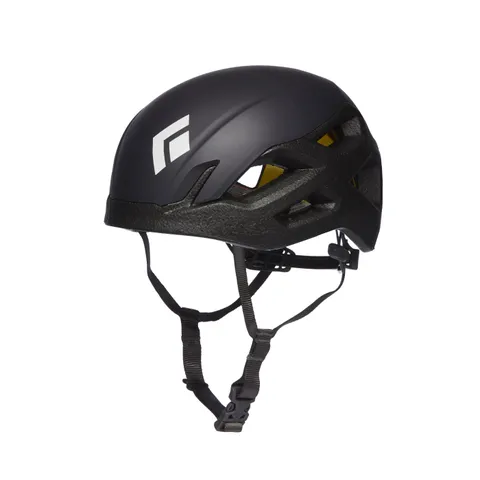
Vision MIPS Helmet

Black Diamond

$130–$150
2
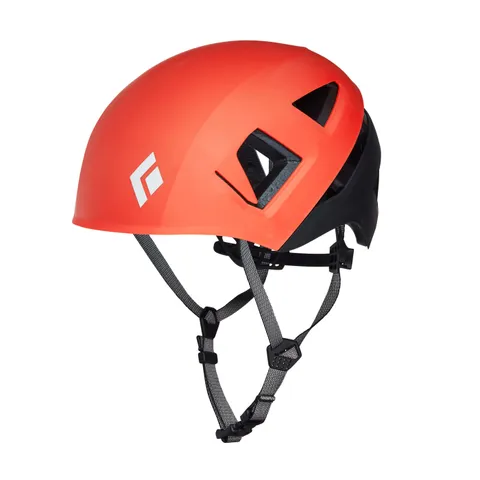
Capitan Helmet

Black Diamond

$60–$75
3$90–$110
4$140–$160
5$110–$130
6$60–$75
7$150–$180
8
Vapor Helmet

Black Diamond

$120–$150
9
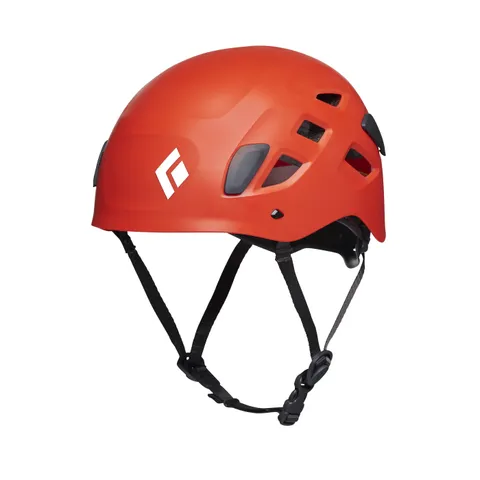
Half Dome Helmet

Black Diamond

$55–$70
10
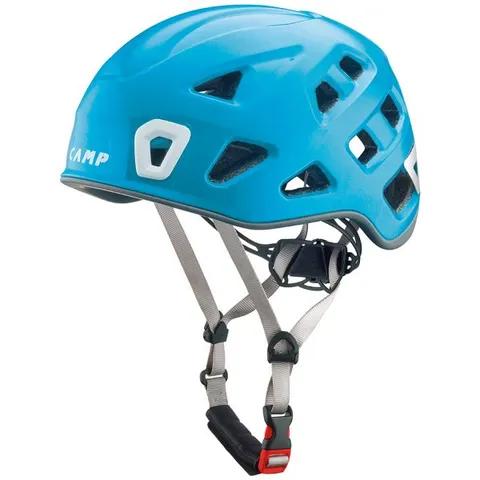
Storm Helmet

C.A.M.P.

$55–$70
Vision MIPS Helmet
Best OverallPremium

1. Vision MIPS Helmet

Black Diamond

$130–$150

The most well-rounded helmet on the market: genuinely light and well-vented, with a fit that suits an unusually wide range of head shapes, plus MIPS rotational protection in a package that doesn't feel like a compromise. It's the helmet most climbers should buy if budget allows.

Best for: The climber who wants one do-everything helmet for sport, trad, and the occasional alpine day

MIPS rotational protection without a big weight or comfort penalty · Fits a wide variety of head shapes; very dialed adjustment · Excellent ventilation and all-day comfort

More expensive than basic certified helmets · Foam construction less abuse-proof than a hardshell

Capitan Helmet
Best BudgetBudget

2. Capitan Helmet

Black Diamond

$60–$75

A reasonably priced, two-piece ABS hardshell that's become the go-to first helmet for modern climbers, some of the best protection of any helmet tested, with far better comfort than old-school entry-level lids.

Best for: First-time buyers and frequent craggers who want bombproof protection on a budget

Outstanding durability, built to survive years of abuse · Excellent protection for the price · Comfortable for a hardshell, with good adjustability

Heavy (~11.5 oz) compared to foam models · Bulkier on the head than ultralight options

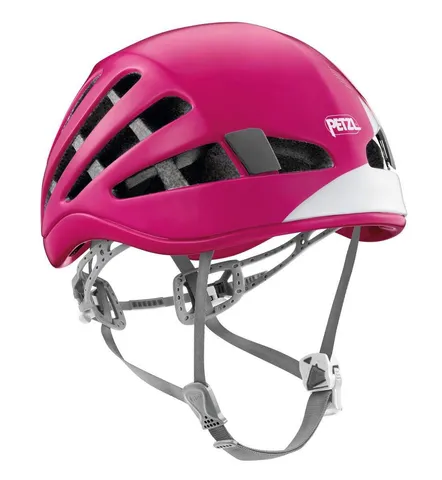
Meteor Helmet
Best ValueMid-range

3. Meteor Helmet

Petzl

$90–$110

A lightweight, superbly comfortable all-rounder that significantly undercuts the high-end foam helmets on price. EPS foam under a thin polycarbonate shell makes it lighter than ABS hardshells yet more affordable than the ultralight EPP models.

Best for: Sport and trad climbers who want premium comfort and low weight at a mid-tier price

Excellent comfort and ventilation for all-day wear · Light without the premium-foam price tag · Women's-specific Meteora version available for smaller heads

Polycarbonate shell less durable than a full ABS hardshell · No MIPS option

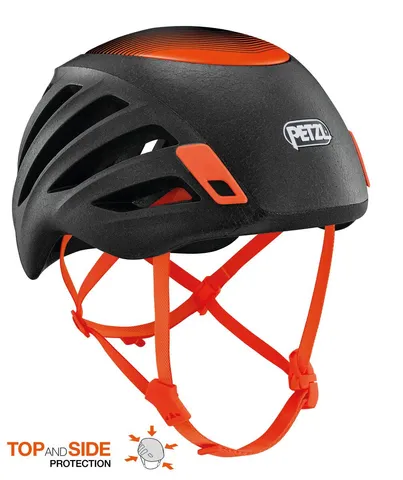
Sirocco Helmet
Best PremiumPremium

4. Sirocco Helmet

Petzl

$140–$160

The pinnacle of lightweight: just over 6 ounces, with 24 vents and class-leading comfort thanks to resilient EPP foam reinforced by an EPS plate over the crown where rockfall lands. You forget it's on your head.

Best for: Alpine, long multi-pitch, and weight-obsessed trad climbers

Among the lightest climbing helmets made (~170g) · Exceptional ventilation and comfort on long routes · Hi-vis color aids visibility on alpine terrain

Foam-only construction is less durable than hardshells · No longer CE-certified for ski mountaineering (as of 2024) · Premium price for a shorter lifespan

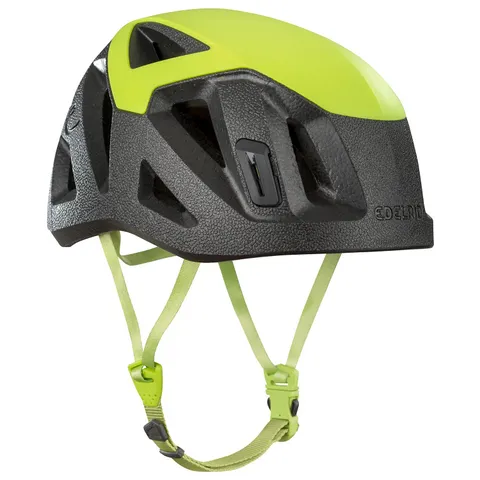
Salathe Helmet
Editor's PickMid-range

5. Salathe Helmet

Edelrid

$110–$130

A clever hybrid, mostly durable EPP foam with an EPS disc beneath an ABS top shell, that protects the back and sides of the head thoroughly without hampering peripheral vision, and ranks among the very best for all-day comfort.

Best for: Comfort-seekers who want foam-light weight with a bit more durability

Light (~7 oz) yet more durable than pure-foam rivals thanks to ABS top · Excellent rear/side coverage and comfort · Great ventilation

Less widely stocked in the US than Petzl/Black Diamond · No MIPS option

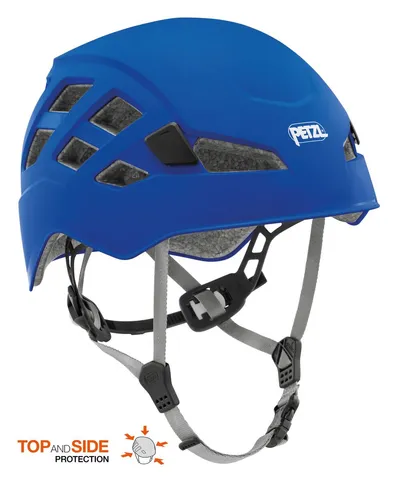
Boreo Helmet
Budget

6. Boreo Helmet

Petzl

$60–$75

A burly, low-profile ABS hardshell that nails durability and enhanced side/rear protection at a budget price, the women's-specific Borea covers smaller heads. A top pick for value-oriented buyers.

Best for: Budget buyers who prioritize toughness and protection over low weight

Very durable hybrid construction with good coverage · Affordable and widely available · Low-profile shape; Borea version for smaller heads

Heavy (~11 oz), among the heaviest tested · Fewer vents than premium foam helmets

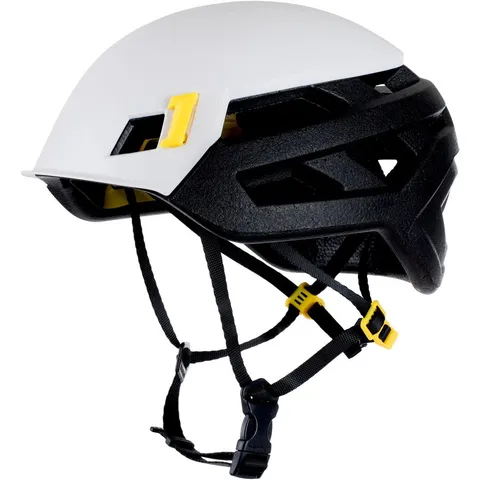
Wall Rider MIPS Helmet
Premium

7. Wall Rider MIPS Helmet

Mammut

$150–$180

The first climbing helmet to adopt MIPS, the Wall Rider pairs hard-foam EPP construction with rotational-impact protection in a light, well-ventilated package. A strong premium pick if you want MIPS without a hardshell.

Best for: Climbers who want MIPS protection in a minimalist, lightweight helmet

MIPS rotational protection in a lightweight foam build · Good ventilation and comfort · Non-MIPS version available to save money

MIPS version is among the priciest helmets here · EPP foam dents more easily than a hardshell

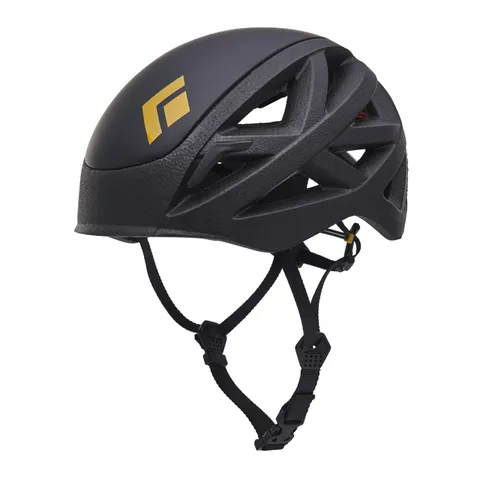
Vapor Helmet
Premium

8. Vapor Helmet

Black Diamond

$120–$150

Black Diamond's answer to the Sirocco: a scary-light, ultra-minimalist foam helmet that all but disappears on your head, ideal for redpoint attempts and long days where every gram counts.

Best for: Weight-counting sport and alpine climbers who treat their gear gently

Ultralight (~6 oz), barely noticeable when worn · Generous ventilation · Comfortable for all-day routes

Delicate, needs careful handling and a protective stash spot · Premium price for limited durability · Minimal coverage compared to hardshells

Half Dome Helmet
Budget

9. Half Dome Helmet

Black Diamond

$55–$70

One of the most affordable certified helmets on the market and a long-running entry-level staple, a no-frills ABS hardshell that gets new climbers protected without breaking the bank.

Best for: Brand-new climbers and gyms/groups outfitting on a tight budget

Lowest price of any pick here · Durable hardshell construction · Widely available; simple ratchet adjustment

Testers report fit quirks and thin padding · Heavier and less comfortable than pricier options

Storm Helmet
Budget

10. Storm Helmet

C.A.M.P.

$55–$70

A well-ventilated, easy-to-use budget hardshell with simple, intuitive clips, a solid value option for climbers who want plenty of airflow without spending up.

Best for: Value shoppers who want a breezy, fuss-free crag helmet

Plenty of vents for the price · Simple, natural-to-use buckles and adjustment · Affordable and lightweight for a hardshell

Less refined fit and finish than premium helmets · Fewer sizing/color options than the big brands

How we choose

We synthesized hands-on testing and long-term reviews from independent outlets (OutdoorGearLab, Switchback Travel, Climbing, GearJunkie, Treeline Review, UKClimbing) alongside manufacturer specs and current US street prices, then prioritized models that real climbers actually buy and that are in active production for 2026. Rankings weigh protection and certification (all picks are CE EN 12492 / UIAA certified), all-day comfort and fit across head shapes, weight, ventilation, durability, headlamp compatibility, and value. The three tiers reflect price and construction: budget (~$55–$80, durable ABS hardshell, heavier), mid (~$85–$130, hybrid foam-and-polycarbonate all-rounders), and premium (~$140–$180, ultralight EPP foam and/or MIPS rotational protection). We accept no payment from brands for placement or ranking; affiliate links may earn a commission if you buy, but they never influence which products appear or where they land.

Common questions

Indoor gym climbing generally doesn't require a helmet (the risk is falling, and the padded floors handle that), though some climbers wear one for lead falls. Outdoors, the answer is yes for nearly everything: sport crags can have loose rock and belayers are exposed to dropped gear and inverted-fall head strikes. Trad and multi-pitch climbing is where a helmet is non-negotiable. The modern lightweight models are comfortable enough that there's little reason to skip one outside.

Hardshell helmets (Black Diamond Capitan, Petzl Boreo) use a thick ABS plastic shell over a foam suspension, they're heavier (~300–350g) and bulkier but extremely durable, shrugging off years of abuse. Foam-forward / in-mold helmets (Petzl Sirocco, Black Diamond Vapor) bond a thin polycarbonate or partial shell directly to EPP/EPS foam, dropping weight to 170–250g with better venting, but they dent, crack, and wear out faster. Buy hardshell for durability and value; buy foam for weight and comfort on long days.

MIPS (a low-friction liner that lets the shell rotate slightly on impact) is designed to reduce rotational forces from angled hits, relevant in a fall where you might strike your head off-axis. It adds cost and a little weight. It's a genuine safety upgrade and worth it if you take real lead falls or do alpine/mixed terrain, but climbers focused mainly on rockfall protection from above can be perfectly well-served by a certified non-MIPS helmet.

It should sit level on your head (not tilted back), cover your forehead, and stay put when you shake your head before you cinch the chin strap. Adjust the rear cradle so there's no rocking, then tighten the chin strap so it's snug under the jaw. Try it on with any hat or buff you'd climb in, and check that it doesn't collide with your eyewear. Head shapes vary: Petzl tends to suit rounder heads, Black Diamond's Vision is praised for fitting a wide range, so try a few if you can.

Replace it immediately after any significant impact, rockfall strike or a hard fall, even if you see no damage, because foam compresses once and is then spent. Otherwise, follow the manufacturer's lifespan guidance (typically 5–10 years from first use for foam models, often longer for hardshells) and retire any helmet with cracks, crushed foam, frayed straps, or a failing adjustment system. Lightweight foam helmets generally have shorter usable lives than burly ABS hardshells.

No. Climbing helmets are certified to EN 12492 / UIAA 106, which specifically tests for impacts from above (falling rock) and includes front, side, and rear penetration and retention requirements that bike and most ski helmets aren't built for. A few multi-sport models (like the Salewa/POC Haute Route) carry dual or triple certification, but a standard cycling helmet is not a substitute for climbing.

Some links are affiliate links, and we may earn a commission at no extra cost to you. It never affects our rankings.

In your pocket

Take every crag with you.

Free, no account needed. Crag maps, public-land boundaries, and your climbing log in your pocket.

  • Every gym, guide, and crag in your pocket

  • Public-land boundaries under every approach

  • File a safety plan for every remote wall

  • GPS tracking that keeps recording at the end of the approach

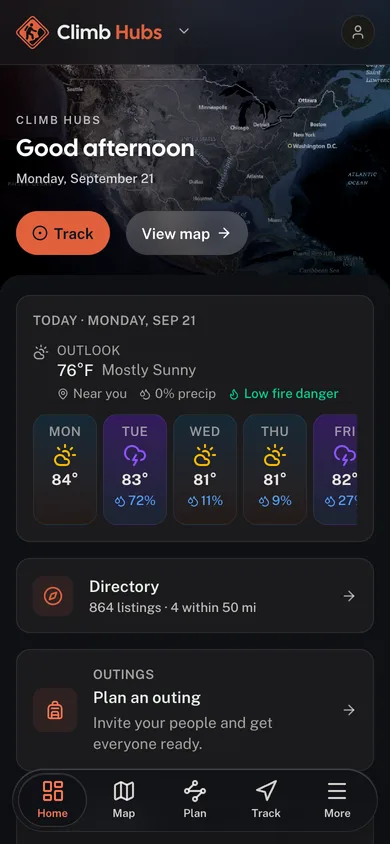
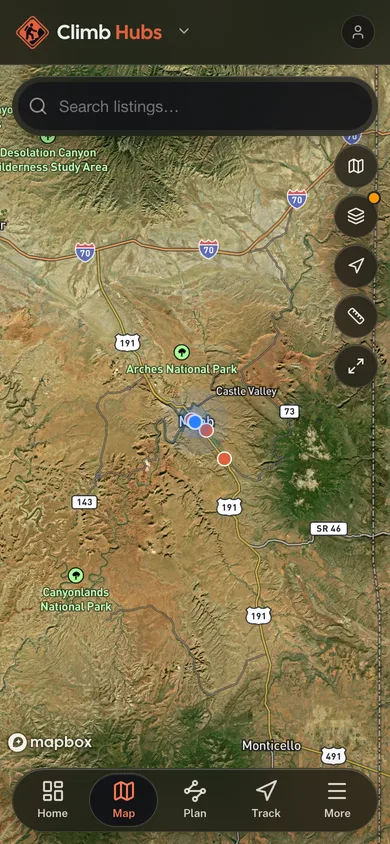
The Climb Hubs app dashboard

For operators

Run your climbing business?
Launch your branded surface.

Get your own branded surface in the Climb Hubs app and a directory listing in minutes. Bookings, digital waivers, and your whole operation live in one cockpit.