Rock Climbing · Alaska
Rock Climbing in Alaska
Climb 8 gyms, guides and schools across Alaska. Maps, hours, contact info, photos, and verified operator profiles, all in one place.
America's last great frontier. Fjords, glaciers, and 17 of the 20 highest peaks in the country.
About Alaska
Best time to go
When to climb in Alaska
June through early September. Long days and an accessible interior.
- June–September: alpine rock and high-elevation crags are in
- Watch afternoon thunderstorms, so start early and summit by noon
- Winter shifts to ice and mixed climbing
8 on the map
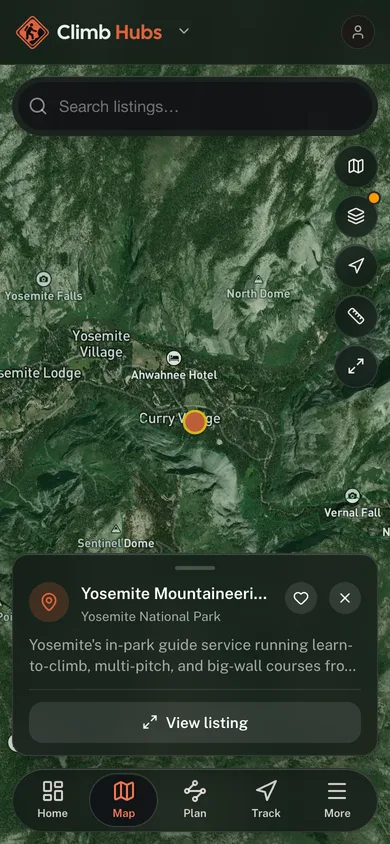
Tap a pin to open its profile.
Quick facts
- Crags mapped
- 47
- Gyms, guides and schools listed
- 8
- Best season
- June through early September
All listings
8 gyms, guides and schools
across Alaska
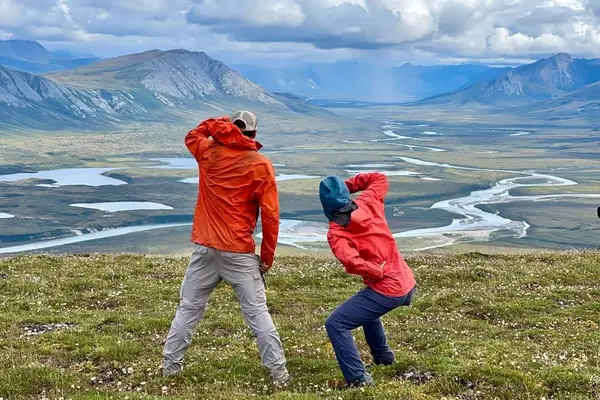
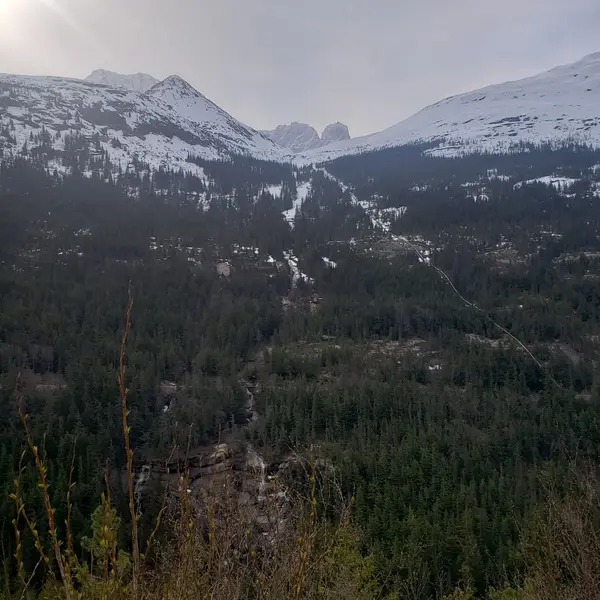
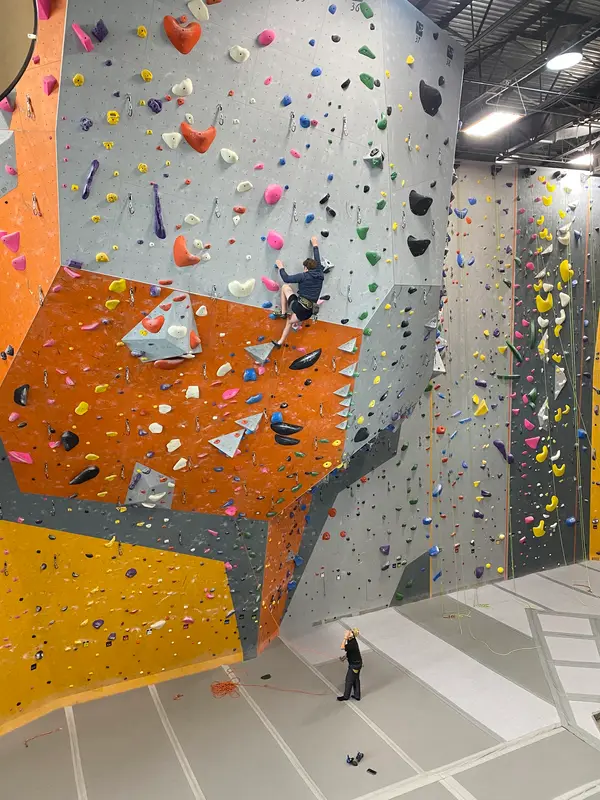
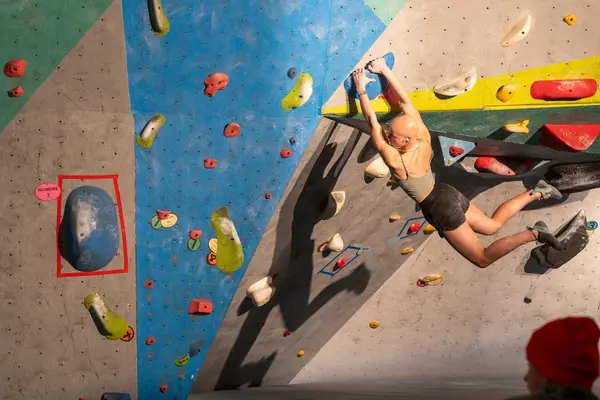
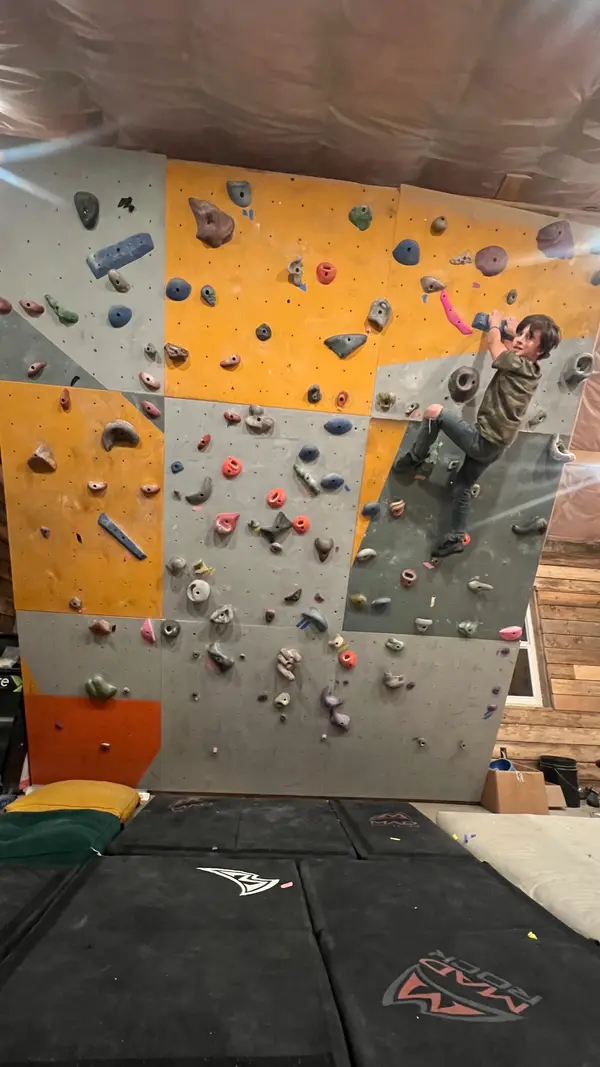
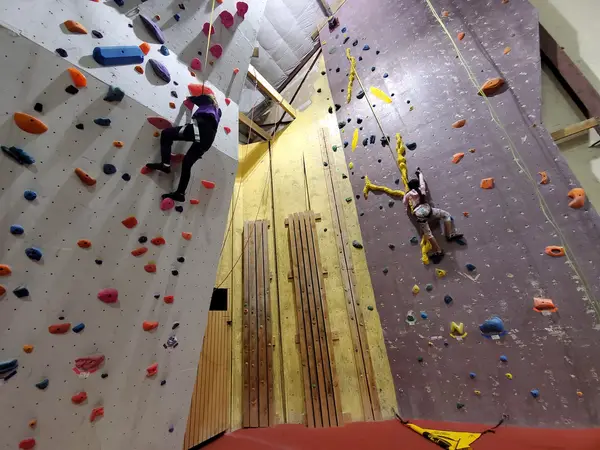
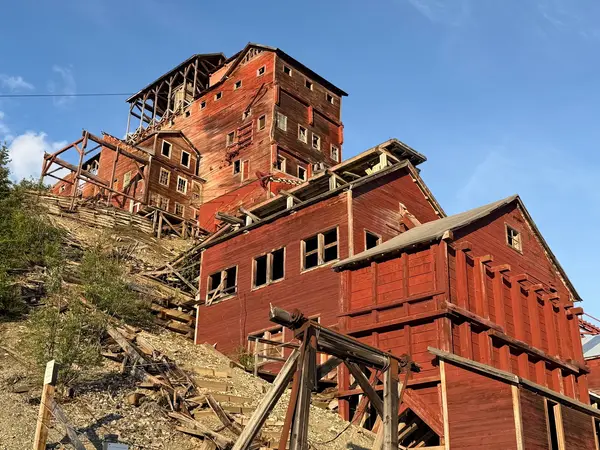
Plan your trip
Plan your trip to Alaska
Signature Rock Types and Areas
Alaska's outdoor climbing is primarily on granite and metamorphic rock, with significant concentrations in the Talkeetna Mountains, Chugach Range, and coastal areas near Valdez. Ice climbing is world-renowned, especially in the Chugach Mountains and Keystone Canyon.
Climbing Season and Best Months
The primary outdoor rock and alpine climbing season runs from June through August. Ice climbing is best from November to March. Indoor gyms operate year-round, serving as crucial training hubs during off-seasons.
Indoor Gyms vs. Outdoor Crags
Major cities like Anchorage, Fairbanks, and Juneau host indoor climbing gyms. Outdoor crags are typically remote and require significant logistical planning, often involving bush planes, boats, or extensive wilderness travel.
Disciplines that Define Alaska
Alpine climbing, mountaineering, and ice climbing are the defining disciplines. Trad climbing opportunities exist, particularly on granite big walls. Sport climbing and bouldering are less prevalent but can be found in localized areas.
Access and Ethics
Access in Alaska often involves federal, state, and private lands. Permit rules vary widely by land manager, many Alaska parks and preserves (Wrangell-St. Elias among them) require none for backcountry travel, while Denali does, so always check the specific unit. Fixed-anchor norms vary; always verify local ethics. Raptor nesting closures are rare but possible; respect all posted warnings. The Access Fund and local climbing organizations advocate for responsible access.
AMGA-Certified Guide Services
Many AMGA-certified guide services and schools operate in Alaska, particularly specializing in alpine, glacier, and ice climbing. These services are highly recommended for navigating the complex and challenging Alaskan wilderness safely.
Confirm current requirements with the state agency before your trip. Rules and fees change every season.
National Park Service Permits
Requirements vary sharply by park. Denali National Park requires a mountaineering permit to climb Denali or Mount Foraker, register at least 60 days in advance and pay the climbing fee, plus a backcountry permit for overnight backpacking in many units. Wrangell-St. Elias, by contrast, requires no backcountry permit at all. These permits often involve registration, fees, and adherence to Leave No Trace principles.
Denali National ParkState Park Backcountry Permits
While less common for day use, overnight stays or extended trips in some Alaska State Parks may require backcountry permits or registration. Always verify with the specific State Park unit you plan to visit, as regulations can vary.
Alaska State ParksCommercial Operator Permits
Guide services and schools operating on public lands (federal or state) must obtain commercial use authorizations or permits from the respective land management agencies. Clients engaging with these services should ensure their operator is properly licensed and permitted.
Bear Safety Regulations
While not a climbing-specific permit, all visitors to Alaskan wilderness areas are strongly advised to carry bear spray and know how to use it. Proper food storage (bear-resistant containers or hangs) is often mandated in backcountry areas to prevent human-wildlife conflicts.
- 01
Define Your Objective
A gym week in Anchorage, an ice trip, roadside cragging, or a multi-day alpine expedition are four very different undertakings. Pick one first: gear, logistics, and permits all cascade from that decision.
- 02
Research Location and Access
Pin down the specific area or gym, then work out how you'll actually get there. For outdoor objectives that can mean a bush plane charter, a boat, or a long approach on foot, build the transport into the plan, not around it.
- 03
Secure Permits and Guides
Backcountry and alpine objectives usually mean land-management permits, and they take time, sort them well in advance. For complex or remote terrain, an AMGA-certified guide service is money well spent.
- 04
Prepare for Conditions
Alaskan weather does not negotiate. Pack layers, rain gear, and real cold-weather equipment even in July, and budget slack days into the itinerary, weather delays are the norm, not the exception.
- 05
Understand Wildlife Safety
Learn bear protocol before you go: carry spray and know how to deploy it, make noise on approaches, and store food properly. Give every animal its distance.
01How many climbing operators are listed in Alaska?
02What is the best time of year for outdoor climbing in Alaska?
03Are there many climbing gyms in Alaska?
04Is it necessary to hire a guide for climbing in Alaska?
05What kind of climbing can I expect to find outdoors?
06What permits do I need to climb in Alaska's wilderness areas?
07How do I deal with wildlife, particularly bears, while climbing?
Free tools
Your free outdoor toolkit
Everything Map
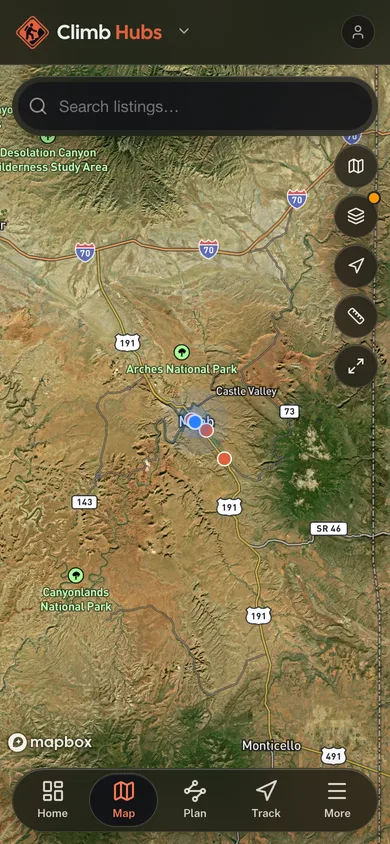
Listings, trails, spots, clubs and public land on a single full-screen map. Switch layers on and off, then tap any point for the details.
Open Everything MapCrags
Find climbing areas on a map with discipline, grade range, and how many routes each crag holds.
Open CragsRoute Planner
Drop stops on a map and watch distance and drive time add up. Export a GPX or share the link.
Open Route PlannerClimbing Clubs
Browse local clubs with meeting info and how to join, or start your own for free.
Open Climbing ClubsPhoto ID
Point your camera at whatever you found and get a structured identification. No signup.
Open Photo IDGear Checklists
Printable, save-as-you-go packing lists. Tick items off and pull them up on your phone.
Open Gear Checklists