Rock Climbing · Hawaii
Rock Climbing in Hawaii
Climb 10 gyms, guides and schools across Hawaii. Maps, hours, contact info, photos, and verified operator profiles, all in one place.
Volcanic peaks rising 13,000 feet from a tropical Pacific.
About Hawaii
Best time to go
When to climb in Hawaii
Year-round. Winter brings the biggest North Pacific surf.
- April–May and September–October: ideal valley temperatures
- Summer: escape the heat at higher-elevation granite
- Coastal crags can climb much of the year
10 on the map
Tap a pin to open its profile.
Quick facts
- Gyms, guides and schools listed
- 10
- Best season
- Year-round
All listings
10 gyms, guides and schools
across Hawaii
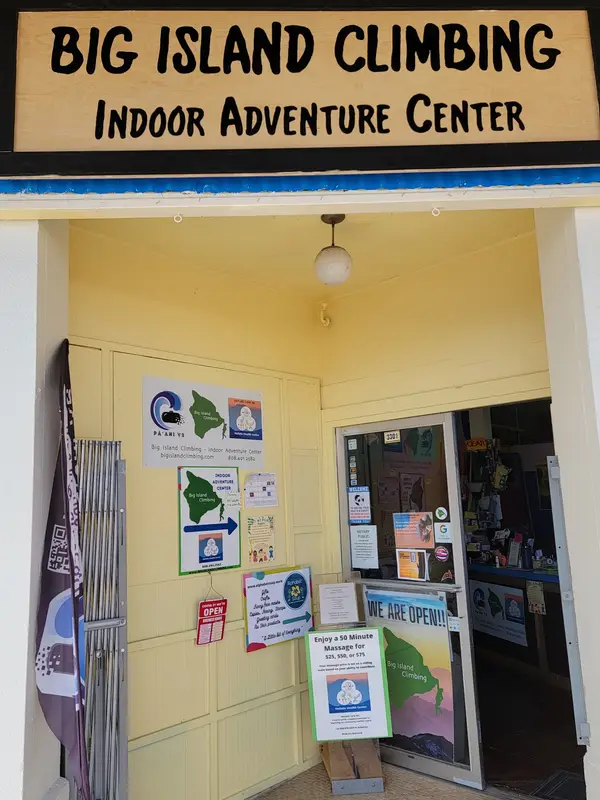
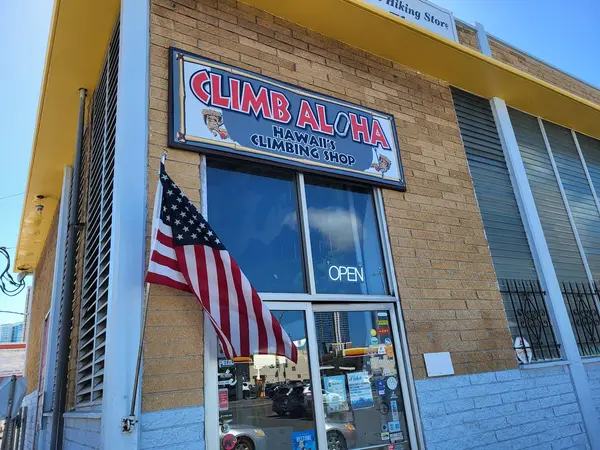

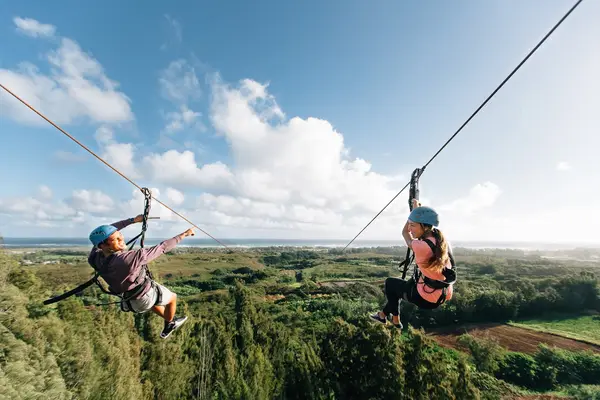
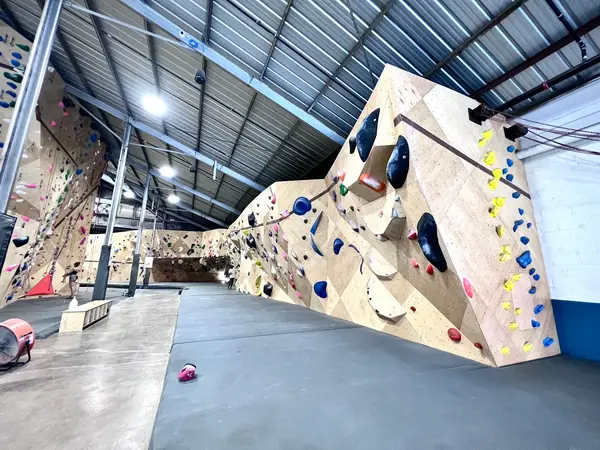
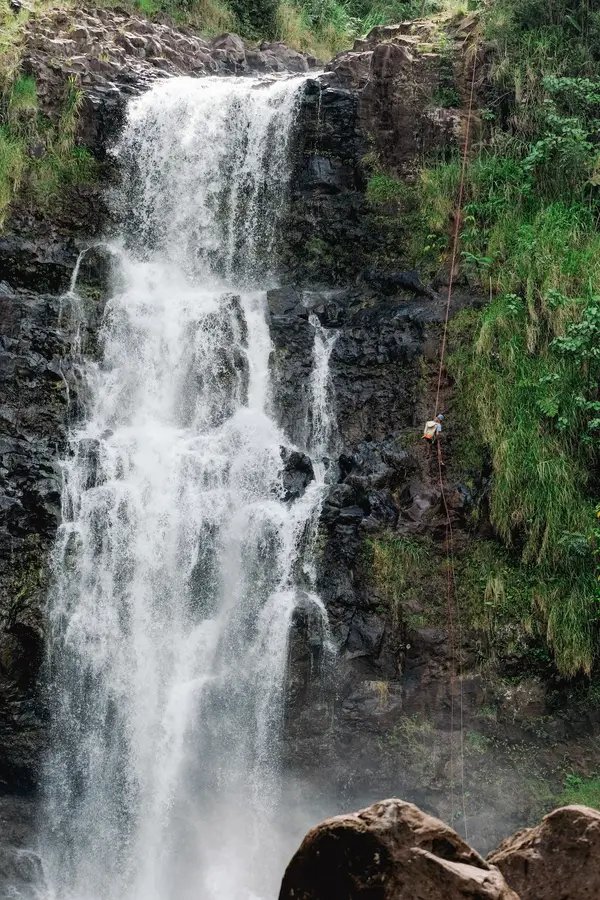
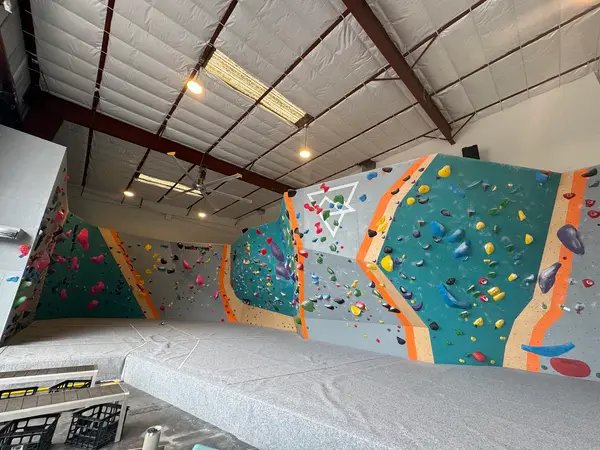
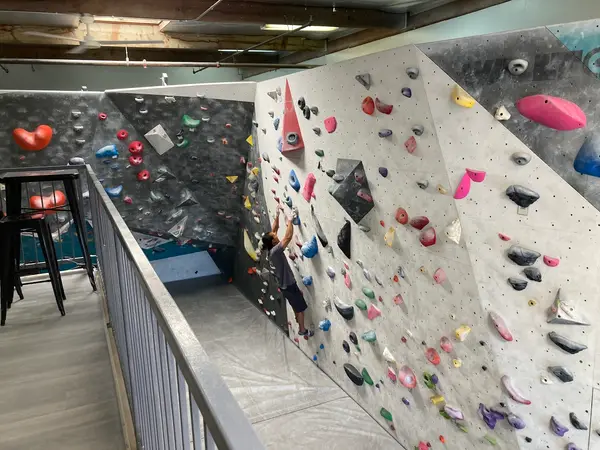
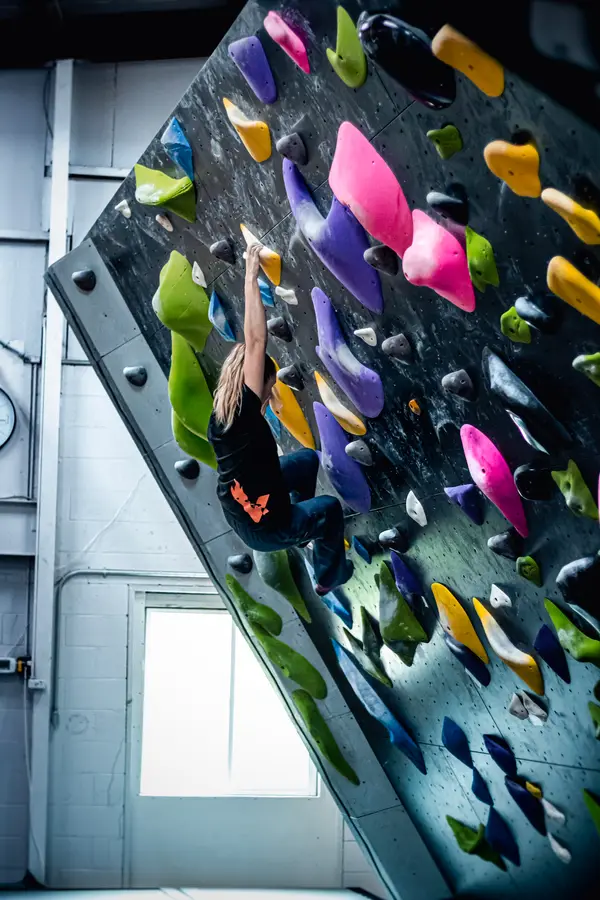
Plan your trip
Plan your trip to Hawaii
Signature Rock Types and Climbing Areas
Hawaii's outdoor climbing is primarily on basaltic volcanic rock, known for its unique texture and sharp features. Established areas are limited, with the majority of bouldering and sport climbing found on Oahu.
Climbing Season and Best Months
Climbing is possible year-round, but the drier, cooler months from fall (September) through spring (May) are generally preferred for outdoor activities. Indoor gyms offer a consistent option regardless of the weather.
Indoor Gyms vs. Outdoor Crags
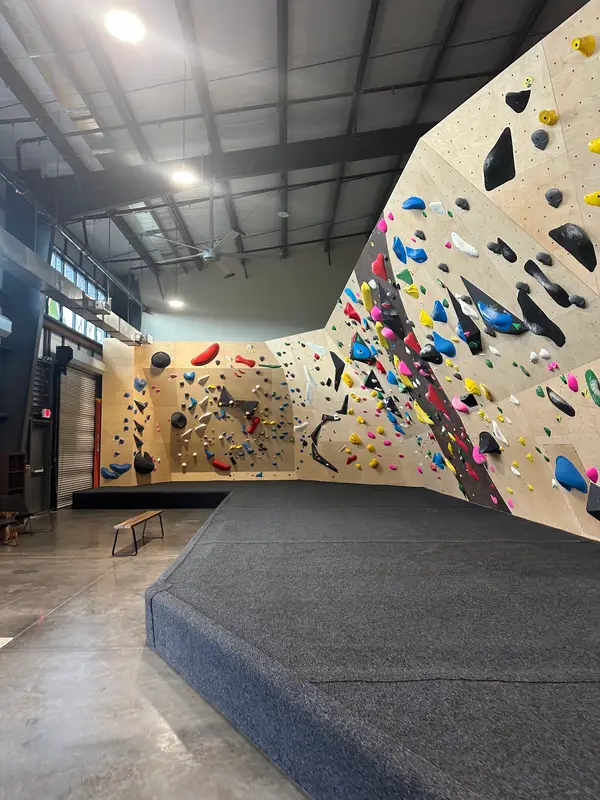
Indoor climbing gyms are popular and widespread across the major islands, serving as key community hubs. Outdoor climbing is sensitive, limited, and often requires local knowledge or guided access due to private land and cultural considerations.
Defining Disciplines
Outdoor climbing in Hawaii is largely defined by bouldering and sport climbing. Traditional climbing is rare due to the geological characteristics of the rock. Alpine climbing is not applicable to the islands.
Access and Ethics
Respect for private property, cultural sites, and the environment is paramount. Fixed anchors are less common, and bolting is highly scrutinized. Always verify access with land managers or private owners, and practice Leave No Trace principles. AMGA-certified guide services operate, providing responsible access and instruction.
Confirm current requirements with the state agency before your trip. Rules and fees change every season.
Land Access Permits
Many outdoor climbing areas in Hawaii are on private property or state-managed lands that require specific permits. Climbers must obtain permission from landowners or the Hawaii Department of Land and Natural Resources (DLNR) before accessing these areas. Failure to do so can result in trespassing charges.
Commercial Guiding Licenses
Guide services operating commercially in Hawaii, especially on state lands, are required to hold appropriate business licenses and permits. These often include permits from the Department of Commerce and Consumer Affairs (DCCA) and potentially specific use permits from the DLNR. Verify with your chosen guide service that they are properly licensed.
Environmental Protection and Cultural Sites
All climbers must adhere to strict environmental protection guidelines, including Leave No Trace principles. Disturbing native flora, fauna, geological formations, or any cultural/historic sites is strictly prohibited and can carry significant penalties. Always stay on marked trails and avoid sensitive areas.
- 01
Research Local Climbing Gyms
Start at the gyms, particularly on Oahu or Maui. They're where you'll train, meet the people who actually climb here, and pick up current word on what's open outdoors, intel you won't find in any guidebook.
- 02
Engage a Certified Guide Service
For your first outdoor days, hire an AMGA-certified guide. They know the access protocols, the rock's sharp-edged quirks, and how to keep your visit both legal and welcome, worth every dollar in a place this access-sensitive.
- 03
Understand Access and Ethics
Learn why outdoor access here is fragile before you touch rock: private property, cultural sites, and small ecosystems that don't recover fast. Leave No Trace isn't a slogan in Hawaii, it's the price of admission.
- 04
Verify Permits and Regulations
Check whether your target area requires a permit before you go, every time. The landowner or the Hawaii Department of Land and Natural Resources (DLNR) can tell you what current access looks like, conditions change.
- 05
Prepare for Tropical Conditions
Sun, humidity, bugs, and sudden rain are the standing conditions. Pack real sun protection, insect repellent, and more water than feels necessary, especially in the wetter months.
01Is there much outdoor climbing in Hawaii?
02What kind of rock will I find for climbing?
03Are there climbing gyms in Hawaii?
04Do I need a guide to climb outdoors in Hawaii?
05What are the best months for outdoor climbing?
06Are there any specific access restrictions I should know about?
Free tools
Your free outdoor toolkit

Everything Map
Listings, trails, spots, clubs and public land on a single full-screen map. Switch layers on and off, then tap any point for the details.
Open Everything MapCrags
Find climbing areas on a map with discipline, grade range, and how many routes each crag holds.
Open CragsRoute Planner
Drop stops on a map and watch distance and drive time add up. Export a GPX or share the link.
Open Route PlannerClimbing Clubs
Browse local clubs with meeting info and how to join, or start your own for free.
Open Climbing ClubsPhoto ID
Point your camera at whatever you found and get a structured identification. No signup.
Open Photo IDGear Checklists
Printable, save-as-you-go packing lists. Tick items off and pull them up on your phone.
Open Gear Checklists