Rock Climbing · Indiana
Rock Climbing in Indiana
Climb 13 gyms, guides and schools across Indiana. Maps, hours, contact info, photos, and verified operator profiles, all in one place.
Hardwood hills, Wabash river country, and Lake Michigan dunes.
About Indiana
Best time to go
When to climb in Indiana
April through October.
- October–November: cool, dry, high-friction "send temps"
- Spring: good climbing between rain showers
- Summer: humid and greasy, so dawn patrol or head north
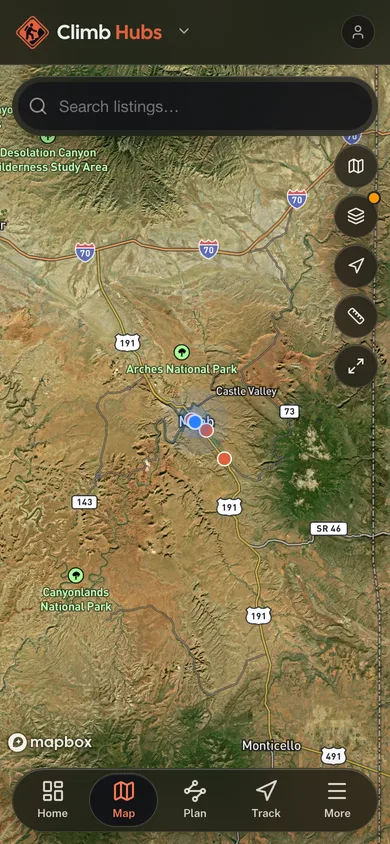
13 on the map
Tap a pin to open its profile.
Quick facts
- Gyms, guides and schools listed
- 13
- Best season
- April through October
All listings
13 gyms, guides and schools
across Indiana
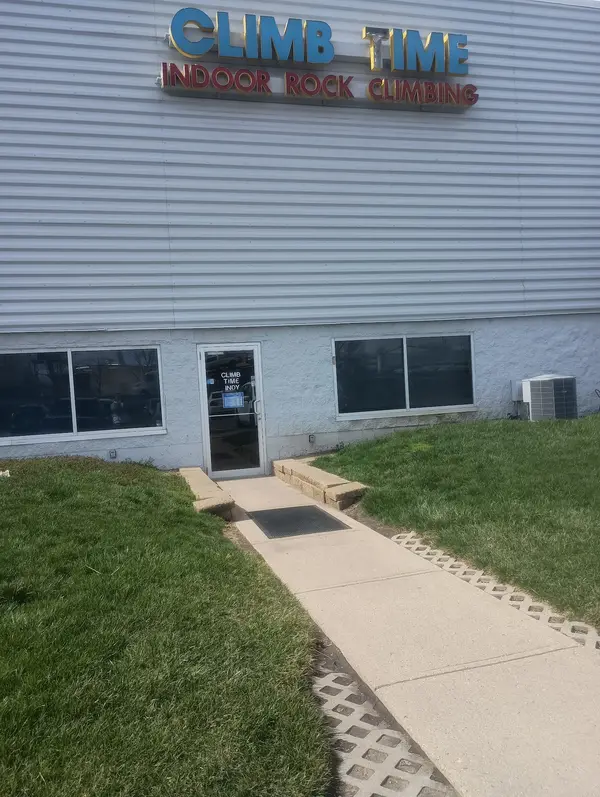
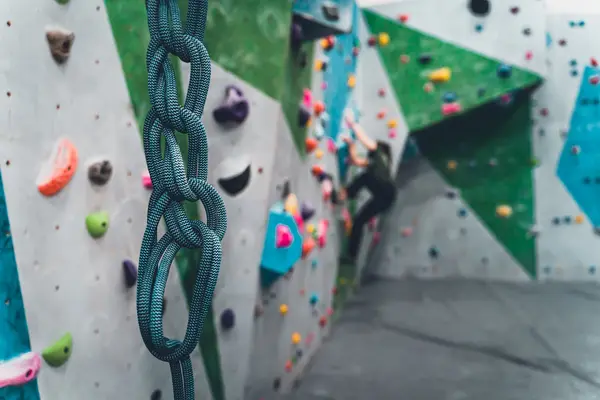
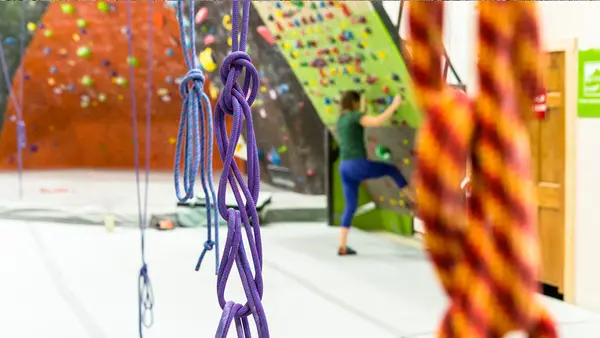


Plan your trip
Plan your trip to Indiana
Signature Rock Types and Climbing Areas
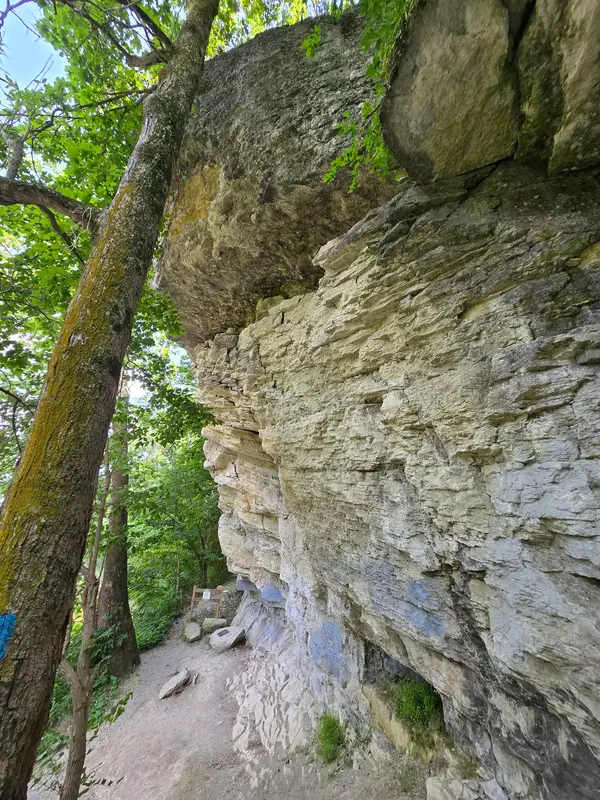
Indiana's outdoor climbing spans both sandstone and limestone, but the sandstone boulder fields of the Hoosier National Forest, Hemlock Cliffs and scattered outcrops, remain the state's main legal outdoor climbing. Muscatatuck Park near North Vernon, a limestone bouldering and toprope crag that was long another option, has been closed to climbing since 2023, so verify current access before planning a trip.
Climbing Season and Best Months
Fall offers the best outdoor conditions with cool, dry weather, making September and October prime months. Spring can also be good between rainfalls, while summers are hot and humid, and winters are cold.
Indoor Gyms vs. Outdoor Crags
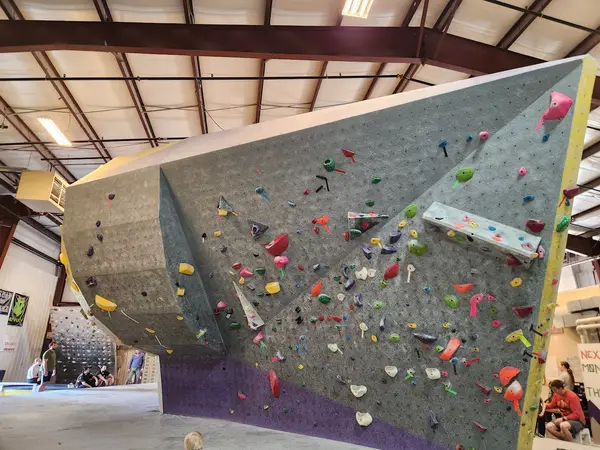
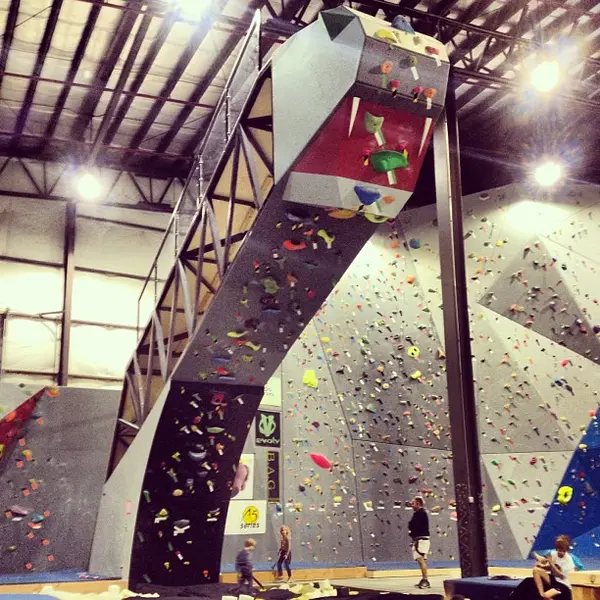
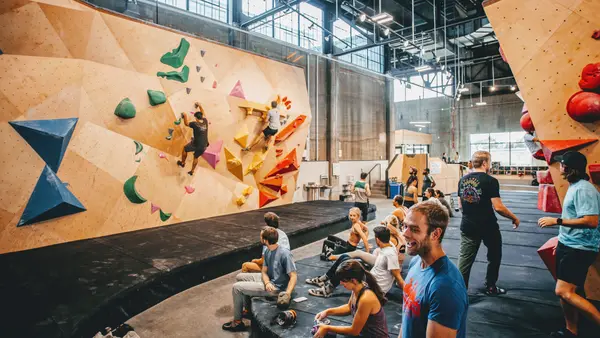
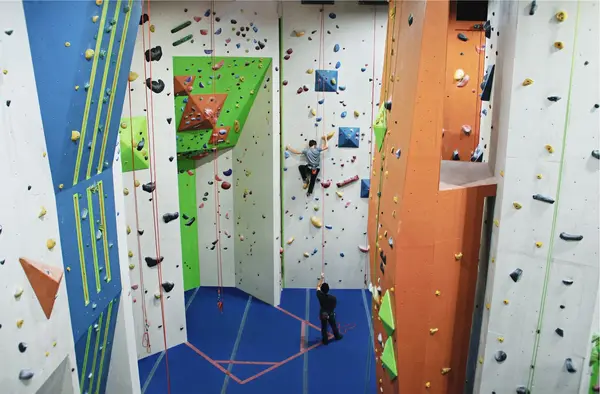
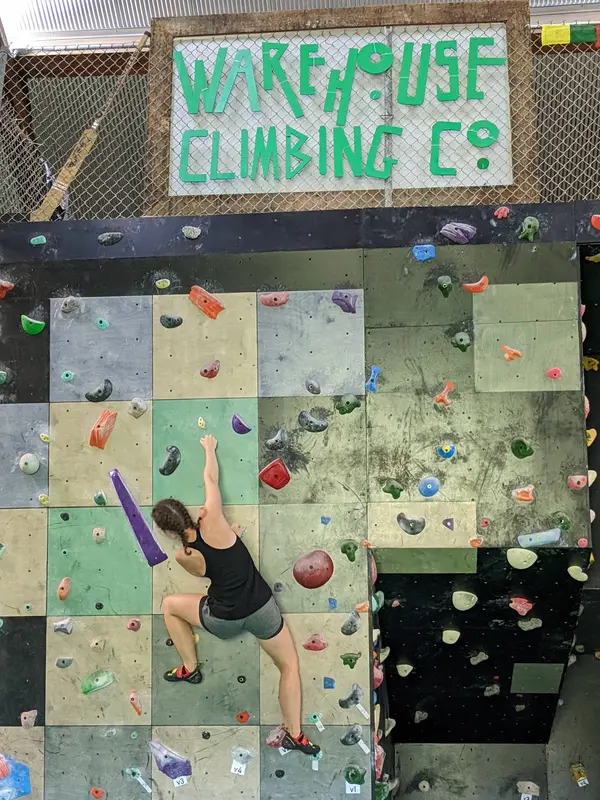
A robust indoor climbing gym network exists in major cities, providing year-round access and a wide range of disciplines. Outdoor crags are fewer but offer unique local challenges, primarily bouldering and some sport routes.
Defining Disciplines
Bouldering is the most prevalent outdoor discipline in Indiana, with some sport climbing routes available. Trad climbing is very limited due to the specific rock type and established crag ethics.
Access and Ethics
Always practice Leave No Trace principles. Access to some areas may require permits or day-use fees, especially in state parks or forests; verify with the specific land manager. Bolting norms and raptor-nesting closures should be respected and checked via local climbing organizations or the Access Fund.
AMGA-Certified Guide Services
AMGA-certified guides and climbing schools do operate in Indiana, offering instruction and guided experiences for both indoor and outdoor climbing, ensuring safe and educational adventures for all skill levels.
Confirm current requirements with the state agency before your trip. Rules and fees change every season.
State Park/Forest Entrance Fees
Indiana State Parks charge a daily entrance fee (or an annual pass) at the gate; Indiana State Forests, by contrast, are free to enter. Climbing itself is not a permitted activity in Indiana State Parks, so the fee is park access, not a climbing pass, the main legal public climbing is the federally managed Hoosier National Forest. These fees support park maintenance and operations.
Hoosier National Forest Regulations
Climbing within the Hoosier National Forest requires adherence to general forest regulations, including Leave No Trace principles and any specific area closures or use restrictions. No specific climbing permit is typically required but always verify with the District Ranger office before your visit.
Guide Service Operation Permits
Commercial guide services operating on public lands in Indiana may require special use permits from the managing agency (e.g., Hoosier National Forest) in addition to standard state business licenses. Operators must verify specific requirements with the relevant land manager and state business licensing bodies.
- 01
1. Research Local Climbing Gyms
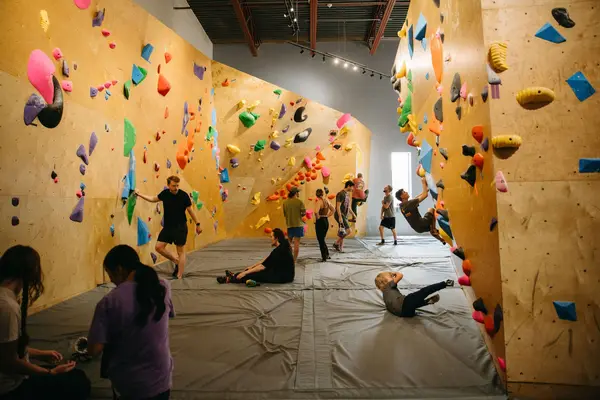
Start at a gym in Indianapolis, Bloomington, or Lafayette. Controlled conditions, rental gear, and a room full of potential partners, no better place in the state to learn the fundamentals.
- 02
2. Seek Professional Instruction
A beginner class or a day with an AMGA-certified guide buys you correct technique, safety habits, and the outdoor ethics that Indiana's small crags depend on. Cheaper than learning any of it the hard way.
- 03
3. Understand Outdoor Access
Get to know the southern crags, Muscatatuck Park especially, and their specific access rules, local ethics, and any fees or permits before you show up with pads. The areas are small enough that every visitor's behavior matters.
- 04
4. Acquire Appropriate Gear
Shoes, harness, belay device, helmet: build the kit around your discipline, whether that's bouldering or sport climbing, and don't cut corners on safety-rated equipment.
- 05
5. Connect with the Community
Local climbing groups and online forums are where the partners, crag conditions, and access updates circulate. They're also where the stewardship work happens that keeps Indiana's few crags climbable.
01How many climbing operators are listed in Indiana?
02What kind of rock climbing is available outdoors in Indiana?
03What is the best time of year to climb outdoors in Indiana?
04Are there many climbing gyms in Indiana?
05Do I need a special permit to climb outdoors in Indiana?
06Are there guide services or climbing schools in Indiana?
07What are the main outdoor climbing areas in Indiana?
Free tools
Your free outdoor toolkit
Everything Map
Listings, trails, spots, clubs and public land on a single full-screen map. Switch layers on and off, then tap any point for the details.
Open Everything MapCrags
Find climbing areas on a map with discipline, grade range, and how many routes each crag holds.
Open CragsRoute Planner
Drop stops on a map and watch distance and drive time add up. Export a GPX or share the link.
Open Route PlannerClimbing Clubs
Browse local clubs with meeting info and how to join, or start your own for free.
Open Climbing ClubsPhoto ID
Point your camera at whatever you found and get a structured identification. No signup.
Open Photo IDGear Checklists
Printable, save-as-you-go packing lists. Tick items off and pull them up on your phone.
Open Gear Checklists


Keep exploring