Rock Climbing · Maine
Rock Climbing in Maine
Climb 9 gyms, guides and schools across Maine. Maps, hours, contact info, photos, and verified operator profiles, all in one place.
Rocky coast, the North Woods, and Acadia.
About Maine
Best time to go
When to climb in Maine
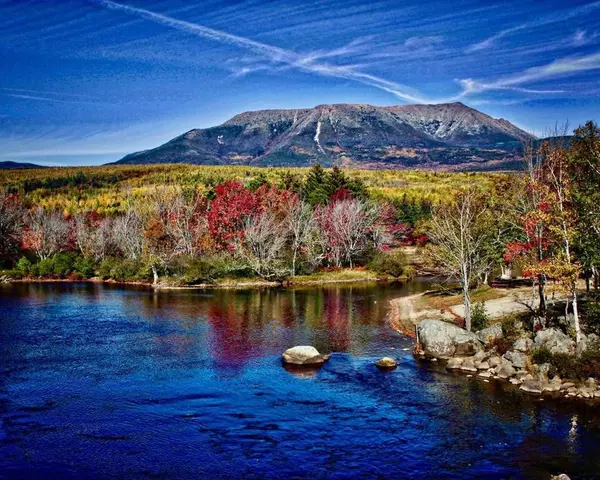
June through October. Peak fall color late September to mid-October.
- October–November: cool, dry, high-friction "send temps"
- Spring: good climbing between rain showers
- Summer: humid and greasy, so dawn patrol or head north
9 on the map
Tap a pin to open its profile.
Quick facts
- Crags mapped
- 52
- Gyms, guides and schools listed
- 9
- Best season
- June through October
All listings
9 gyms, guides and schools
across Maine
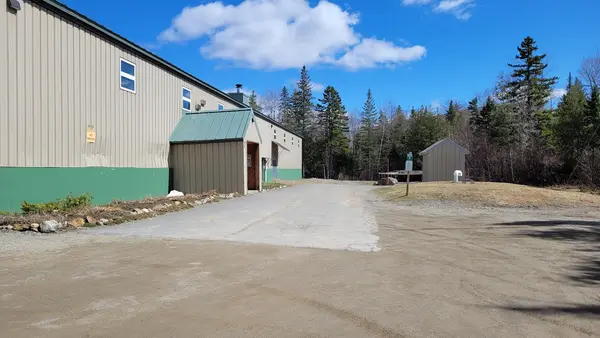
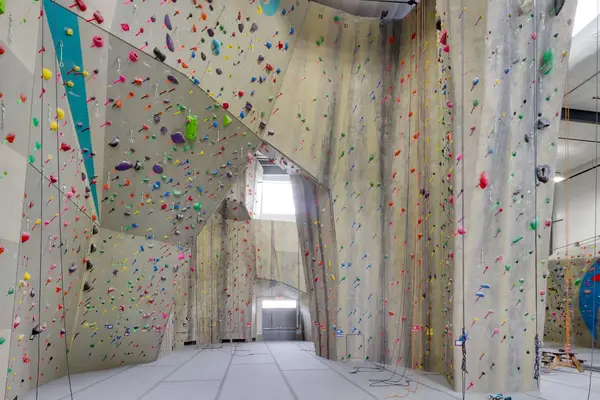

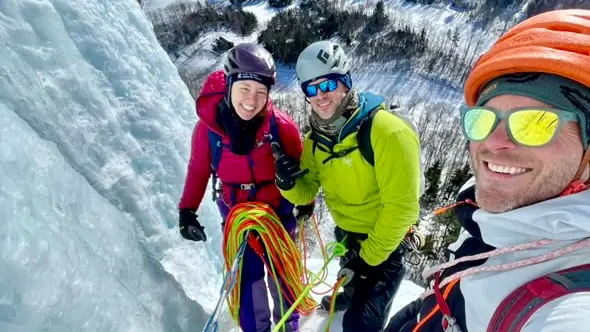
Plan your trip
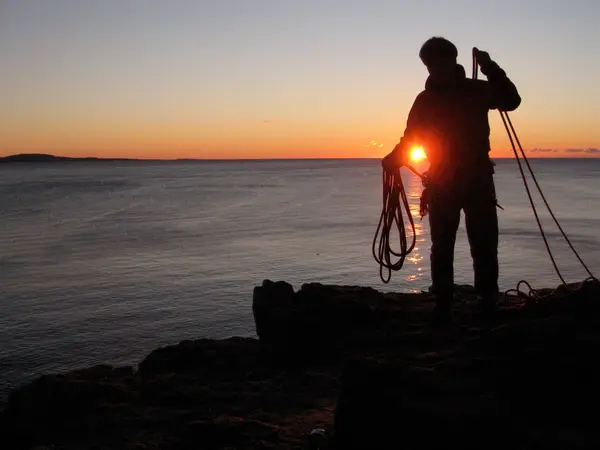
Plan your trip to Maine
Signature Rock Types and Areas
Maine's climbing is predominantly on granite, particularly notable in Acadia National Park, though areas like Camden Hills climb on metamorphic schist. The rock offers excellent friction but can be sharp. Bouldering, traditional climbing, and some sport routes are found across various crags, with sea cliffs adding a unique dimension.
Climbing Season and Best Months
The primary outdoor climbing season runs from late April through October. Fall, particularly September and October, offers the most stable weather and ideal temperatures for optimal climbing conditions and vibrant foliage.
Indoor Gyms vs. Outdoor Crags
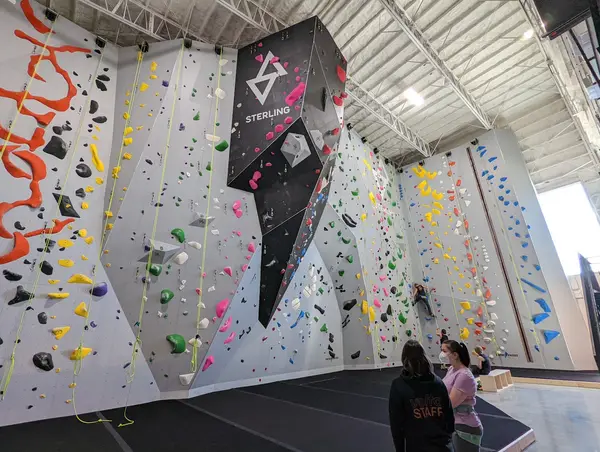
Maine has a growing network of indoor climbing gyms in cities like Portland, Brunswick, and Bangor, providing year-round training and community. Outdoor crags, especially in Acadia, are often remote and require experience or a guide for safe access and navigation.
Disciplines and Ethics
Traditional climbing is the defining discipline, especially on coastal granite. Bouldering is also popular. Sport climbing is less prevalent but growing. Access and ethics emphasize Leave No Trace principles, respecting seasonal raptor-nesting closures (common in Acadia), and understanding fixed-anchor norms which generally favor minimal impact. The Access Fund and local coalitions advocate for responsible climbing.
Guide Services and Schools
AMGA-certified guide services and climbing schools operate throughout Maine, particularly in areas like Acadia National Park. They offer instruction, guided trips, and specialized training for all skill levels, ensuring safe and educational experiences on the state's diverse rock.
Confirm current requirements with the state agency before your trip. Rules and fees change every season.
Acadia National Park Commercial Use Authorization
Commercial climbing guide services operating within Acadia National Park are required to obtain a Commercial Use Authorization (CUA) from the National Park Service. This ensures compliance with park regulations and safety standards. Individuals climbing independently do not need this specific authorization.
Acadia National ParkLeave No Trace Principles
While not a formal permit, adherence to Leave No Trace principles is a critical expectation for all outdoor recreationists, including climbers, in Maine. This includes packing out all trash, staying on established trails, minimizing impact on vegetation, and properly managing human waste. Failure to follow these guidelines can result in fines or access restrictions.
Private Land Access
Many climbing areas in Maine are on private land. It is crucial to always verify land ownership and obtain explicit permission from landowners before accessing any private property for climbing. Trespassing is illegal and can lead to prosecution and permanent access closures.
- 01
Research Destinations and Guide Services
Match the venue to your level and discipline, Acadia for trad, the gyms for sport and bouldering fundamentals. New to the area or to outdoor climbing? An AMGA-certified guide service shortcuts years of trial and error.
- 02
Check Access and Regulations
Know the rules for your objective before you rack up, raptor closures and commercial permits in Acadia, explicit landowner permission anywhere private. Leave No Trace isn't optional at any of it.
- 03
Monitor Weather and Conditions
Maine weather turns fast. Watch the forecast, especially on the coast, where fog and rain roll in with little warning, and read the tide chart before committing to any sea cliff.
- 04
Prepare and Pack Appropriately
Full rack, safety gear, first-aid kit, more food and water than you think you need. Layer for swings in temperature, and carry a map and compass or GPS, cell coverage doesn't follow you everywhere here.
- 05
Start Indoors or with a Local Expert
A local gym is the right first classroom for the fundamentals. When you're ready for real rock, a guided day or a course from a certified school gets you onto Maine's crags safely instead of guessing your way up.
01What kind of rock climbing is most common in Maine?
02Are there good climbing opportunities for beginners in Maine?
03When is the best time of year to climb outdoors in Maine?
04Are there climbing gyms in Maine?
05Do I need a permit to climb in Maine?
06Are there specific ethical considerations for climbing in Maine?
Free tools
Your free outdoor toolkit
Everything Map
Listings, trails, spots, clubs and public land on a single full-screen map. Switch layers on and off, then tap any point for the details.
Open Everything MapCrags
Find climbing areas on a map with discipline, grade range, and how many routes each crag holds.
Open CragsRoute Planner
Drop stops on a map and watch distance and drive time add up. Export a GPX or share the link.
Open Route PlannerClimbing Clubs
Browse local clubs with meeting info and how to join, or start your own for free.
Open Climbing ClubsPhoto ID
Point your camera at whatever you found and get a structured identification. No signup.
Open Photo IDGear Checklists
Printable, save-as-you-go packing lists. Tick items off and pull them up on your phone.
Open Gear Checklists

Keep exploring