Rock Climbing · South Carolina
Rock Climbing in South Carolina
Climb 8 gyms, guides and schools across South Carolina. Maps, hours, contact info, photos, and verified operator profiles, all in one place.
Lowcountry marsh, the Blue Ridge escarpment, and Atlantic barrier islands.
About South Carolina
Best time to go
When to climb in South Carolina
October through May.
- October–November: cool, dry, high-friction "send temps"
- Spring: good climbing between rain showers
- Summer: humid and greasy, so dawn patrol or head north
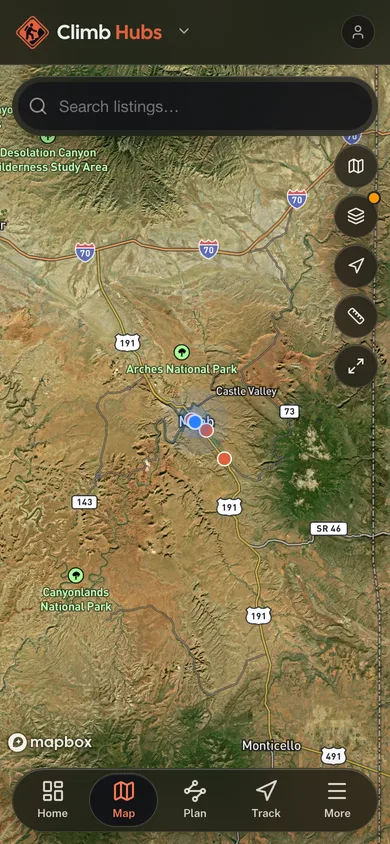
8 on the map
Tap a pin to open its profile.
Quick facts
- Crags mapped
- 5
- Gyms, guides and schools listed
- 8
- Best season
- October through May
Crag Explorer
Crags across South Carolina
Tap a crag to pinpoint it on the map, then open it for discipline, rock, and route count.
All listings
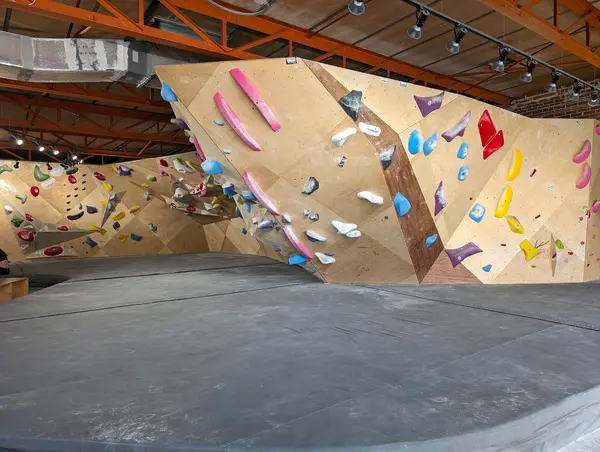
8 gyms, guides and schools
across South Carolina

Plan your trip
Plan your trip to South Carolina
Signature Rock Types
South Carolina's outdoor climbing is almost exclusively on granite and gneiss, particularly within the Blue Ridge Escarpment region. These rock types offer excellent friction but can be technical.
Climbing Season & Best Months
Fall (September-November) and Spring (March-May) are the prime outdoor climbing seasons due to mild temperatures and lower humidity. Summer is generally too hot and humid for extended outdoor sessions.
Indoor Gyms vs. Outdoor Crags
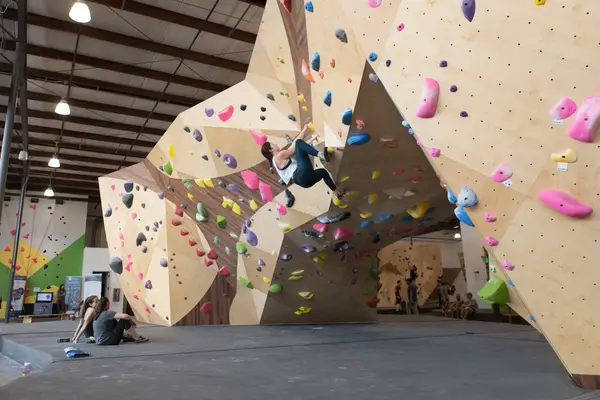
The state has a limited number of outdoor crags, primarily concentrated in the Upstate. A robust and growing network of indoor climbing gyms in major cities provides year-round climbing and training opportunities.
Defining Disciplines
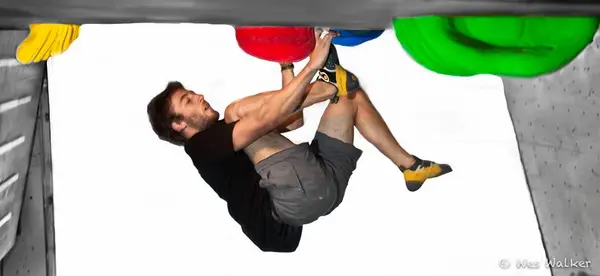
Bouldering is very popular on South Carolina's granite erratics and smaller formations. There are also sport and traditional climbing routes, predominantly in state parks and managed areas, requiring experience or guided instruction.
Access and Ethics
Most outdoor climbing areas are within state parks or managed lands, requiring adherence to park rules and Leave No Trace principles. Always check for seasonal closures, especially for raptor nesting, and respect fixed-anchor norms.
AMGA-Certified Guide Services
Several AMGA-certified guide services and climbing schools operate in South Carolina, offering instruction, guided trips, and outdoor education. These services are crucial for safely accessing and learning about local crags.
Confirm current requirements with the state agency before your trip. Rules and fees change every season.
State Park Entry Fees
Visitors accessing climbing areas within South Carolina State Parks are typically required to pay a daily admission fee charged per person. Annual passes are also available for frequent visitors.
Guided Service Permits
Commercial climbing guide services and schools operating on public lands, including state parks, generally need specific permits from the managing agency. Verify with your chosen guide service that they are properly permitted.
Leave No Trace Principles
All outdoor recreationists, including climbers, are expected to follow Leave No Trace principles to minimize their impact on natural areas. This includes proper waste disposal, staying on established trails, and respecting wildlife.
Raptor Nesting Closures
Certain climbing areas may implement temporary closures during raptor nesting seasons (at Table Rock, the peregrine falcon closure runs February 1 through August 15 on the Walker Buttress and Water Groove Wall), to protect sensitive bird populations. Always check local land manager websites for current information.
- 01
1. Research Your Destination
Indoor or outdoor first? For outdoor days, get specific about the Upstate crags: rock type, difficulty spread, and how access actually works. The good climbing here rewards homework.
- 02
2. Check Access and Regulations
Confirm entrance fees, hours, and climbing-specific rules for the state park or managed land you're headed to, and always check for seasonal raptor closures, which hit some of the best cliffs in spring.
- 03
3. Consider a Guide or School
The Upstate's granite is technical, and local knowledge is thin online. An AMGA-certified guide or a course at a climbing school gets you onto the right rock safely and skips a season of guesswork.
- 04
4. Prepare Appropriately
Pack the climbing gear, then over-pack the rest: water, snacks, first aid, and layers. Southern weather swings fast, and approaches to the better crags can be longer than the guidebook mileage feels.
- 05
5. Practice Leave No Trace
With so few crags, every one counts. Follow Leave No Trace strictly. Pack out everything, stay on established trails, and leave the rock clean. Continued access in South Carolina depends on it.
01What kind of outdoor climbing is available in South Carolina?
02When is the best time of year to climb outdoors in South Carolina?
03Are there climbing gyms in South Carolina?
04Do I need a permit to climb in South Carolina State Parks?
05Can I find guided climbing services or schools in South Carolina?
06What should I know about ethics and access for outdoor climbing?
Free tools
Your free outdoor toolkit
Everything Map
Listings, trails, spots, clubs and public land on a single full-screen map. Switch layers on and off, then tap any point for the details.
Open Everything MapCrags
Find climbing areas on a map with discipline, grade range, and how many routes each crag holds.
Open CragsRoute Planner
Drop stops on a map and watch distance and drive time add up. Export a GPX or share the link.
Open Route PlannerClimbing Clubs
Browse local clubs with meeting info and how to join, or start your own for free.
Open Climbing ClubsPhoto ID
Point your camera at whatever you found and get a structured identification. No signup.
Open Photo IDGear Checklists
Printable, save-as-you-go packing lists. Tick items off and pull them up on your phone.
Open Gear Checklists

Keep exploring