Rock Climbing · Washington
Rock Climbing in Washington
Climb 34 gyms, guides and schools across Washington. Maps, hours, contact info, photos, and verified operator profiles, all in one place.
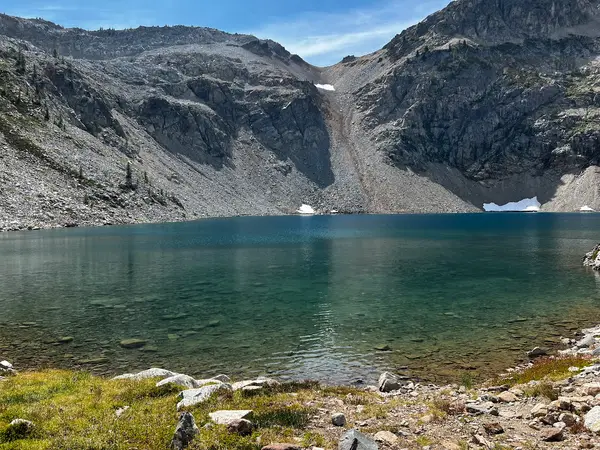
North Cascades, the Olympics, and 3,000 miles of saltwater coastline.
About Washington
Best time to go
When to climb in Washington
June through October.
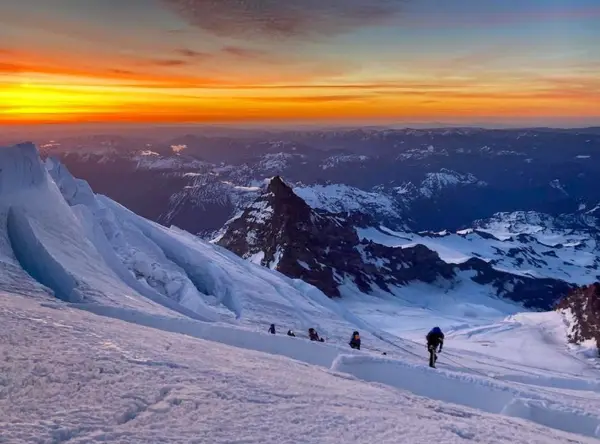
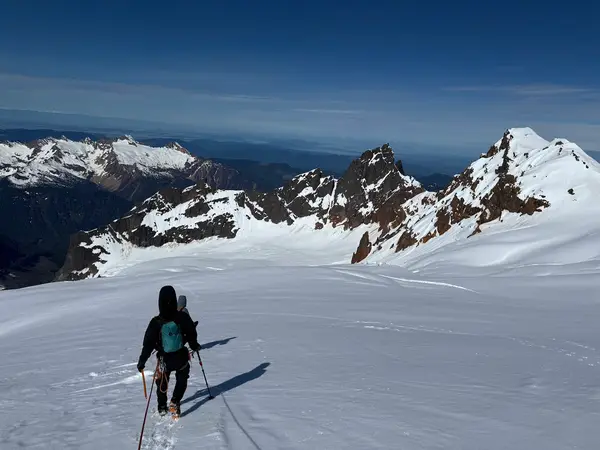
- June–September: alpine rock and high-elevation crags are in
- Watch afternoon thunderstorms, so start early and summit by noon
- Winter shifts to ice and mixed climbing
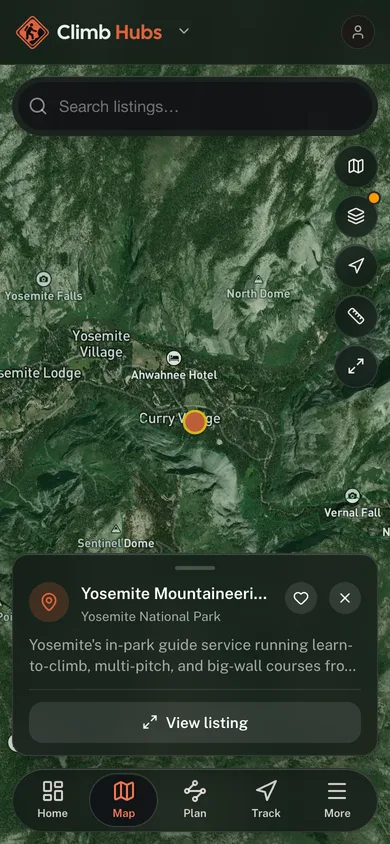
34 on the map
Tap a pin to open its profile.
Quick facts
- Crags mapped
- 324
- Gyms, guides and schools listed
- 34
- Best season
- June through October
All listings
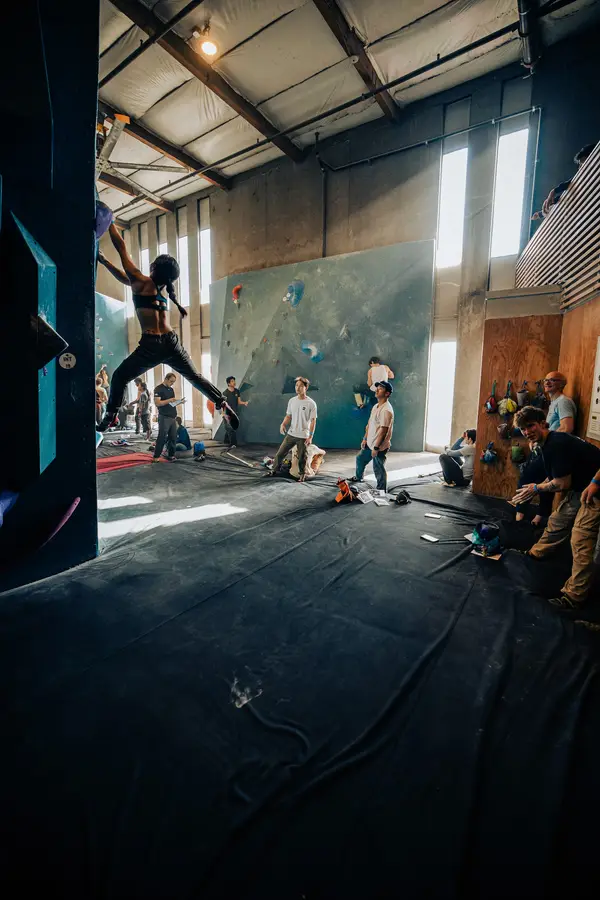
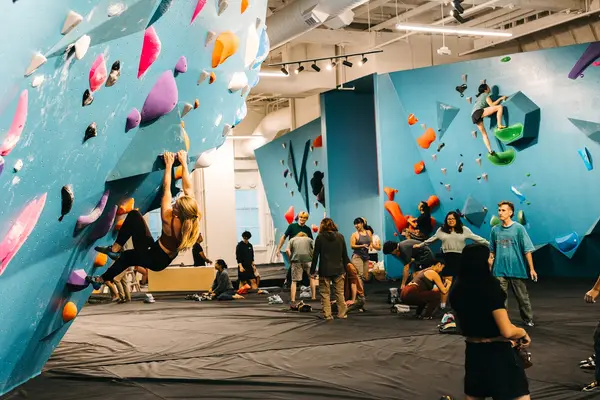
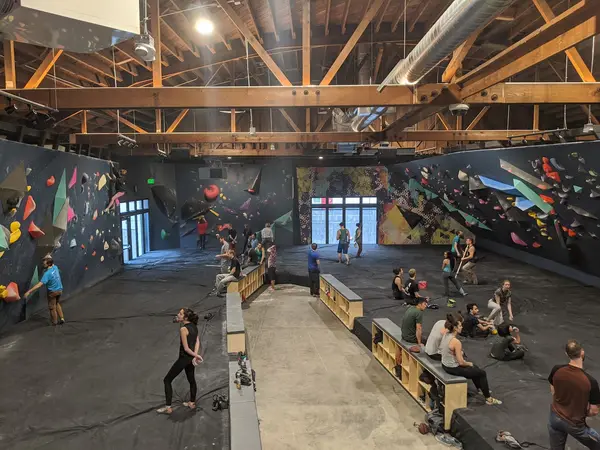
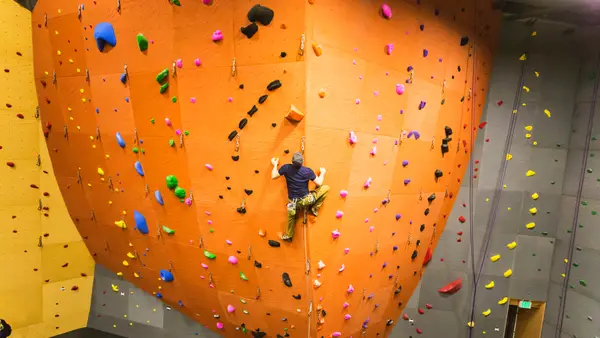
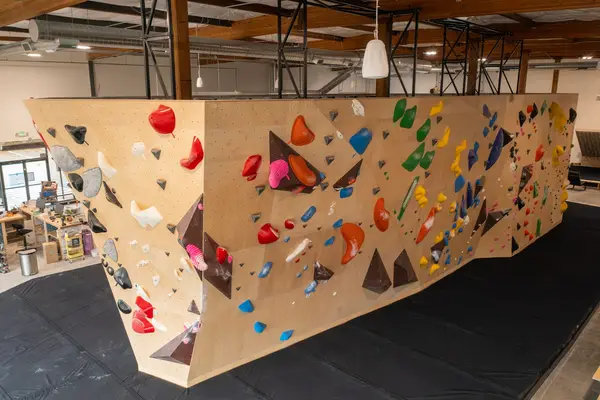
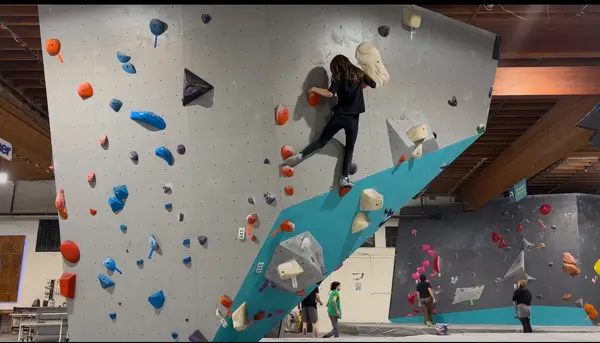
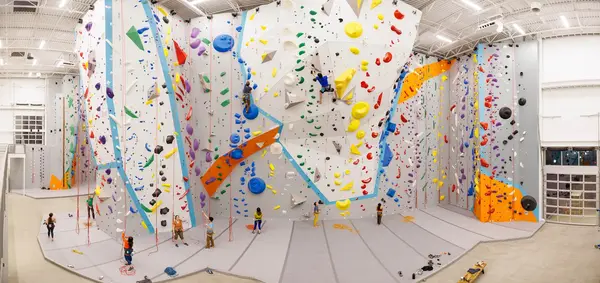
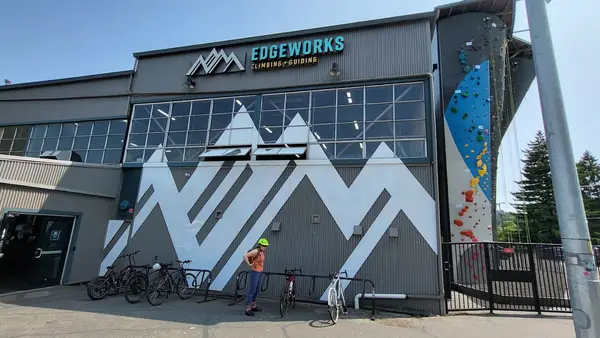
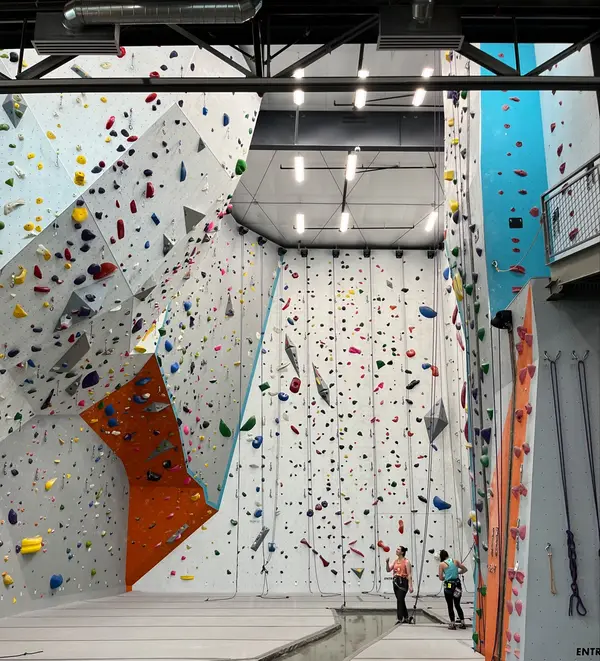
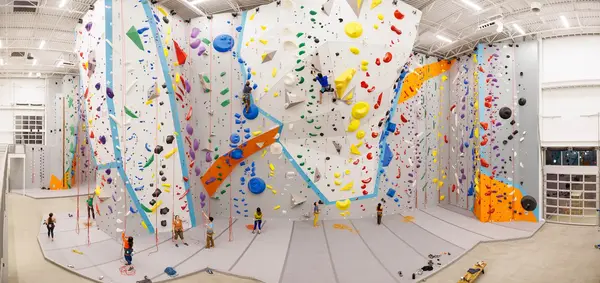
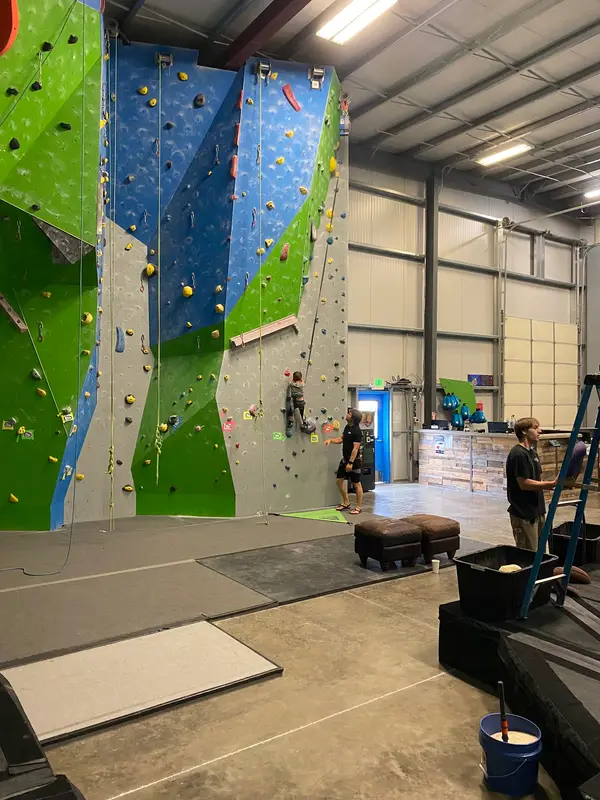
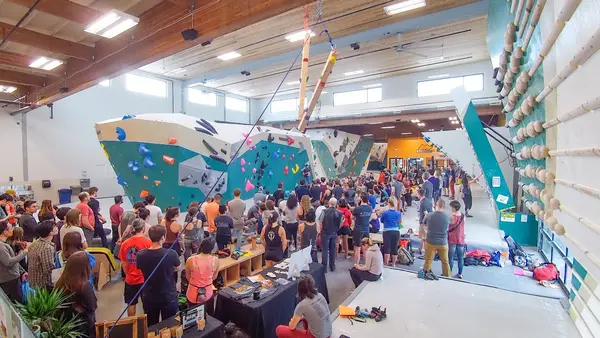
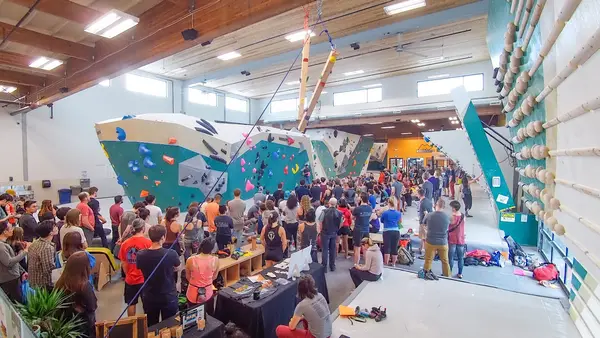
34 gyms, guides and schools
across Washington

Watch it live
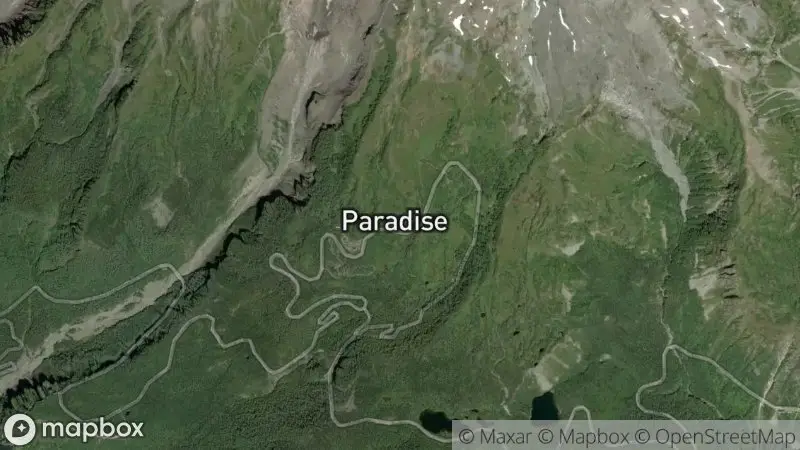
Live webcams in Washington
 Location
Mount Rainier Webcams
via National Park Service
Watch livePlan your trip
Plan your trip to Washington
Signature Rock Types and Areas
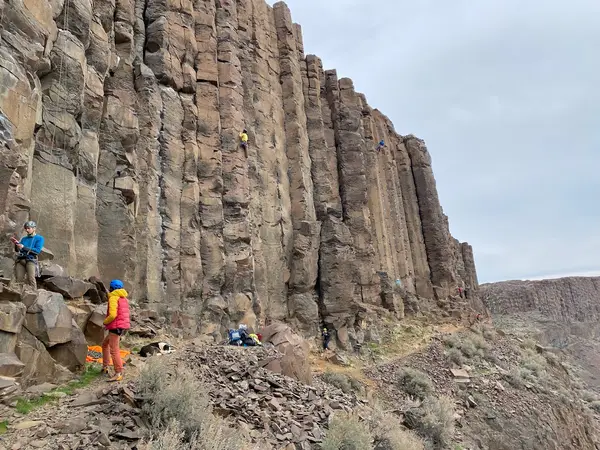
Washington is predominantly known for its high-quality granite in areas like Leavenworth, Index, and the North Cascades, offering everything from bouldering to multi-pitch trad. Basalt climbing is prominent in eastern Washington at crags like Vantage/Frenchman Coulee.
Climbing Season and Best Months
The prime outdoor climbing season runs from late spring through early fall (May-October), with July and August being ideal for alpine objectives. Lower-elevation crags can be climbed earlier/later, weather permitting.
Indoor Gyms vs. Outdoor Crags
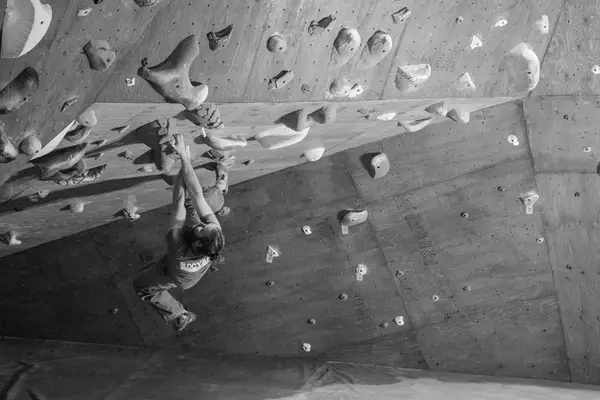
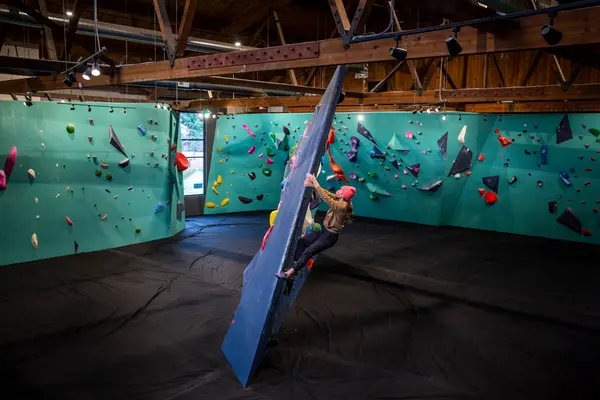
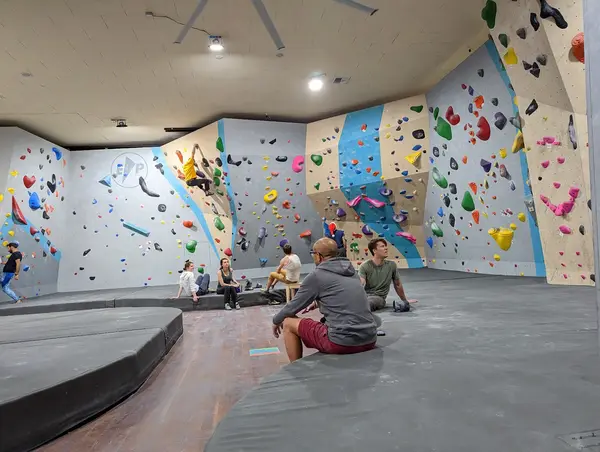
Washington boasts a robust network of indoor climbing gyms in major cities, providing year-round access, training, and community. These gyms are essential for skill development and staying fit, especially during the long wet season.
Defining Disciplines
Washington is a hub for traditional climbing, especially multi-pitch and alpine, given the extensive granite ranges. Sport climbing and bouldering are also highly developed, particularly in areas like Leavenworth and Vantage, catering to diverse climbing styles.
Access and Ethics
Climbers should be aware of seasonal raptor-nesting closures, particularly in spring. Bolting norms vary by area; generally, established crags have fixed anchors, but new routing often requires land manager approval. The Access Fund and local coalitions like the Washington Climbers Coalition are active in stewardship.
AMGA-Certified Guide Services
Many AMGA-certified guide services and climbing schools operate throughout Washington, offering instruction, guided ascents, and safety training across all disciplines, from gym-to-crag transitions to advanced alpine expeditions.
Confirm current requirements with the state agency before your trip. Rules and fees change every season.
National Forest Wilderness Permits
Many wilderness areas within Washington's National Forests require a permit for overnight stays, even if not directly for climbing. Some popular trailheads also require a Northwest Forest Pass for parking.
US Forest ServiceWashington State Parks Discover Pass
A Discover Pass is required to park on Washington's recreation lands managed by any of three agencies (State Parks, the Department of Natural Resources, or the Department of Fish and Wildlife (WDFW)), including the state's marquee basalt at Frenchman Coulee/Vantage, which sits on WDFW wildlife-area land rather than in a state park. This pass supports state recreation lands and facilities.
Washington State ParksCommercial Guiding Permits
Guide services operating on public lands (e.g., National Forests, National Parks, State Parks) are typically required to obtain special use permits or commercial operating agreements from the respective land management agency.
US Forest ServiceIndividual Climber Responsibility
While no specific state-wide climbing license exists for individuals, climbers are responsible for understanding and adhering to local regulations, including Leave No Trace principles, raptor closures, and fire restrictions, which vary by land manager and season.
- 01
Identify Your Climbing Style and Goals
Gym sessions, roadside bouldering, sport routes, trad cracks, or alpine summits, Washington offers all of it, and each demands different gear and preparation. Decide what you're after first; everything else follows from that.
- 02
Seek Local Instruction or a Guide
The terrain here punishes guesswork. If you're new to outdoor climbing or new to Washington, a climbing school or AMGA-certified guide buys you safety training, local knowledge, and usually the gear, a far better first investment than a rack you don't yet know how to place.
- 03
Acquire Necessary Permits and Passes
Sort your paperwork before the drive: a Discover Pass for state parks, a Northwest Forest Pass for many national forest trailheads, and wilderness permits where required. A ticket on the windshield is the cheapest lesson; a locked gate is worse.
- 04
Check Weather and Conditions
Washington weather rewrites plans constantly. Check forecasts, road conditions, and, in season, avalanche reports before committing, especially for anything in the mountains. The crag you planned for and the crag that's dry are often two different places.
- 05
Understand Local Access and Ethics
Learn the etiquette before you show up: Leave No Trace, crag-specific norms, and seasonal raptor-nesting closures that shift year to year. The Washington Climbers Coalition is the place to check what's currently open and what's expected.
01What is the best time of year to climb outdoors in Washington?
02Are there many climbing gyms in Washington?
03Do I need a permit to climb in Washington's National Forests or State Parks?
04What kind of rock climbing is Washington most famous for?
05Are there guide services available for climbers new to the state?
06Are there any specific environmental concerns or closures climbers should be aware of?
Free tools
Your free outdoor toolkit
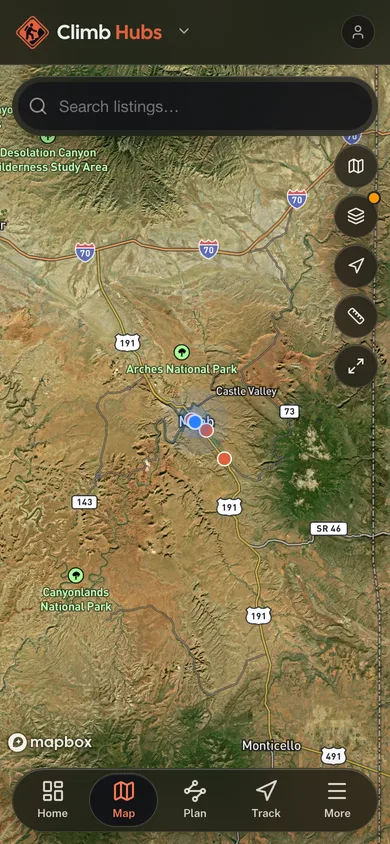
Everything Map
Listings, trails, spots, clubs and public land on a single full-screen map. Switch layers on and off, then tap any point for the details.
Open Everything MapCrags
Find climbing areas on a map with discipline, grade range, and how many routes each crag holds.
Open CragsRoute Planner
Drop stops on a map and watch distance and drive time add up. Export a GPX or share the link.
Open Route PlannerClimbing Clubs
Browse local clubs with meeting info and how to join, or start your own for free.
Open Climbing ClubsPhoto ID
Point your camera at whatever you found and get a structured identification. No signup.
Open Photo IDGear Checklists
Printable, save-as-you-go packing lists. Tick items off and pull them up on your phone.
Open Gear Checklists