Rock Climbing · Kansas
Rock Climbing in Kansas
Climb 6 gyms, guides and schools across Kansas. Maps, hours, contact info, photos, and verified operator profiles, all in one place.
Tallgrass prairie remnants and the Smoky Hills.
About Kansas
Best time to go
When to climb in Kansas
April through October.
- October–November: cool, dry, high-friction "send temps"
- Spring: good climbing between rain showers
- Summer: humid and greasy, so dawn patrol or head north
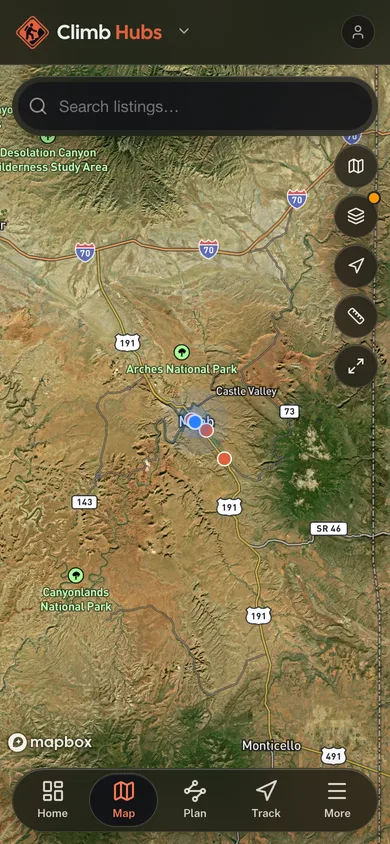
6 on the map
Tap a pin to open its profile.
Quick facts
- Gyms, guides and schools listed
- 6
- Best season
- April through October
All listings
6 gyms, guides and schools
across Kansas
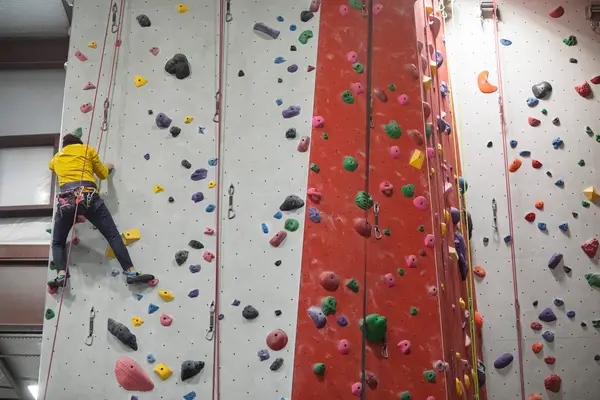
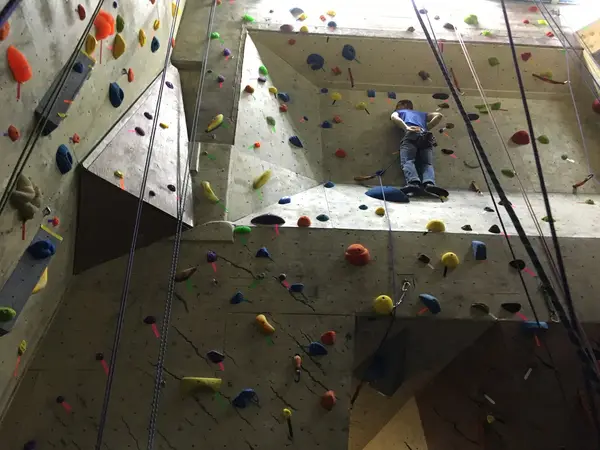

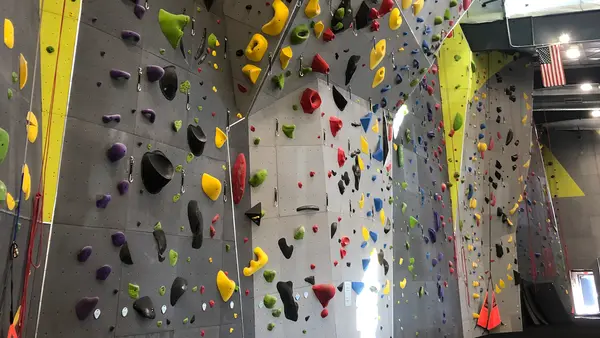
Plan your trip
Plan your trip to Kansas
Rock Types and Areas
Kansas primarily features limestone and sandstone. Outdoor climbing is found on river bluffs and in repurposed quarries, offering bouldering and some top-roping or short sport routes. The rock can sometimes be softer than in other regions, requiring careful holds and anchor placement.
Climbing Season
Fall (September-November) and Spring (April-May) offer the most favorable outdoor conditions with mild temperatures and lower humidity. Summer is hot and humid, while winter can be cold, making indoor climbing the primary option for much of the year.
Indoor vs. Outdoor
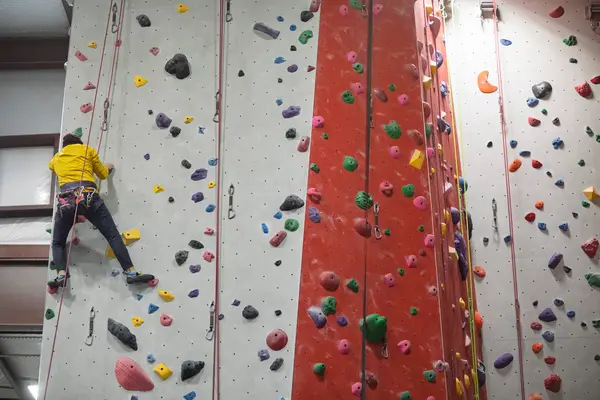
Kansas climbing is predominantly centered around its modern indoor gyms in cities like Kansas City, Wichita, and Lawrence. Outdoor crags are fewer, often smaller, and require more research for access and conditions.
Disciplines
Bouldering and top-roping are the most common outdoor disciplines. Sport climbing exists in limited, specific quarry settings, but traditional climbing is extremely rare due to the rock characteristics and terrain.
Access and Ethics
Most outdoor climbing areas are on private land or within smaller public parks. Respect for private property, Leave No Trace principles, and adherence to specific local regulations are paramount. Fixed anchors are generally sparse, and bolting norms are highly localized and often restrictive. Raptor nesting closures are not a significant concern for the limited crags in Kansas.
Guide Services
While AMGA-certified guides may operate in Kansas, they are more likely associated with larger guiding operations from neighboring states or with local gyms offering introductory outdoor experiences rather than dedicated Kansas-based crag guiding. Verify credentials directly with any guide service.
Confirm current requirements with the state agency before your trip. Rules and fees change every season.
Land Access Etiquette
Many potential climbing areas in Kansas are on private property. Always secure permission from landowners before accessing any private land for climbing. Failure to do so constitutes trespassing.
State Park Entry Fees
If climbing within a Kansas State Park or other state-managed recreation area, visitors may be required to pay an entrance fee or possess a valid state park vehicle permit. Verify specific requirements with the park office.
Commercial Guiding Permits
Guide services and climbing schools operating commercially on public lands (such as state parks or specific recreation areas) may be required to obtain special use permits or commercial operating licenses from the managing agency. Verify with the relevant land manager.
- 01
Find an Indoor Gym
Start at a gym in Kansas City, Wichita, or Lawrence. Rental gear, intro classes, and padded floors make it the right place to learn the basics before anything else.
- 02
Connect with the Local Community
The gym community is the map to Kansas climbing. Regulars know which bluffs are climbable, whose land they sit on, and what the local ethics are, none of which is written down anywhere.
- 03
Research Outdoor Crags and Access
Before any outdoor trip, do the homework. Many spots are small, sit on private land, or carry quirky access arrangements. Verify permission every time, assumptions here cost access for everyone.
- 04
Consider a Guided Experience
For a first day outside, a local guide or a gym-run outdoor clinic is worth the money. Anchors, softer rock, and unfamiliar terrain are exactly where instruction pays off.
- 05
Practice Leave No Trace Principles
Kansas access runs on goodwill. Pack out everything, stay on established paths, and leave the bluff cleaner than you found it, landowner relationships are the whole game here.
01Is there outdoor climbing in Kansas?
02What kind of rock will I find for climbing in Kansas?
03Are there climbing gyms in Kansas?
04Do I need a special permit to climb outdoors in Kansas?
05Are guide services or climbing schools available in Kansas?
06What is the best season for outdoor climbing in Kansas?
Free tools
Your free outdoor toolkit

Everything Map
Listings, trails, spots, clubs and public land on a single full-screen map. Switch layers on and off, then tap any point for the details.
Open Everything MapCrags
Find climbing areas on a map with discipline, grade range, and how many routes each crag holds.
Open CragsRoute Planner
Drop stops on a map and watch distance and drive time add up. Export a GPX or share the link.
Open Route PlannerClimbing Clubs
Browse local clubs with meeting info and how to join, or start your own for free.
Open Climbing ClubsPhoto ID
Point your camera at whatever you found and get a structured identification. No signup.
Open Photo IDGear Checklists
Printable, save-as-you-go packing lists. Tick items off and pull them up on your phone.
Open Gear Checklists


Keep exploring