Rock Climbing · Missouri
Rock Climbing in Missouri
Climb 21 gyms, guides and schools across Missouri. Maps, hours, contact info, photos, and verified operator profiles, all in one place.
Ozark spring rivers, the Missouri, and Mark Twain country.
About Missouri
Best time to go
When to climb in Missouri
April through October.
- October–November: cool, dry, high-friction "send temps"
- Spring: good climbing between rain showers
- Summer: humid and greasy, so dawn patrol or head north
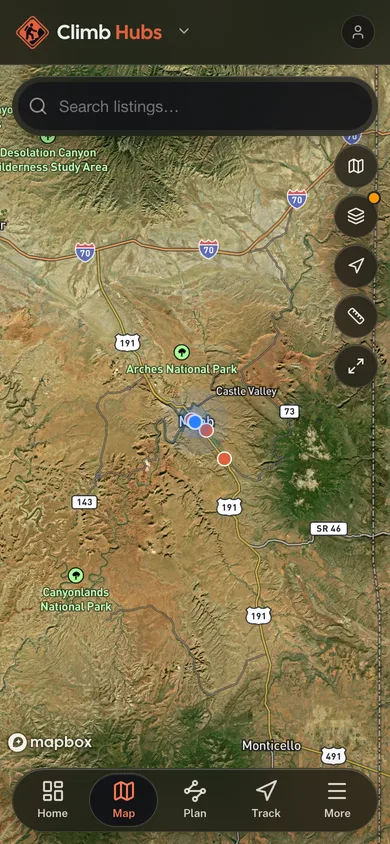
21 on the map
Tap a pin to open its profile.
Quick facts
- Crags mapped
- 22
- Gyms, guides and schools listed
- 21
- Best season
- April through October
All listings
21 gyms, guides and schools
across Missouri


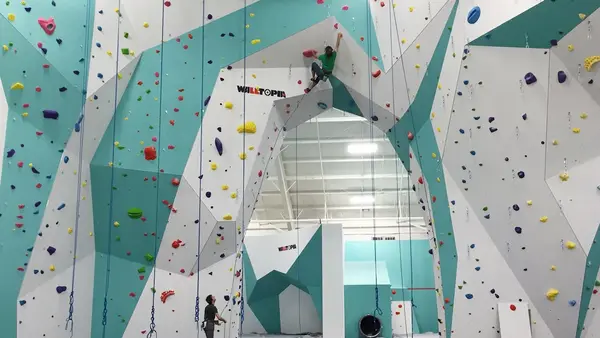
Plan your trip
Plan your trip to Missouri
Signature Rock Types and Areas
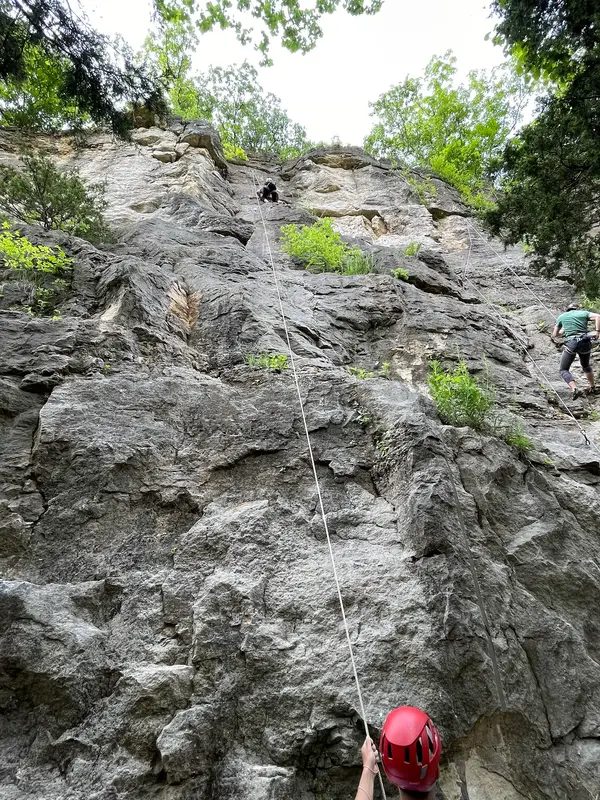
Missouri's climbing is defined by two main rock types: ancient St. Francois Mountain igneous rock: granite at Elephant Rocks State Park for excellent bouldering and top-roping, and rhyolite at Johnson's Shut-Ins State Park, where roped climbing is by permit and open only outside the summer season. Limestone crags are prevalent in the Ozarks, especially in southwest Missouri, providing sport climbing opportunities. Some scattered sandstone formations exist but are less common for developed climbing.
Climbing Season and Best Months
The shoulder seasons, particularly fall (September to November) and spring (March to May), offer the most favorable outdoor climbing conditions with mild temperatures. Summer is often too hot and humid, while winter can be cold but may present good climbing on sunny, dry days. Indoor gyms operate year-round, providing a consistent climbing environment.
Indoor Gyms vs. Outdoor Crags
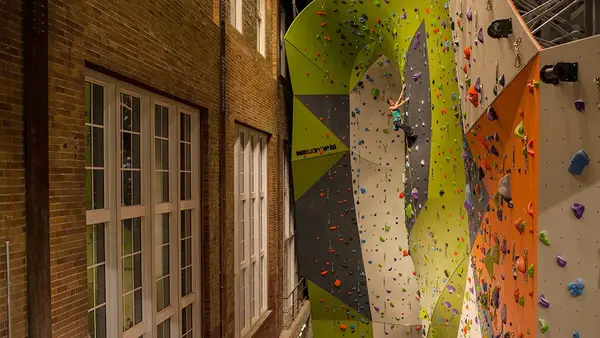
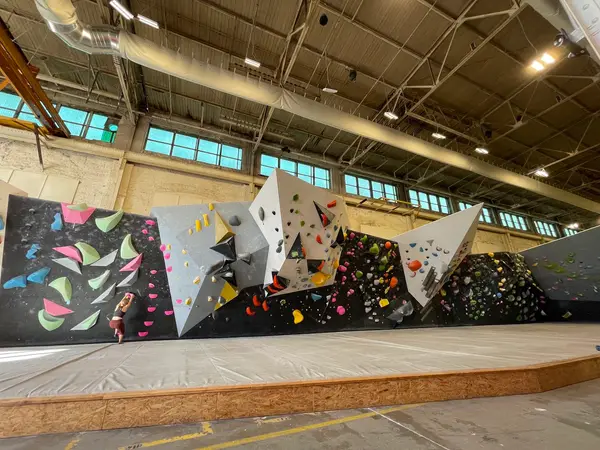
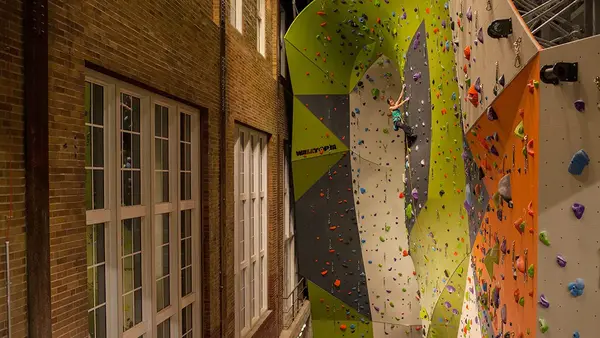
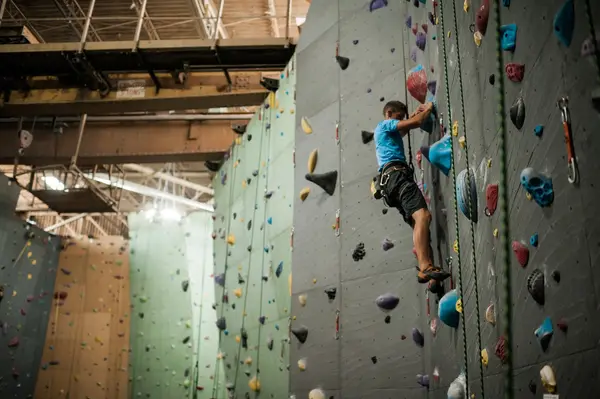
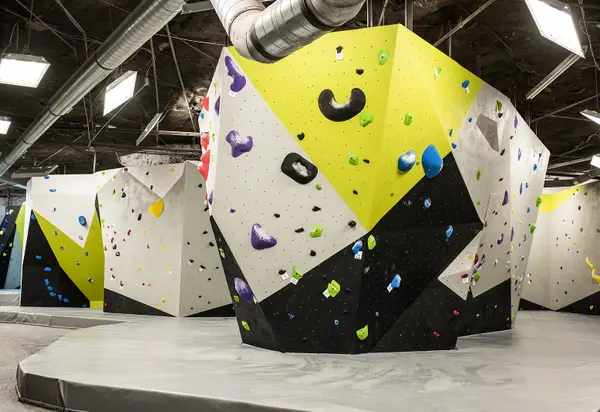
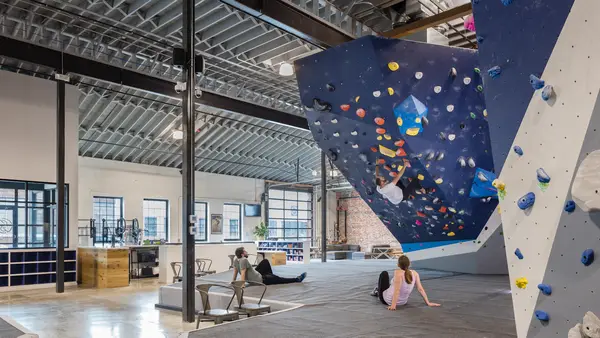
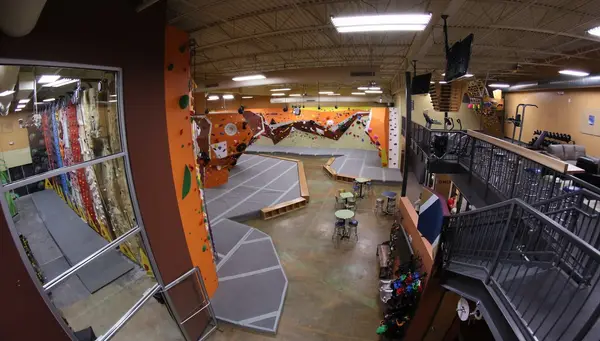
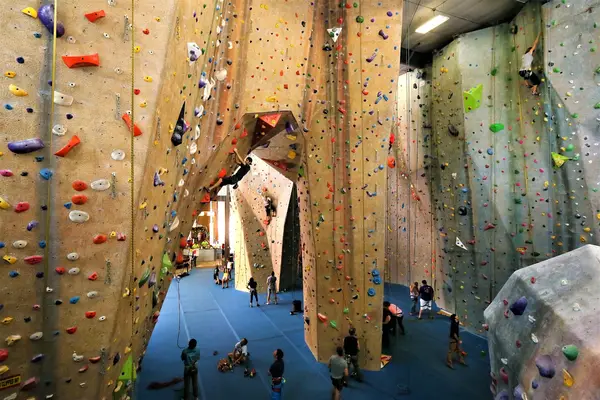
Missouri boasts a robust indoor climbing gym scene, especially in St. Louis and Kansas City, catering to all skill levels with bouldering, sport climbing, and training facilities. Outdoor crags, while less numerous than in some other states, offer unique experiences on granite and limestone, primarily focused on bouldering, top-roping, and sport climbing. Trad climbing is limited.
Access and Ethics
Climbing areas are primarily located within state parks and conservation areas, requiring adherence to Leave No Trace principles and specific park regulations. Fixed anchors are generally accepted where established, but bolting ethics should always align with local climbing organizations like the Access Fund and individual land manager rules. Seasonal raptor-nesting closures may occur; always check with park authorities before visiting.
Guide Services and Schools
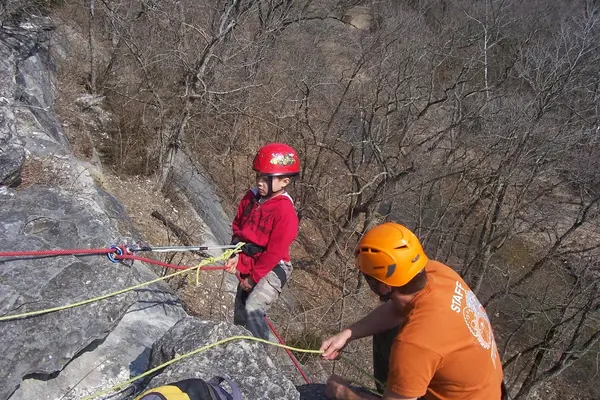
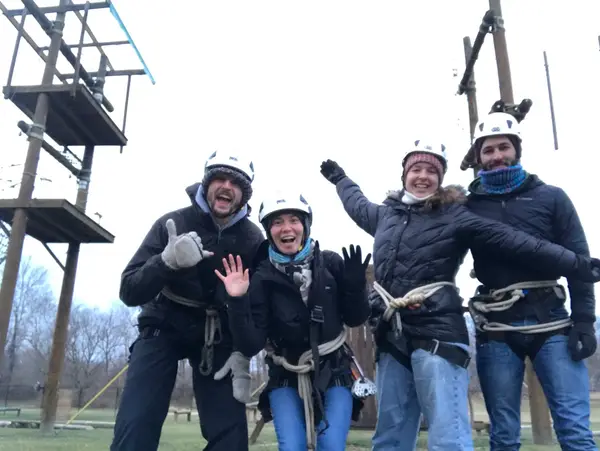
AMGA-certified guide services and climbing schools do operate in Missouri, offering instruction, guided trips, and skill development courses for all levels. These services are invaluable for safely accessing outdoor crags, learning proper techniques, and understanding local climbing ethics and regulations.
Confirm current requirements with the state agency before your trip. Rules and fees change every season.
Missouri State Park Regulations
All climbers must adhere to the specific rules and regulations of Missouri State Parks where climbing is permitted. This includes respecting park hours, designated climbing areas, and Leave No Trace principles to protect natural resources. Always verify current rules with the specific park before your visit.
Missouri State ParksMissouri Department of Conservation Area Regulations
When climbing on lands managed by the Missouri Department of Conservation (MDC), users are required to follow all MDC regulations for public use. These rules ensure the safety of visitors and the protection of wildlife and natural habitats. Specific climbing guidelines may vary by area; consult the MDC website or local office.
Commercial Guide Service Business Registration
Any commercial climbing guide service or school operating in Missouri must comply with state and local business registration and licensing requirements. This ensures legal operation and often involves proof of insurance and adherence to safety standards. Individual guides should verify requirements with the Missouri Secretary of State and relevant local authorities.
Responsible Recreation and Ethics
While not a formal permit, adherence to Leave No Trace principles is a crucial expectation and often enforced by land managers. This includes packing out all trash, staying on established trails, minimizing impact on vegetation, and respecting wildlife. Responsible climbing practices are vital for maintaining access to Missouri's outdoor climbing areas.
- 01
Define Your Climbing Goals
Gym sessions, outdoor bouldering, sport routes, or a guided introduction, decide what you're after first. The answer narrows Missouri's map considerably.
- 02
Research Locations and Access
Pick the gyms or crags that fit, then do the access homework for outdoor areas: park regulations, entry requirements, permits. State parks and conservation lands each run by their own rules.
- 03
Seek Instruction or Guidance
New to climbing, or to a discipline? A class at a local gym or a day with an AMGA-certified guide builds correct technique from the start, much cheaper than unlearning bad habits later.
- 04
Acquire Appropriate Gear
Rented shoes and a harness cover a gym day; an outdoor rack is a bigger commitment. Whatever you carry, inspect it, gear in good condition, matched to the climbing you actually plan to do.
- 05
Practice Leave No Trace Principles
Pack out trash, go easy on the chalk, stay on trails, give wildlife its space. Missouri's outdoor areas stay open because climbers treat them like they want to come back.
01What is the best time of year to climb outdoors in Missouri?
02What kind of rock can I expect to climb on in Missouri?
03Are there climbing gyms in Missouri?
04Do I need a permit to climb outdoors in Missouri State Parks or Conservation Areas?
05Are there guided climbing services or schools available in Missouri?
06What climbing disciplines are most common in Missouri?
Free tools
Your free outdoor toolkit
Everything Map
Listings, trails, spots, clubs and public land on a single full-screen map. Switch layers on and off, then tap any point for the details.
Open Everything MapCrags
Find climbing areas on a map with discipline, grade range, and how many routes each crag holds.
Open CragsRoute Planner
Drop stops on a map and watch distance and drive time add up. Export a GPX or share the link.
Open Route PlannerClimbing Clubs
Browse local clubs with meeting info and how to join, or start your own for free.
Open Climbing ClubsPhoto ID
Point your camera at whatever you found and get a structured identification. No signup.
Open Photo IDGear Checklists
Printable, save-as-you-go packing lists. Tick items off and pull them up on your phone.
Open Gear Checklists


Keep exploring