Rock Climbing · New Jersey
Rock Climbing in New Jersey
Climb 23 gyms, guides and schools across New Jersey. Maps, hours, contact info, photos, and verified operator profiles, all in one place.
Jersey Shore, Pine Barrens, and the Delaware Water Gap.
About New Jersey
Best time to go
When to climb in New Jersey
April through November.
- October–November: cool, dry, high-friction "send temps"
- Spring: good climbing between rain showers
- Summer: humid and greasy, so dawn patrol or head north
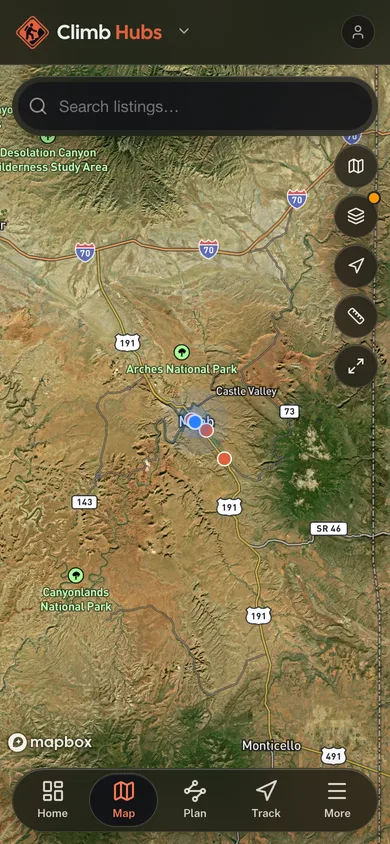
23 on the map
Tap a pin to open its profile.
Quick facts
- Crags mapped
- 36
- Gyms, guides and schools listed
- 23
- Best season
- April through November
All listings
23 gyms, guides and schools
across New Jersey



Plan your trip
Plan your trip to New Jersey
Signature Rock Types and Areas
New Jersey's most notable outdoor climbing is inland bouldering and trad, the diabase boulders of the Sourland Mountain Preserve and crags in parks like Allamuchy, since cliff climbing is prohibited on the Palisades. The Delaware Water Gap region also offers some climbing, often on hard quartzite and conglomerate, though many well-developed routes are on the Pennsylvania side.
Climbing Season and Best Months
The best outdoor climbing months are typically April-May and September-November. Fall offers stable, cool, and dry conditions, while spring can be excellent but requires attention to wet rock after thaws or rain. Summer is generally too hot and humid for sustained outdoor effort.
Indoor Gyms vs. Outdoor Crags
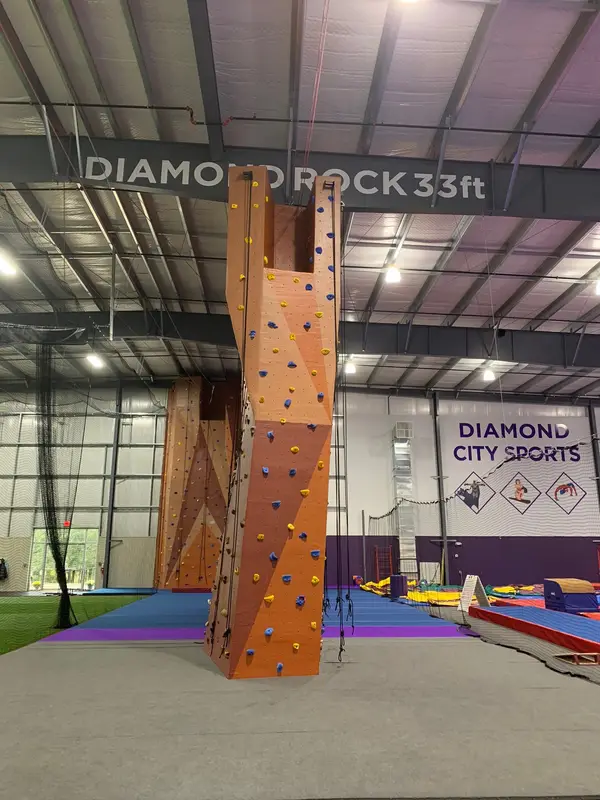
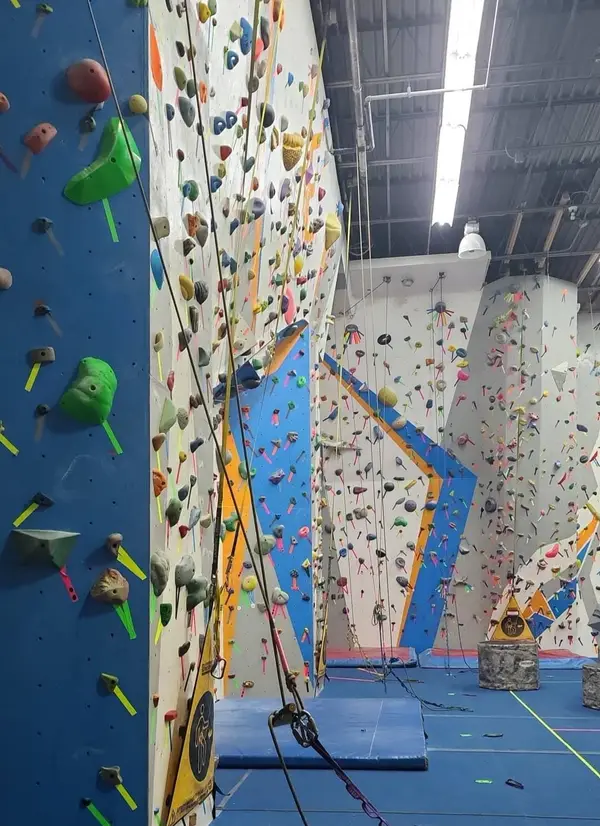
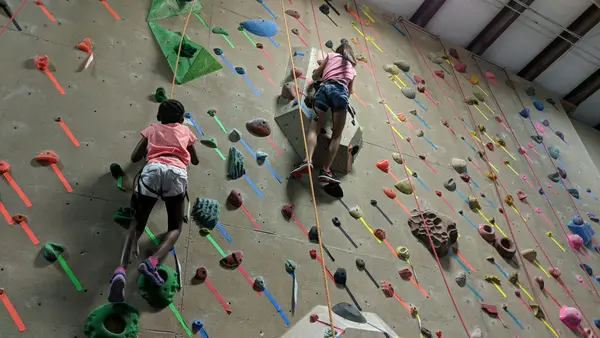
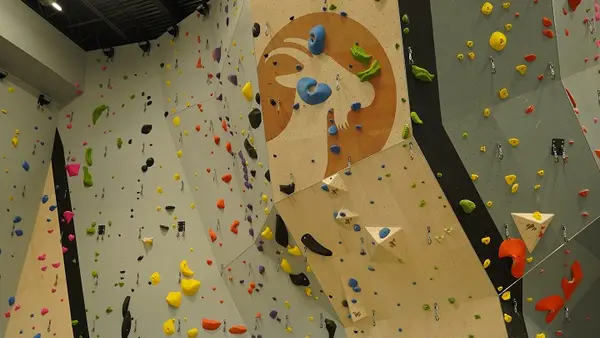
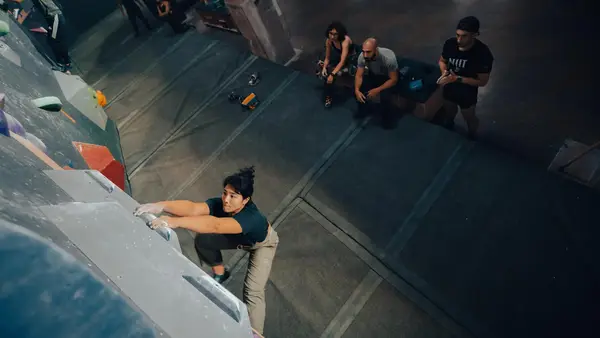
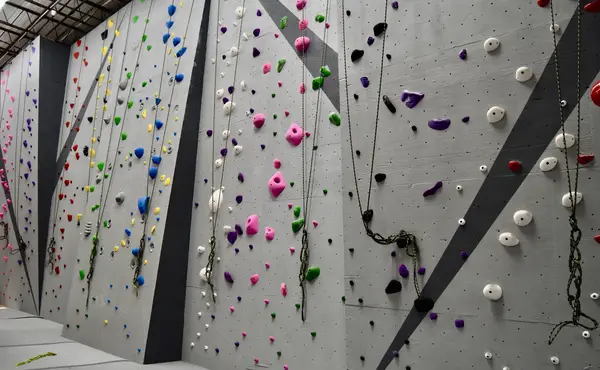
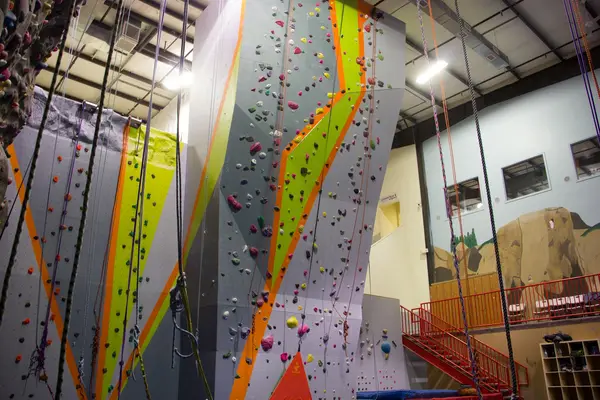
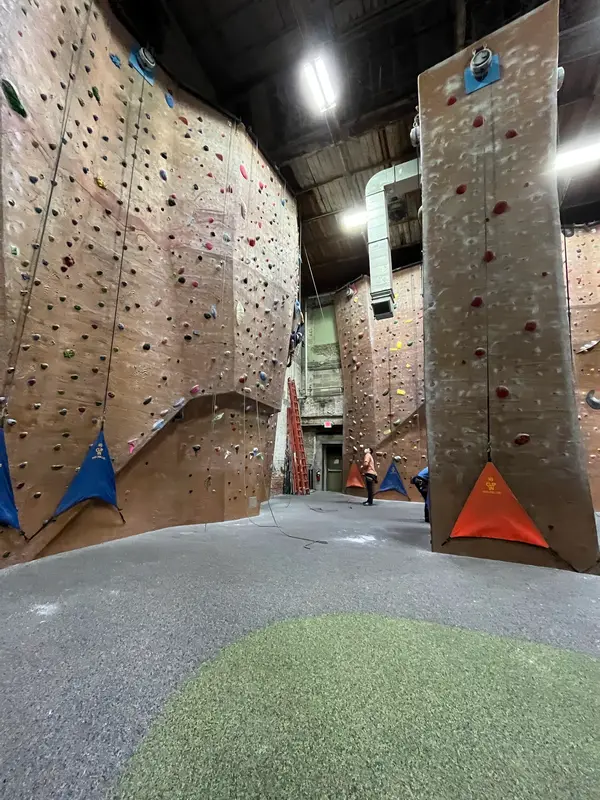
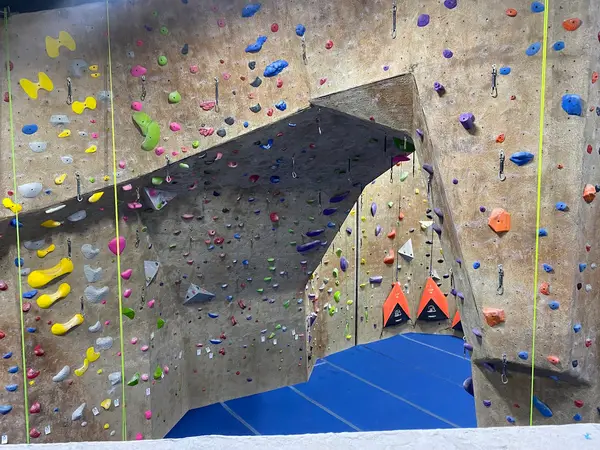
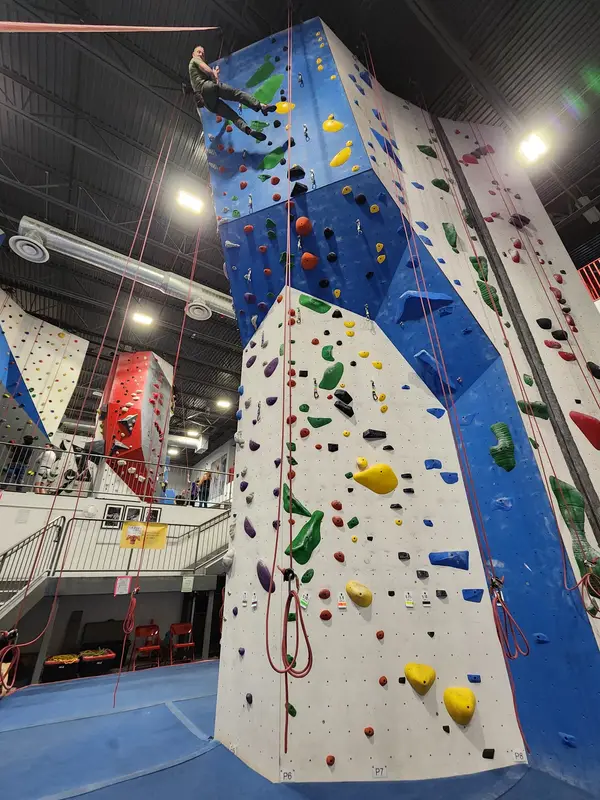
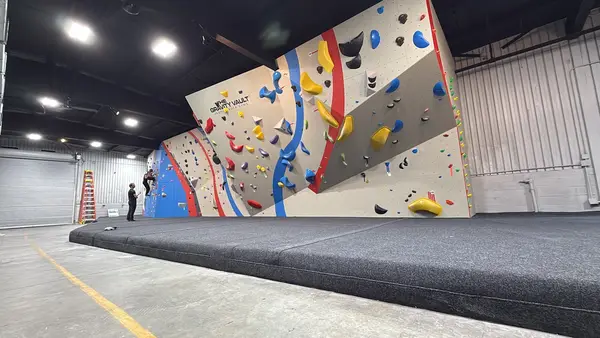
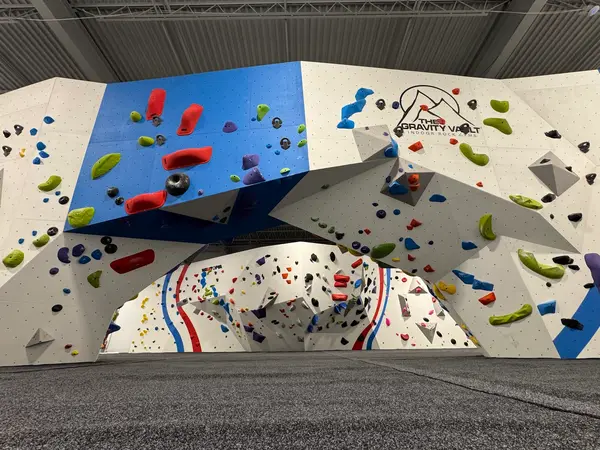
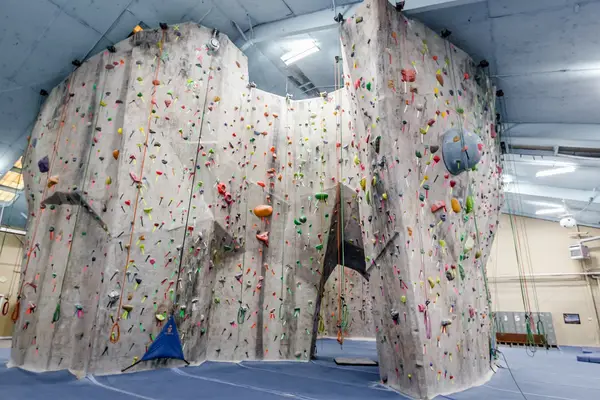
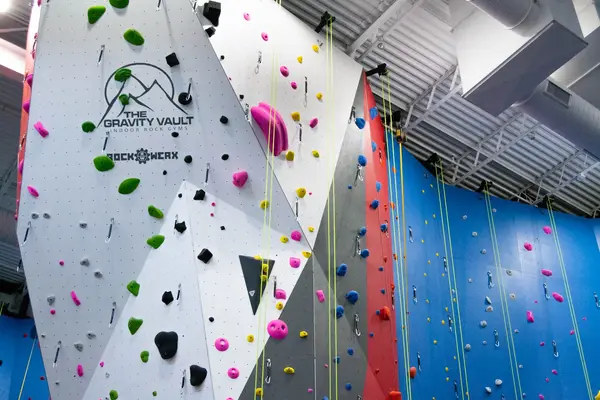
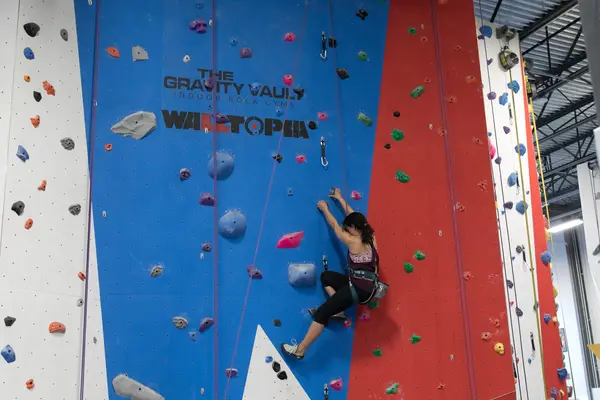
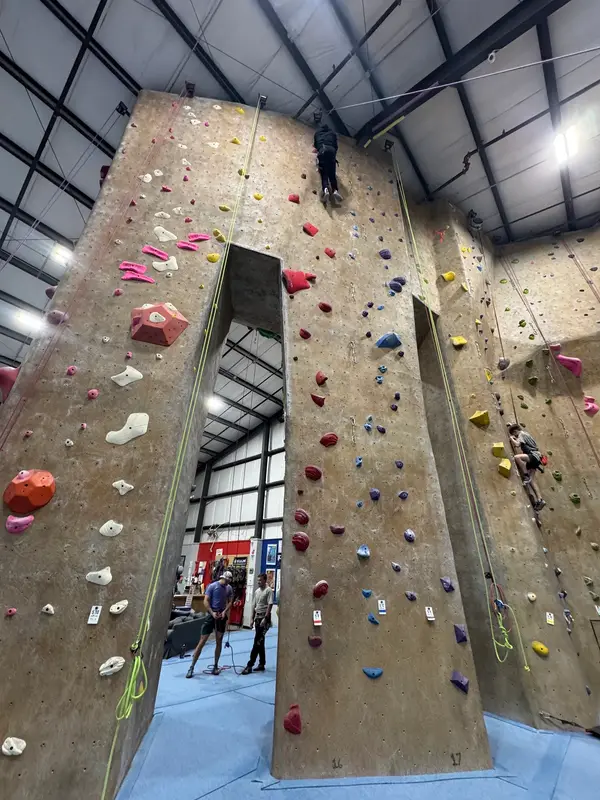
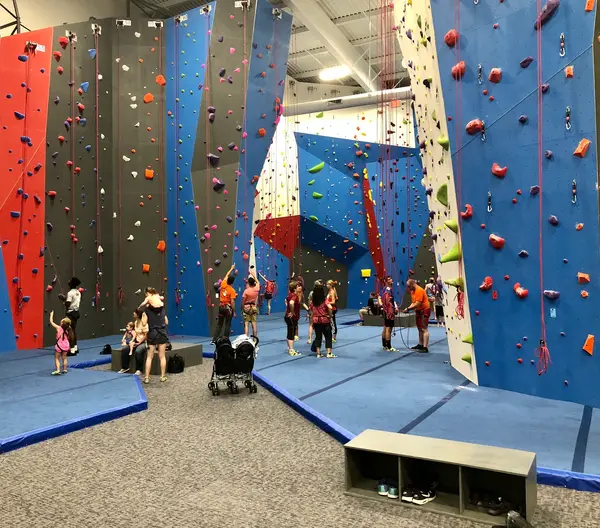
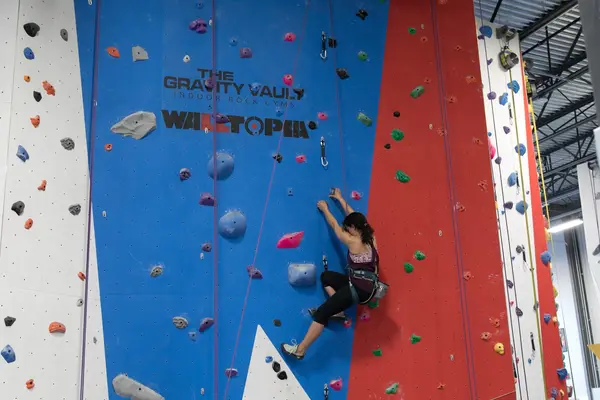
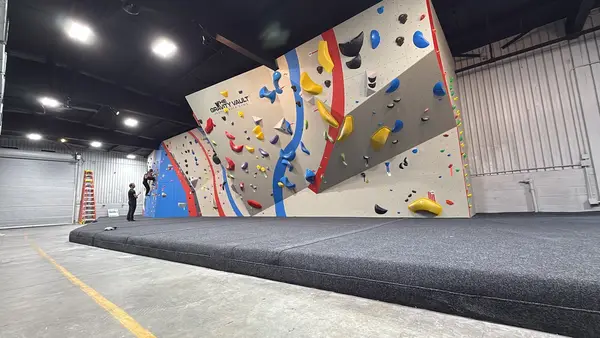
New Jersey has a strong indoor climbing gym presence, offering diverse routes and bouldering for all levels. Outdoor crags are fewer but provide unique challenges, primarily bouldering and traditional climbing. Sport climbing is very limited outdoors within the state's borders.
Disciplines and Ethics
Bouldering and traditional climbing are the defining outdoor disciplines. Fixed anchors and bolting norms are strict; new development is rare and requires careful consideration of land manager policies. Seasonal raptor-nesting closures can take cliff lines off the menu, so check with the land manager before you go. Always practice Leave No Trace principles.
Access and Stewardship
Access to many outdoor areas is managed by state parks or commissions (e.g., Palisades Interstate Park Commission). Permits may be required for certain activities or parking. Local climbing coalitions and the Access Fund are active in advocating for access and maintaining crags, and their guidelines should be followed. AMGA-certified guide services and schools operate throughout the state and region.
Land Manager Permits and Regulations
Some state parks or preserves may require specific permits for organized climbing activities or group access. Always check with the relevant land manager before planning a trip, especially for larger groups or commercial guiding operations, to ensure compliance with local rules and preserve access.
Confirm current requirements with the state agency before your trip. Rules and fees change every season.
Palisades Interstate Park Climbing Regulations
Cliff climbing is a prohibited activity in New Jersey's Palisades Interstate Park, climbing and bouldering are not allowed on the Palisades cliffs. New Jersey's legal climbing is elsewhere, on inland state parks and preserves such as Allamuchy and the Sourland Mountain Preserve; confirm the rules with the specific land manager before you go.
Palisades Interstate Park CommissionState Park Access Fees
Many New Jersey State Parks and Forests, including those with climbing access, may require an entrance or parking fee, especially during peak season. These fees vary and are typically paid upon entry or via an automated system.
Commercial Guiding Permits
Any commercial climbing guide service or school operating in New Jersey's state parks or managed lands must obtain the necessary commercial use permits. Requirements vary by jurisdiction and typically involve proof of insurance and adherence to operational guidelines. Verify specific requirements with the relevant state agency or park authority.
Raptor Nesting Closures
Certain cliff areas implement seasonal closures to protect nesting raptors. These closures are mandatory and vital for conservation. Always check for current closure information before planning your trip to avoid disturbing wildlife.
- 01
1. Identify Your Climbing Preference
Gym climbing, bouldering, or trad, pick your lane first. New Jersey's gym scene is deep, its outdoor areas lean heavily toward bouldering and traditional climbing, and outdoor sport routes barely exist inside state lines.
- 02
2. Research Specific Locations
For gyms, the websites cover hours, classes, and membership. For crags, dig into guidebooks and online resources for approach details, route info, and the fine print: permits, parking, closures.
- 03
3. Check Conditions and Regulations
Look at the forecast, then think about what fell earlier in the week, Jersey rock holds moisture after rain. Confirm access restrictions and raptor closures before you commit to the drive, and follow every posted sign.
- 04
4. Gather Essential Gear or Book a Guide
Bring the right kit for your discipline. If the outdoors is new territory, an AMGA-certified guide service is worth every dollar for instruction and judgment; many local gyms run outdoor clinics that bridge the gap.
- 05
5. Practice Leave No Trace Principles
New Jersey's climbing areas are small and heavily used. Pack out everything, stay on established trails, give wildlife its distance, and climb by local ethics, access here survives on good behavior.
01What kind of outdoor climbing is most prevalent in New Jersey?
02Are there good climbing gyms in New Jersey?
03Do I need a permit to climb outdoors in New Jersey?
04Are there any beginner-friendly outdoor climbing spots?
05When is the best time of year for outdoor climbing in New Jersey?
Free tools
Your free outdoor toolkit
Everything Map
Listings, trails, spots, clubs and public land on a single full-screen map. Switch layers on and off, then tap any point for the details.
Open Everything MapCrags
Find climbing areas on a map with discipline, grade range, and how many routes each crag holds.
Open CragsRoute Planner
Drop stops on a map and watch distance and drive time add up. Export a GPX or share the link.
Open Route PlannerClimbing Clubs
Browse local clubs with meeting info and how to join, or start your own for free.
Open Climbing ClubsPhoto ID
Point your camera at whatever you found and get a structured identification. No signup.
Open Photo IDGear Checklists
Printable, save-as-you-go packing lists. Tick items off and pull them up on your phone.
Open Gear Checklists


Keep exploring