Rock Climbing · Pennsylvania
Rock Climbing in Pennsylvania
Climb 23 gyms, guides and schools across Pennsylvania. Maps, hours, contact info, photos, and verified operator profiles, all in one place.
Allegheny National Forest, the PA Wilds, and the Appalachian Plateau.
About Pennsylvania
Best time to go
When to climb in Pennsylvania
April through November.
- October–November: cool, dry, high-friction "send temps"
- Spring: good climbing between rain showers
- Summer: humid and greasy, so dawn patrol or head north
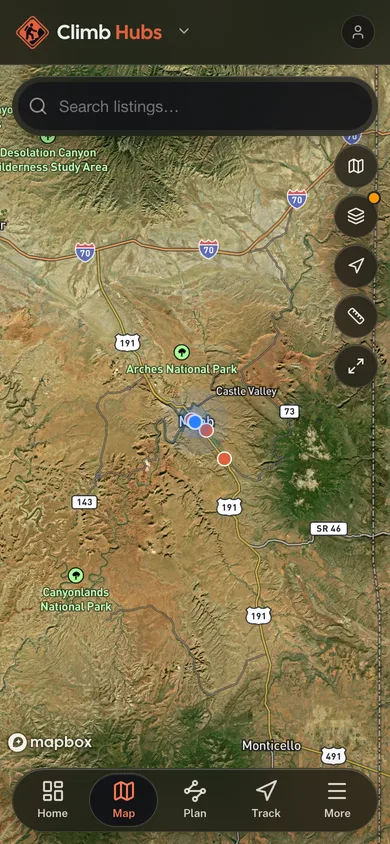
23 on the map
Tap a pin to open its profile.
Quick facts
- Crags mapped
- 110
- Gyms, guides and schools listed
- 23
- Best season
- April through November
All listings
23 gyms, guides and schools
across Pennsylvania
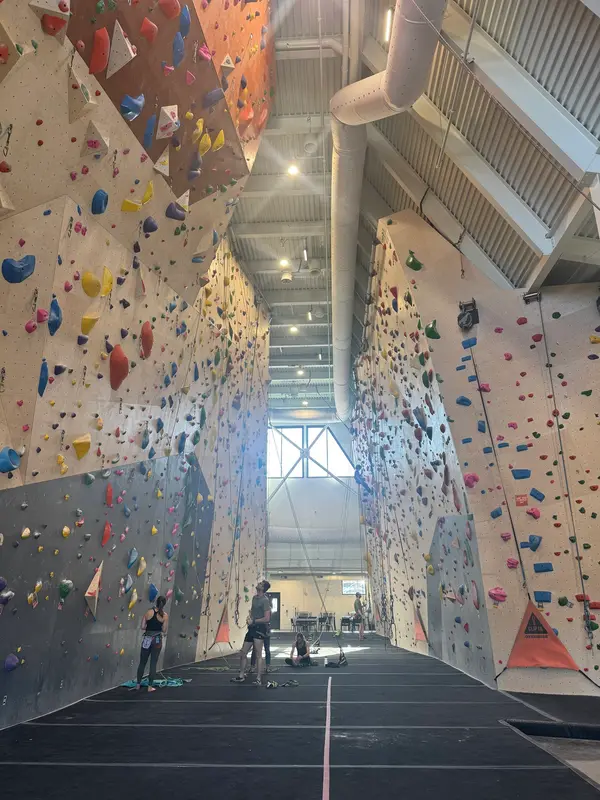
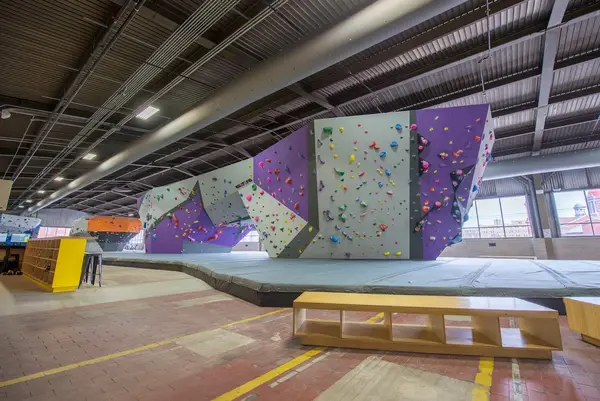
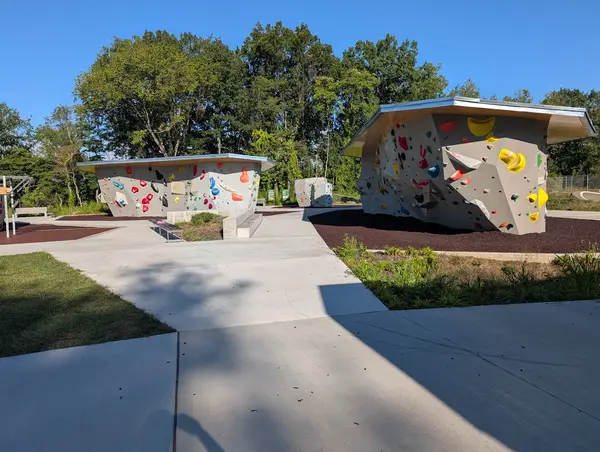
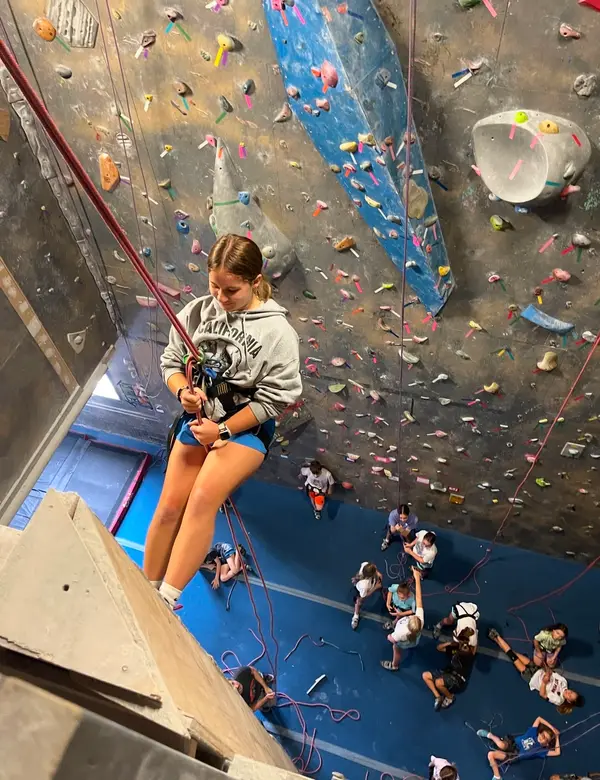

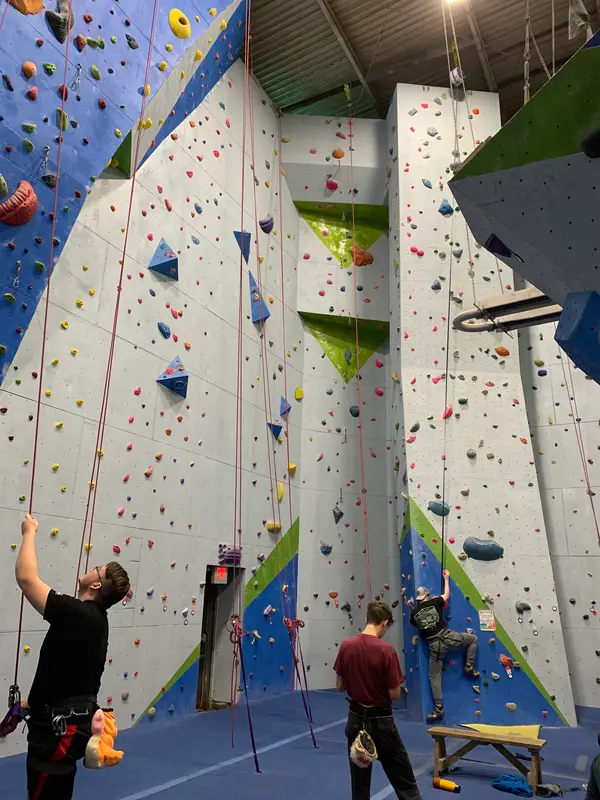
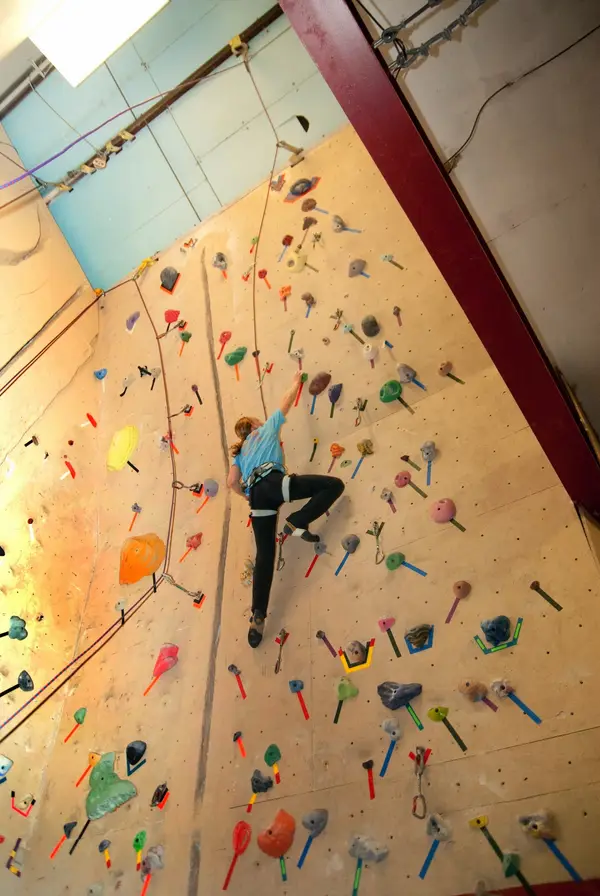
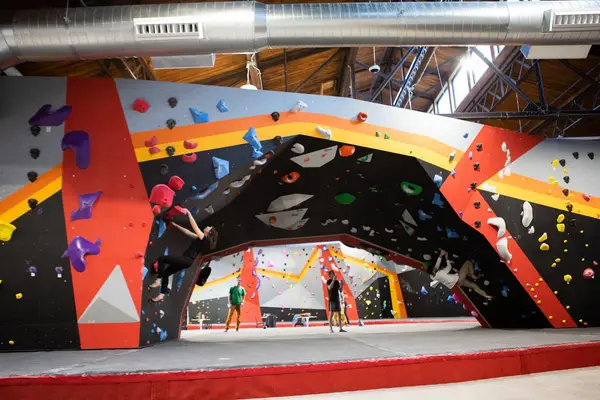
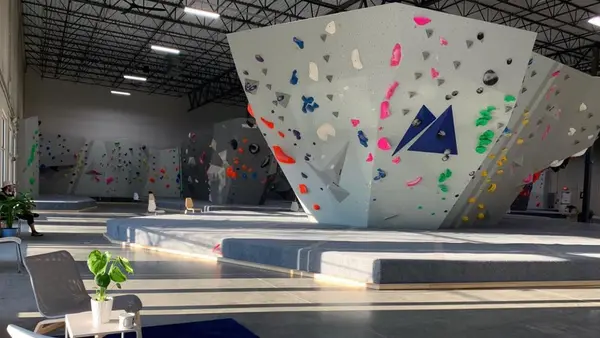
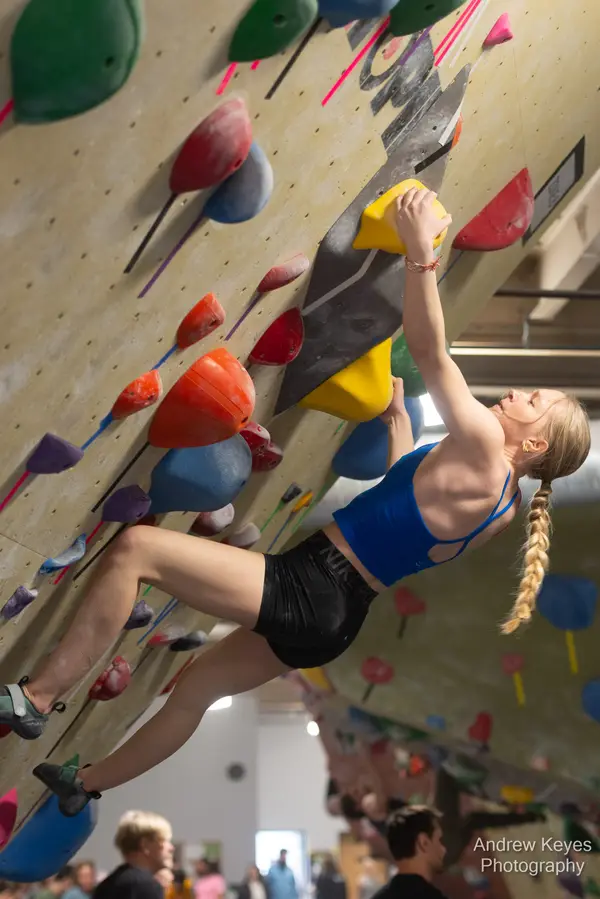
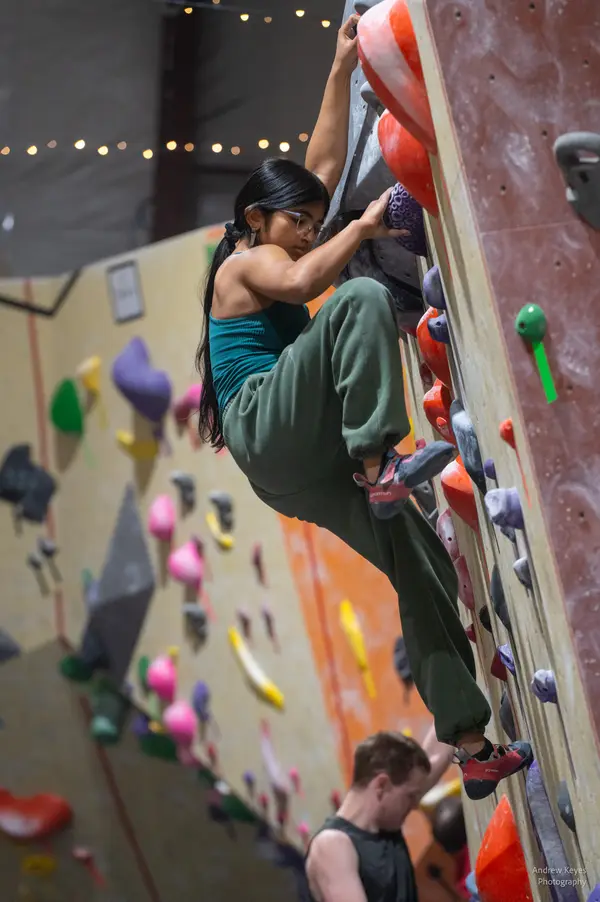
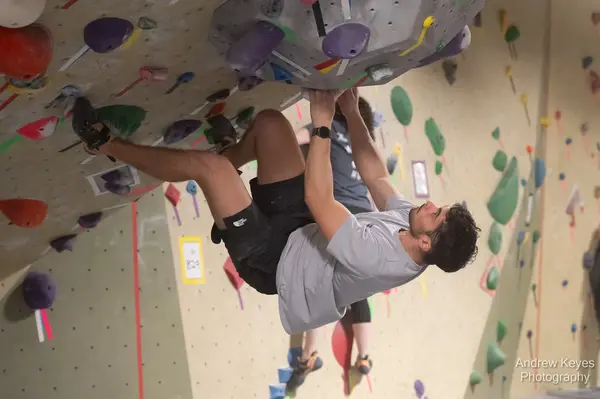
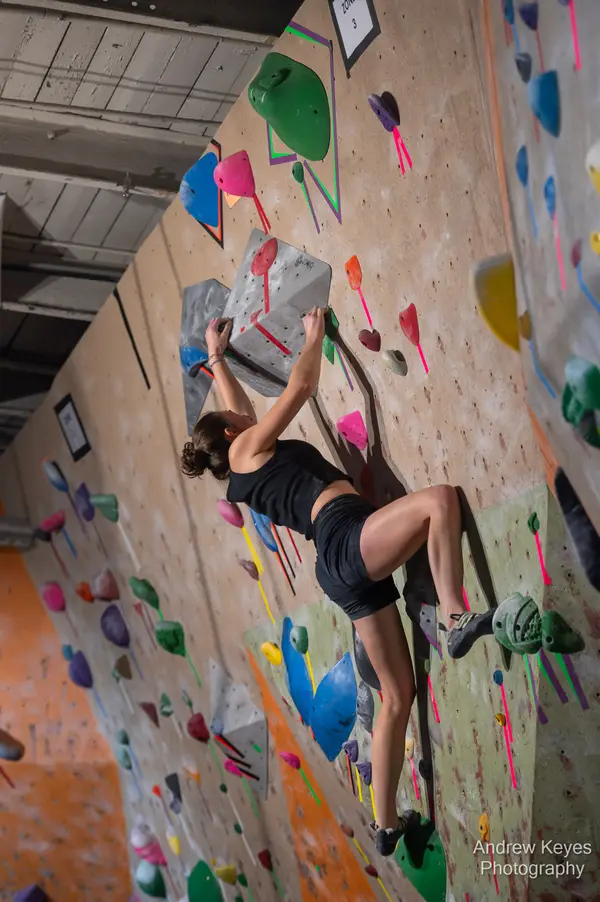

Plan your trip
Plan your trip to Pennsylvania
Signature Rock Types and Areas
Pennsylvania's climbing is primarily defined by its durable diabase, found at popular eastern crags like Haycock Mountain and Governor Stable, offering excellent bouldering. Western Pennsylvania features sandstone at McConnell's Mill State Park, known for its unique formations. Limestone crags are also present in specific regions.
Climbing Season and Best Months
The best outdoor climbing months are generally April-May and September-November, characterized by cooler temperatures and lower humidity. Summers can be hot and humid, pushing climbers indoors or to shaded crags, while winters are typically too cold for consistent outdoor activity, except for ice climbing in specific conditions.
Indoor Gyms vs. Outdoor Crags
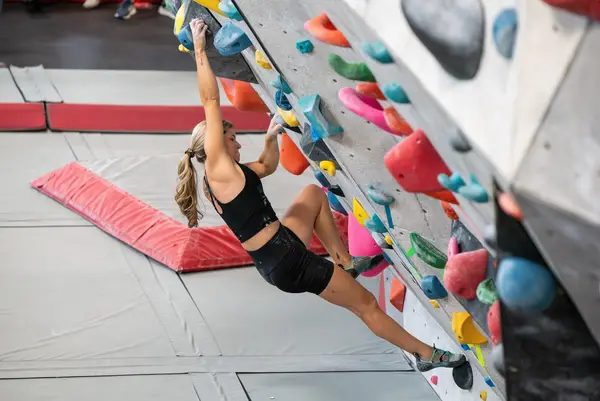
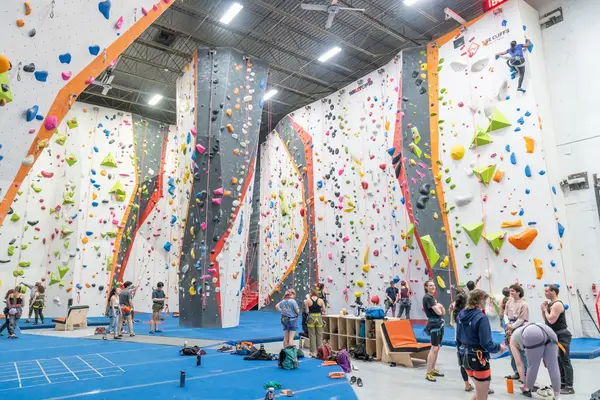
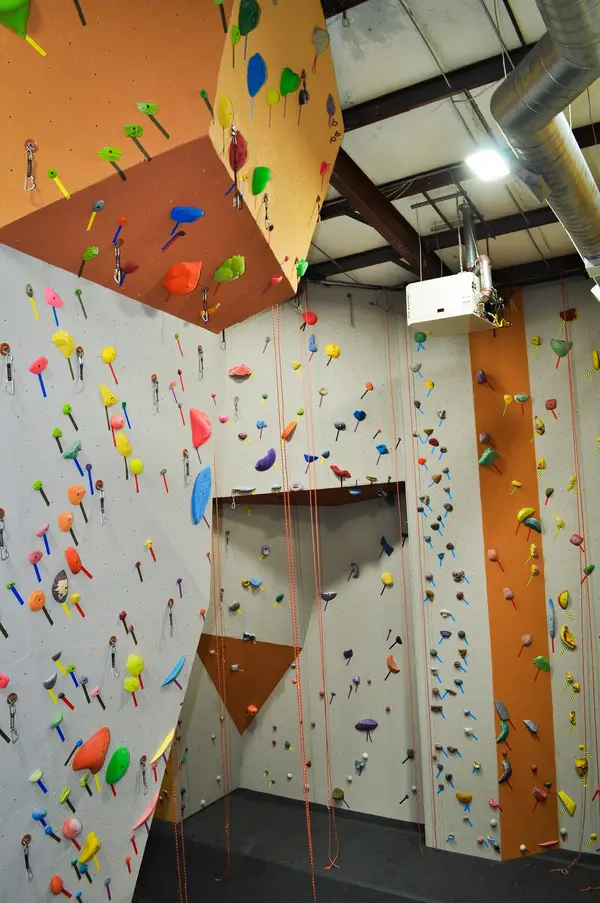
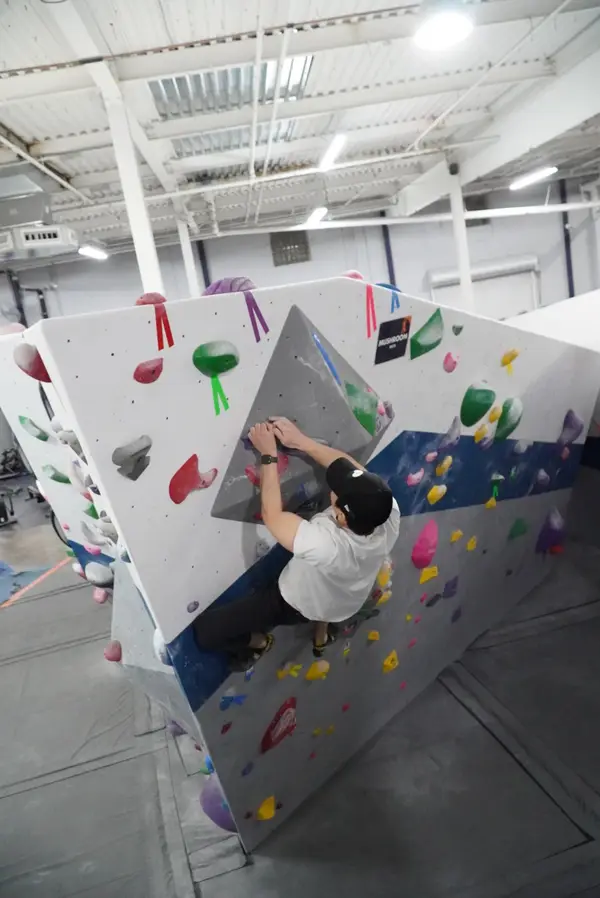
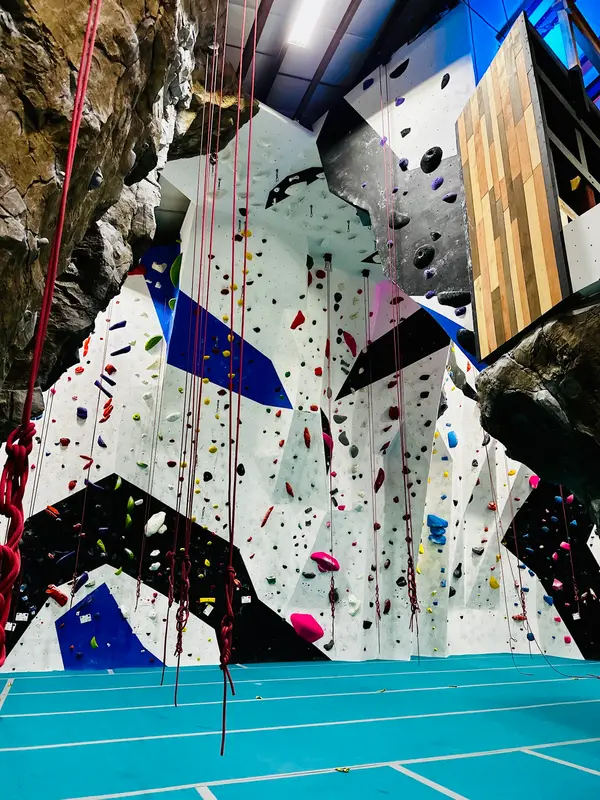
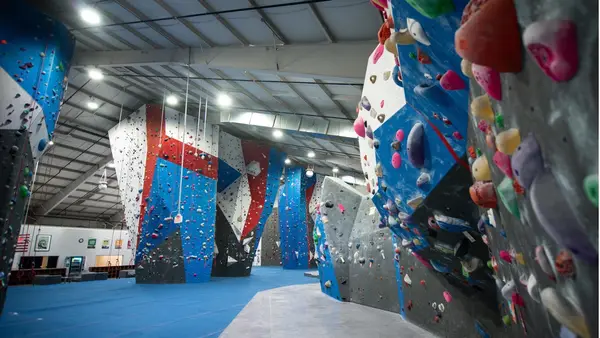
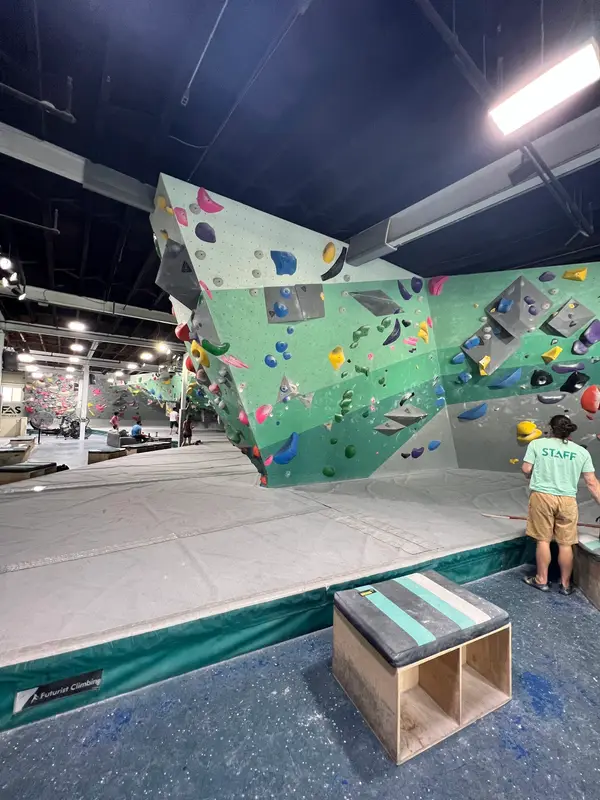
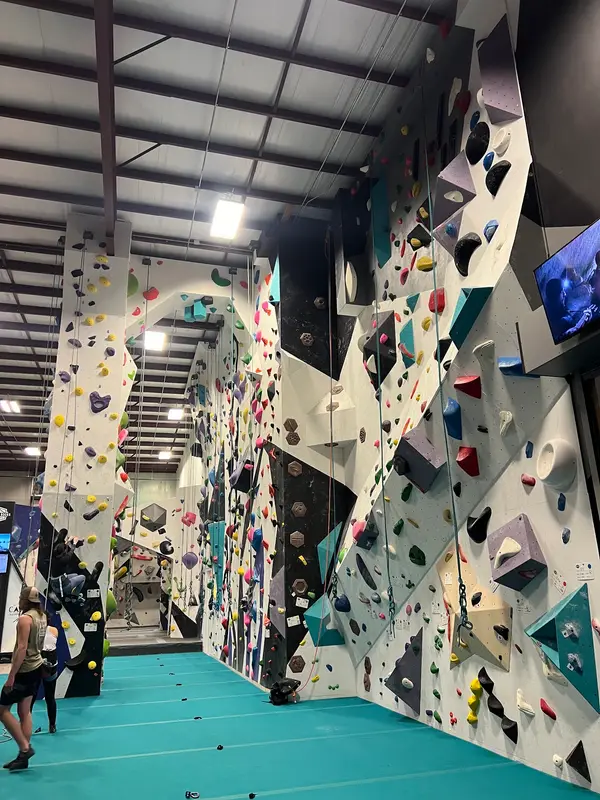
Pennsylvania boasts a robust network of indoor climbing gyms across its major cities, offering year-round training and community. Outdoor crags provide diverse experiences, from extensive bouldering fields to challenging trad and sport routes, often located within state parks and forests requiring adherence to DCNR regulations.
Defining Disciplines and Access Ethics
Bouldering and traditional climbing are prominent, especially on the state's diabase and sandstone. Sport climbing is also available at various crags, including some repurposed quarries. Access and ethics are critical; climbers must respect seasonal raptor-nesting closures, practice Leave No Trace principles, and be aware of fixed-anchor norms. Local organizations like the Eastern Pennsylvania Alliance of Climbers (EPAC) and South Central Pennsylvania Climbers work with land managers to ensure access.
Guide Services and Schools
AMGA-certified guide services and climbing schools operate throughout Pennsylvania, offering instruction and guided trips for all skill levels. These services are invaluable for learning proper techniques, safety protocols, and navigating specific outdoor climbing areas responsibly.
Confirm current requirements with the state agency before your trip. Rules and fees change every season.
State Park & Forest Regulations
Climbing in Pennsylvania's State Parks and Forests is subject to general park rules and specific DCNR regulations. These may include restrictions on group sizes, hours of operation, and adherence to Leave No Trace principles. Always check with the specific park or forest management office for local rules before climbing.
Commercial Guiding Permits
Commercial guide services and climbing schools operating on Pennsylvania state lands typically require Special Use Permits or Commercial Activity Permits from the Pennsylvania Department of Conservation and Natural Resources (DCNR). Verify with the DCNR or the specific land manager for current requirements and application procedures.
Raptor Nesting Closures
Many popular climbing areas in Pennsylvania implement seasonal closures to protect nesting raptors, such as peregrine falcons. These closures are critical for species conservation and are strictly enforced. Always check local climbing organization websites or land manager notices for current closure information before planning a trip.
- 01
1. Define Your Climbing Interest
Gym climbing, outdoor bouldering, sport, or trad, pick a lane first. The answer determines where you go, what gear you need, and which skills to build before anything else.
- 02
2. Research Specific Locations
Find the gyms or crags that fit your level and interest. Guidebooks, climbing apps, and local forums carry the current picture: which areas are developed, what the grades feel like, and where parking actually is.
- 03
3. Check Conditions and Access
Before an outdoor day, confirm the forecast, any active raptor closures, and the area's rules with the land manager or local climbing organization. Ten minutes of checking beats a two-hour drive to a closed crag.
- 04
4. Secure Gear or Guide Services
Get the right gear for the discipline, and be honest about your skill gap. For a first season outside or an unfamiliar crag, an AMGA-certified guide or a course at a local climbing school pays for itself in safety and speed of learning.
- 05
5. Understand and Practice Ethics
Learn Leave No Trace and the local norms (waste disposal, vegetation, fixed-anchor policies), before your first outdoor session. Access to Pennsylvania's crags is maintained by climbers behaving well, one visit at a time.
01What is the best time of year for outdoor climbing in Pennsylvania?
02Are there beginner-friendly outdoor climbing areas in Pennsylvania?
03Do I need a guide to climb outdoors in Pennsylvania?
04What types of rock will I encounter while climbing in Pennsylvania?
05Are permits required for outdoor climbing in Pennsylvania's state parks?
06How do I find climbing gyms and guide services in Pennsylvania?
Free tools
Your free outdoor toolkit
Everything Map
Listings, trails, spots, clubs and public land on a single full-screen map. Switch layers on and off, then tap any point for the details.
Open Everything MapCrags
Find climbing areas on a map with discipline, grade range, and how many routes each crag holds.
Open CragsRoute Planner
Drop stops on a map and watch distance and drive time add up. Export a GPX or share the link.
Open Route PlannerClimbing Clubs
Browse local clubs with meeting info and how to join, or start your own for free.
Open Climbing ClubsPhoto ID
Point your camera at whatever you found and get a structured identification. No signup.
Open Photo IDGear Checklists
Printable, save-as-you-go packing lists. Tick items off and pull them up on your phone.
Open Gear Checklists

Keep exploring