Rock Climbing · Alabama
Rock Climbing in Alabama
Climb 14 gyms, guides and schools across Alabama. Maps, hours, contact info, photos, and verified operator profiles, all in one place.
Gulf coast, river deltas, and pine-belt forests stretching to the Tennessee border.
About Alabama
Best time to go
When to climb in Alabama
October through May. Coastal heat and humidity peak in summer.
- October–November: cool, dry, high-friction "send temps"
- Spring: good climbing between rain showers
- Summer: humid and greasy, so dawn patrol or head north
14 on the map
Tap a pin to open its profile.
Quick facts
- Crags mapped
- 12
- Gyms, guides and schools listed
- 14
- Best season
- October through May
All listings
14 gyms, guides and schools
across Alabama
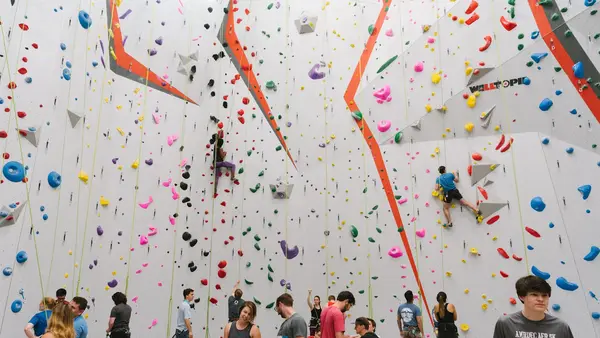
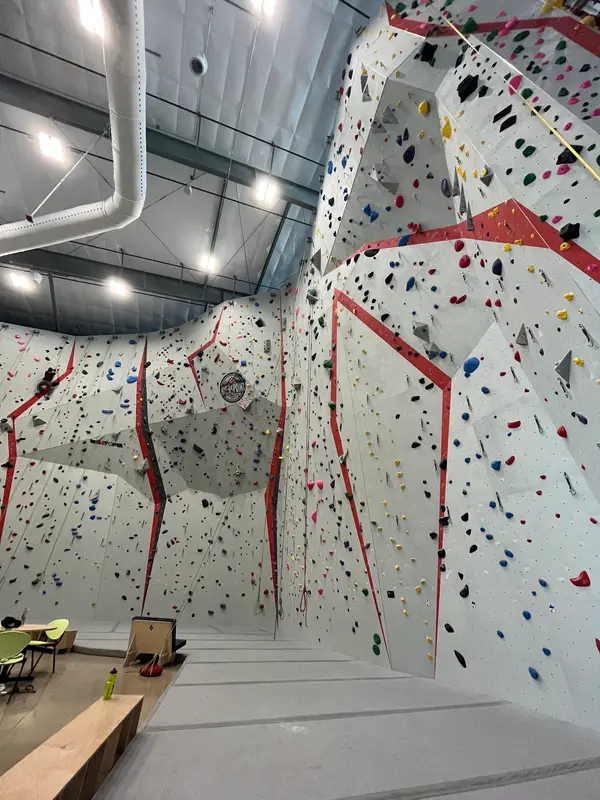
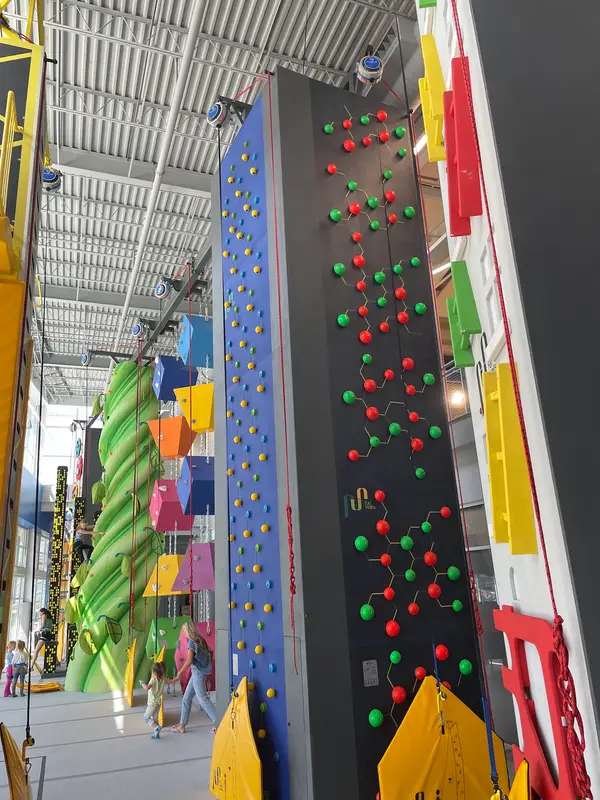
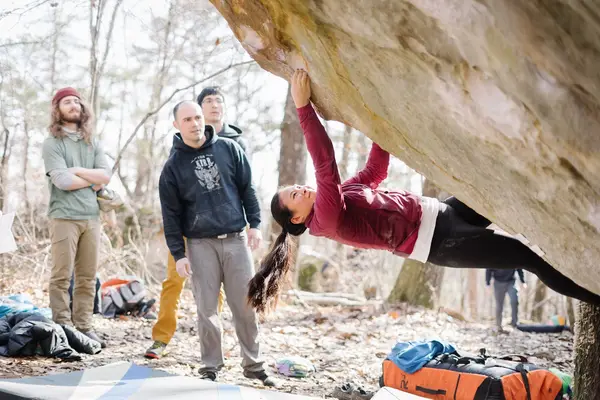
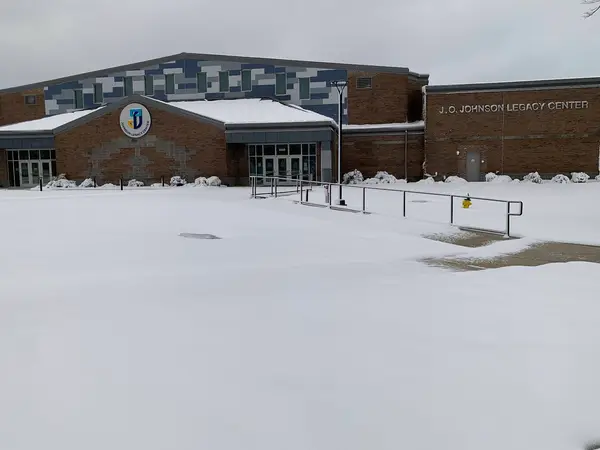
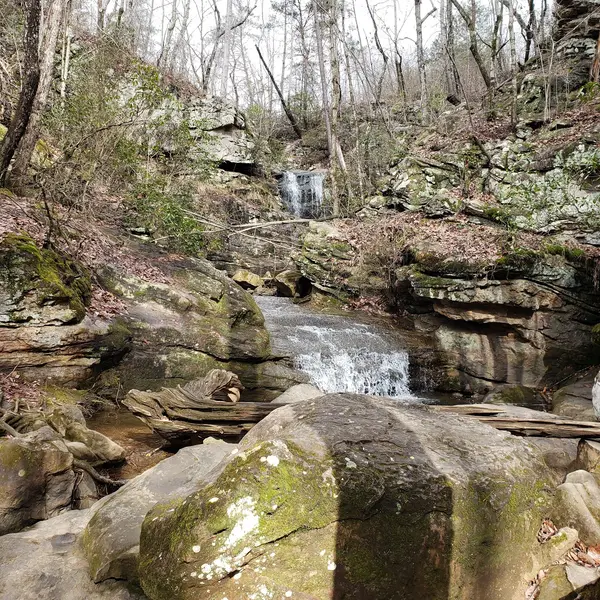
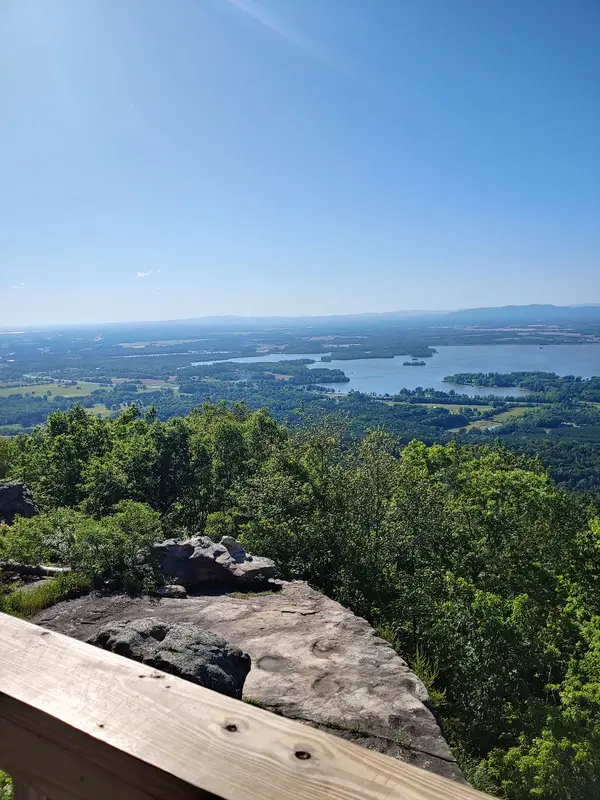
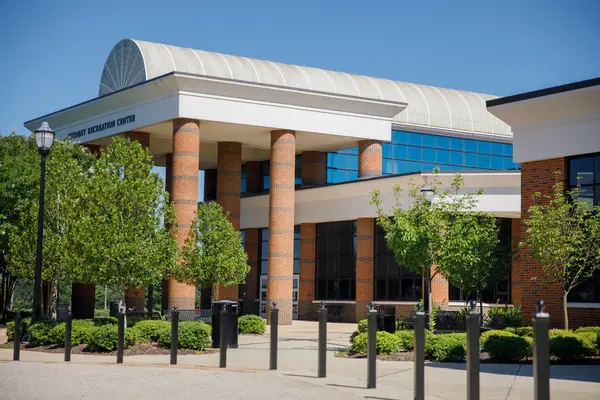
Plan your trip
Plan your trip to Alabama
Signature Rock Type
Alabama is predominantly known for its high-quality sandstone, offering a wide range of climbing styles from technical slabs to steep overhangs. This rock type is found in most major climbing areas.
Climbing Season
The prime outdoor climbing seasons are fall (October-November) and spring (March-April). Winter can also provide excellent climbing on sunny, cooler days, while summer is generally too hot and humid for extensive outdoor activity.
Indoor vs. Outdoor Opportunities
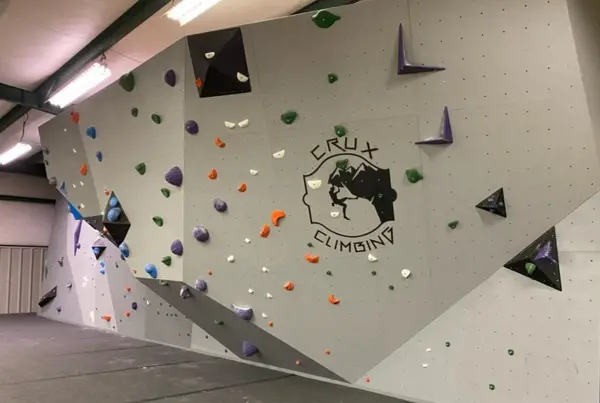
Alabama boasts a growing network of indoor climbing gyms in its major cities, providing year-round access and training. These facilities complement the extensive outdoor sandstone crags found across the state, offering a balanced climbing experience.
Dominant Climbing Disciplines
Bouldering and sport climbing are the most prevalent disciplines in Alabama, with numerous well-developed areas. While trad climbing exists, it is less common and typically found in larger, more remote areas.
Access and Ethics
Many popular crags sit on county-park, private, and federal land rather than state parks. Climbers should adhere to Leave No Trace principles, respect any seasonal raptor-nesting closures where posted, and be aware of fixed-anchor norms. The Access Fund and local climbing organizations are active in stewardship.
Guide Services and Schools
AMGA-certified guide services and climbing schools operate in Alabama, particularly around popular outdoor destinations. They offer professional instruction, guided trips, and can facilitate safe access for climbers of all experience levels.
Confirm current requirements with the state agency before your trip. Rules and fees change every season.
Park Access & Parking Fees
Alabama's premier climbing areas sit on county and private land, not state parks, Cherokee Rock Village (Sand Rock) and Palisades Park are county parks, and Horse Pens 40 is private. Each charges its own day-use, parking, or climbing-permit fee, so an Alabama State Parks pass won't cover them. Check each area's own website for current rates.
Little River Canyon National Preserve Climbing Permits
Climbing and bouldering at Little River Canyon National Preserve do not require a permit. The rule that actually binds climbers is on fixed anchors: the Park Service prohibits adding or removing bolts, or carrying any equipment that would let you place or replace them. Verify current rules with the park office before your visit.
Commercial Guiding Permits
Guide services and climbing schools operating commercially on public lands, such as state parks or national preserves, must obtain appropriate commercial use authorizations or permits from the managing agency. Guides should verify specific requirements with the relevant land manager to ensure compliance.
- 01
Research Crags and Gyms
Decide what you want to pull on, boulders or bolted routes, then find the crags or gyms that fit. Directories like Climb Hubs cover the state.
- 02
Check Access and Permits
Call ahead, in effect: confirm permits, parking fees, and seasonal closures with the managing land agency (State Parks, National Park Service) before you drive out.
- 03
Find a Guide or Partner
New to the area or to outdoor climbing? Link up with local climbers, hire a certified guide, or take a course through a climbing school before you commit to the sharp end.
- 04
Prepare Gear and Skills
Bring the full kit for your discipline, honest self-assessment about your fitness, and the safety knowledge the routes demand. The rock doesn't grade on effort.
- 05
Practice Leave No Trace
Pack out what you carry in, stay on the marked trails, and leave the wildlife alone. Alabama's crags stay open because climbers treat them well, keep it that way.
01How many climbing operators are listed in Alabama?
02Is Alabama good for beginner climbers?
03What type of rock is most common for climbing in Alabama?
04Are there any climbing areas with trad routes?
05Do I need a permit to climb outdoors in Alabama?
06Can I hire a climbing guide in Alabama?
07What are the best months for outdoor climbing?
Free tools
Your free outdoor toolkit
Everything Map
Listings, trails, spots, clubs and public land on a single full-screen map. Switch layers on and off, then tap any point for the details.
Open Everything MapCrags
Find climbing areas on a map with discipline, grade range, and how many routes each crag holds.
Open CragsRoute Planner
Drop stops on a map and watch distance and drive time add up. Export a GPX or share the link.
Open Route PlannerClimbing Clubs
Browse local clubs with meeting info and how to join, or start your own for free.
Open Climbing ClubsPhoto ID
Point your camera at whatever you found and get a structured identification. No signup.
Open Photo IDGear Checklists
Printable, save-as-you-go packing lists. Tick items off and pull them up on your phone.
Open Gear Checklists

Keep exploring