Rock Climbing · Tennessee
Rock Climbing in Tennessee
Climb 21 gyms, guides and schools across Tennessee. Maps, hours, contact info, photos, and verified operator profiles, all in one place.
Smokies, Cumberland Plateau, and the Mississippi River bluffs.
About Tennessee
Best time to go
When to climb in Tennessee
April through November.
- October–November: cool, dry, high-friction "send temps"
- Spring: good climbing between rain showers
- Summer: humid and greasy, so dawn patrol or head north
21 on the map
Tap a pin to open its profile.
Quick facts
- Crags mapped
- 25
- Gyms, guides and schools listed
- 21
- Best season
- April through November
All listings
21 gyms, guides and schools
across Tennessee








Plan your trip
Plan your trip to Tennessee
Signature Rock Types and Climbing Areas
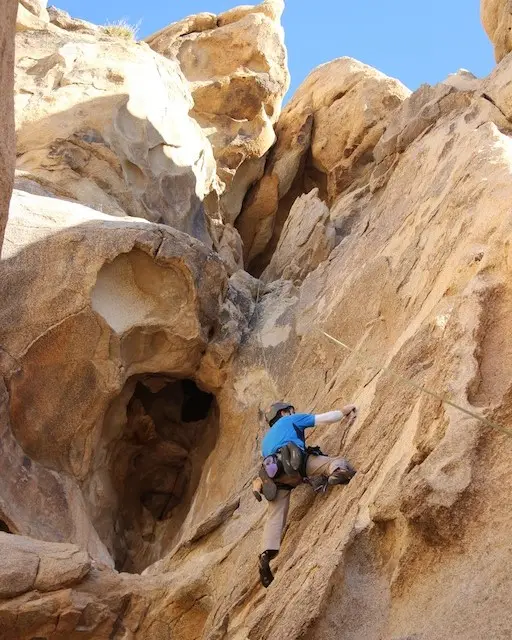
Tennessee is primarily celebrated for its high-quality sandstone, especially prominent across the Cumberland Plateau. Key areas like Foster Falls, Sunset Rock, Stone Fort (Little Rock City), and the Obed Wild and Scenic River offer extensive bouldering, sport, and traditional climbing. Limestone climbing is also found in some regions, providing varied challenges.
Best Climbing Season and Months
The undisputed best time for outdoor climbing in Tennessee is the fall, from September through November, offering ideal cool and dry conditions. Spring (March-May) is also excellent, though it can be wetter. Summer's heat and humidity often push climbers indoors or to shaded crags.
Indoor Gyms vs. Outdoor Crags
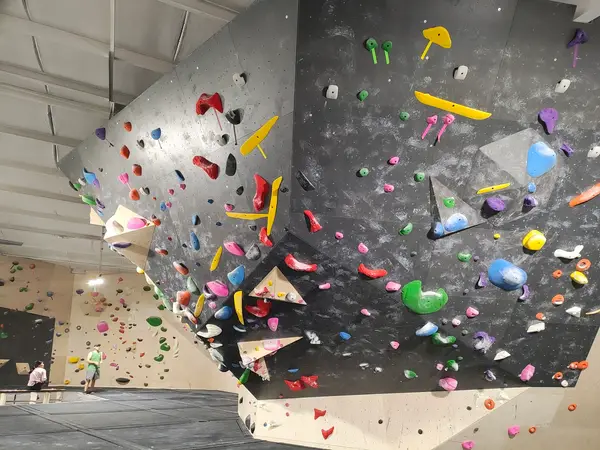
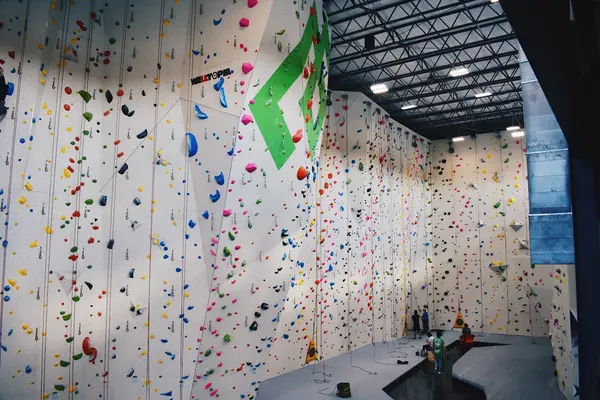
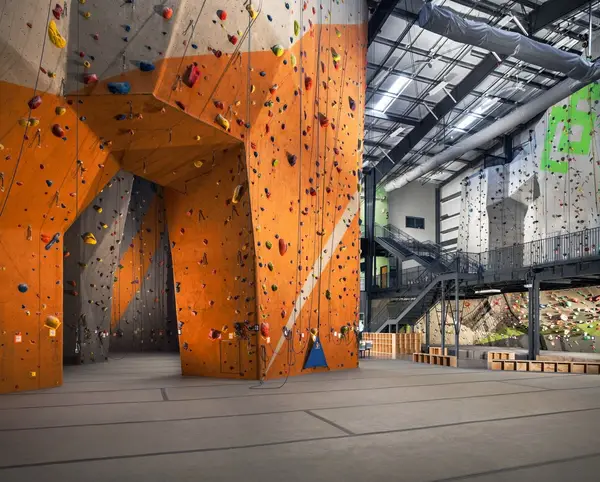
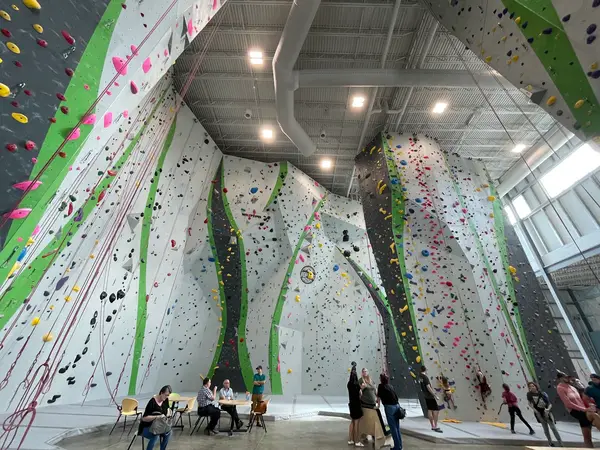
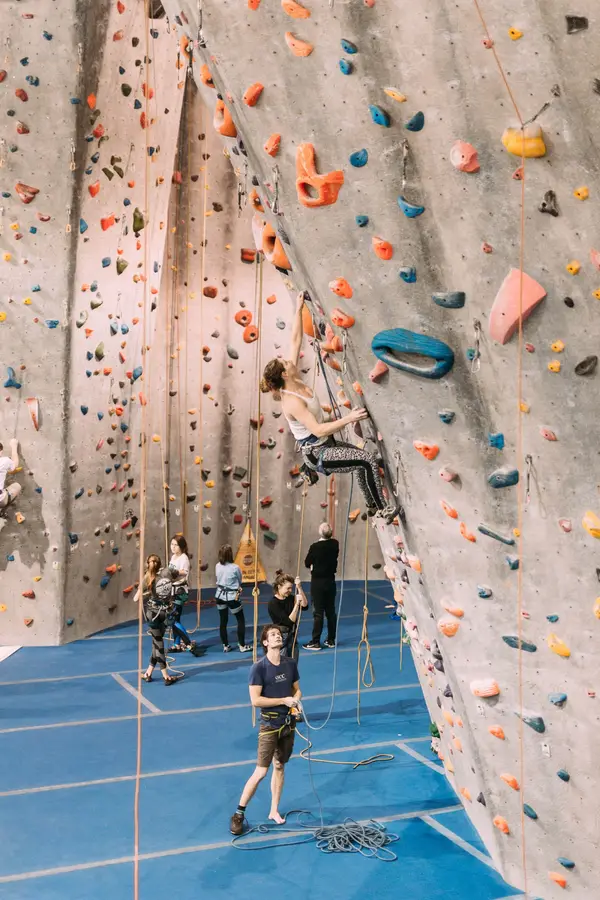
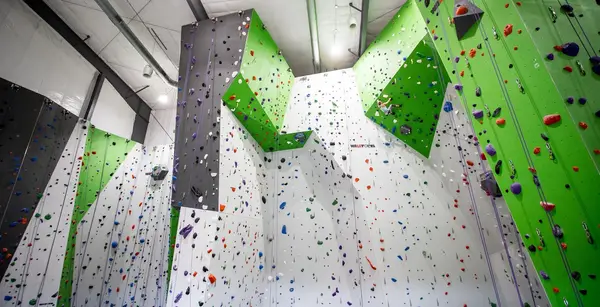
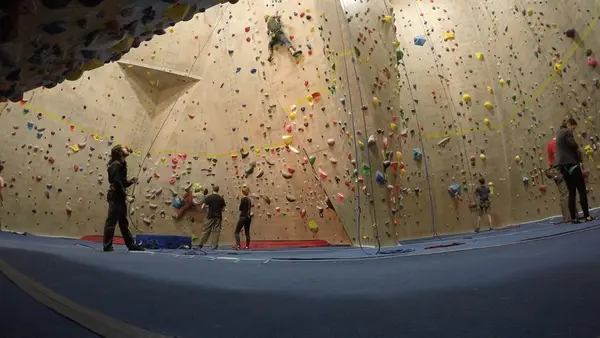
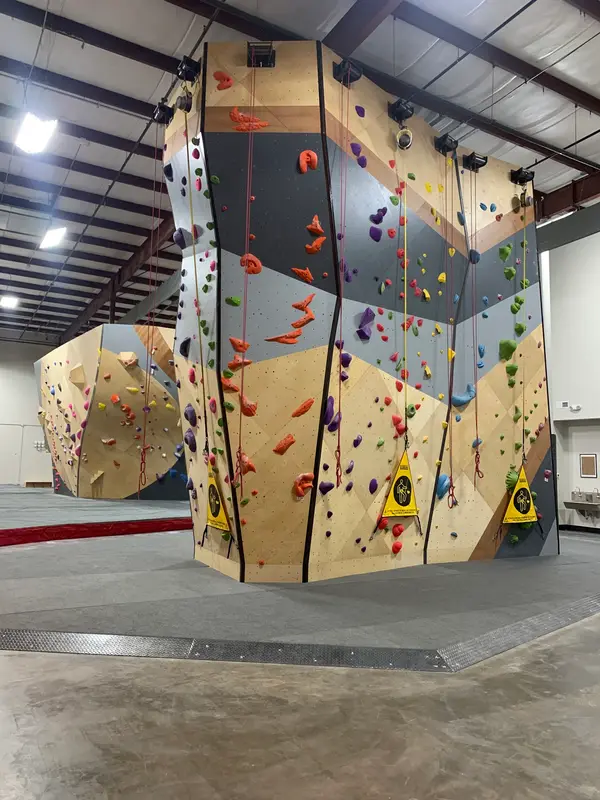
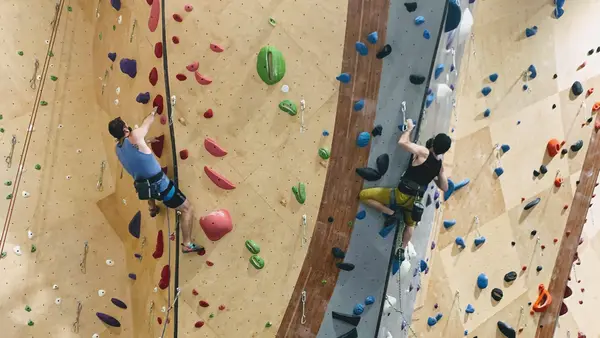
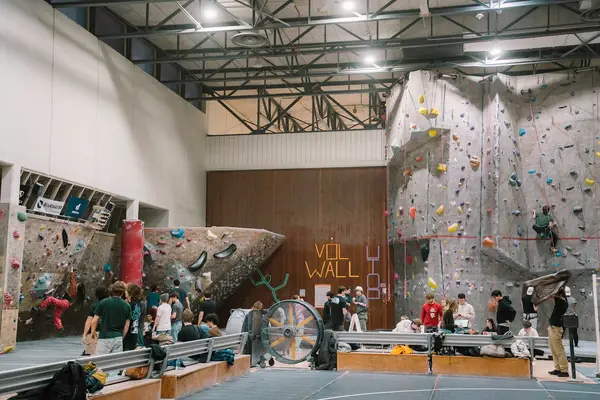
Tennessee boasts a robust network of indoor climbing gyms in major metropolitan areas, providing year-round training, community, and beginner-friendly environments. Outdoor crags offer diverse challenges for bouldering, sport, and some traditional climbing, with guide services often bridging the gap for those new to the outdoors.
Dominant Disciplines
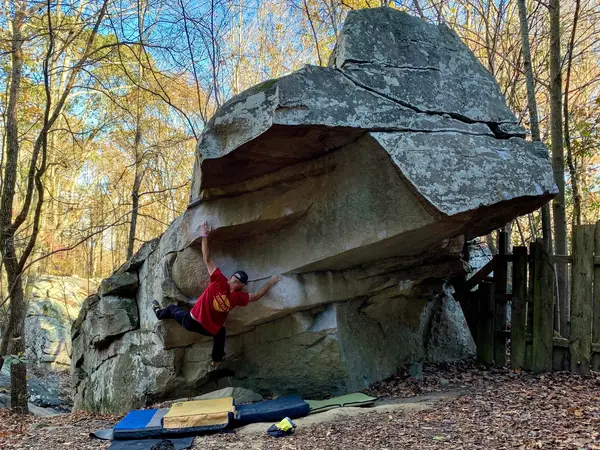
Bouldering and sport climbing are the most popular and abundant disciplines in Tennessee, with numerous world-class problems and routes. Traditional climbing opportunities exist, particularly on multi-pitch routes and in certain less-developed areas, but are generally less widespread than sport or bouldering.
Access, Ethics, and Closures
Climbing access in Tennessee is generally good, but ethical practices are crucial. Fixed anchors are common, but new route development should always follow local guidelines and land manager policies. Seasonal raptor nesting closures are observed at some crags, typically in spring; always check local advisories. Tennessee State Parks, which manage much of the state's developed climbing, require every climber to register for a free permit each visit (climbing there is by permit only); most other public lands don't require an individual climbing permit, and guide services additionally need specific land-use permits.
AMGA-Certified Guide Services
AMGA-certified guide services and climbing schools operate extensively throughout Tennessee. These professionals offer expert instruction, guided trips, and invaluable local knowledge for all skill levels, ensuring safe and responsible outdoor climbing experiences.
Confirm current requirements with the state agency before your trip. Rules and fees change every season.
Commercial Guide Service Business Licensing
Any individual or entity operating a commercial guide service or climbing school in Tennessee is generally required to obtain a general business license from the state. Additional local municipality licenses may also be necessary depending on where the business is based or primarily operates.
Land Manager Permits for Commercial Operations
Commercial climbing guide services and schools conducting activities on public lands, such as Tennessee State Parks, National Forests, or other protected areas, must secure specific permits from the managing agency. These permits ensure compliance with land-use regulations, protect natural resources, and often involve fees; requirements vary by land manager.
Adherence to State Park and Public Land Rules
Tennessee State Parks (which manage much of the state's developed climbing, including Foster Falls and Fall Creek Falls), allow rock climbing by free permit only: every climber must register online for a no-cost permit each visit and keep the registration number while climbing. Beyond that, all visitors to state parks, natural areas, and other public lands must strictly adhere to the specific rules and regulations established by the managing agency. These rules cover aspects like parking, hours of operation, group size limits, and Leave No Trace principles, which are essential for preserving access and the environment.
- 01
Define Your Climbing Goals
Start with an honest read on what you want (gym sessions, boulder problems, sport routes, trad lines), and where your experience actually sits. That answer sorts Tennessee's options quickly, from urban gyms to plateau crags to guided instruction.
- 02
Research Crags and Gyms
Dig into the specific areas or gyms on your list. Guidebooks, online resources, and local forums carry the current word on access, conditions, and closures, and in a state where crag rules vary by land manager, current information matters.
- 03
Consider Professional Instruction or Guiding
If the outdoors is new territory, hire an AMGA-certified guide or take a climbing school course. They handle safety systems, gear, and route choice, and they know which crag suits your level on a given day, knowledge that takes years to build alone.
- 04
Verify Access and Monitor Weather
Before driving to a crag, confirm access rules, parking, and any closures, raptor nesting shuts sections of some cliffs seasonally. Watch the forecast too; plateau weather can turn a dry sandstone day into a washout fast.
- 05
Prepare Gear and Practice Leave No Trace
Pack complete: climbing gear, safety equipment, water, first aid. Then leave the place clean. Pack out trash, stay on established trails, and keep your footprint small. Tennessee's crags stay open because climbers treat them well.
01How many climbing operators are listed in Tennessee?
02What is the best time of year to climb outdoors in Tennessee?
03Are there options for beginner climbers in Tennessee?
04Do I need special permits to climb in Tennessee's outdoor areas?
05Can I rent climbing gear in Tennessee?
06Is Tennessee known more for bouldering or roped climbing?
07Are there any specific environmental concerns or closures climbers should be aware of?
Free tools
Your free outdoor toolkit
Everything Map
Listings, trails, spots, clubs and public land on a single full-screen map. Switch layers on and off, then tap any point for the details.
Open Everything MapCrags
Find climbing areas on a map with discipline, grade range, and how many routes each crag holds.
Open CragsRoute Planner
Drop stops on a map and watch distance and drive time add up. Export a GPX or share the link.
Open Route PlannerClimbing Clubs
Browse local clubs with meeting info and how to join, or start your own for free.
Open Climbing ClubsPhoto ID
Point your camera at whatever you found and get a structured identification. No signup.
Open Photo IDGear Checklists
Printable, save-as-you-go packing lists. Tick items off and pull them up on your phone.
Open Gear Checklists


Keep exploring