Rock Climbing · Georgia
Rock Climbing in Georgia
Climb 17 gyms, guides and schools across Georgia. Maps, hours, contact info, photos, and verified operator profiles, all in one place.
Southern Appalachians down to the Sea Islands and Okefenokee Swamp.
About Georgia
Best time to go
When to climb in Georgia
March through November.
- October–November: cool, dry, high-friction "send temps"
- Spring: good climbing between rain showers
- Summer: humid and greasy, so dawn patrol or head north
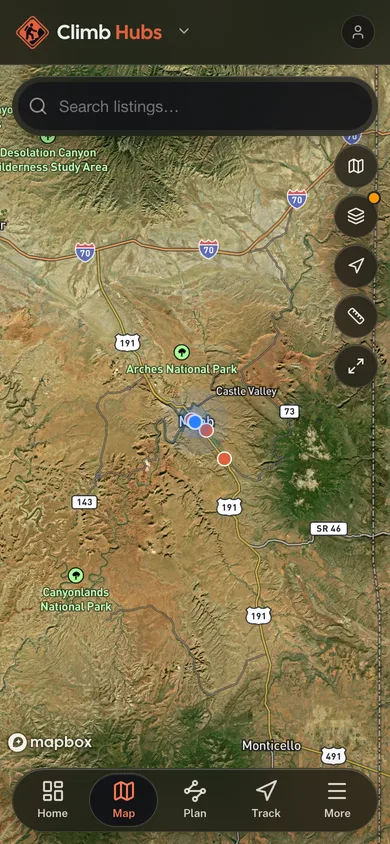
17 on the map
Tap a pin to open its profile.
Quick facts
- Crags mapped
- 12
- Gyms, guides and schools listed
- 17
- Best season
- March through November
All listings
17 gyms, guides and schools
across Georgia

Plan your trip
Plan your trip to Georgia
Signature Rock Types and Areas
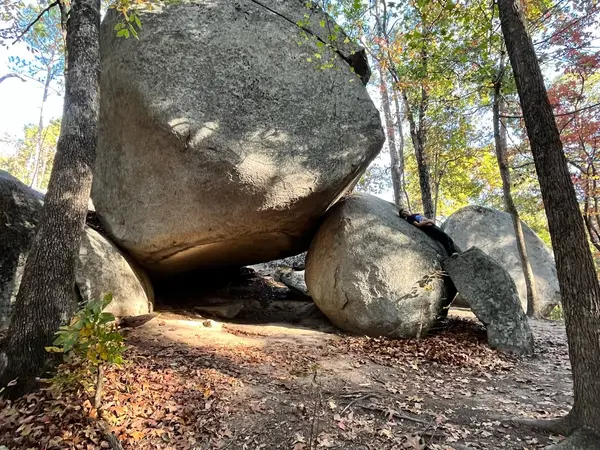
Georgia's climbing is dominated by three primary rock types: granite, prominently featured at Stone Mountain, offering slab and crack climbing; quartzite, forming the sheer walls of Tallulah Gorge; and sandstone, found in the state's northwest, most notably at Rocktown, a world-class bouldering destination.
Climbing Season and Best Months
The shoulder seasons of spring (March-May) and fall (September-November) offer the most comfortable outdoor climbing conditions. Winter (December-February) can be excellent for sunny crags, while summer (June-August) is often too hot and humid for exposed outdoor climbing, making indoor gyms a popular alternative.
Indoor Gyms vs. Outdoor Crags
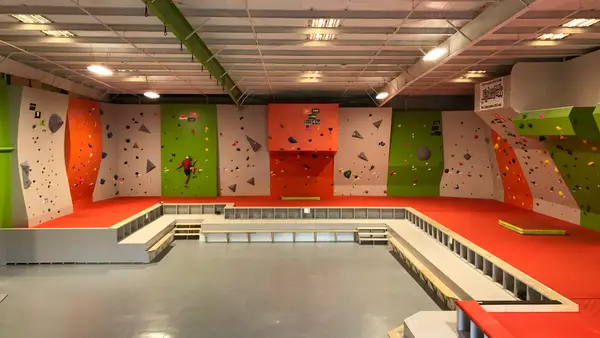
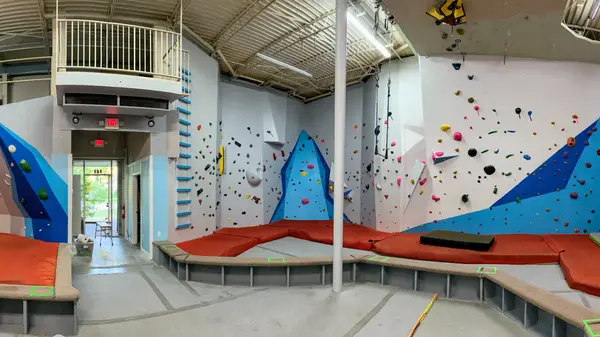
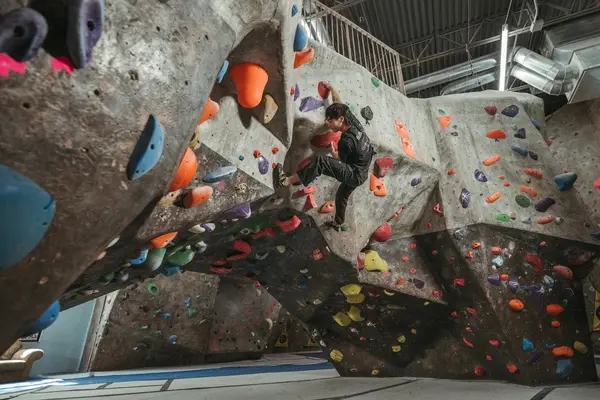
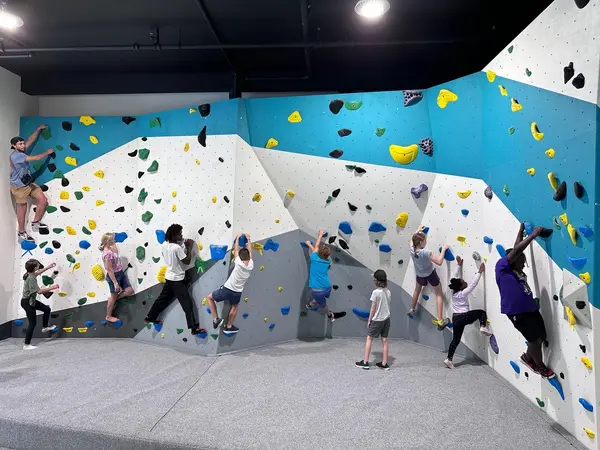
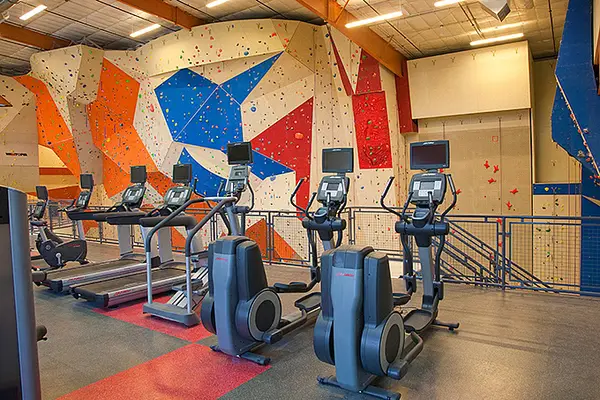
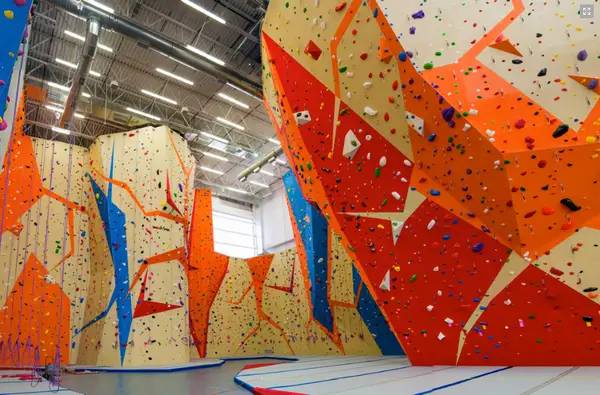
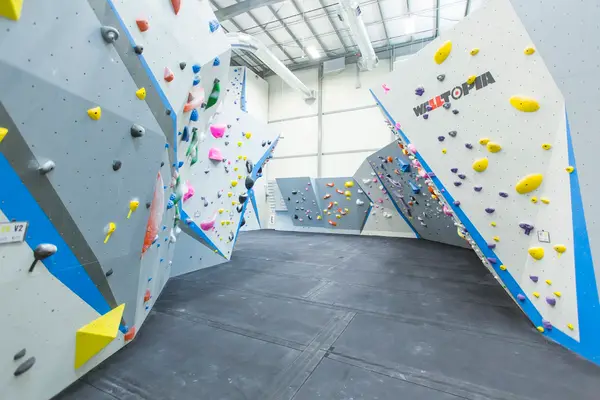
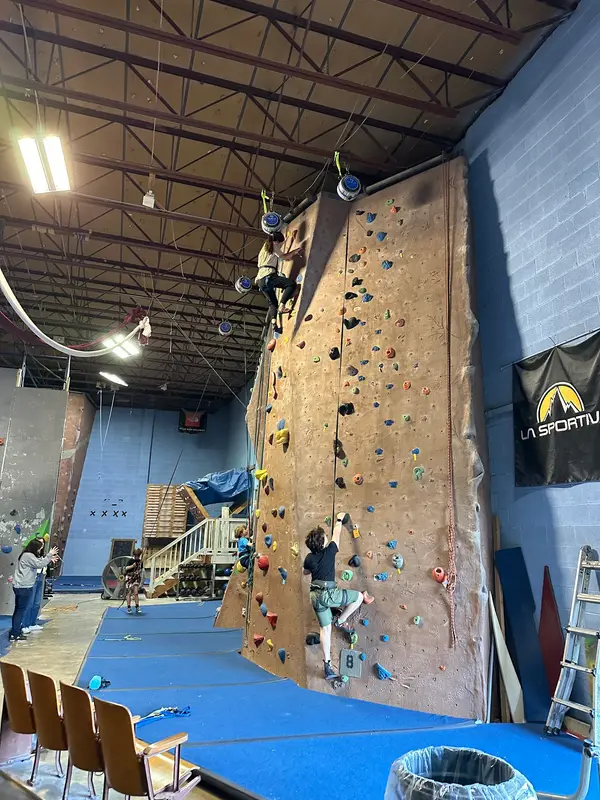
Georgia boasts a robust indoor climbing gym scene, particularly in Atlanta, providing year-round training and community. Outdoor crags cater to diverse disciplines, from the extensive bouldering at Rocktown to sport and traditional routes at Tallulah Gorge and Stone Mountain, offering a full spectrum of experiences.
Defining Disciplines
Bouldering is a defining discipline, especially due to Rocktown's international renown. Sport climbing is prevalent in many North Georgia areas and Tallulah Gorge, while traditional climbing is a key feature of Stone Mountain and some multi-pitch routes in the gorges. Alpine climbing is not found in Georgia.
Access, Ethics, and Stewardship
Access to many outdoor climbing areas requires adherence to specific land manager regulations, including Georgia State Park passes or permits for unique areas like Tallulah Gorge. Fixed anchors and bolting norms generally follow established local ethics. Seasonal raptor nesting closures are common, particularly in gorge environments. The Access Fund and local climbing organizations are active in stewardship and advocacy; supporting them helps maintain access. Always practice Leave No Trace principles.
AMGA-Certified Guide Services
Yes, AMGA-certified guide services and climbing schools operate in Georgia. These professionals offer instruction, guided trips, and specialized courses, ensuring high safety standards and quality learning experiences for all skill levels. Verify their certifications and permits when booking.
Confirm current requirements with the state agency before your trip. Rules and fees change every season.
Georgia State Park Pass
Many significant outdoor climbing areas in Georgia are located within State Parks. Visitors are required to purchase a daily or annual parking pass to access these areas. This fee supports park maintenance and operations. Verify specific park requirements before your visit.
Georgia State Parks & Historic SitesTallulah Gorge State Park Permit
Climbing on the gorge floor at Tallulah Gorge State Park requires a daily permit, which is limited in number and issued on a first-come, first-served basis. Permits are essential for safety and resource protection, and they often include specific rules regarding group size and access points. Permits are issued in person at the park on the day of your visit and cannot be reserved online; check the park's official website for current rules.
Georgia State Parks & Historic SitesCommercial Guiding and Permitting
Commercial climbing guide services operating on public lands in Georgia, such as State Parks or National Forests, may be required to obtain specific outfitter-guide permits from the managing agency. While a state-level climbing guide license isn't universally mandated, individual land managers have their own permitting processes for commercial operations. Always confirm with the relevant land management agency or the guide service directly.
- 01
1. Research Crags and Gyms
Figure out what kind of climbing you want first. Atlanta's gyms handle introductory lessons and year-round training; outdoors, Rocktown means bouldering and Stone Mountain means trad, each rewards a different skill set and preparation.
- 02
2. Check Access and Permits
Confirm the access rules before you drive. Many Georgia crags sit inside State Parks and need a parking pass, and Tallulah Gorge issues only a limited number of daily gorge-floor permits, secure yours in advance or plan elsewhere.
- 03
3. Consider Professional Guidance
New to outdoor climbing, or new to Georgia's rock? An AMGA-certified guide or a climbing school buys you safety instruction and local knowledge at the same time, and flattens the learning curve considerably.
- 04
4. Understand Local Ethics and Conditions
Learn the local rules of the game: Leave No Trace, fixed-anchor norms, and seasonal closures like raptor nesting restrictions. Check the weather and recent condition reports before every trip, Southern humidity can ruin friction overnight.
- 05
5. Connect with the Community
Join local climbing groups online or just show up at a gym and talk to people. Georgia's climbing community is a welcoming one, and partners lead to beta, new areas, and safer days out.
01What kind of rock is most common for climbing in Georgia?
02Are there good bouldering areas in Georgia?
03Do I need a permit to climb outdoors in Georgia?
04Can I find climbing guides and schools in Georgia?
05Is Georgia suitable for beginner climbers?
06What are the best months for outdoor climbing in Georgia?
Free tools
Your free outdoor toolkit
Everything Map
Listings, trails, spots, clubs and public land on a single full-screen map. Switch layers on and off, then tap any point for the details.
Open Everything MapCrags
Find climbing areas on a map with discipline, grade range, and how many routes each crag holds.
Open CragsRoute Planner
Drop stops on a map and watch distance and drive time add up. Export a GPX or share the link.
Open Route PlannerClimbing Clubs
Browse local clubs with meeting info and how to join, or start your own for free.
Open Climbing ClubsPhoto ID
Point your camera at whatever you found and get a structured identification. No signup.
Open Photo IDGear Checklists
Printable, save-as-you-go packing lists. Tick items off and pull them up on your phone.
Open Gear Checklists

Keep exploring