Rock Climbing · New Mexico
Rock Climbing in New Mexico
Climb 13 gyms, guides and schools across New Mexico. Maps, hours, contact info, photos, and verified operator profiles, all in one place.
Sky islands, the Rio Grande, and high-desert mesa country.
About New Mexico
Best time to go
When to climb in New Mexico
April through November for low desert; June through October for high country.
- October–April: the prime window for desert sandstone
- Summer: far too hot, so climb early at elevation or skip it
- Sandstone needs 24–48h to dry after rain, so never climb it wet
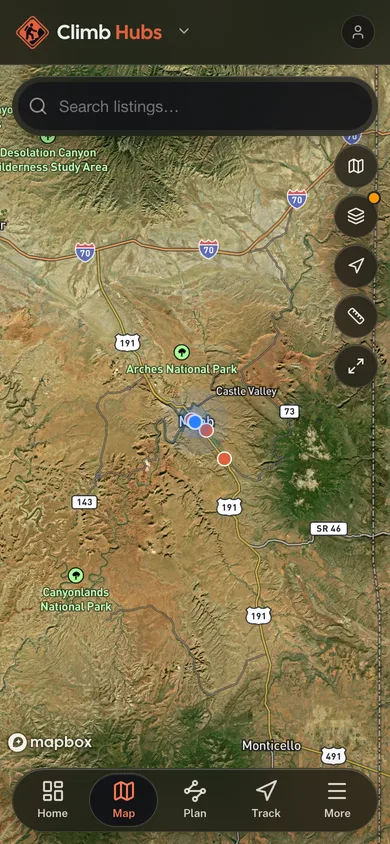
13 on the map
Tap a pin to open its profile.
Quick facts
- Crags mapped
- 128
- Gyms, guides and schools listed
- 13
- Best season
- April through November
All listings
13 gyms, guides and schools
across New Mexico
Plan your trip
Plan your trip to New Mexico
Rock Types & Areas
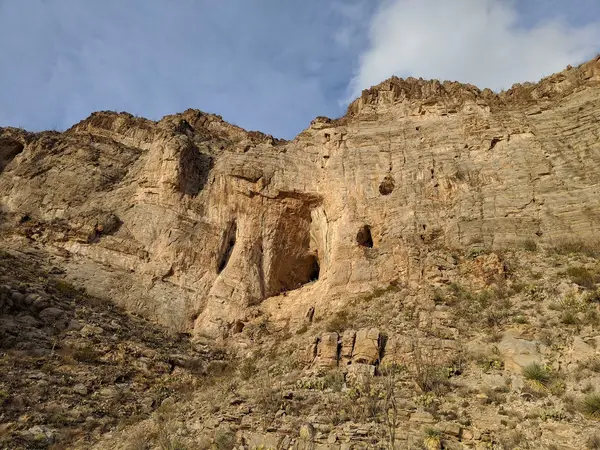
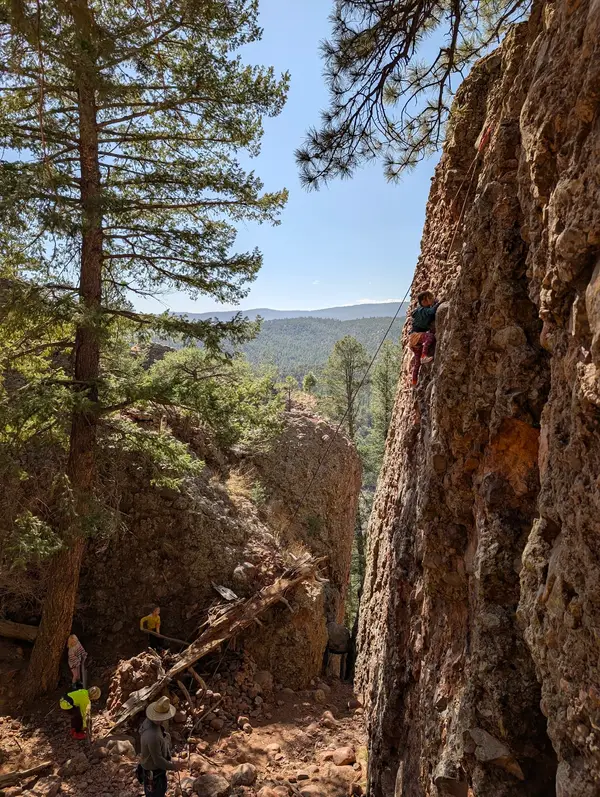
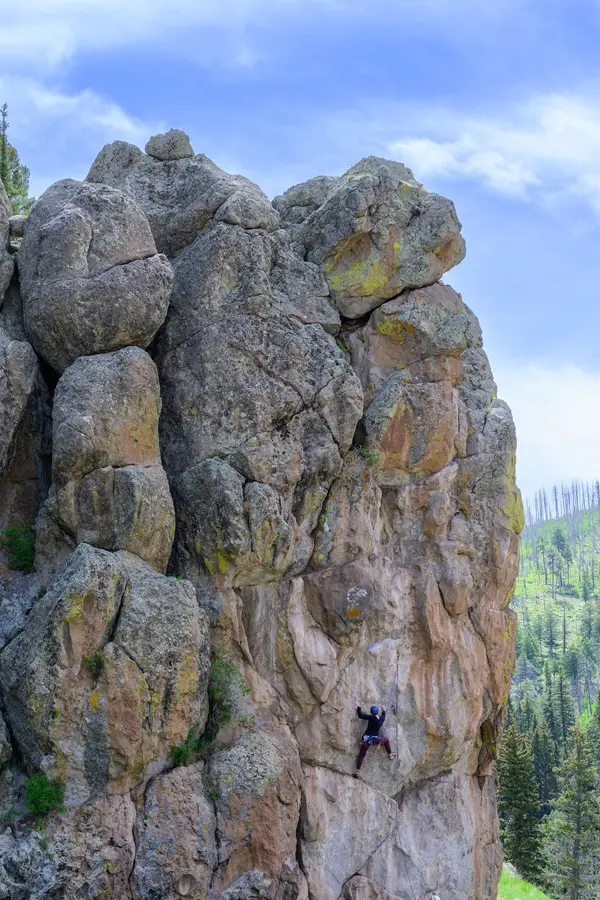
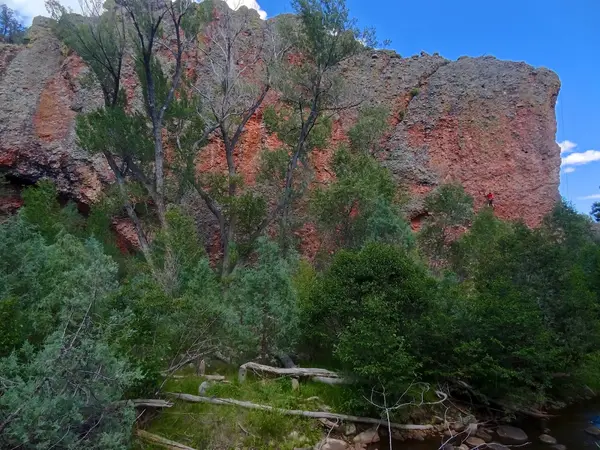
New Mexico features diverse rock: granite in the Sandia and Organ Mountains, welded tuff at Enchanted Tower, basalt at Roy, and sandstone in various canyons. Each offers unique climbing styles.
Climbing Season
Fall (Sept-Nov) is generally best statewide. Spring (Mar-May) is also excellent. Summers favor high-elevation granite, while winters are ideal for lower-elevation desert crags.
Indoor vs. Outdoor
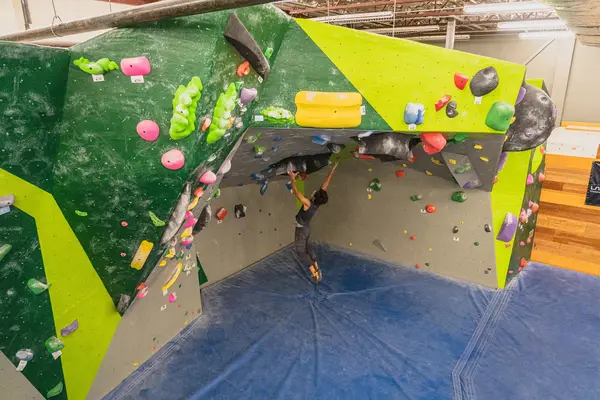
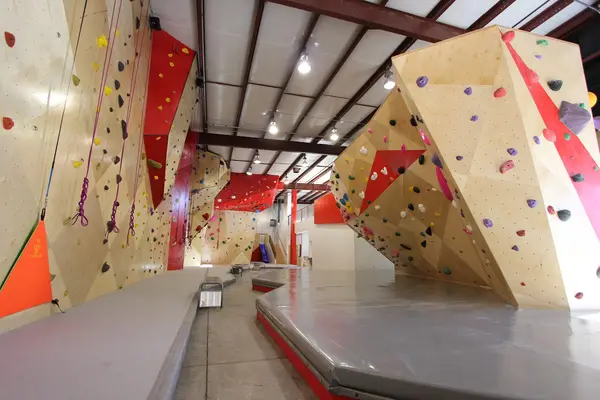
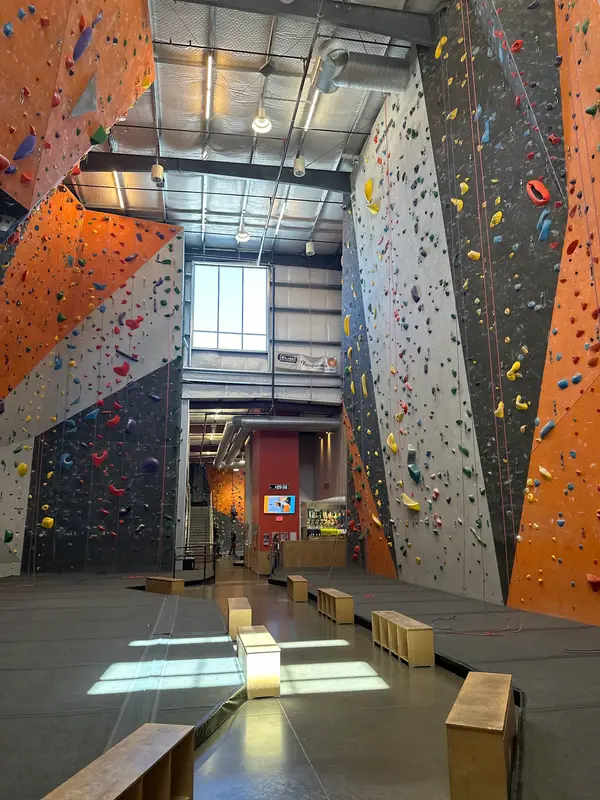
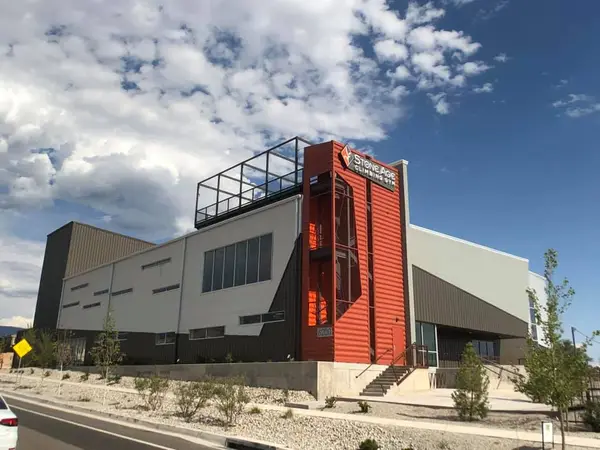
Urban centers like Albuquerque and Santa Fe have modern climbing gyms. These provide essential training, community, and local beta, complementing the state's extensive outdoor offerings.
Defining Disciplines
Sport climbing is prominent at areas like Enchanted Tower and Roy. Trad climbing dominates much of the Sandia and Organ Mountains. Bouldering is also popular in various locations.
Access & Ethics
Many climbing areas are on federal lands (USFS, BLM) or State Parks. Seasonal raptor closures are common; always check land manager websites. Adhere to Leave No Trace principles.
Guide Services
AMGA-certified guide services and climbing schools operate in New Mexico, offering instruction for all disciplines and guided trips to a wide array of crags.
Confirm current requirements with the state agency before your trip. Rules and fees change every season.
National Forest & BLM Wilderness Permits
Some specific wilderness areas within National Forests or BLM lands may require a permit for overnight stays, though day-use permits are less common for climbing. Always check with the relevant District Office for current regulations before visiting.
New Mexico State Park Day Use Fees
Many State Parks in New Mexico, which host climbing areas, require a day-use fee per vehicle for access. Annual passes are also available for frequent visitors.
New Mexico State ParksCommercial Guide Service Permitting
Guide services operating on federal lands (USFS, BLM) or State Parks must obtain specific commercial use permits from the respective land management agency. Visitors should verify their chosen guide service is properly permitted.
- 01
Research Your Destination
Match the crag or gym to your ability and ambitions before you commit to a drive, distances here are real. Guidebooks, online forums, and the local climbing community carry the current word.
- 02
Check Weather and Conditions
Elevation runs the show in New Mexico: the desert floor and the alpine crags can be living in different seasons on the same day. Verify forecasts and road conditions, especially for high-mountain or remote desert approaches.
- 03
Secure Necessary Permits/Access
Sort the paperwork early (State Park day-use fees, wilderness permits where they apply), and check for seasonal closures before you go. Nothing sours a long drive like a locked gate.
- 04
Consider a Guide or Gym
New climbers get the most out of an AMGA-certified guide or a session at a local gym first. Veterans should still stop by the gym anyway, that's where the beta and the partners are.
- 05
Pack Appropriately
Layers, more water than seems reasonable, serious sun protection, and a full rack for whatever the rock demands. Pack out everything, Leave No Trace keeps this landscape looking the way you came to see it.
01What is the best time of year to climb outdoors in New Mexico?
02Are there beginner-friendly outdoor climbing areas in New Mexico?
03Do I need special permits to climb on public lands?
04What types of climbing are most popular in New Mexico?
05Can I find AMGA-certified climbing guides in New Mexico?
06Are there any seasonal closures for climbing areas?
Free tools
Your free outdoor toolkit
Everything Map
Listings, trails, spots, clubs and public land on a single full-screen map. Switch layers on and off, then tap any point for the details.
Open Everything MapCrags
Find climbing areas on a map with discipline, grade range, and how many routes each crag holds.
Open CragsRoute Planner
Drop stops on a map and watch distance and drive time add up. Export a GPX or share the link.
Open Route PlannerClimbing Clubs
Browse local clubs with meeting info and how to join, or start your own for free.
Open Climbing ClubsPhoto ID
Point your camera at whatever you found and get a structured identification. No signup.
Open Photo IDGear Checklists
Printable, save-as-you-go packing lists. Tick items off and pull them up on your phone.
Open Gear Checklists

Keep exploring