Rock Climbing · Arizona
Rock Climbing in Arizona
Climb 22 gyms, guides and schools across Arizona. Maps, hours, contact info, photos, and verified operator profiles, all in one place.
Red-rock canyons, Sonoran desert, and pine-covered high country.
About Arizona
Best time to go
When to climb in Arizona
October through April for the desert; May through October for the high country.
- October–April: the prime window for desert sandstone
- Summer: far too hot, so climb early at elevation or skip it
- Sandstone needs 24–48h to dry after rain, so never climb it wet
22 on the map
Tap a pin to open its profile.
Quick facts
- Crags mapped
- 376
- Gyms, guides and schools listed
- 22
- Best season
- October through April
All listings
22 gyms, guides and schools
across Arizona
Plan your trip
Plan your trip to Arizona
Signature Rock Types and Climbing Areas
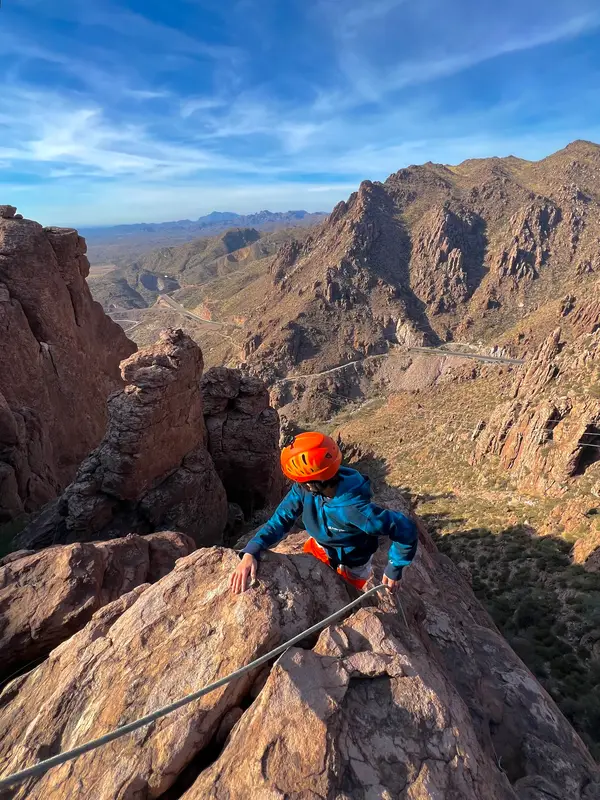
Arizona boasts diverse rock, primarily granite (Mt. Lemmon, Cochise Stronghold, McDowell Mountains), sandstone (Sedona), limestone (Virgin River Gorge), and volcanic basalt (Flagstaff). Each offers distinct climbing styles, from slab and crack climbing on granite to face climbing on sandstone and basalt.
Climbing Season and Best Months
The primary climbing season for desert areas is October through April. For higher elevation crags like Mount Lemmon and Flagstaff, late spring through early fall (May-September) offers the best conditions, providing an escape from the summer desert heat.
Indoor Gyms vs. Outdoor Crags
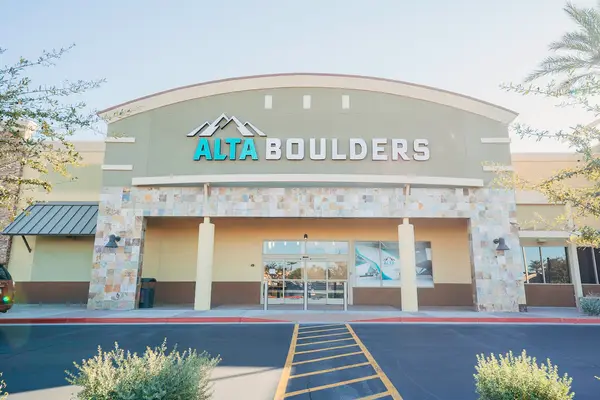
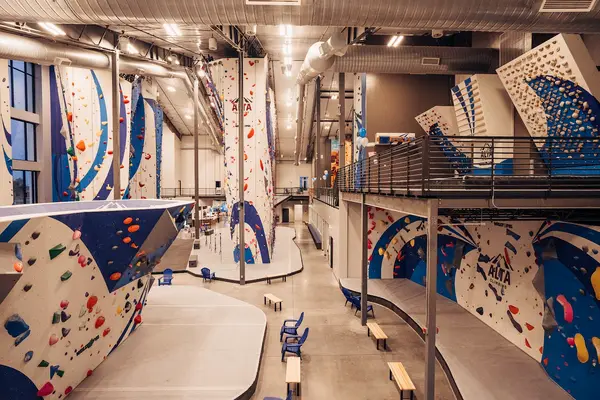
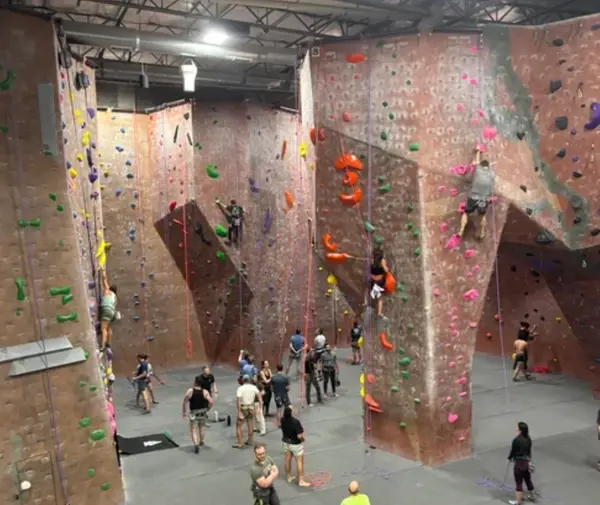
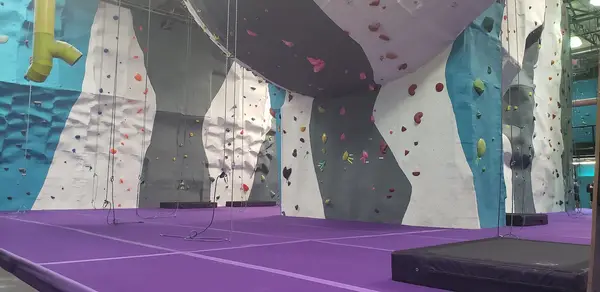
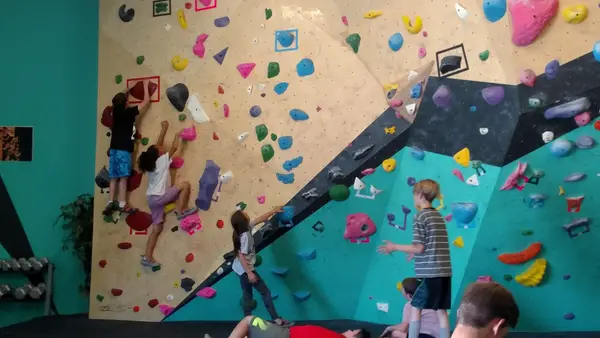
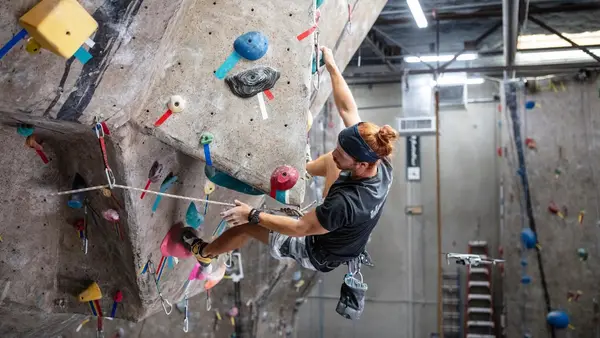
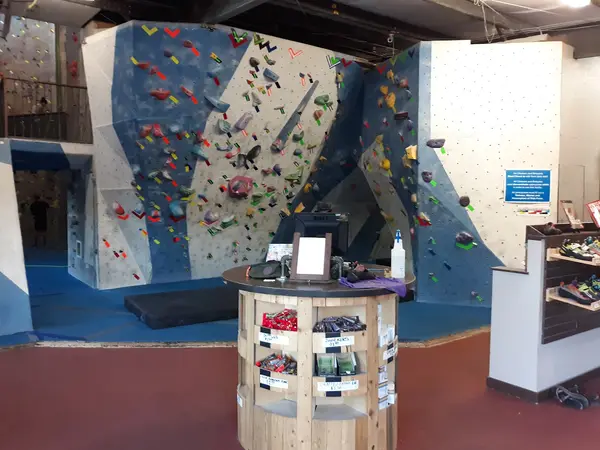
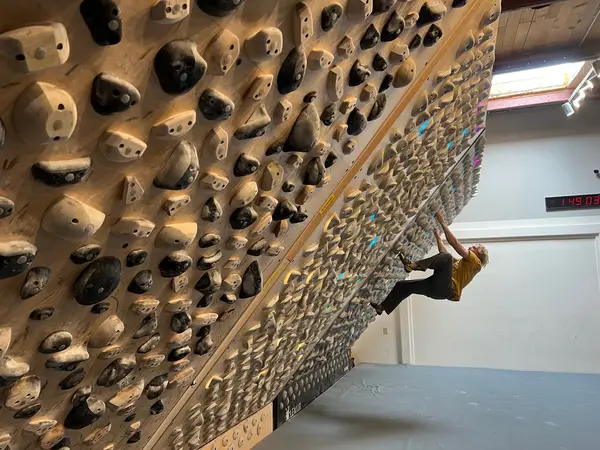
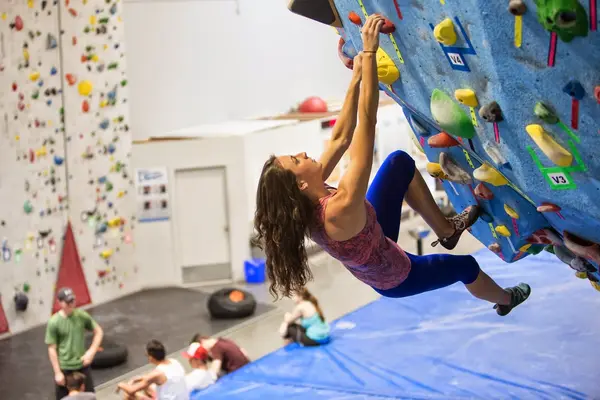
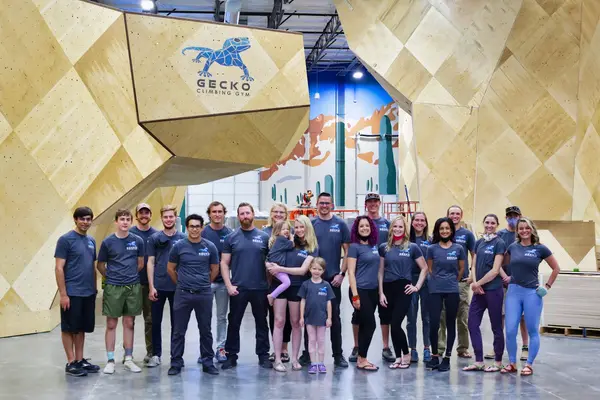
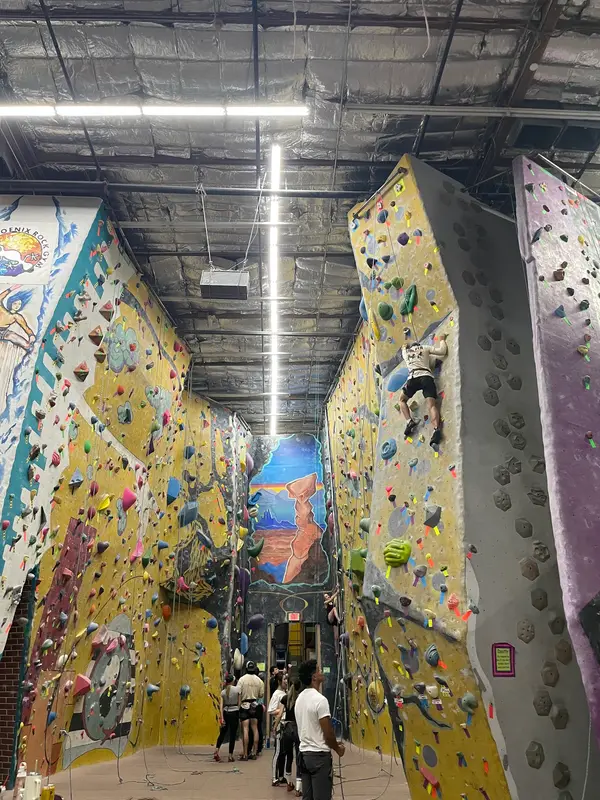
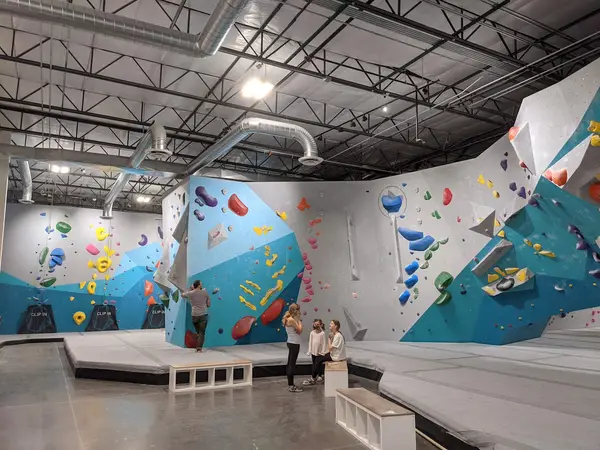
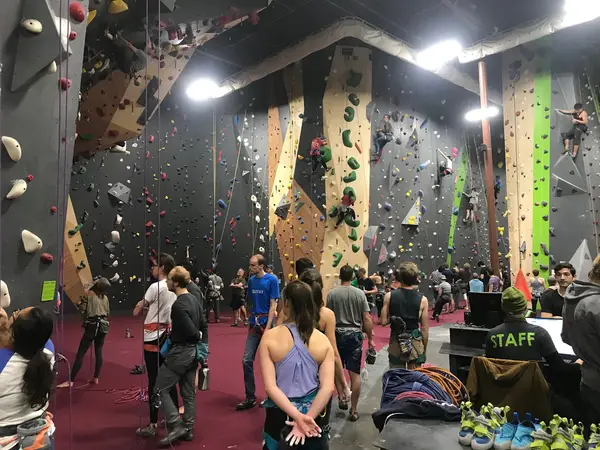
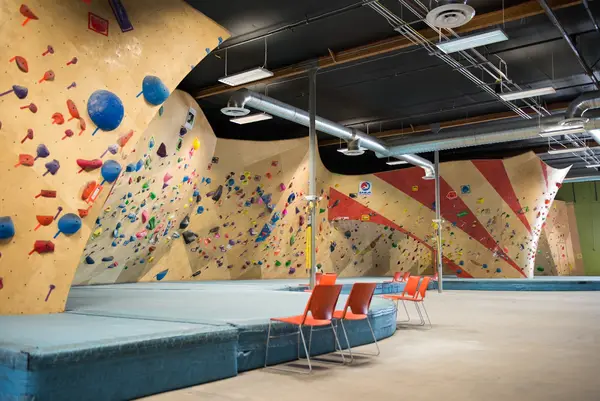
Arizona's major cities feature numerous modern climbing gyms, essential for training, community, and summer climbing. Outdoor crags range from easily accessible sport routes to remote multi-pitch trad climbs, often requiring significant approach hikes and self-sufficiency.
Defining Disciplines
The state is strong in sport climbing, traditional climbing, and bouldering. Multi-pitch climbing is prominent on granite domes in areas like Cochise Stronghold and Mount Lemmon. Alpine climbing opportunities are limited to specific high-elevation mountain ranges during certain seasons.
Access and Ethics
Seasonal raptor-nesting closures are common in spring; always check local land manager websites. Fixed-anchor and bolting norms generally align with established climbing ethics, but new route development requires careful consideration and often permits. The Access Fund and local climbing coalitions are active in stewardship and advocacy. Commercial guide services and schools operating on public lands are typically AMGA-certified and hold specific permits.
Confirm current requirements with the state agency before your trip. Rules and fees change every season.
Public Land Use Permits
Certain popular recreation areas within National Forests, State Parks, or other public lands may require a day-use fee or specific permits for parking or access. Additionally, commercial guiding operations on public lands require special use permits from agencies like the US Forest Service or BLM. Verify specific requirements with the managing agency for your chosen climbing area.
US Forest Service Region 3Tribal Land Access
Climbing on tribal lands is tightly regulated and is sometimes prohibited outright: the Navajo Nation, for example, bans rock climbing on its lands entirely, while other nations such as the White Mountain Apache Tribe may allow access only with a permit obtained directly from the tribal government. Access may be restricted or subject to cultural sensitivities; always research and respect tribal regulations. Do not assume public access.
Wilderness Area Regulations
Many climbing areas in Arizona are within designated Wilderness Areas, which have specific regulations regarding group size, Leave No Trace practices, and restrictions on motorized or mechanized equipment. Familiarize yourself with these rules before entering a Wilderness Area to minimize impact.
- 01
Research Your Destination
Match the crag to your ability and the style you want: then check conditions, access, and seasonal closures for your actual dates. In Arizona, the calendar decides which half of the state is climbable.
- 02
Check Access and Permits
Confirm whether your area requires permits for parking, day use, or climbing, tribal lands and designated Wilderness carry their own rules. Sort the paperwork before you leave town.
- 03
Consider a Certified Guide or School
For a first taste of desert climbing, or to level up into trad or multi-pitch, an AMGA-certified guide service or climbing school shortcuts years of trial and error, and keeps the errors survivable.
- 04
Prepare for Conditions
Elevation rewrites the forecast here. Carry more water than feels reasonable, real sun protection, and layers, a desert morning and a mountain afternoon can be two different climates in one day.
- 05
Practice Leave No Trace
Know the seven principles and use them: established trails, trash packed out, wildlife left alone. Desert and mountain ecosystems both scar easily and heal slowly.
01What is the best time of year to climb outdoors in Arizona?
02Are there many climbing gyms in Arizona?
03Do I need a climbing guide for certain areas in Arizona?
04What types of climbing are most popular in Arizona?
05Are there any specific access issues or closures I should be aware of?
06What essential gear should I bring for climbing in Arizona?
Free tools
Your free outdoor toolkit
Everything Map
Listings, trails, spots, clubs and public land on a single full-screen map. Switch layers on and off, then tap any point for the details.
Open Everything MapCrags
Find climbing areas on a map with discipline, grade range, and how many routes each crag holds.
Open CragsRoute Planner
Drop stops on a map and watch distance and drive time add up. Export a GPX or share the link.
Open Route PlannerClimbing Clubs
Browse local clubs with meeting info and how to join, or start your own for free.
Open Climbing ClubsPhoto ID
Point your camera at whatever you found and get a structured identification. No signup.
Open Photo IDGear Checklists
Printable, save-as-you-go packing lists. Tick items off and pull them up on your phone.
Open Gear Checklists

Keep exploring