Rock Climbing · Vermont
Rock Climbing in Vermont
Climb 11 gyms, guides and schools across Vermont. Maps, hours, contact info, photos, and verified operator profiles, all in one place.
Green Mountains, the Northeast Kingdom, and Lake Champlain.
About Vermont
Best time to go
When to climb in Vermont
May through October. Peak fall color late September.
- October–November: cool, dry, high-friction "send temps"
- Spring: good climbing between rain showers
- Summer: humid and greasy, so dawn patrol or head north
11 on the map
Tap a pin to open its profile.
Quick facts
- Crags mapped
- 104
- Gyms, guides and schools listed
- 11
- Best season
- May through October
All listings
11 gyms, guides and schools
across Vermont
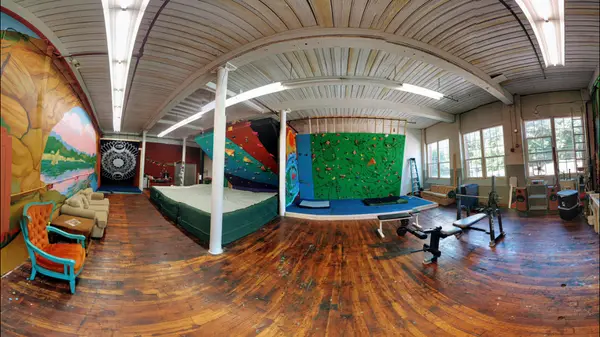
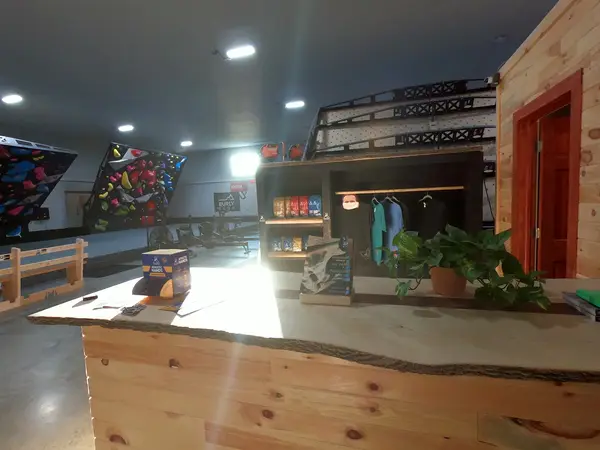
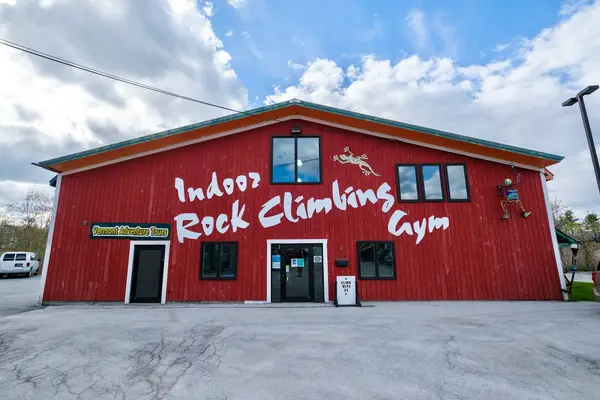
Plan your trip
Plan your trip to Vermont
Signature Rock Types
Vermont's outdoor climbing largely features metamorphic rock, including gneiss, schist, and quartzite, which offer a diverse range of features such as cracks, slabs, and faces. While less common, some granite formations also exist, providing a unique texture and style of climbing.
Climbing Season and Best Months
The primary outdoor climbing season typically runs from late April through early November. The absolute best months are September and October, when cooler temperatures, lower humidity, and stable weather create optimal conditions for all climbing disciplines.
Indoor Gyms vs. Outdoor Crags
Vermont boasts a vibrant indoor climbing gym scene, especially in population centers like Burlington and the surrounding areas, which provides year-round training and community. Outdoor crags offer a variety of experiences, from accessible roadside sport climbs to more remote traditional routes, often requiring a short hike.
Defining Disciplines
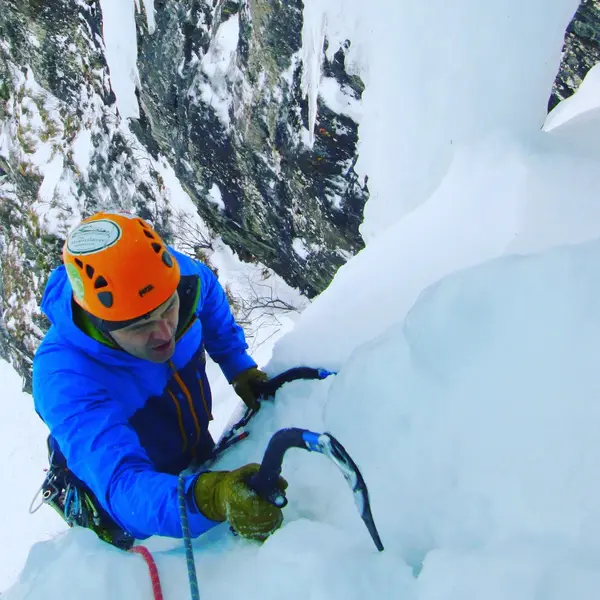
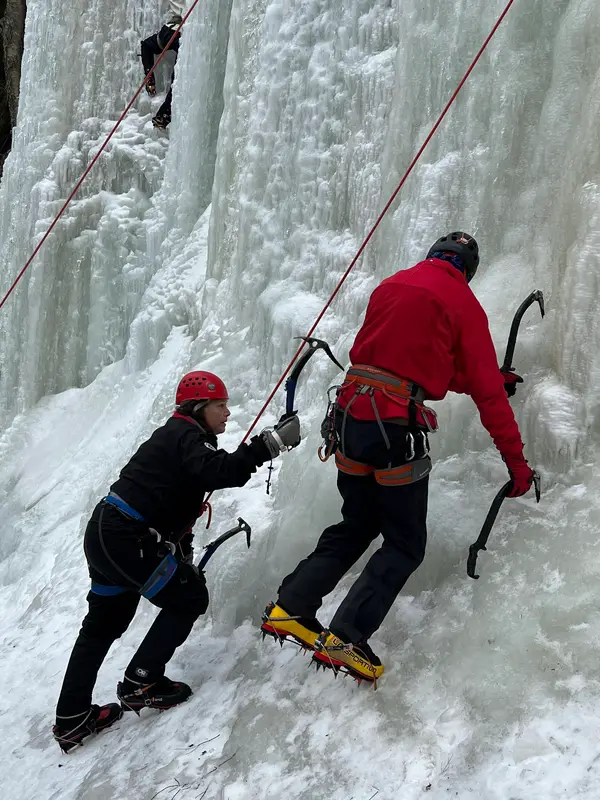
Vermont is well-regarded for traditional climbing, particularly in areas like Smugglers' Notch. Sport climbing and bouldering are also popular and growing, with dedicated areas. During winter, the state becomes a significant destination for ice climbing, drawing enthusiasts to its frozen cascades.
Access and Ethics
Maintaining access to Vermont's climbing areas relies heavily on Leave No Trace principles, responsible parking, and respecting seasonal closures, especially for raptor nesting. Fixed anchors and bolting norms are generally conservative; new route development often involves local climbing organizations like CRAG-VT to ensure sustainability and community consensus.
AMGA-Certified Guide Services
Yes, AMGA-certified guide services and climbing schools operate in Vermont, offering professional instruction and guided trips for all skill levels. Utilizing a certified guide is highly recommended for those new to outdoor climbing in the state or seeking to advance their skills safely.
Confirm current requirements with the state agency before your trip. Rules and fees change every season.
State Park Day Use Fees
Many popular climbing areas in Vermont are located within State Parks or Forests. Visitors may be required to pay a day-use fee or possess a Vermont State Parks pass for vehicle access and parking. Check with the specific park prior to your visit for current rates and requirements.
Raptor Nesting Closures
Seasonal closures are common at certain climbing areas to protect nesting raptors, such as Peregrine Falcons. These closures are mandatory and typically occur from early spring through mid-summer. Always check local signage or online resources for current closure information before climbing.
Guide Service Permitting
While Vermont does not have a statewide licensing requirement specifically for climbing guides, professional guide services operating on state or federal lands may be required to obtain special use permits from the managing agency. Guides should verify specific permitting needs with the Vermont Department of Forests, Parks and Recreation or the U.S. Forest Service, depending on the land ownership.
Leave No Trace Principles
Adherence to Leave No Trace (LNT) principles is a critical expectation for all outdoor recreationalists in Vermont, including climbers. This includes packing out all trash, staying on established trails, minimizing impact at crag bases, and properly managing human waste to preserve the natural environment and maintain access.
Leave No Trace Center
- 01
Research Crags and Gyms
Pick your venue before you pack. Guidebooks, forums, and CRAG-VT's resources cover routes, approaches, and current access notes, a half hour of homework saves a wasted drive to a wet or closed cliff.
- 02
Check Weather and Conditions
Vermont weather turns fast. Check the forecast and recent reports for your crag: rain, snowmelt, and humidity all change what's climbable, and seeping rock here can stay wet days after a storm.
- 03
Consider a Guide Service or School
If Vermont's crags are new to you, or outdoor climbing is, hire an AMGA-certified guide or take a course. The local knowledge alone is worth it, and the safety systems you learn transfer everywhere.
- 04
Adhere to Access Guidelines and Ethics
Access here is negotiated, not guaranteed. Park where you're supposed to, honor seasonal wildlife closures, follow Leave No Trace, and treat private land boundaries as absolute. Every climber's behavior is part of the deal.
- 05
Prepare Appropriate Gear
Bring gear that matches the discipline and inspect it before you tie in: rope, harness, protection, helmet. For outdoor days, add water, navigation, and real layers; mountain weather in the Greens does not care what the valley forecast said.
01What is the best time of year to climb outdoors in Vermont?
02Are there beginner-friendly outdoor climbing areas in Vermont?
03Do I need a guide to climb outdoors in Vermont?
04What kind of rock will I typically find at Vermont's outdoor crags?
05Is bouldering popular in Vermont, and are there dedicated areas?
06Can I go ice climbing in Vermont during the winter?
Free tools
Your free outdoor toolkit
Everything Map
Listings, trails, spots, clubs and public land on a single full-screen map. Switch layers on and off, then tap any point for the details.
Open Everything MapCrags
Find climbing areas on a map with discipline, grade range, and how many routes each crag holds.
Open CragsRoute Planner
Drop stops on a map and watch distance and drive time add up. Export a GPX or share the link.
Open Route PlannerClimbing Clubs
Browse local clubs with meeting info and how to join, or start your own for free.
Open Climbing ClubsPhoto ID
Point your camera at whatever you found and get a structured identification. No signup.
Open Photo IDGear Checklists
Printable, save-as-you-go packing lists. Tick items off and pull them up on your phone.
Open Gear Checklists


Keep exploring