Rock Climbing · Massachusetts
Rock Climbing in Massachusetts
Climb 22 gyms, guides and schools across Massachusetts. Maps, hours, contact info, photos, and verified operator profiles, all in one place.
Cape Cod, the Berkshires, and the Quabbin.
About Massachusetts
Best time to go
When to climb in Massachusetts
May through October.
- October–November: cool, dry, high-friction "send temps"
- Spring: good climbing between rain showers
- Summer: humid and greasy, so dawn patrol or head north
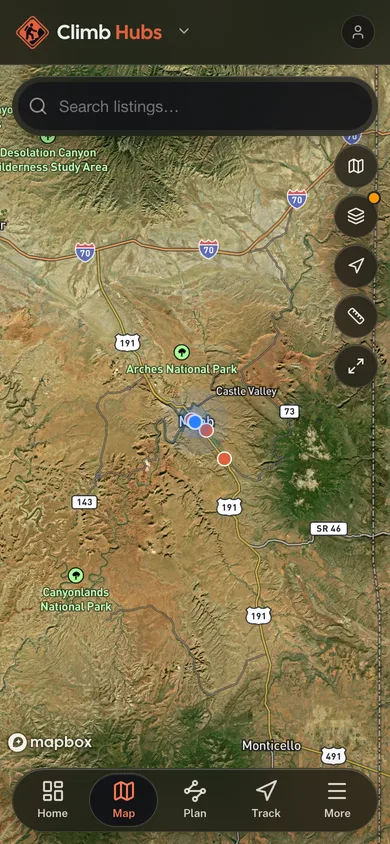
22 on the map
Tap a pin to open its profile.
Quick facts
- Crags mapped
- 258
- Gyms, guides and schools listed
- 22
- Best season
- May through October
All listings
22 gyms, guides and schools
across Massachusetts

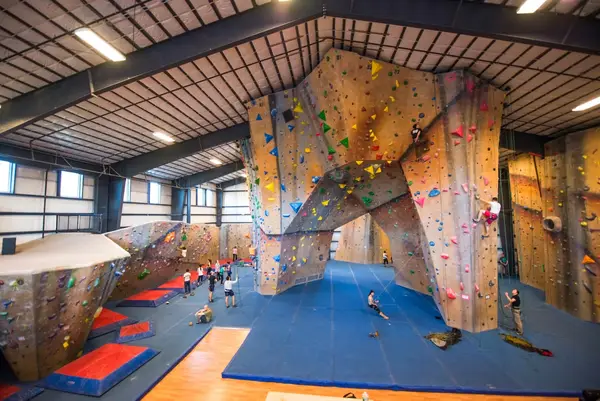
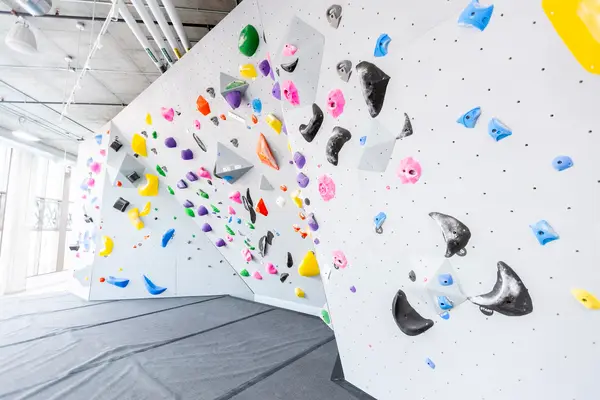

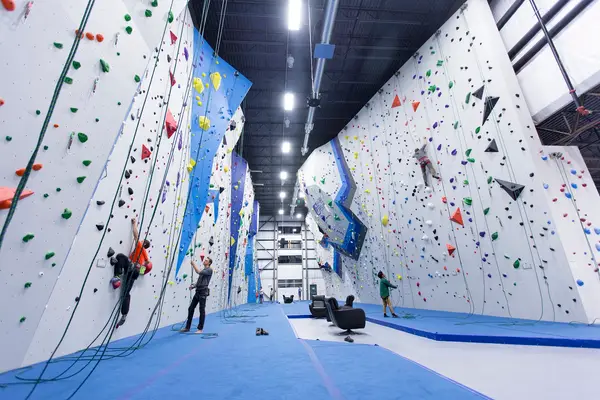
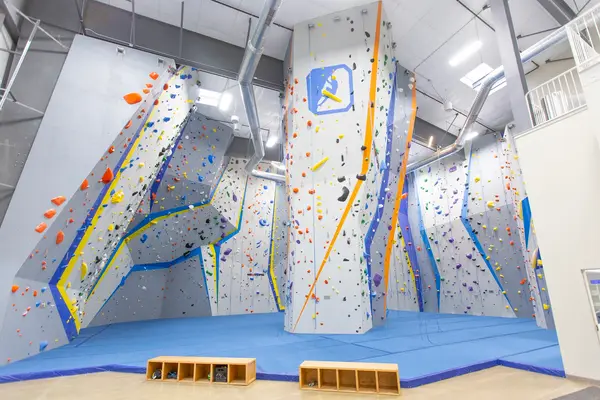


Plan your trip
Plan your trip to Massachusetts
Signature Rock Types and Areas
Massachusetts features a variety of rock types. Granite is prominent in eastern areas like Quincy Quarries (bouldering). Western and Central Massachusetts offer gneiss at Farley Ledges and granite at Chapel Ledge and Purgatory Chasm, providing a mix of traditional and some sport climbing.
Climbing Season and Disciplines
The best outdoor climbing months are typically April-May and September-November. Fall offers optimal friction and cooler temperatures. Massachusetts climbing is defined by bouldering, traditional climbing, and limited sport climbing. Ice climbing is also available seasonally in the western mountains.
Access and Ethics
Many climbing areas are on Department of Conservation and Recreation (DCR) land or private property. Adhere to posted regulations and Leave No Trace principles. Seasonal raptor-nesting closures are common, particularly in spring; check DCR or local climbing coalition websites for current information. Fixed-anchor and bolting norms are generally conservative, emphasizing a traditional ethic at many crags. The Western Massachusetts Climbers' Coalition and Access Fund are key stewardship organizations.
Guide Services and Schools
AMGA-certified guide services and climbing schools operate throughout Massachusetts, offering instruction for all skill levels. These services are invaluable for learning safe techniques, exploring new areas, or advancing specific climbing disciplines, both indoors and at outdoor crags with appropriate permits.
Indoor Gyms vs. Outdoor Crags
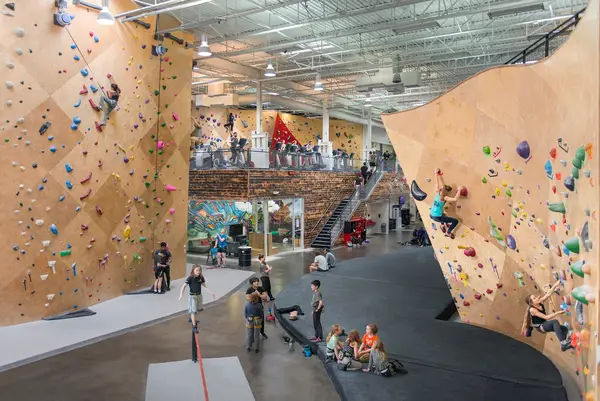
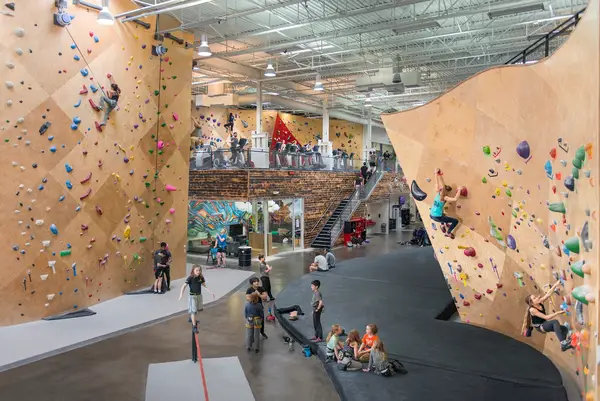
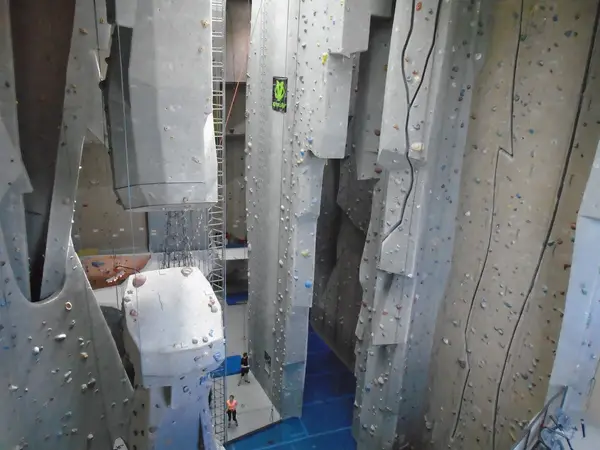
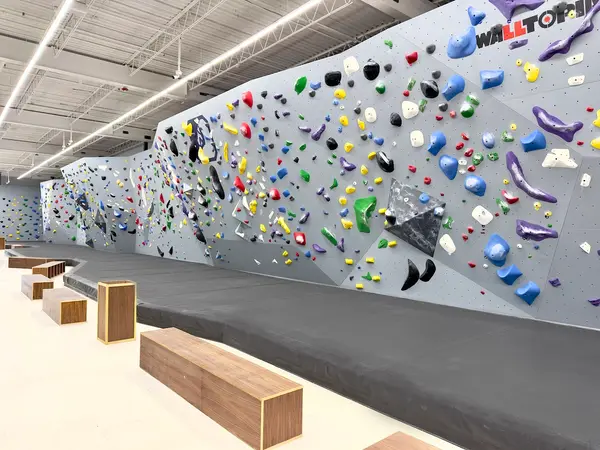
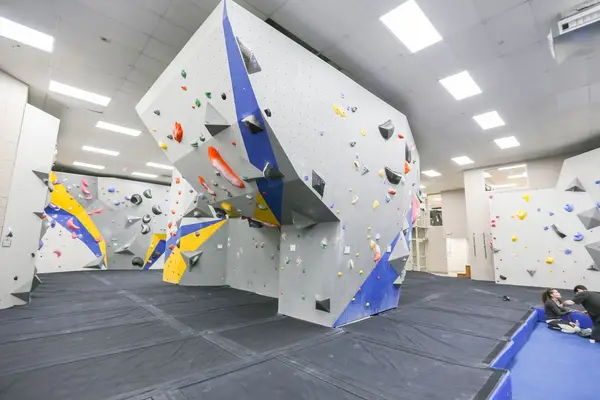
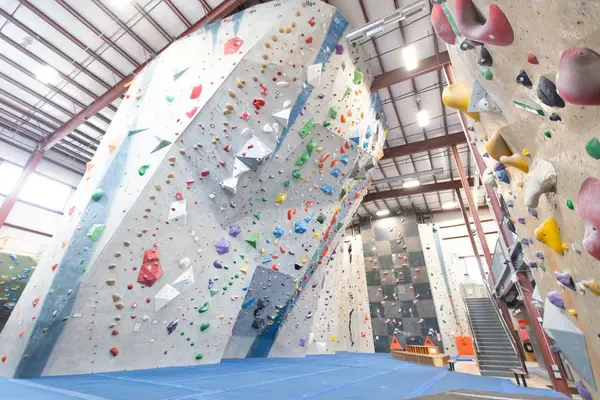
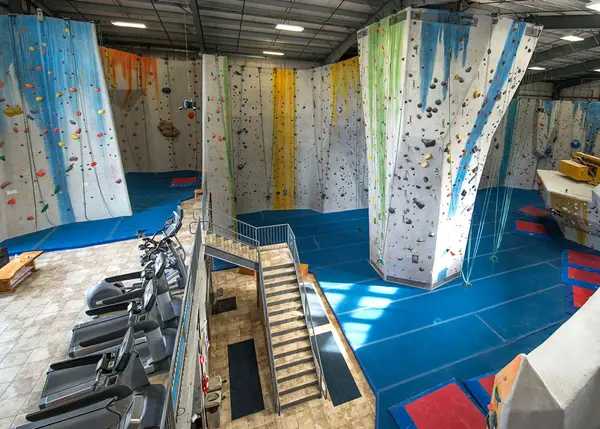
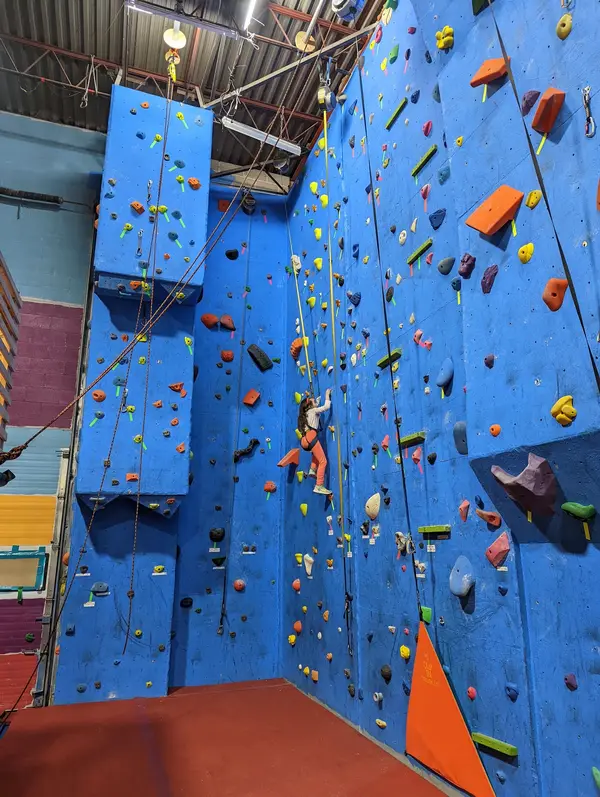
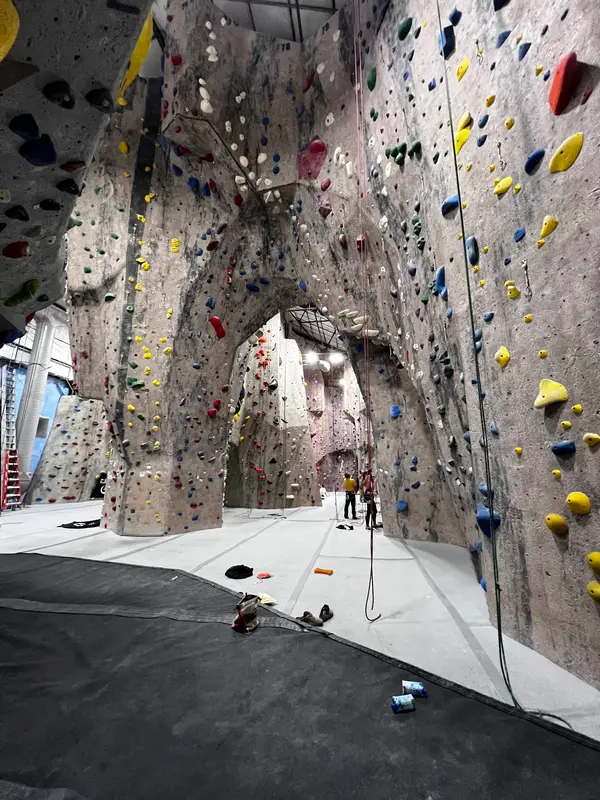
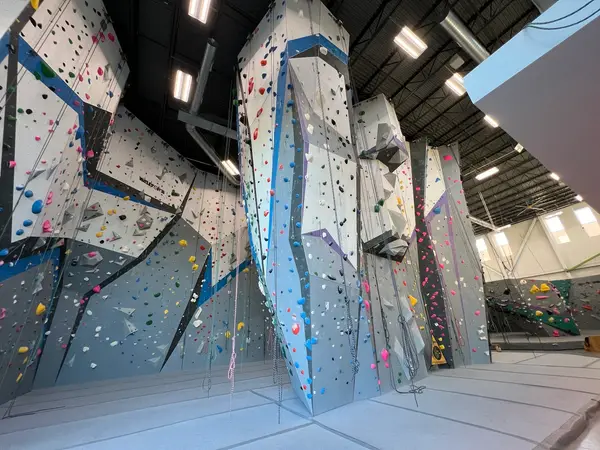
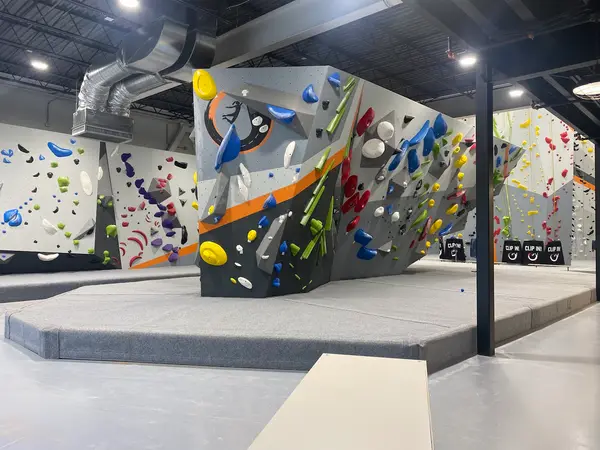
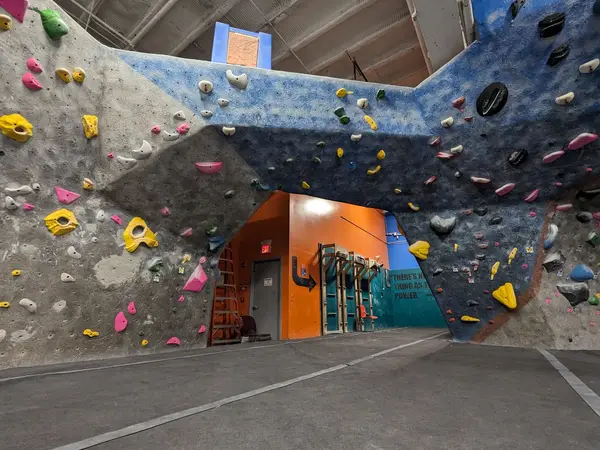
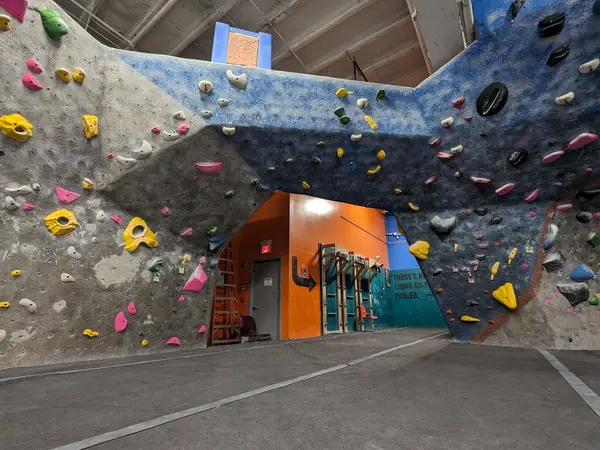
Massachusetts has a robust network of indoor climbing gyms, especially in the Greater Boston area, serving as year-round training facilities and community hubs. Outdoor crags offer a different experience, often requiring more self-sufficiency and knowledge of traditional climbing ethics. Many gyms offer outdoor guiding programs.
Confirm current requirements with the state agency before your trip. Rules and fees change every season.
State Park User Fees
Many outdoor climbing areas in Massachusetts are located within state parks or reservations managed by the Department of Conservation and Recreation (DCR). Where daily parking fees are charged, they apply to all vehicles, with a higher rate for out-of-state (non-resident) plates. Verify specific requirements with the DCR for your intended climbing destination.
Massachusetts DCRCommercial Use Permits for Guide Services
Professional climbing guide services and schools operating on state-managed lands in Massachusetts are typically required to obtain a commercial use permit from the Department of Conservation and Recreation. This ensures compliance with safety standards and land management policies. Visitors should verify their chosen guide service is properly permitted.
Massachusetts DCR PermitsLand-Specific Access Rules
Beyond general state park rules, individual climbing areas may have specific access hours, parking restrictions, or seasonal closures. These are often posted at trailheads or managed by local land trusts. Always check the most current information from the specific land manager or local climbing coalition before visiting to ensure legal and ethical access.
- 01
1. Research Climbing Options
Figure out what you want first (gym sessions, outdoor bouldering, or roped climbing), then match it to the right venue. Rock type, discipline, and drive time all shape the choice in a state with this much variety.
- 02
2. Find a Guide, School, or Experienced Partner
Don't learn outdoor systems by trial and error. A certified guide service or climbing school teaches them right the first time; a patient, experienced mentor is the next best thing.
- 03
3. Understand Access and Regulations
Every crag has its rules: land-manager regulations, parking quirks, seasonal raptor-nesting closures. Check them before you drive, and follow Leave No Trace once you're there, access depends on it.
- 04
4. Acquire Necessary Gear and Knowledge
Gear only keeps you safe if it's in good condition and you know how to use it. Gyms rent everything you need to start; outdoor climbing demands a fuller personal kit and the skills to match.
- 05
5. Start Indoors or with Guided Instruction
Build the fundamentals in a controlled setting, a gym membership or a guided outdoor day, before climbing independently. Confidence earned that way holds up when the terrain gets real.
01What is the best time of year for outdoor climbing in Massachusetts?
02Are there sport climbing opportunities in Massachusetts?
03What kind of rock can I expect to climb on in Massachusetts?
04Are there beginner-friendly outdoor climbing areas in the state?
05Do I need a special permit to climb at Massachusetts outdoor crags?
06Are AMGA-certified climbing guide services available in Massachusetts?
Free tools
Your free outdoor toolkit
Everything Map
Listings, trails, spots, clubs and public land on a single full-screen map. Switch layers on and off, then tap any point for the details.
Open Everything MapCrags
Find climbing areas on a map with discipline, grade range, and how many routes each crag holds.
Open CragsRoute Planner
Drop stops on a map and watch distance and drive time add up. Export a GPX or share the link.
Open Route PlannerClimbing Clubs
Browse local clubs with meeting info and how to join, or start your own for free.
Open Climbing ClubsPhoto ID
Point your camera at whatever you found and get a structured identification. No signup.
Open Photo IDGear Checklists
Printable, save-as-you-go packing lists. Tick items off and pull them up on your phone.
Open Gear Checklists


Keep exploring