Rock Climbing · New Hampshire
Rock Climbing in New Hampshire
Climb 15 gyms, guides and schools across New Hampshire. Maps, hours, contact info, photos, and verified operator profiles, all in one place.
White Mountains, lakes region, and 18 miles of Atlantic coastline.
About New Hampshire
Best time to go
When to climb in New Hampshire
May through October. Peak fall color late September.
- October–November: cool, dry, high-friction "send temps"
- Spring: good climbing between rain showers
- Summer: humid and greasy, so dawn patrol or head north
15 on the map
Tap a pin to open its profile.
Quick facts
- Crags mapped
- 220
- Gyms, guides and schools listed
- 15
- Best season
- May through October
All listings
15 gyms, guides and schools
across New Hampshire


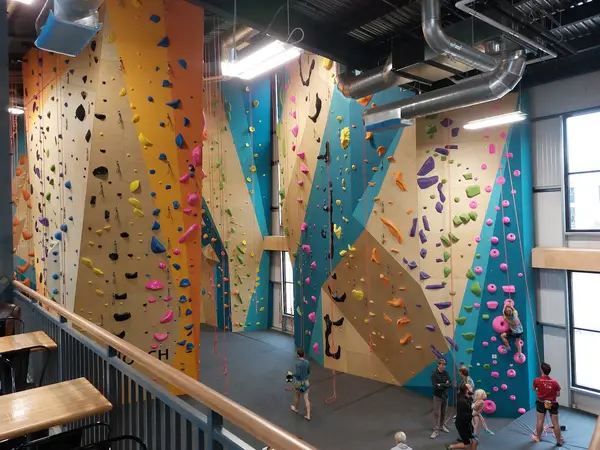
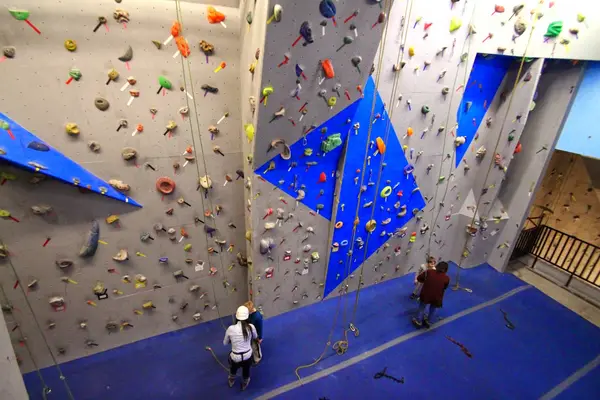
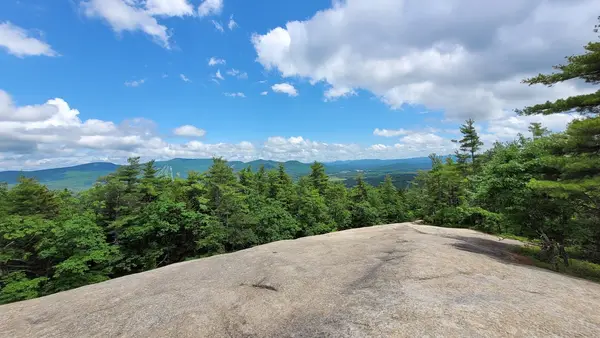
Watch it live
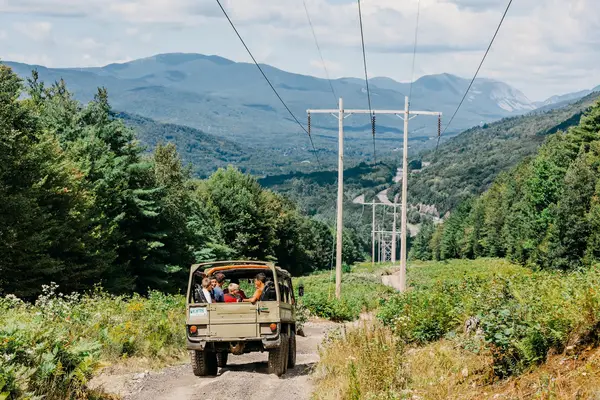
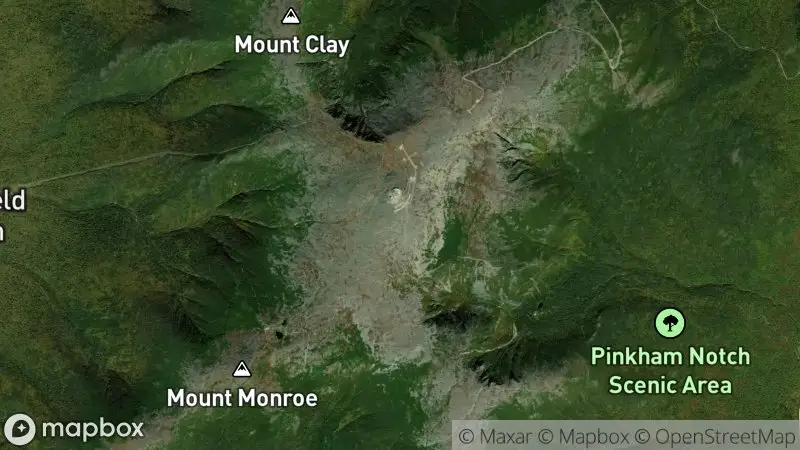
Live webcams in New Hampshire
 Location
Mount Washington Summit & Ravines
via Mount Washington Observatory
Watch livePlan your trip
Plan your trip to New Hampshire
Signature Rock Types and Climbing Areas
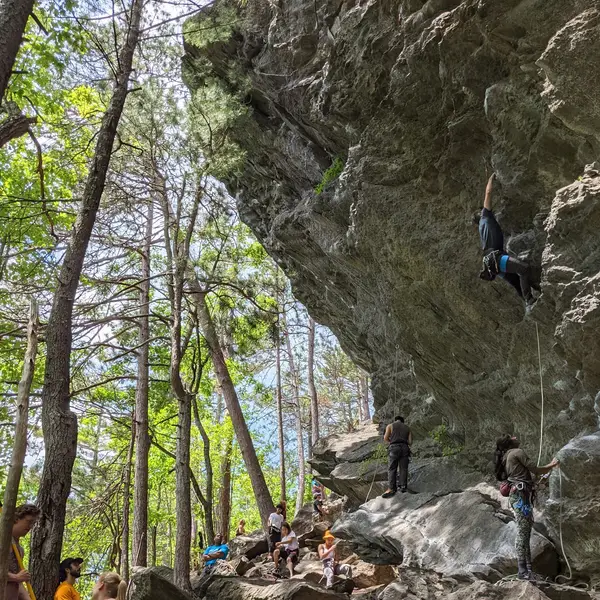
New Hampshire is primarily known for its excellent granite climbing, especially in the White Mountains at iconic locations like Cathedral Ledge, Whitehorse Ledge, and Cannon Cliff. Rumney Rocks, a world-class sport climbing destination, features unique schist formations. Bouldering opportunities exist across various areas, often on granite.
Climbing Season and Best Months
The outdoor climbing season generally runs from late April through early November. Fall, particularly September and October, is considered the prime time due to stable weather, cooler temperatures, and stunning foliage. High-elevation alpine routes may have a shorter window.
Disciplines and Guide Services
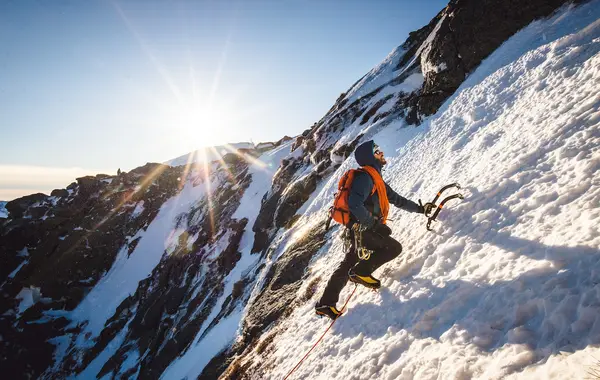
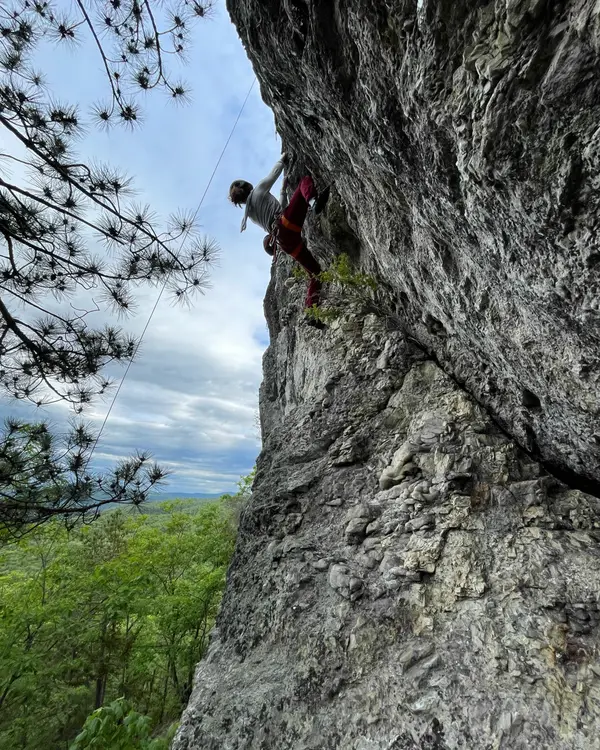
New Hampshire is a stronghold for traditional climbing and multi-pitch routes in the White Mountains. Rumney is nationally recognized for sport climbing. Bouldering is also popular, and winter offers extensive ice and mixed climbing. Numerous AMGA-certified guide services and schools operate here, offering instruction and guiding for all disciplines.
Access, Ethics, and Closures
Most major climbing areas are within the White Mountain National Forest (WMNF) or managed by the state or local land trusts. Adherence to Leave No Trace principles is paramount. Seasonal raptor-nesting closures are common, especially in spring and early summer; always check local advisories (e.g., from the Access Fund or WMNF) before visiting a crag. Fixed anchors and bolting norms generally align with national best practices, with local climbing organizations often involved in maintenance.
Confirm current requirements with the state agency before your trip. Rules and fees change every season.
NH Outdoor Guide License
New Hampshire's Fish and Game guide license (RSA 215) covers hunting and fishing guides, it does not extend to rock climbing guides, and no state license is specifically required to guide climbing in New Hampshire. Climbing guides work under professional certification (e.g., AMGA) and, on public land, the managing agency's commercial special-use permit; verify requirements with the land manager, such as the White Mountain National Forest.
NH Fish and GameWhite Mountain National Forest Recreation Pass
Many popular trailheads and parking areas within the White Mountain National Forest, which provides access to numerous climbing crags, require a recreation pass or day-use fee. Passes can be purchased on-site or online, and various federal passes (e.g., America the Beautiful) are often accepted.
White Mountain National ForestAdherence to Land Manager Regulations
Climbers must always adhere to specific regulations set forth by the managing authority of the climbing area, whether it's the White Mountain National Forest, state parks, or private land trusts. This includes rules regarding camping, fires, group size, and seasonal closures, particularly for raptor nesting. Always check current conditions and specific crag rules before your visit.
- 01
Research Your Destination
Decide what you're after first (gym or outdoors, sport, trad, or bouldering), because it determines the venue. Rumney and Cathedral Ledge are famous for opposite reasons, and matching the crag to your skills and appetite is half of a good day.
- 02
Check Conditions and Access
New Hampshire weather changes its mind fast, and raptor-nesting closures can take routes off the table for a season. Check the forecast, Mountain Project, local organization pages, and WMNF advisories before committing to a plan.
- 03
Secure Instruction or Guidance
New to the outdoors, or to gear, or to multi-pitch? This state has one of the region's best guide benches, an AMGA-certified service or a climbing school will compress years of trial and error into a few well-taught days.
- 04
Prepare Your Gear and Permits
Pack for the discipline and for the mountains: first aid, water, and layers earn their weight here. If your crag sits inside the White Mountain National Forest, sort out a recreation pass for the trailhead before you arrive.
- 05
Practice Leave No Trace Principles
Pack out everything, stay on established trails, give wildlife its space, and be a good neighbor to other users and the private landowners whose goodwill keeps some crags open. The rock has been here forever; climb like you want the access to last as long.
01What is the best time of year to climb outdoors in New Hampshire?
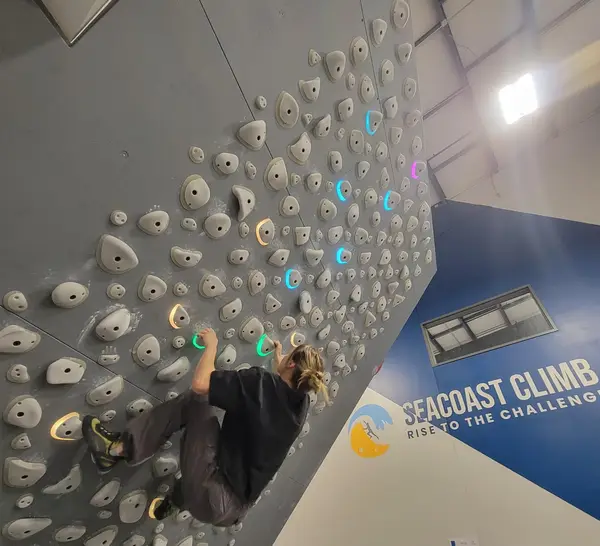
02Are there climbing gyms in New Hampshire?
03Do I need a guide to climb in New Hampshire?
04What kind of climbing is New Hampshire known for?
05Are there any specific access issues or closures I should be aware of?
06Is New Hampshire suitable for beginner climbers?
Free tools
Your free outdoor toolkit
Everything Map
Listings, trails, spots, clubs and public land on a single full-screen map. Switch layers on and off, then tap any point for the details.
Open Everything MapCrags
Find climbing areas on a map with discipline, grade range, and how many routes each crag holds.
Open CragsRoute Planner
Drop stops on a map and watch distance and drive time add up. Export a GPX or share the link.
Open Route PlannerClimbing Clubs
Browse local clubs with meeting info and how to join, or start your own for free.
Open Climbing ClubsPhoto ID
Point your camera at whatever you found and get a structured identification. No signup.
Open Photo IDGear Checklists
Printable, save-as-you-go packing lists. Tick items off and pull them up on your phone.
Open Gear Checklists


Keep exploring