Rock Climbing · Wisconsin
Rock Climbing in Wisconsin
Climb 15 gyms, guides and schools across Wisconsin. Maps, hours, contact info, photos, and verified operator profiles, all in one place.
Apostle Islands, the Driftless, and 15,000 lakes.
About Wisconsin
Best time to go
When to climb in Wisconsin
May through October.
- October–November: cool, dry, high-friction "send temps"
- Spring: good climbing between rain showers
- Summer: humid and greasy, so dawn patrol or head north
15 on the map
Tap a pin to open its profile.
Quick facts
- Crags mapped
- 116
- Gyms, guides and schools listed
- 15
- Best season
- May through October
All listings
15 gyms, guides and schools
across Wisconsin
Plan your trip
Plan your trip to Wisconsin
Signature Rock Types and Climbing Areas
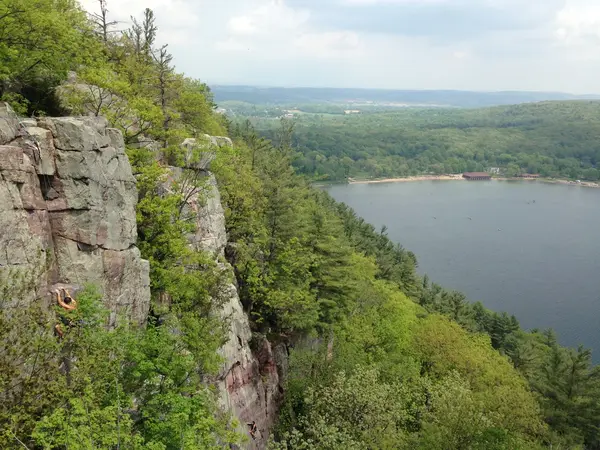
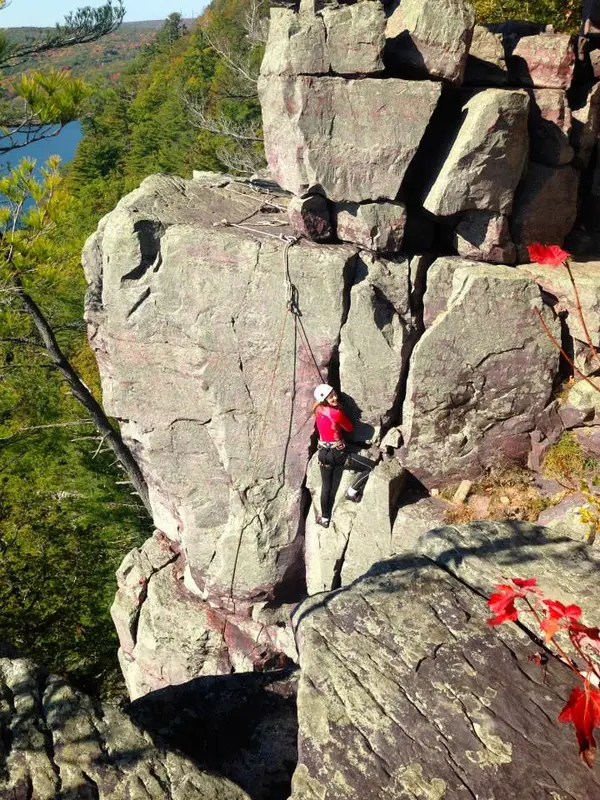
Wisconsin's most prominent climbing features are the Baraboo quartzite cliffs of Devil's Lake State Park, offering primarily traditional climbing and bouldering. Other areas include basalt and sandstone formations along the St. Croix River Dalles, suitable for bouldering and some trad. Sport climbing is very limited outdoors.
Climbing Season and Best Months
The outdoor climbing season generally runs from April through October. Fall (September-October) is often considered the best time due to cooler temperatures, lower humidity, and stable weather, providing optimal friction and pleasant conditions.
Indoor Gyms vs. Outdoor Crags
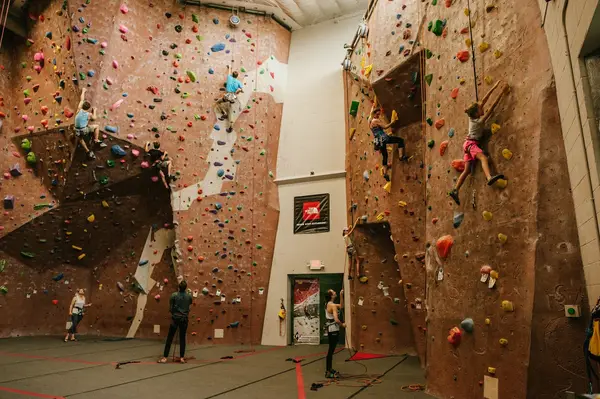
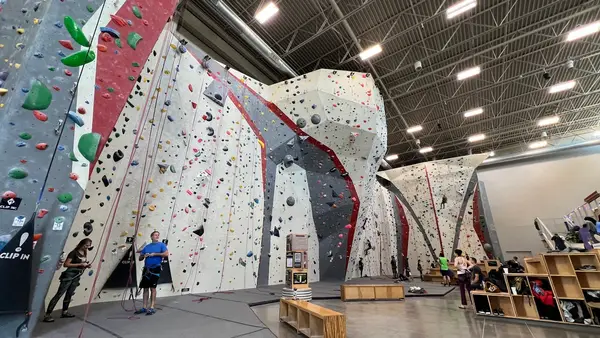
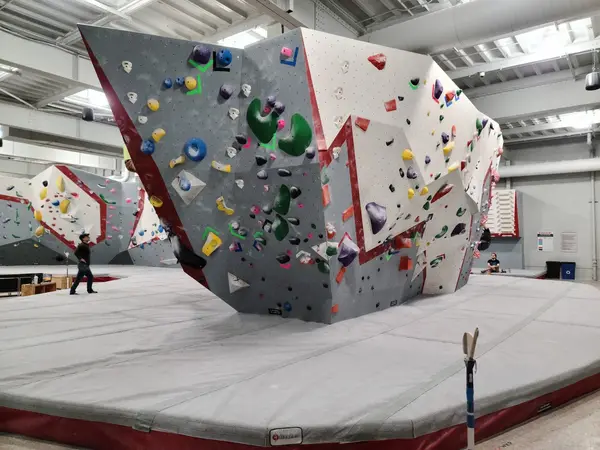
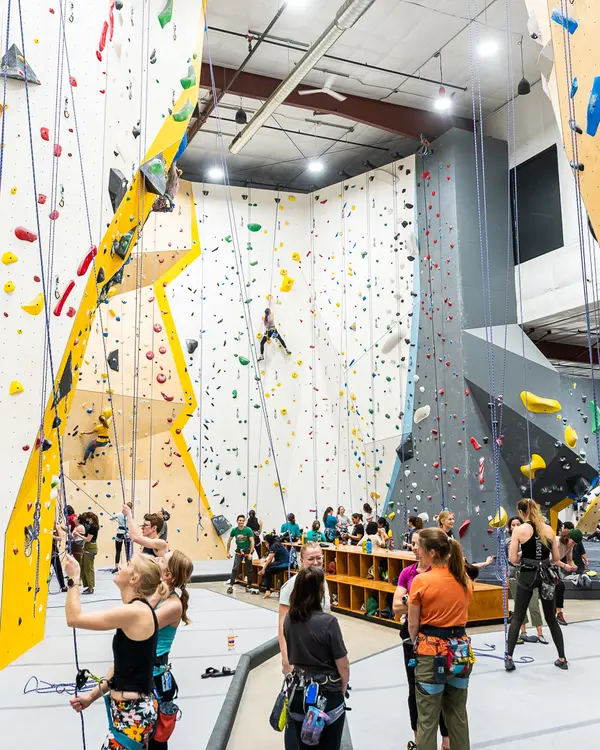
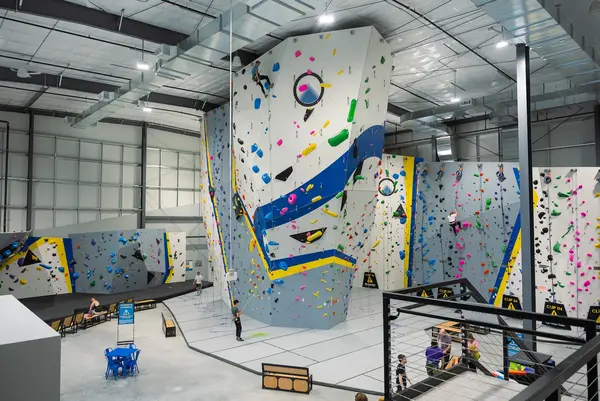
Wisconsin has a thriving indoor climbing gym scene in major cities, offering year-round training and community. Outdoor crags, particularly Devil's Lake, are accessible seasonally and provide a distinct experience focused on trad climbing and bouldering, requiring different skill sets and gear.
Disciplines and Access/Ethics
Traditional climbing and bouldering define outdoor climbing in Wisconsin. Fixed anchors and bolting are generally prohibited at Devil's Lake, emphasizing a traditional ethic. Seasonal raptor-nesting closures can occur; check with the Wisconsin DNR. The Access Fund and local climbing coalitions advocate for responsible access and stewardship.
Guide Services and Schools
AMGA-certified guide services and climbing schools operate in Wisconsin, offering instruction for all skill levels. They provide guided trips to outdoor crags and often utilize indoor gyms for foundational training, ensuring safe and educational climbing experiences.
Confirm current requirements with the state agency before your trip. Rules and fees change every season.
State Park Vehicle Admission
A valid Wisconsin State Park vehicle admission sticker or daily pass is required for entry to state parks like Devil's Lake. This applies to all vehicles, and fees vary for residents and non-residents. Verify current rates with the state agency.
Wisconsin DNRFixed Anchor and Bolting Policy
At Devil's Lake State Park, the installation of new fixed anchors, including bolts, is prohibited. Climbers must adhere to traditional climbing ethics, utilizing removable protection. In practice this is a longstanding local climbing ethic rather than an anchor-specific DNR rule, the park itself takes a neutral stance on climbing, though placing new bolts would also run afoul of Wisconsin's general prohibition on defacing natural rock features (NR 45.04). It keeps the ancient quartzite intact.
Commercial Use Authorization for Guides
Any commercial entity or individual providing guided climbing services within Wisconsin State Parks must obtain a commercial use authorization or permit from the Wisconsin Department of Natural Resources. Operators should contact the DNR for specific requirements and application procedures.
- 01
Start Indoors at a Climbing Gym
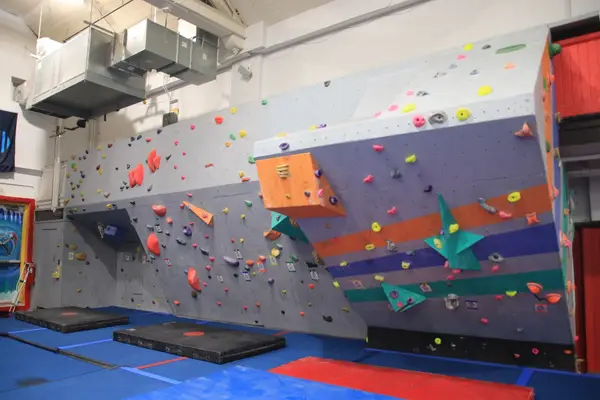
The gym is the on-ramp. Wisconsin's indoor facilities offer rental gear, intro classes, and a controlled setting to learn movement and safety systems before any of it matters twenty feet off the deck.
- 02
Take a Guided Climbing Course
Quartzite trad is not a self-taught discipline. An AMGA-certified guide service can walk you through knots, anchor building, and lead skills: in the gym first, then on real rock at Devil's Lake, where the lessons stick.
- 03
Understand Outdoor Ethics and Regulations
Know the rules before you rack up. Devil's Lake prohibits new fixed anchors, seasonal closures protect nesting raptors, and Leave No Trace is the standing expectation. Pack out everything, the access climbers enjoy here was earned, and it's kept the same way.
- 04
Acquire Appropriate Gear
Helmet, harness, shoes, belay device, that's the floor. Trad climbing adds a rope and a full rack of cams, nuts, and slings, which is a real investment. Ask guides or experienced partners what to buy first; the answer is rarely 'everything at once.'
- 05
Join a Local Climbing Community
Find the locals. Climbing organizations and informal groups trade beta on the crags, host events, and, most usefully, produce partners. Climbing with people who know the rock makes you safer and faster than any guidebook can.
01Is Wisconsin good for beginner climbers?
02What kind of climbing is most popular in Wisconsin?
03Are there climbing guide services available in Wisconsin?
04What is the best time of year to climb outdoors in Wisconsin?
05Do I need any special permits to climb in Wisconsin State Parks?
06Are there any restrictions on fixed anchors or bolting at outdoor climbing areas?
Free tools
Your free outdoor toolkit
Everything Map
Listings, trails, spots, clubs and public land on a single full-screen map. Switch layers on and off, then tap any point for the details.
Open Everything MapCrags
Find climbing areas on a map with discipline, grade range, and how many routes each crag holds.
Open CragsRoute Planner
Drop stops on a map and watch distance and drive time add up. Export a GPX or share the link.
Open Route PlannerClimbing Clubs
Browse local clubs with meeting info and how to join, or start your own for free.
Open Climbing ClubsPhoto ID
Point your camera at whatever you found and get a structured identification. No signup.
Open Photo IDGear Checklists
Printable, save-as-you-go packing lists. Tick items off and pull them up on your phone.
Open Gear Checklists
Keep exploring