Rock Climbing · Minnesota
Rock Climbing in Minnesota
Climb 20 gyms, guides and schools across Minnesota. Maps, hours, contact info, photos, and verified operator profiles, all in one place.
11,842 lakes, the Boundary Waters, and the headwaters of the Mississippi.
About Minnesota
Best time to go
When to climb in Minnesota
May through October. Winter belongs to ice fishing and Nordic skiing.
- October–November: cool, dry, high-friction "send temps"
- Spring: good climbing between rain showers
- Summer: humid and greasy, so dawn patrol or head north
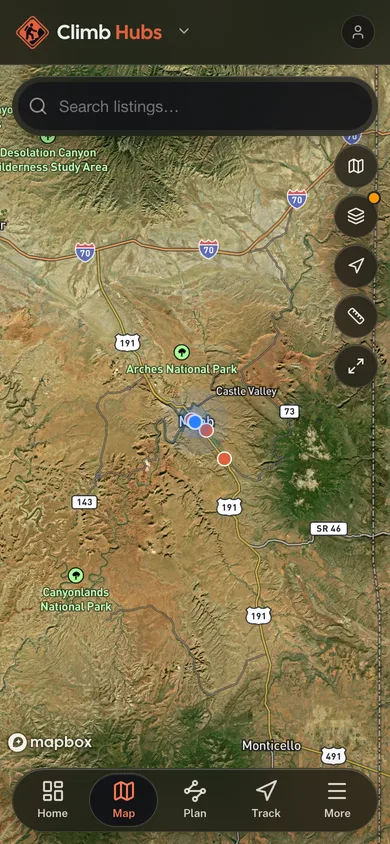
20 on the map
Tap a pin to open its profile.
Quick facts
- Crags mapped
- 9
- Gyms, guides and schools listed
- 20
- Best season
- May through October
All listings
20 gyms, guides and schools
across Minnesota
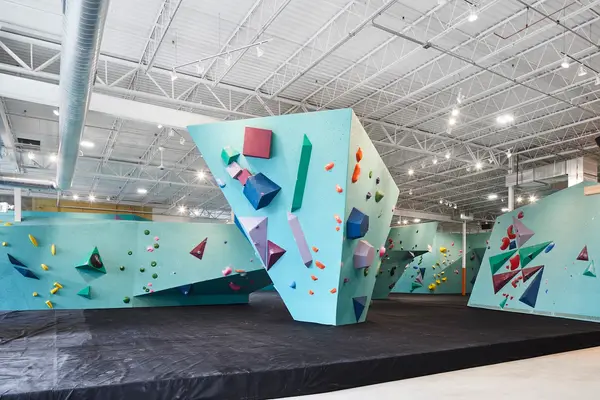
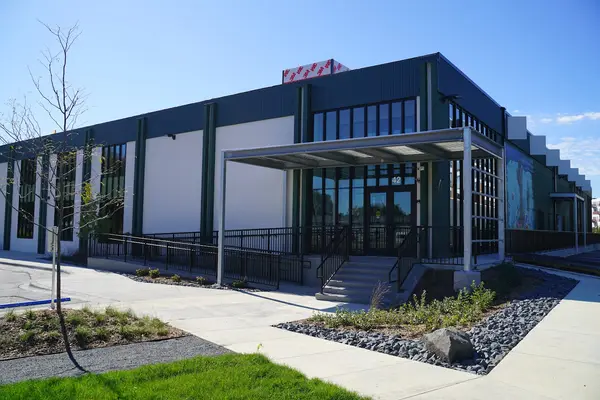
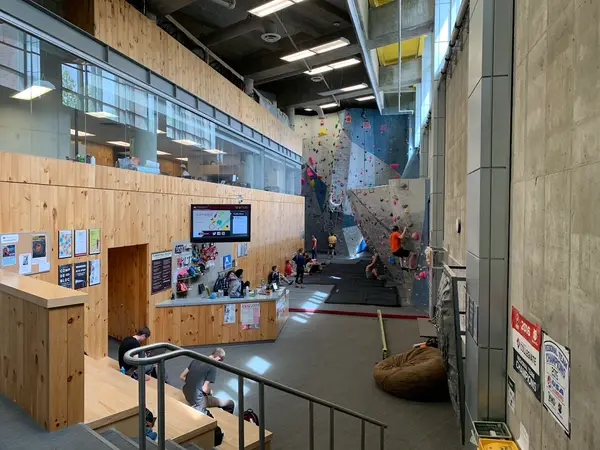

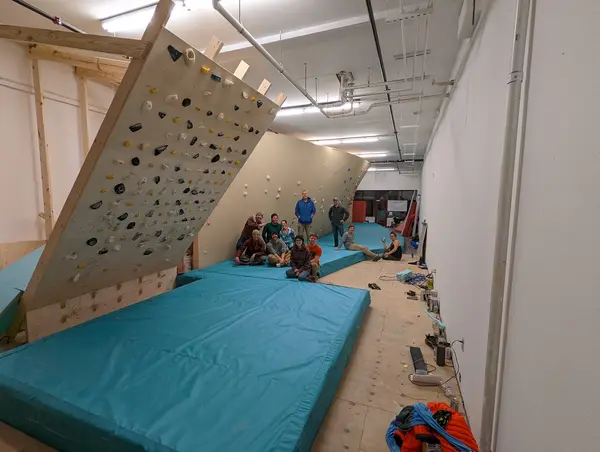



Plan your trip
Plan your trip to Minnesota
Signature Rock Types and Areas
Minnesota features unique rhyolite formations along the North Shore of Lake Superior (Palisade Head, Shovel Point) for traditional climbing, limestone bluffs in southeastern Minnesota (Barn Bluff) for sport and trad, and granite quarries in central Minnesota for bouldering and top-roping.
Climbing Season and Best Months
The outdoor climbing season generally runs from late April through October. Fall (September-October) is widely considered the best time for dry rock and cool temperatures across all areas, while summer is excellent for the North Shore due to cooler lake effects.
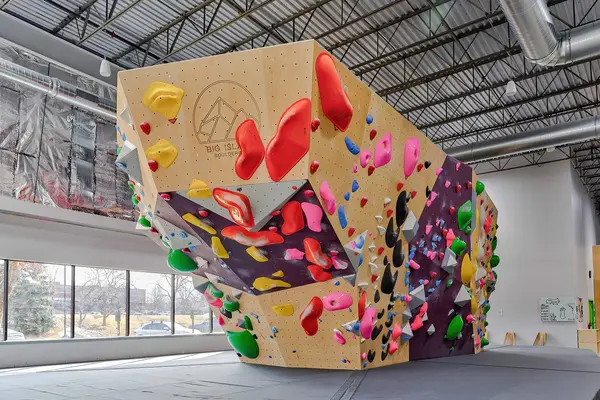
Indoor Gyms vs. Outdoor Crags
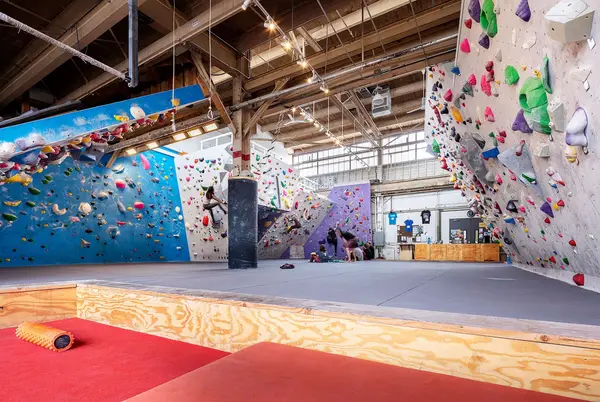
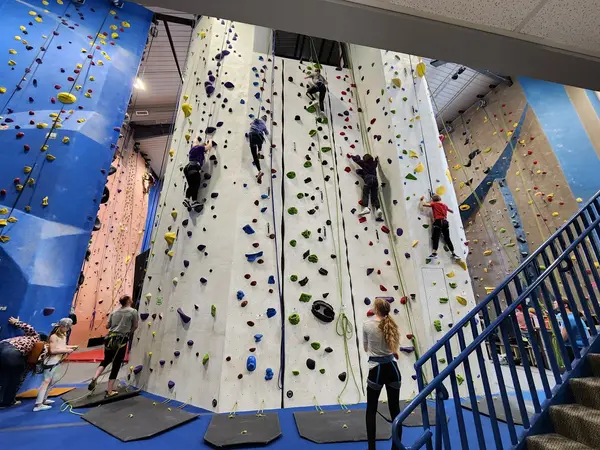
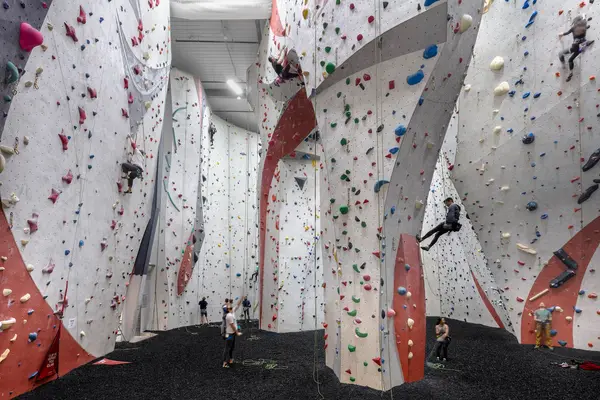
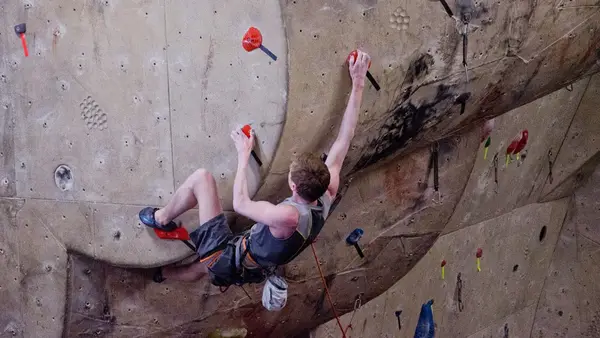
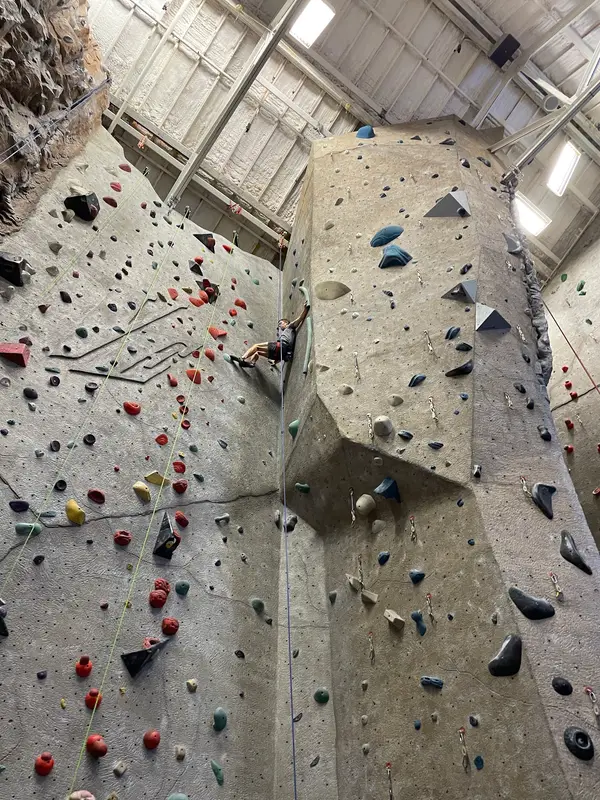
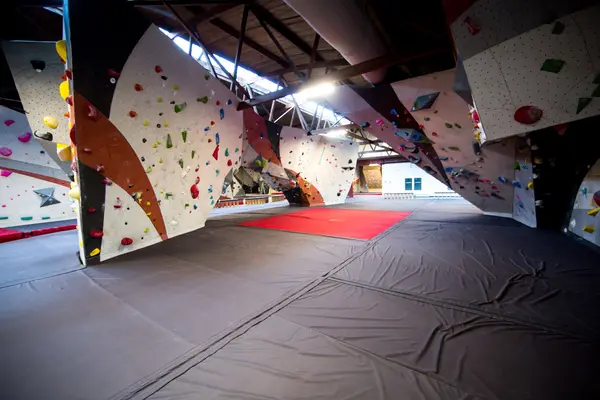
Minnesota has a strong indoor climbing scene, especially in the Twin Cities, providing year-round access and instruction. Outdoor crags offer diverse experiences, from multi-pitch trad on rhyolite to single-pitch sport routes on limestone, requiring varying skill sets and gear.
Disciplines and Access Ethics
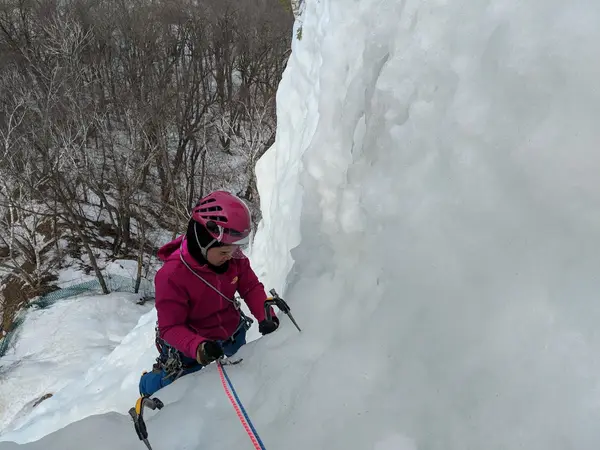
Traditional climbing defines the North Shore, while sport and bouldering are prevalent in the south and central regions. Ice climbing is popular in winter. Be aware of seasonal raptor nesting closures, particularly at Palisade Head and Shovel Point, and always check with land managers like the Minnesota DNR for current access requirements and ethical guidelines. The Access Fund and local climbing organizations actively promote stewardship.
Fixed Anchors and Bolting Norms
Bolting ethics vary by crag and land manager. Generally, new route development and fixed anchors are established in accordance with local climbing community consensus and land manager approvals. Always verify specific area regulations before placing or replacing fixed gear.
Guide Services and Schools
AMGA-certified guide services and climbing schools operate throughout Minnesota, offering instruction, guided trips, and specialized courses for all levels. They provide safe and professional opportunities to explore both indoor and outdoor climbing environments.
Confirm current requirements with the state agency before your trip. Rules and fees change every season.
Minnesota State Park Vehicle Permit
A vehicle permit is required for entry into all Minnesota State Parks, including those with climbing access like Tettegouche State Park (Shovel Point). Permits can be purchased daily or annually.
Minnesota DNRClimbing-Specific Permits
While most state parks only require a vehicle permit, specific climbing areas or private lands may have additional permit or registration requirements. For example, climbing at Barn Bluff in Red Wing may involve local city regulations; always verify with the local managing authority or a guide service.
Guide Service Professional Certification
There is no specific state-level licensing requirement for climbing guides in Minnesota. However, reputable guide services and climbing schools adhere to industry standards, employing guides with professional certifications such as those from the American Mountain Guides Association (AMGA).
- 01
1. Define Your Climbing Style
Gym climbing, outdoor bouldering, sport, or trad, pick your lane first. The answer decides where in Minnesota you should go and which guide services fit.
- 02
2. Research Locations and Services
Shortlist the gyms or crags that match your goal. If outdoor climbing is new to you, look up the guide services and schools teaching in your chosen discipline and region, a day of instruction beats a season of guessing.
- 03
3. Check Access and Permit Requirements
Sort out permits before you leave, a Minnesota State Park vehicle permit where it applies, and read the access rules for your crag. Raptor nesting closures come and go seasonally; confirm yours is open.
- 04
4. Plan for Seasonal Conditions
Minnesota's calendar swings hard. Time your trip to the conditions your area climbs best in, and account for temperature, rain, and the real possibility of lingering ice or snow at either end of the season.
- 05
5. Connect with Local Resources
The locals know what the guidebook doesn't. Tap climbing communities, online forums, and organizations like the Minnesota Climbers Association for current beta, access updates, and stewardship days worth joining.
01What are the primary types of climbing available in Minnesota?
02Are there good options for beginner climbers in Minnesota?
03What is the best time of year to climb outdoors in Minnesota?
04Do I need special permits to climb in Minnesota State Parks?
05Are AMGA-certified guide services available in Minnesota?
06What should I know about raptor closures in Minnesota climbing areas?
Free tools
Your free outdoor toolkit
Everything Map
Listings, trails, spots, clubs and public land on a single full-screen map. Switch layers on and off, then tap any point for the details.
Open Everything MapCrags
Find climbing areas on a map with discipline, grade range, and how many routes each crag holds.
Open CragsRoute Planner
Drop stops on a map and watch distance and drive time add up. Export a GPX or share the link.
Open Route PlannerClimbing Clubs
Browse local clubs with meeting info and how to join, or start your own for free.
Open Climbing ClubsPhoto ID
Point your camera at whatever you found and get a structured identification. No signup.
Open Photo IDGear Checklists
Printable, save-as-you-go packing lists. Tick items off and pull them up on your phone.
Open Gear Checklists

Keep exploring