Rock Climbing · Iowa
Rock Climbing in Iowa
Climb 6 gyms, guides and schools across Iowa. Maps, hours, contact info, photos, and verified operator profiles, all in one place.
Driftless bluffs, Mississippi backwaters, and prairie pothole wetlands.
About Iowa
Best time to go
When to climb in Iowa
April through October.
- October–November: cool, dry, high-friction "send temps"
- Spring: good climbing between rain showers
- Summer: humid and greasy, so dawn patrol or head north
6 on the map
Tap a pin to open its profile.
Quick facts
- Crags mapped
- 3
- Gyms, guides and schools listed
- 6
- Best season
- April through October
Crag Explorer
Crags across Iowa
Tap a crag to pinpoint it on the map, then open it for discipline, rock, and route count.
All listings
6 gyms, guides and schools
across Iowa
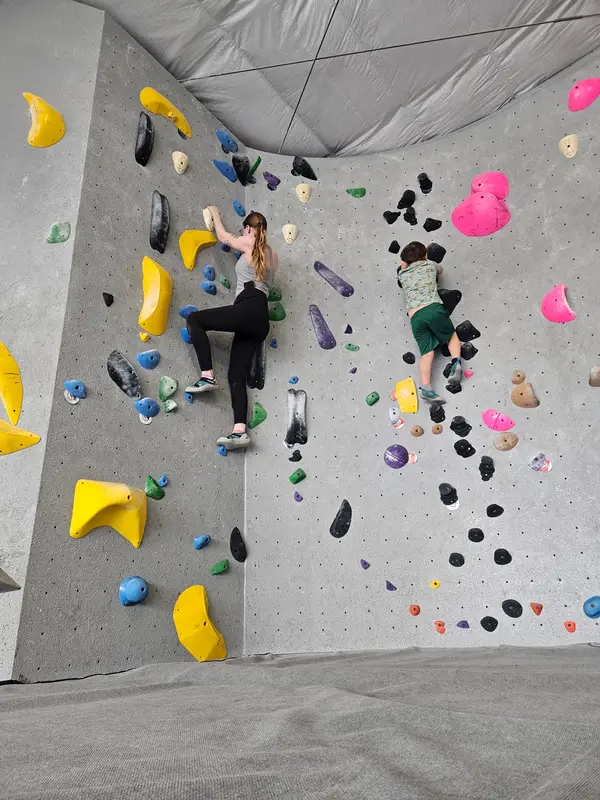
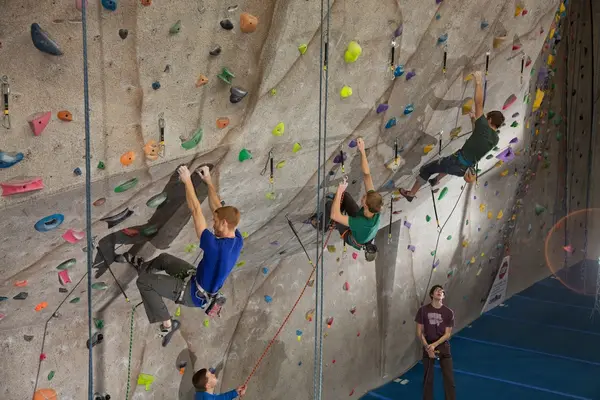
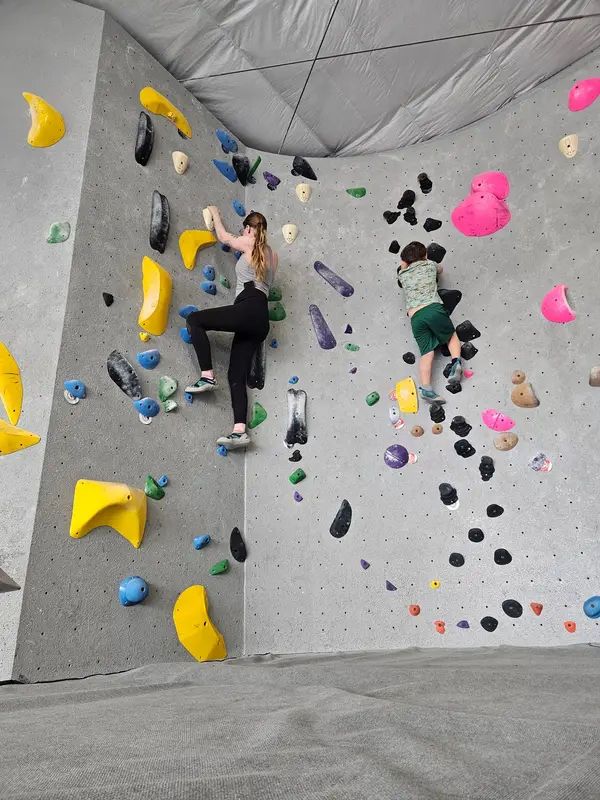
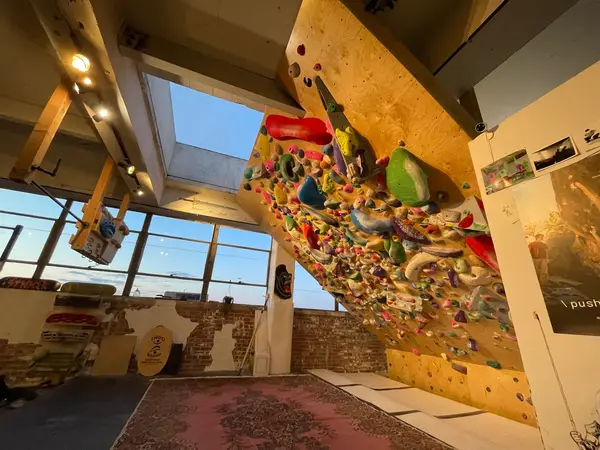
Plan your trip
Plan your trip to Iowa
Signature Rock Types and Areas
Iowa's outdoor climbing is primarily on dolomite and limestone, found at the only two parks where climbing is allowed, Backbone State Park near Dundee and Palisades-Kepler State Park near Mount Vernon. These areas offer top-roping and some bouldering on dolomite and limestone bluffs; climbing and rappelling are prohibited at parks like Ledges and Maquoketa Caves.
Climbing Season and Best Months
The outdoor climbing season in Iowa is brief, with fall (September to November) offering the most favorable conditions due to cooler, drier weather. Indoor climbing gyms provide year-round access and are the predominant climbing venues.
Indoor Gyms vs. Outdoor Crags
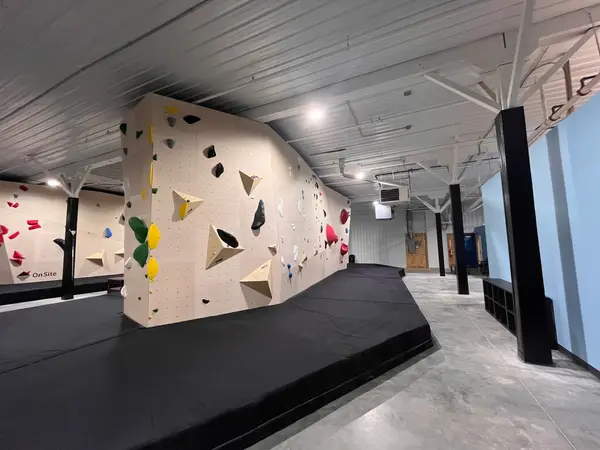
Iowa's climbing scene is heavily dominated by indoor gyms, which are widespread in major cities. Outdoor crags are limited, often requiring specific local knowledge or guided access, and are generally suitable for bouldering and introductory top-roping.
Disciplines and Ethics
Bouldering and top-roping are the defining disciplines outdoors. Sport and trad climbing are virtually non-existent. Fixed anchors are rare, and new bolting is generally not permitted or culturally accepted. Adherence to Leave No Trace principles is paramount, and climbers should be aware of potential seasonal closures for raptor nesting, though specific instances are uncommon for climbing areas here.
Access and Land Management
Access to outdoor climbing areas typically falls under state park regulations. Climbing and rappelling are prohibited in Iowa state parks except at Backbone and Palisades-Kepler, and even there each climber must register with the person in charge of the park before starting. Commercial guide services operating on public lands may require specific permits from the Iowa Department of Natural Resources. There are no prominent local climbing coalitions or Access Fund chapters actively managing crags in Iowa due to the limited scope of outdoor climbing.
AMGA-Certified Guide Services
AMGA-certified rock climbing guides are rare for outdoor rock climbing in Iowa due to the limited terrain suitable for advanced instruction. However, some local guide services or instructors may offer basic climbing skills courses, often utilizing indoor gyms or introductory outdoor areas.
Confirm current requirements with the state agency before your trip. Rules and fees change every season.
Commercial Operations on Public Land
Any guide service, school, or commercial entity planning to conduct climbing activities on Iowa state lands, including state parks and preserves, must first secure a Special Use Permit from the Iowa Department of Natural Resources. Requirements and fees vary based on the scope and nature of the operation.
State Park and Preserve Regulations
All visitors to Iowa State Parks and Preserves, including climbers, must adhere to general park rules and regulations. This includes respecting designated hours, staying on established trails, proper waste disposal, and avoiding unauthorized modifications to natural features. Specific climbing areas may have additional rules posted locally.
Private Land Access
Climbing on private property in Iowa is strictly prohibited without explicit, prior permission from the landowner. Trespassing is illegal and can lead to legal penalties. Always verify land ownership and secure permission before attempting to climb on non-public land.
- 01
Find a Local Climbing Gym
Start at a gym in Des Moines, Iowa City, or Cedar Rapids. A controlled environment, rental gear, and other climbers on every wall, there's no easier on-ramp to the sport in this state.
- 02
Take an Introductory Class
Sign up for a beginner course at your gym. Safety protocols, basic movement, and correct gear handling are much faster to learn from an instructor than by trial and error, and the habits stick.
- 03
Connect with the Local Climbing Community
Talk to people at the gym; check the local online forums. Partners, beta on the outdoor spots, and the unwritten Iowa ethics all travel by word of mouth here, not by guidebook.
- 04
Explore Limited Outdoor Crags Responsibly
Once you have gym experience and ideally a seasoned mentor, head to Ledges State Park or Maquoketa Caves. Bring experienced partners, follow the park rules, and leave the place as you found it, these crags are small enough that carelessness shows.
01Is there outdoor climbing in Iowa?
02What kind of rock can I climb on in Iowa?
03Are there climbing gyms in Iowa?
04Do I need a special permit to climb outdoors in Iowa?
05Are guide services or climbing schools available in Iowa?
06What is the best time of year for outdoor climbing in Iowa?
Free tools
Your free outdoor toolkit
Everything Map
Listings, trails, spots, clubs and public land on a single full-screen map. Switch layers on and off, then tap any point for the details.
Open Everything MapCrags
Find climbing areas on a map with discipline, grade range, and how many routes each crag holds.
Open CragsRoute Planner
Drop stops on a map and watch distance and drive time add up. Export a GPX or share the link.
Open Route PlannerClimbing Clubs
Browse local clubs with meeting info and how to join, or start your own for free.
Open Climbing ClubsPhoto ID
Point your camera at whatever you found and get a structured identification. No signup.
Open Photo IDGear Checklists
Printable, save-as-you-go packing lists. Tick items off and pull them up on your phone.
Open Gear Checklists

Keep exploring