Rock Climbing · Arkansas
Rock Climbing in Arkansas
Climb 11 gyms, guides and schools across Arkansas. Maps, hours, contact info, photos, and verified operator profiles, all in one place.
Ozark hardwoods, Ouachita mountains, and the Buffalo National River.
About Arkansas
Best time to go
When to climb in Arkansas
March through November. Fall color peaks late October.
- October–November: cool, dry, high-friction "send temps"
- Spring: good climbing between rain showers
- Summer: humid and greasy, so dawn patrol or head north
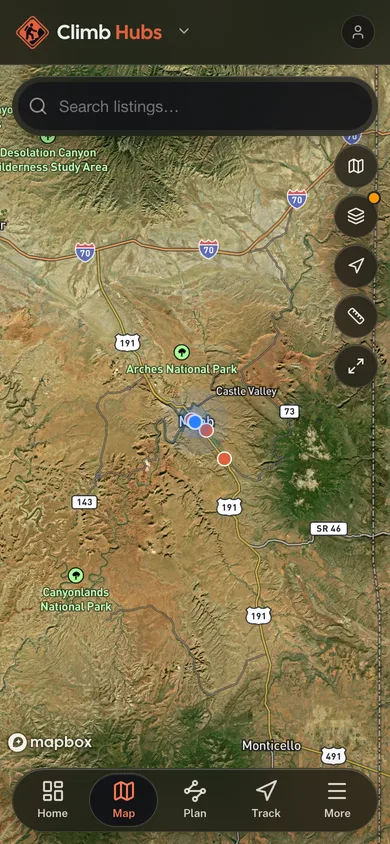
11 on the map
Tap a pin to open its profile.
Quick facts
- Crags mapped
- 49
- Gyms, guides and schools listed
- 11
- Best season
- March through November
All listings
11 gyms, guides and schools
across Arkansas
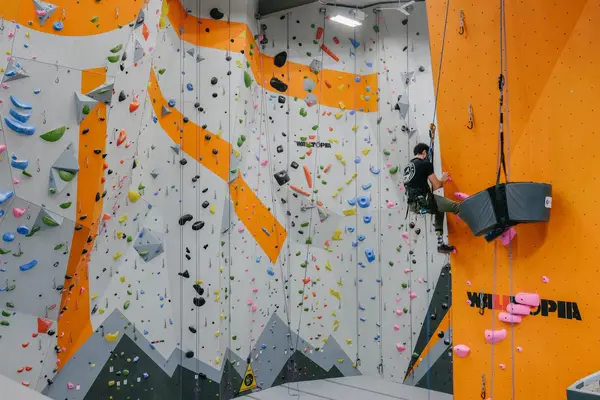
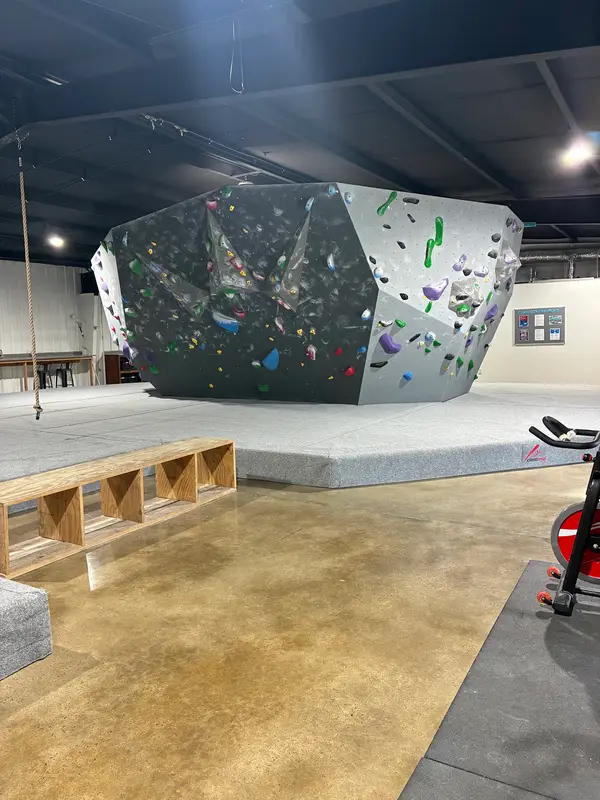
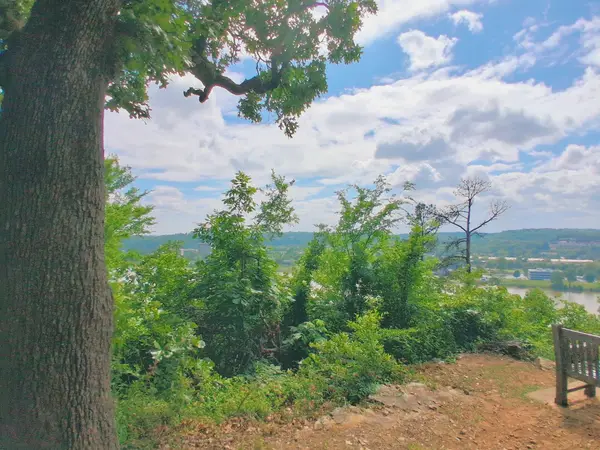

Plan your trip
Plan your trip to Arkansas
Signature Rock Types
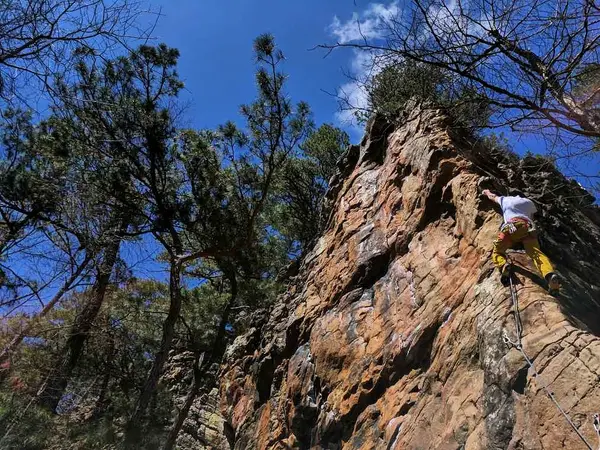
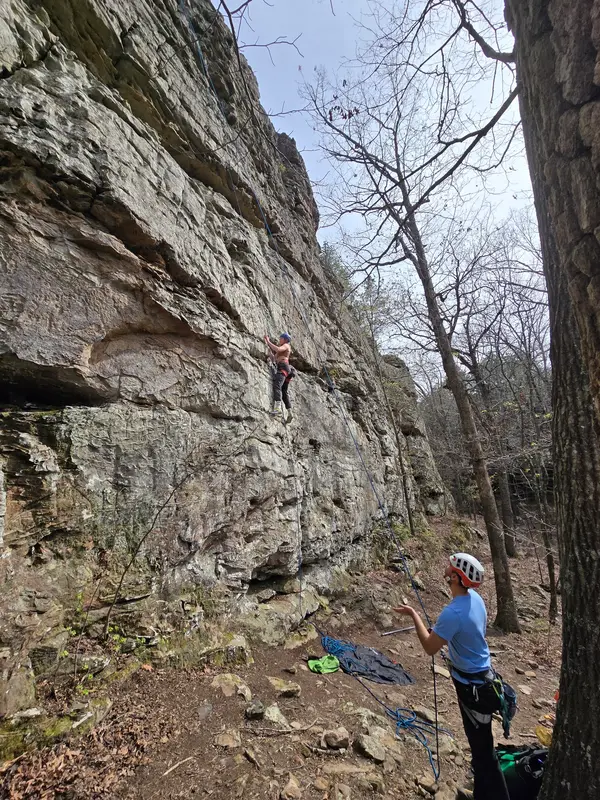
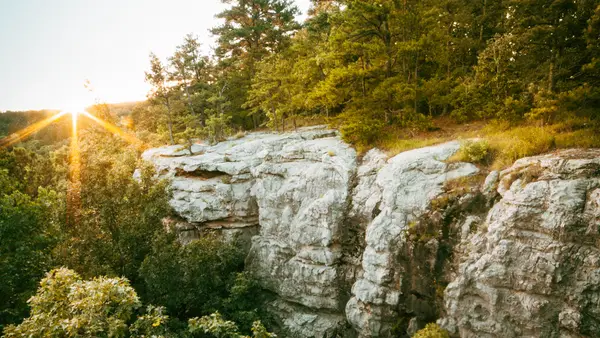
Arkansas's climbing is predominantly defined by its high-quality sandstone in the Ozark Mountains, offering excellent friction for bouldering and sport routes. Some limestone crags also exist, primarily offering sport climbing.
Climbing Season & Best Months
The best outdoor climbing months are typically October through April, with fall (October-November) and spring (March-April) offering the most comfortable temperatures and dry conditions.
Indoor Gyms vs. Outdoor Crags
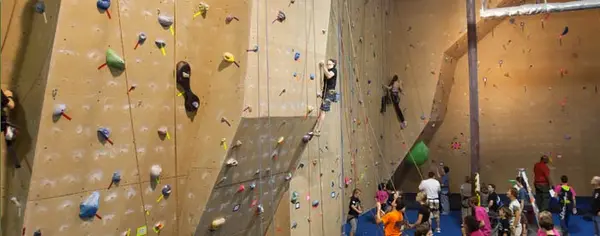
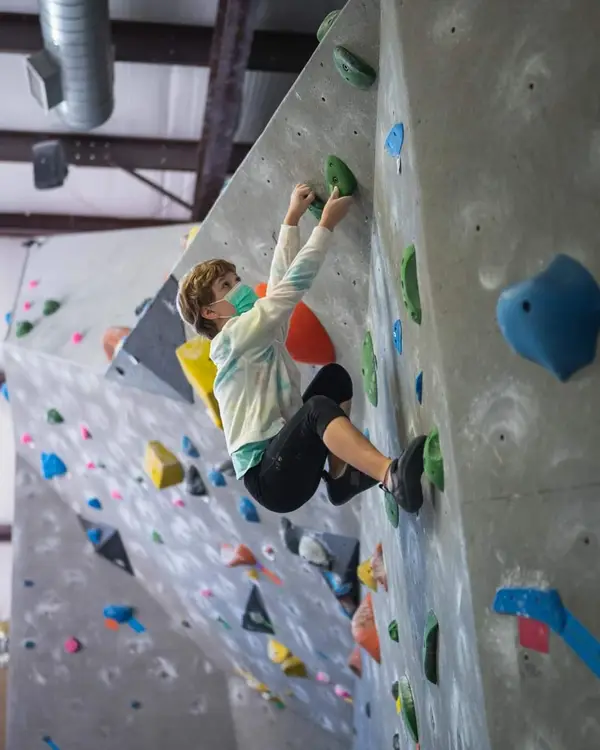
Major cities like Fayetteville, Little Rock, and Fort Smith host modern climbing gyms, providing year-round access and training. Outdoor crags, primarily in the Ozarks, offer diverse experiences.
Defining Disciplines
Arkansas is renowned for its excellent bouldering and sport climbing. Trad climbing opportunities exist but are less prevalent than in other states, primarily found in areas like Sam's Throne.
Access & Ethics
Seasonal raptor nesting closures are common; always check local land manager websites or Access Fund resources. Fixed anchors are generally accepted. Practice Leave No Trace principles.
Guided Services & Schools
Several AMGA-certified guide services and climbing schools operate in Arkansas, particularly around popular areas like Horseshoe Canyon Ranch, offering instruction and guided trips.
Confirm current requirements with the state agency before your trip. Rules and fees change every season.
Land Use & Access Permits
While no statewide climbing permit exists, specific state parks or private lands (like Horseshoe Canyon Ranch) may require day-use fees or entry permits. Always check with the specific land manager or property owner.
Professional Guide Licensing
Guide services operating in Arkansas are generally required to be licensed as businesses within the state and carry appropriate insurance. Visitors should verify their guide's credentials and certifications (e.g., AMGA).
Leave No Trace Principles
All climbers are expected to adhere to Leave No Trace principles, which are often reinforced by signage at popular climbing areas, preserving the natural environment and access.
- 01
Research Climbing Areas & Gyms
Pick your venue first, indoors or out, then match a crag (Sam's Throne, Lincoln Lake) or a gym (Fayetteville, Little Rock) to your level and the style you want to climb.
- 02
Verify Access & Conditions
Check land manager sites (Arkansas State Parks, US Forest Service) or local forums before you drive: access rules, raptor-nesting closures, and recent weather all decide whether the rock is worth the trip.
- 03
Consider a Guide Service or School
If Arkansas rock is new to you, or outdoor climbing is, a day with an AMGA-certified guide buys safety, local beta, and instruction you'd otherwise spend a season piecing together.
- 04
Acquire Necessary Gear
Show up with the full kit for your discipline (rope, harness, shoes, helmet, protection), or rent from a local outfitter or gym before heading to the bluff.
- 05
Practice Leave No Trace
Pack out every scrap of trash, stay on established trails, and keep your footprint small. The Ozark crags stay open because climbers take care of them.
01What is the best time of year to climb outdoors in Arkansas?
02What type of rock is most common for climbing in Arkansas?
03Are there good bouldering opportunities in Arkansas?
04Can I find climbing gyms in Arkansas?
05Do I need a special permit to climb outdoors in Arkansas?
06Are there options for guided climbing or instruction in Arkansas?
Free tools
Your free outdoor toolkit
Everything Map
Listings, trails, spots, clubs and public land on a single full-screen map. Switch layers on and off, then tap any point for the details.
Open Everything MapCrags
Find climbing areas on a map with discipline, grade range, and how many routes each crag holds.
Open CragsRoute Planner
Drop stops on a map and watch distance and drive time add up. Export a GPX or share the link.
Open Route PlannerClimbing Clubs
Browse local clubs with meeting info and how to join, or start your own for free.
Open Climbing ClubsPhoto ID
Point your camera at whatever you found and get a structured identification. No signup.
Open Photo IDGear Checklists
Printable, save-as-you-go packing lists. Tick items off and pull them up on your phone.
Open Gear Checklists


Keep exploring