Rock Climbing · California
Rock Climbing in California
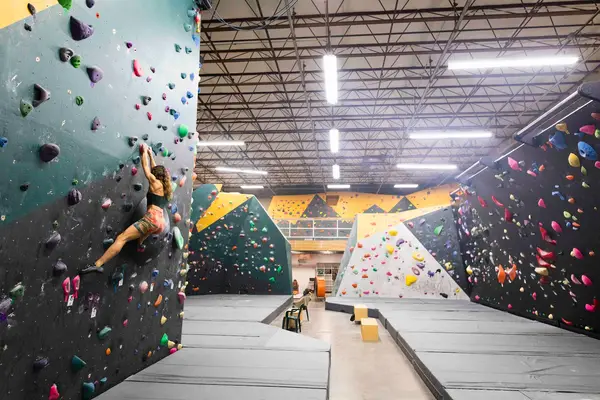
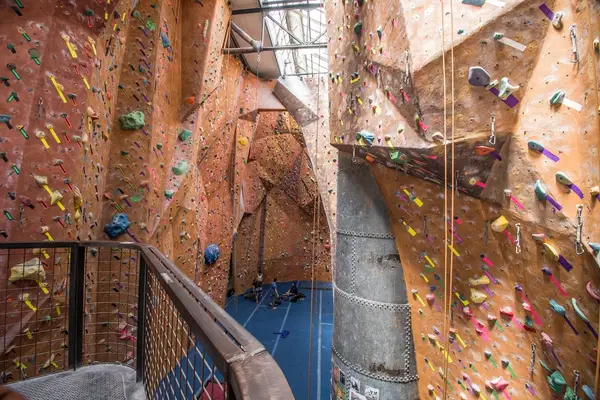
Climb 52 gyms, guides and schools across California. Maps, hours, contact info, photos, and verified operator profiles, all in one place.
Coastline, Sierras, deserts, and redwoods. Every outdoor environment in one state.
About California
Best time to go
When to climb in California
Year-round. Conditions vary dramatically by region.
- April–May and September–October: ideal valley temperatures
- Summer: escape the heat at higher-elevation granite
- Coastal crags can climb much of the year
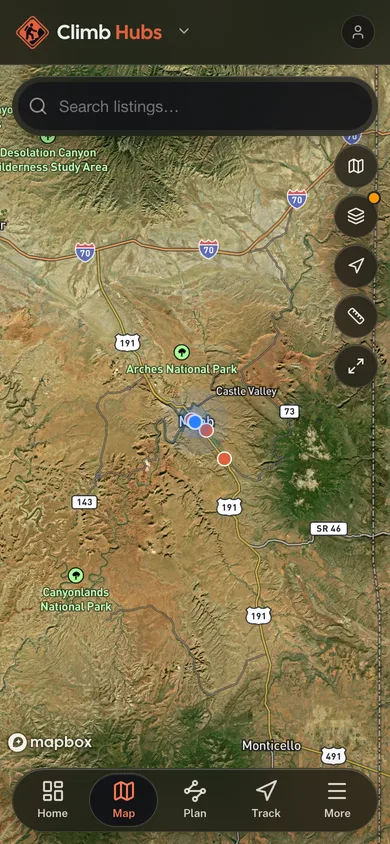
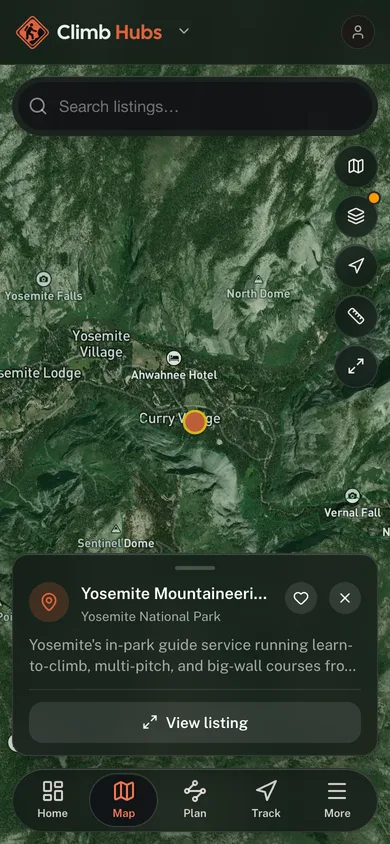
52 on the map
Tap a pin to open its profile.
Quick facts
- Crags mapped
- 971
- Gyms, guides and schools listed
- 52
- Best season
- Year-round
All listings
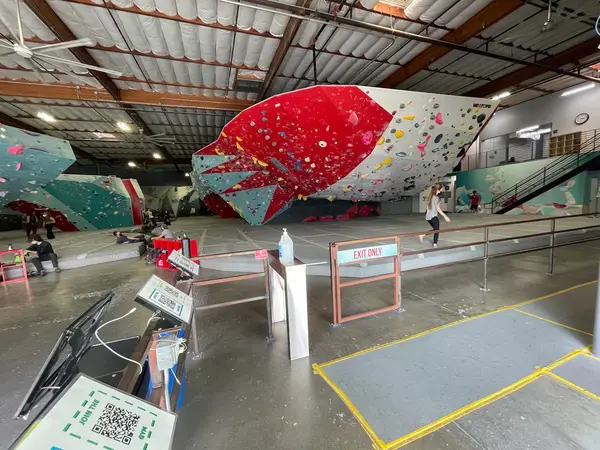
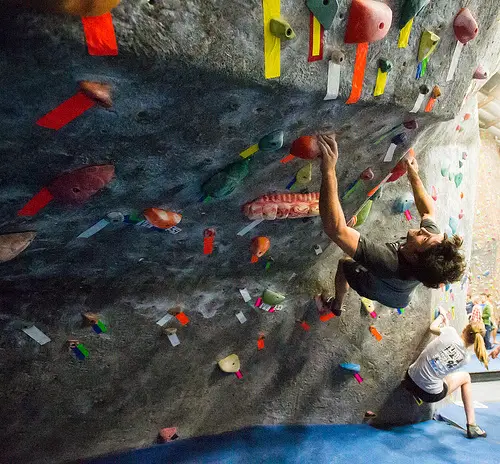
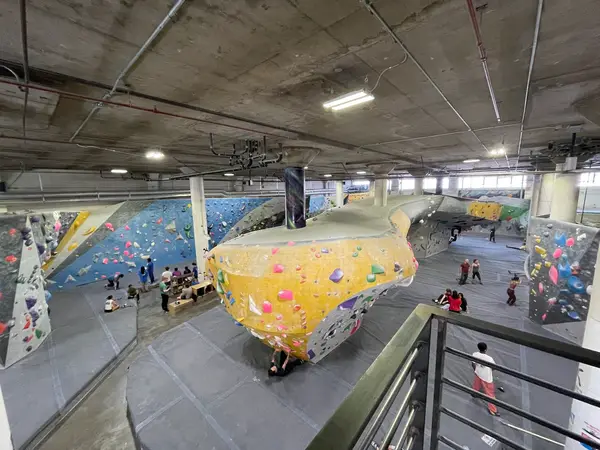
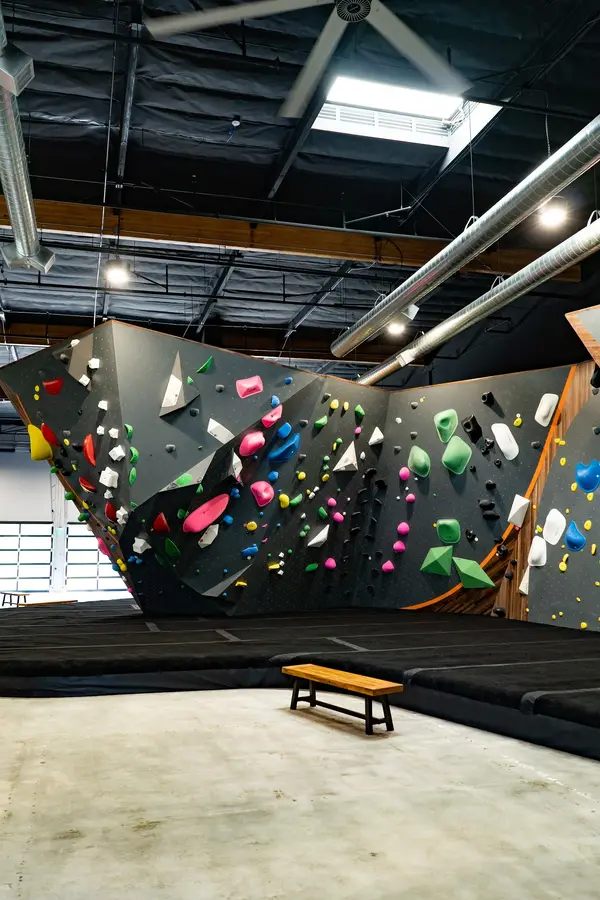
52 gyms, guides and schools
across California
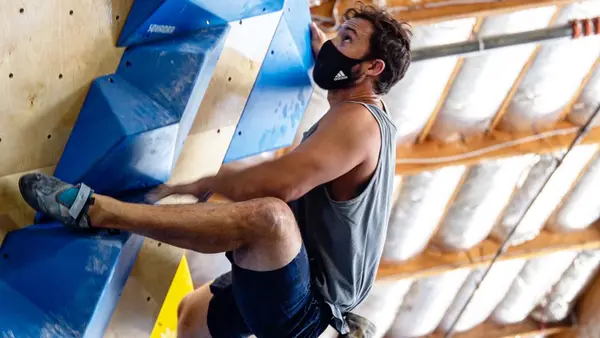
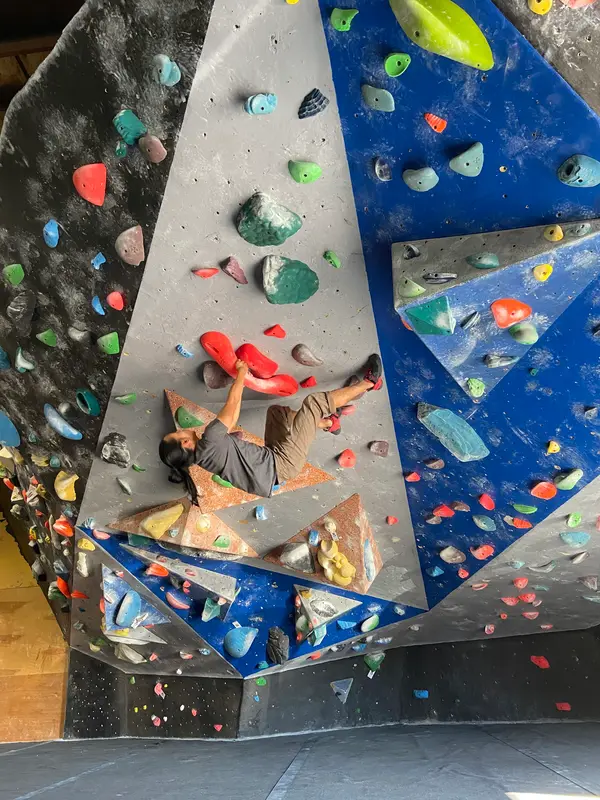
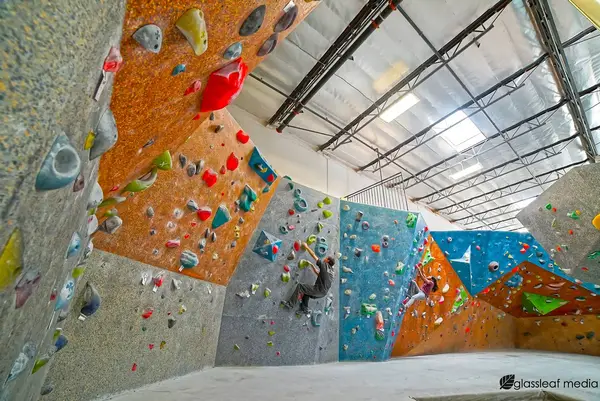
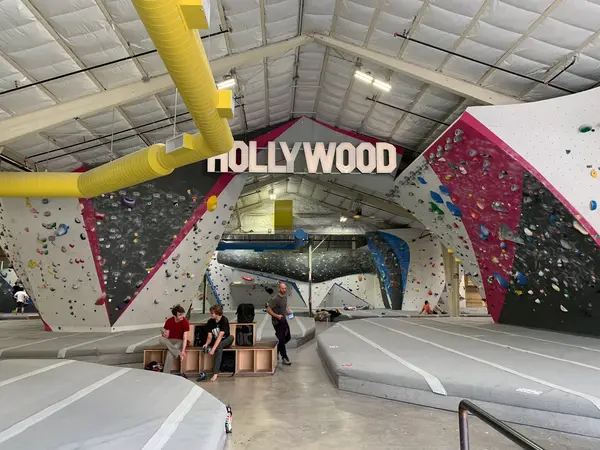
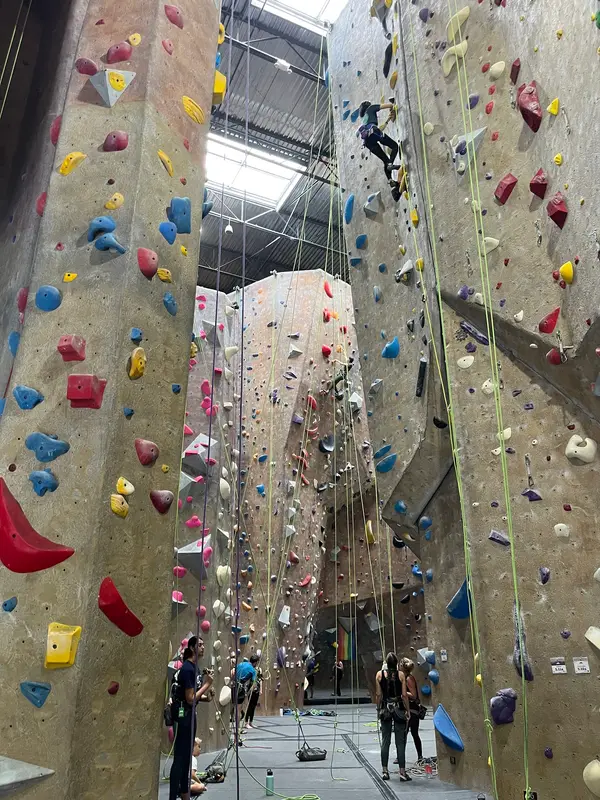
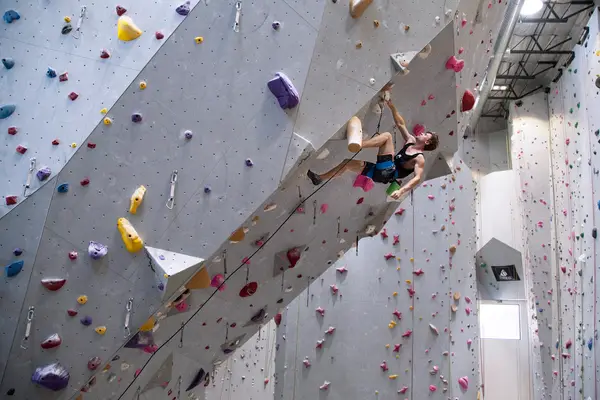
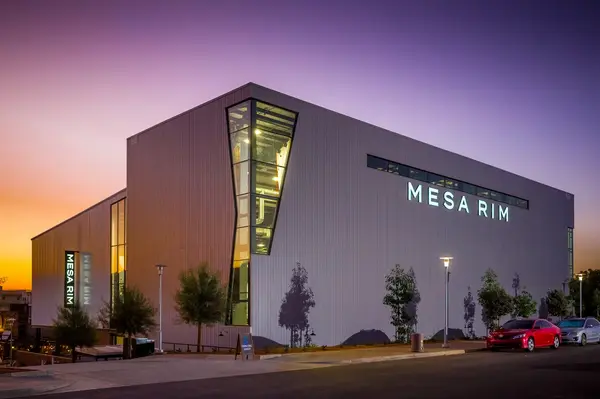
Watch it live
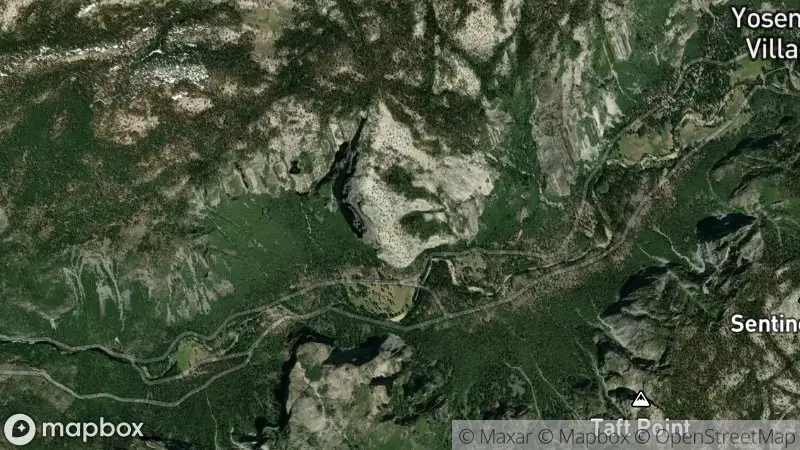
Live webcams in California
 Location
El Capitan, Yosemite Valley
via Yosemite Conservancy
Watch live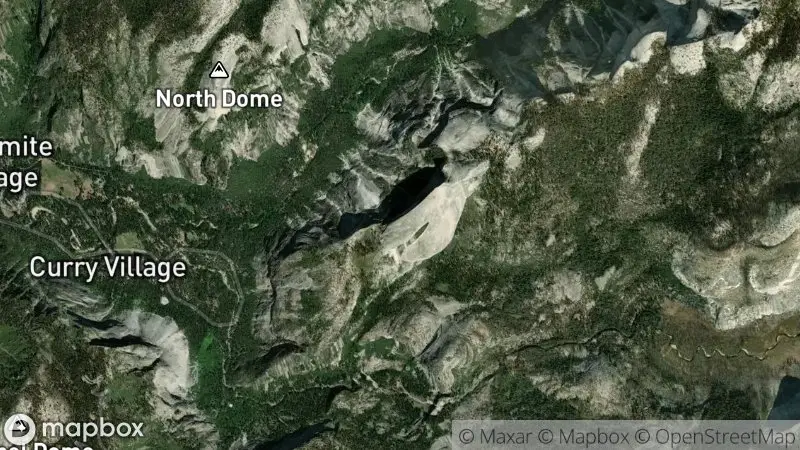 Location
Half Dome, Yosemite Valley
via Yosemite Conservancy
Watch live Location
Joshua Tree Belle Mountain Webcam
via National Park Service
Watch livePlan your trip
Plan your trip to California
Diverse Rock Types and Iconic Areas
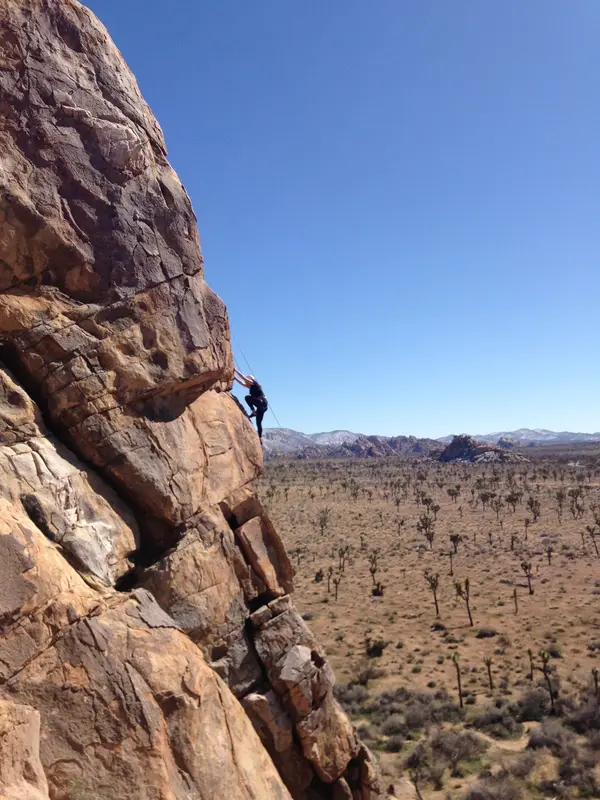
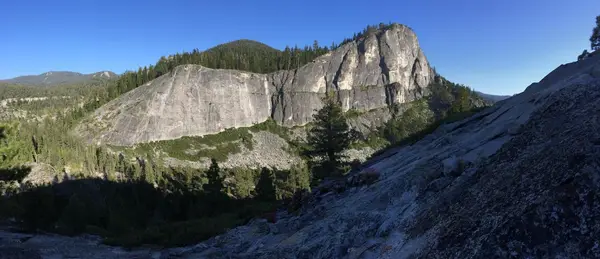
California boasts a rich geological tapestry for climbers. Granite dominates the Sierra Nevada (Yosemite, Bishop) and parts of Southern California, offering everything from friction slabs to steep crack systems. Joshua Tree is famed for its unique quartz monzonite formations, ideal for bouldering and traditional climbing. The welded volcanic tuff of the Owens River Gorge, the Bishop Tuff, offers excellent pocketed sport climbing.
Optimal Climbing Seasons Vary by Region
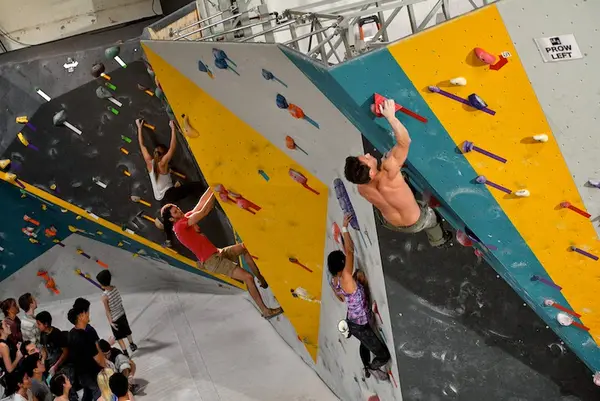
California offers year-round climbing if you know where to go. The desert regions (Joshua Tree, Owens River Gorge) are best in fall, winter, and spring. The high Sierra Nevada (Yosemite, Bishop's high country) is primarily a summer and early fall destination. Indoor climbing gyms provide consistent training and social opportunities regardless of outdoor conditions, particularly during extreme weather.
Disciplines that Define California Climbing
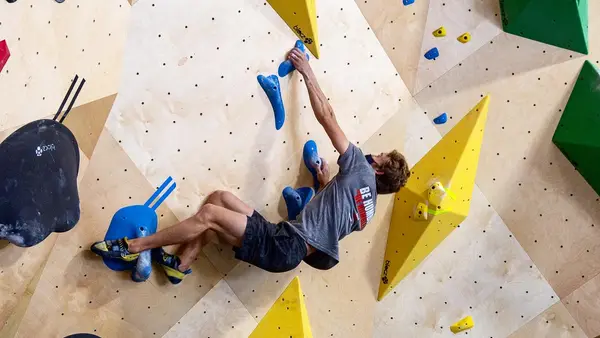
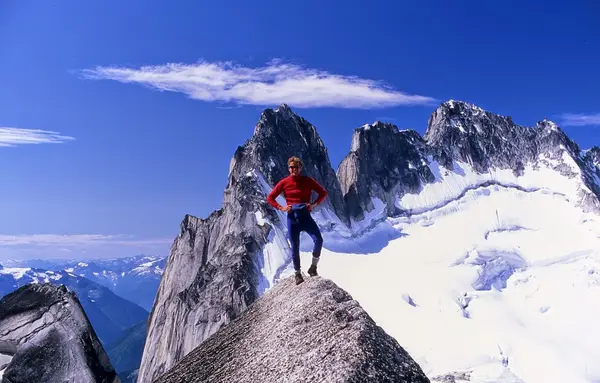
The state is a global mecca for several climbing disciplines. Traditional climbing and big-wall climbing are synonymous with Yosemite. Bouldering thrives in Bishop and Joshua Tree. Sport climbing is abundant in areas like Owens River Gorge and Malibu Creek. Alpine climbing opportunities are vast throughout the Sierra Nevada range, requiring specialized skills and experience.
Access, Ethics, and Stewardship
Responsible climbing is paramount. Many areas, especially in National Parks and Forests, have specific regulations regarding fixed anchors and bolting. Seasonal raptor-nesting closures are common in various crags; always check local land manager websites. Wilderness permits are required for overnight trips in many backcountry areas. Organizations like the Access Fund and local climbing coalitions actively work to preserve access and promote Leave No Trace principles.
AMGA-Certified Guide Services and Schools
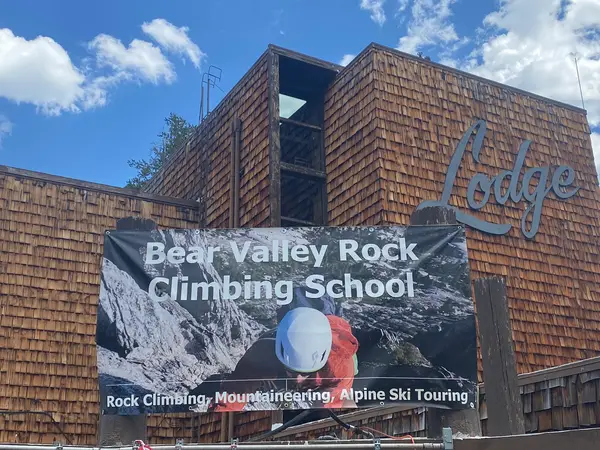
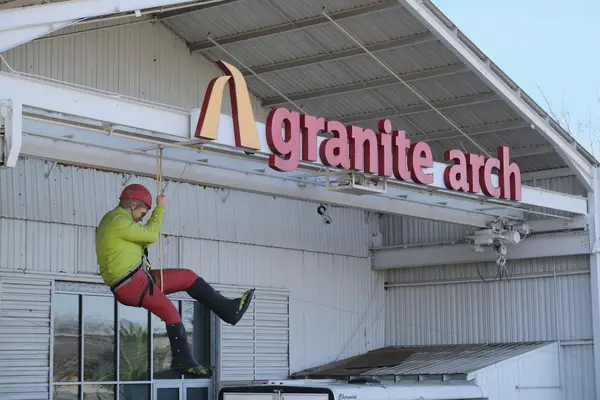
California has a robust network of AMGA-certified guide services and climbing schools. These professionals operate in key areas like Yosemite, Joshua Tree, and the Eastern Sierra, offering instruction for all skill levels, guided ascents, and specialized courses. Utilizing certified guides ensures a high standard of safety, instruction, and responsible outdoor practices, particularly in complex terrain.
Confirm current requirements with the state agency before your trip. Rules and fees change every season.
Wilderness Permits for Overnight Stays
Overnight trips into designated wilderness areas, including many popular climbing destinations within National Parks and National Forests (e.g., Yosemite, Inyo National Forest), require a wilderness permit. These permits often have quotas and should be reserved well in advance, especially for popular trailheads or climbing objectives.
National Park and Forest Climbing Regulations
Climbing within National Parks (e.g., Yosemite, Joshua Tree) and National Forests (e.g., Inyo, Angeles) is subject to specific park/forest regulations. These may include restrictions on bolting, fixed gear, group size, and camping. Always consult the specific park or forest service website for the area you plan to visit. Commercial guiding operations within these lands also require special use permits.
Seasonal Raptor Closures
Many climbing areas in California implement seasonal closures to protect nesting raptors (e.g., peregrine falcons, golden eagles). These closures are crucial for species conservation and typically occur from early spring through summer. Climbers must respect these closures, which are usually posted at trailheads and on land manager websites.
Commercial Guide Service Permits
Any individual or business offering commercial climbing guide services or instruction on public lands in California must hold appropriate special use permits from the managing agency (e.g., National Park Service, US Forest Service, Bureau of Land Management). These permits ensure adherence to safety standards, environmental protection, and fair operating practices. Verify with the specific land agency.
- 01
1. Choose Your Climbing Style and Region
Bouldering, sport, trad, or alpine, pick the discipline first, then the region that does it best at your level. Cross-check the season: in California, when you go matters as much as where.
- 02
2. Secure Necessary Permits and Reservations
The famous destinations book up. Check permit requirements for climbing, camping, and parking, especially in National Parks and Wilderness Areas, and reserve wilderness permits and campsites early, because quotas fill fast.
- 03
3. Find a Local Gym, Guide Service, or School
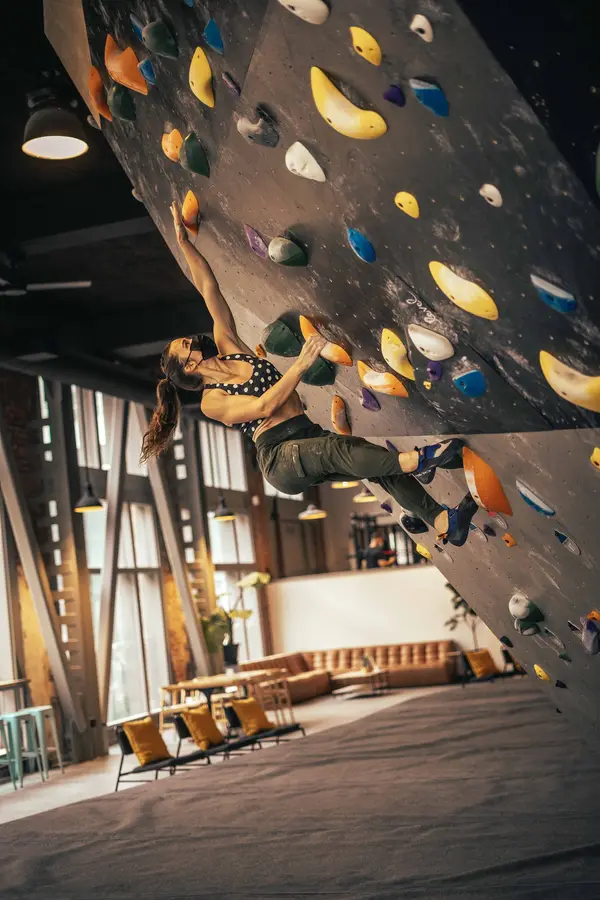
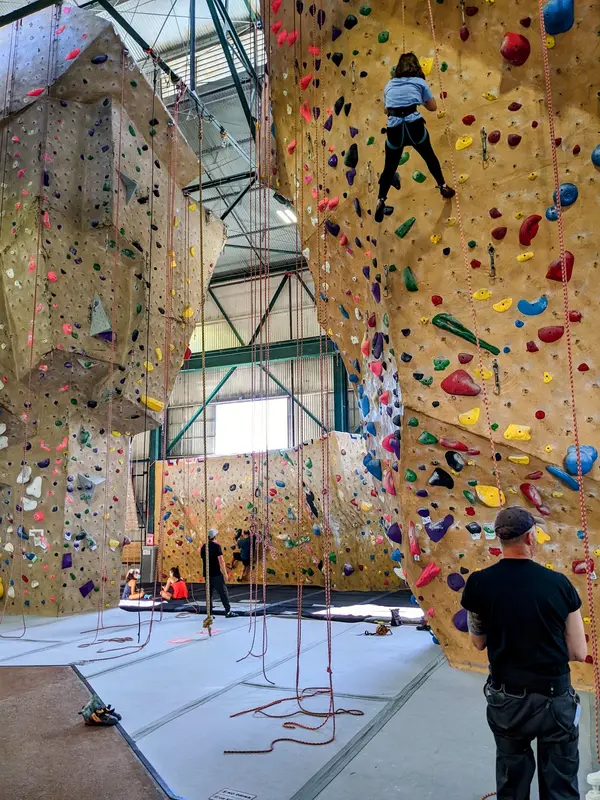
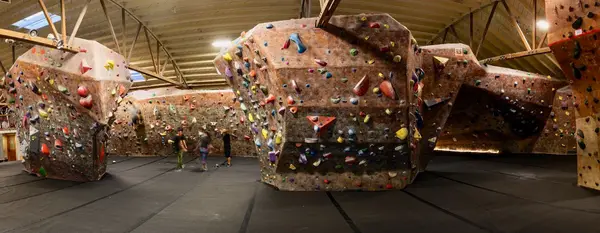
Start on plastic if you're new, California's gyms teach well, or hire an AMGA-certified guide for your first outdoor days. Climbing schools run full courses for climbers building skills toward bigger objectives.
- 04
4. Understand Local Ethics and Regulations
Every crag has its own culture around fixed gear, chalk, and style, learn it before you climb. Check for raptor-nesting closures and access quirks, respect private property, and follow Leave No Trace.
- 05
5. Gear Up and Prepare for Conditions
Carry gear, clothing, and safety equipment matched to the terrain, plus enough water, food, and emergency supplies to handle a longer day than planned. Mountain weather in particular rewrites itineraries without warning.
01What is the best time of year to climb outdoors in California?
02Do I need a permit to climb in California's outdoor areas?
03Are there many climbing gyms in California?
04Can I find guided climbing trips and instruction in California?
05What are the most common rock types climbers encounter in California?
06Is bouldering a popular climbing discipline in California?
Free tools
Your free outdoor toolkit

Everything Map
Listings, trails, spots, clubs and public land on a single full-screen map. Switch layers on and off, then tap any point for the details.
Open Everything MapCrags
Find climbing areas on a map with discipline, grade range, and how many routes each crag holds.
Open CragsRoute Planner
Drop stops on a map and watch distance and drive time add up. Export a GPX or share the link.
Open Route PlannerClimbing Clubs
Browse local clubs with meeting info and how to join, or start your own for free.
Open Climbing ClubsPhoto ID
Point your camera at whatever you found and get a structured identification. No signup.
Open Photo IDGear Checklists
Printable, save-as-you-go packing lists. Tick items off and pull them up on your phone.
Open Gear Checklists