Rock Climbing · Nevada
Rock Climbing in Nevada
Climb 14 gyms, guides and schools across Nevada. Maps, hours, contact info, photos, and verified operator profiles, all in one place.
Great Basin desert, Sierra eastside, and the loneliest road in America.
About Nevada
Best time to go
When to climb in Nevada
October through May for desert; June through October for high country.
- October–April: the prime window for desert sandstone
- Summer: far too hot, so climb early at elevation or skip it
- Sandstone needs 24–48h to dry after rain, so never climb it wet
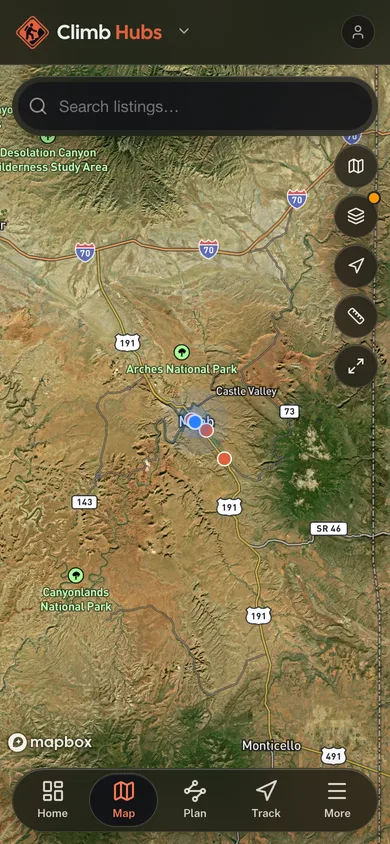
14 on the map
Tap a pin to open its profile.
Quick facts
- Crags mapped
- 78
- Gyms, guides and schools listed
- 14
- Best season
- October through May
All listings
14 gyms, guides and schools
across Nevada

Plan your trip
Plan your trip to Nevada
Signature Rock Types
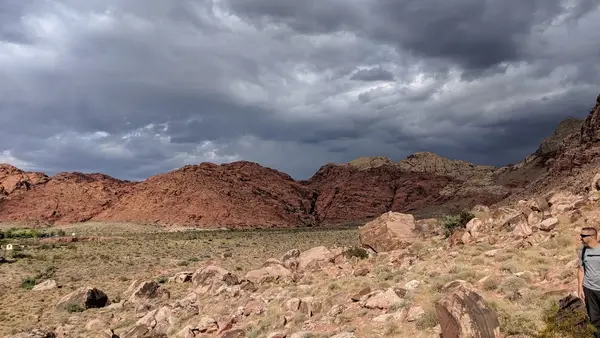
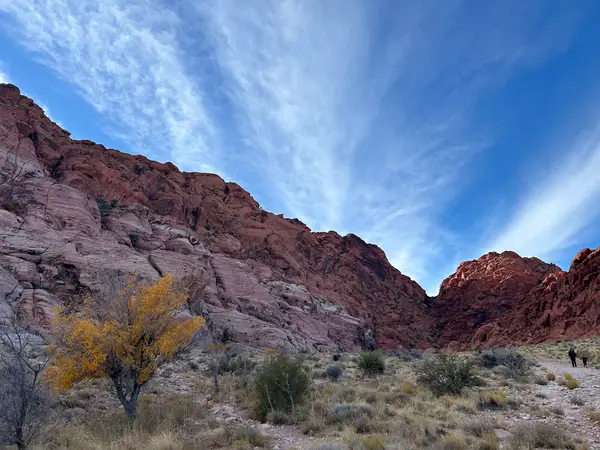
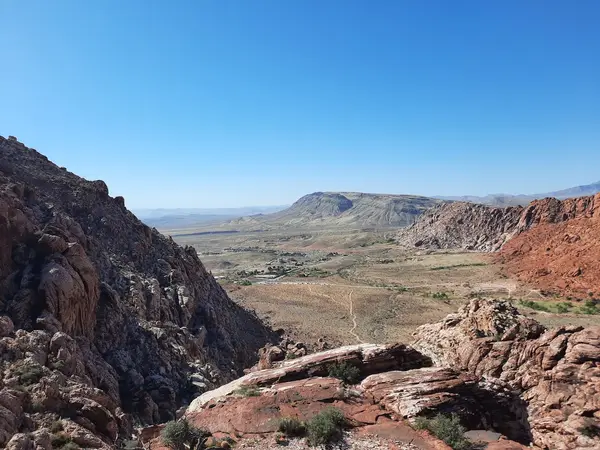
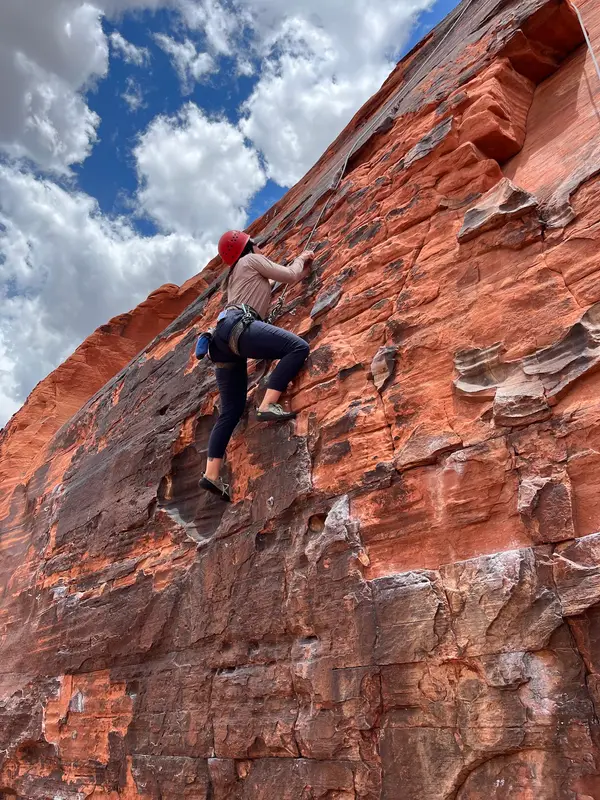
Nevada is primarily known for its vibrant red Aztec sandstone in Red Rock Canyon, offering unique textures and formations. Solid grey limestone is prevalent in areas like Mount Charleston, while granite can be found in higher ranges such as the Ruby Mountains.
Climbing Season & Best Months
The main outdoor climbing season for desert areas spans from fall through spring (October to April). Summer climbing is best reserved for higher elevations to avoid extreme heat or for indoor gym sessions.
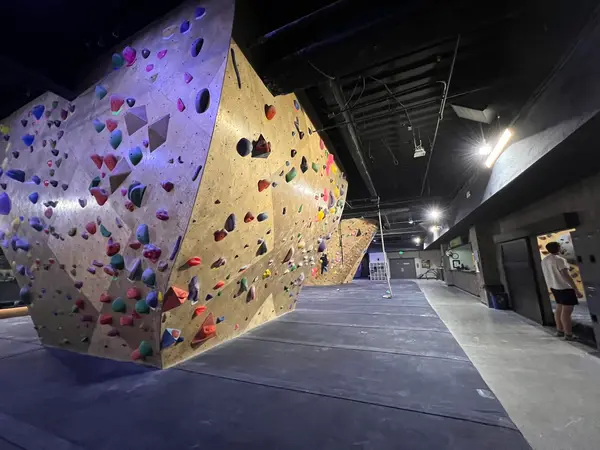
Indoor Gyms vs. Outdoor Crags
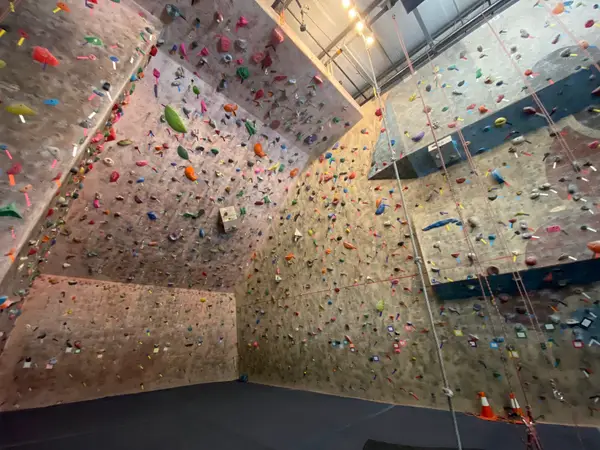
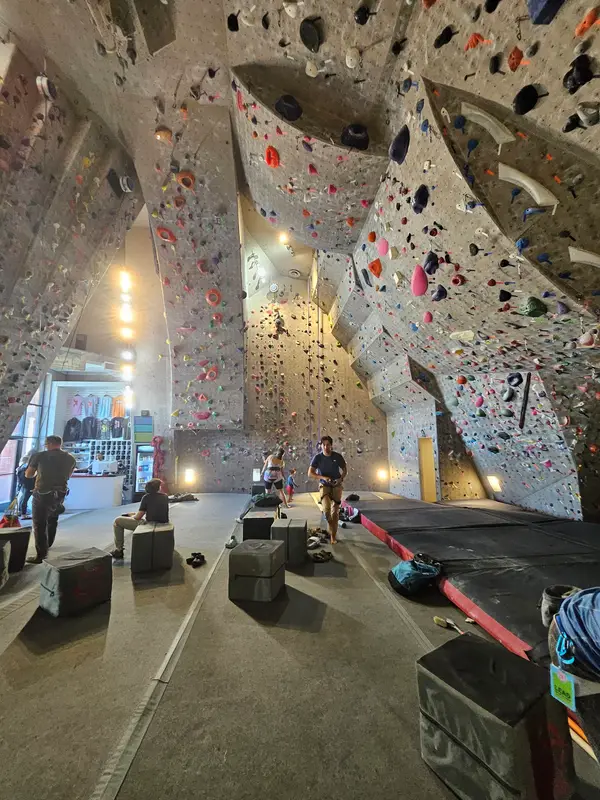
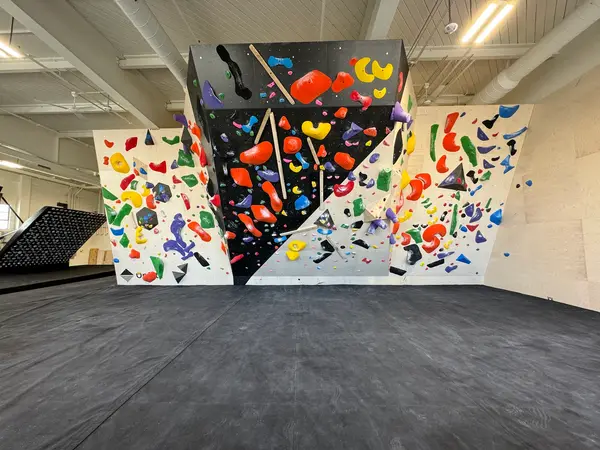
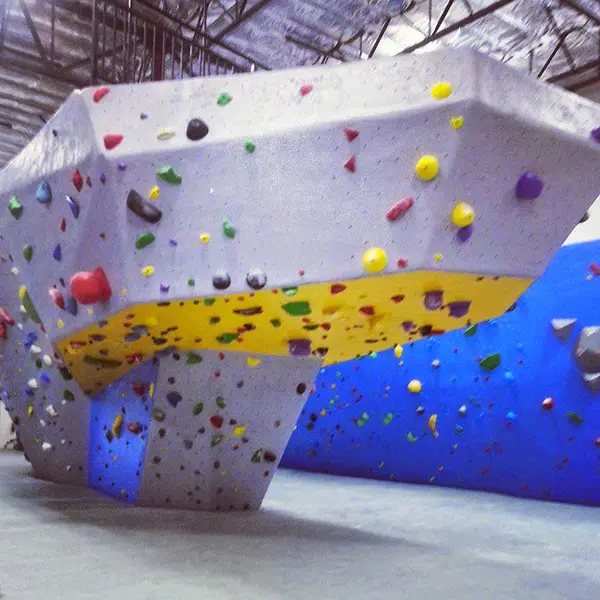
Major cities like Las Vegas and Reno host modern climbing gyms for training and community. Outdoor climbing ranges from easily accessible sport routes and bouldering to remote, challenging multi-pitch traditional climbs.
Defining Disciplines
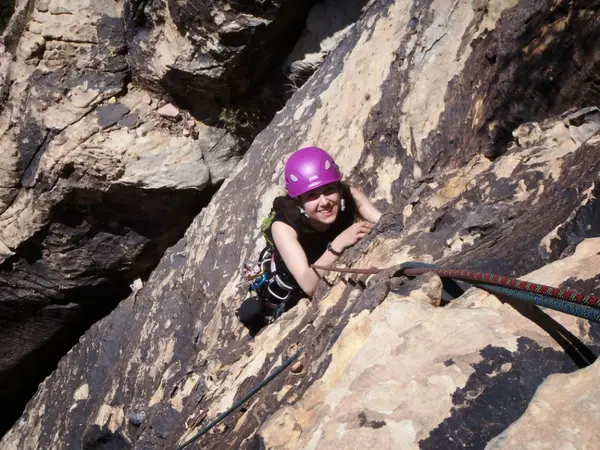
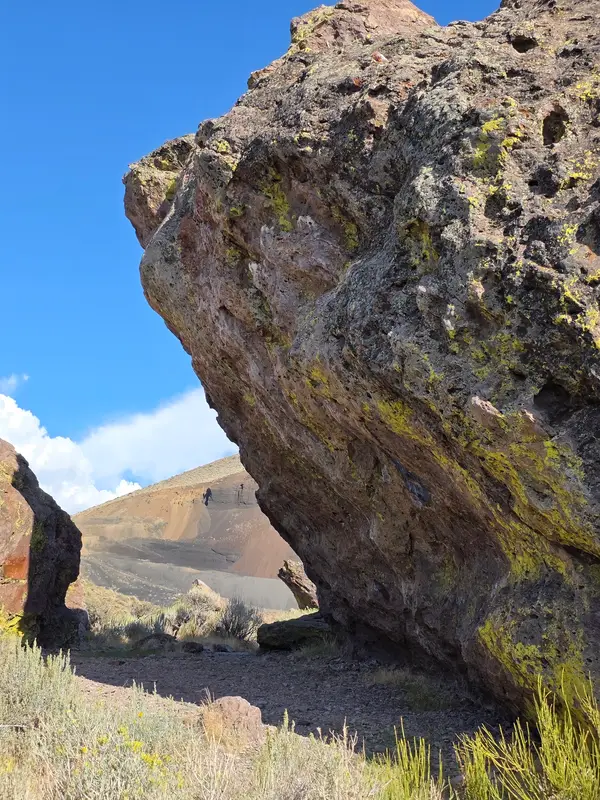
Sport climbing and multi-pitch traditional climbing are highly popular, especially in Red Rock Canyon. Bouldering is also prevalent across various areas, with alpine climbing opportunities found in the state's higher mountain ranges.
Access & Ethics
Land managers (BLM, USFS) enforce specific regulations, including seasonal raptor closures, particularly in Red Rock. Adherence to Leave No Trace principles and established bolting ethics is expected. The Access Fund and local climbing organizations actively promote stewardship.
Guide Services & Schools
AMGA-certified guide services and climbing schools operate extensively throughout Nevada, particularly around Las Vegas and Red Rock Canyon. They provide expert instruction and guided ascents for all skill levels.
Confirm current requirements with the state agency before your trip. Rules and fees change every season.
Guide Service Permitting
Guide services operating on federal lands, such as Red Rock Canyon National Conservation Area, are typically required to obtain special use permits from the managing agency (e.g., Bureau of Land Management). Visitors should verify that their chosen guide service is properly permitted.
Red Rock Canyon Timed Entry
During peak season, visitors to Red Rock Canyon National Conservation Area often need a timed entry reservation for vehicles entering the Scenic Drive, in addition to the standard entrance fee. Check the BLM Red Rock Canyon website for current requirements before your visit.
Leave No Trace Principles
All climbers are expected to strictly adhere to Leave No Trace principles in Nevada's outdoor climbing areas. This includes packing out all trash, proper disposal of human waste, staying on established trails, and minimizing impact on rock and vegetation.
Raptor Nesting Closures
Seasonal closures for raptor nesting are implemented in many climbing areas, most notably in Red Rock Canyon, typically from early spring through summer. It is mandatory to respect these closures for the protection of wildlife.
- 01
Research Your Destination
Nevada's crags don't climb alike, multi-pitch sandstone in Red Rock demands a different day than granite boulders near Reno. Pick the objective that fits your skills and taste before anything else.
- 02
Check for Access & Permits
Confirm what your destination requires: timed-entry reservations, fees, seasonal closures. Red Rock Canyon in particular has entry logistics that can end a trip in the parking lot if ignored.
- 03
Consider a Guide Service
First trip, or first time on real rock? An AMGA-certified guide compresses years of local knowledge into a day and keeps the learning curve from getting expensive.
- 04
Pack Appropriately
The desert doesn't negotiate. Carry more water than feels necessary, real sun protection, and layers for the temperature swings: then the right rack, rope, or pads for the discipline at hand.
- 05
Familiarize with Ethics & Regulations
Learn the local bolting ethics, follow Leave No Trace to the letter, and read the land manager's rules for your specific area. Desert environments scar easily and heal slowly.
01What are the best times of year to climb outdoors in Nevada?
02Do I need a permit to climb in Red Rock Canyon?
03Are there climbing gyms in Nevada?
04What kind of rock will I find in Nevada?
05Are there opportunities for guided climbing trips or instruction?
06Are there any specific environmental concerns or closures climbers should be aware of?
Free tools
Your free outdoor toolkit
Everything Map
Listings, trails, spots, clubs and public land on a single full-screen map. Switch layers on and off, then tap any point for the details.
Open Everything MapCrags
Find climbing areas on a map with discipline, grade range, and how many routes each crag holds.
Open CragsRoute Planner
Drop stops on a map and watch distance and drive time add up. Export a GPX or share the link.
Open Route PlannerClimbing Clubs
Browse local clubs with meeting info and how to join, or start your own for free.
Open Climbing ClubsPhoto ID
Point your camera at whatever you found and get a structured identification. No signup.
Open Photo IDGear Checklists
Printable, save-as-you-go packing lists. Tick items off and pull them up on your phone.
Open Gear Checklists


Keep exploring