Rock Climbing · Connecticut
Rock Climbing in Connecticut
Climb 12 gyms, guides and schools across Connecticut. Maps, hours, contact info, photos, and verified operator profiles, all in one place.
Long Island Sound coastline plus Litchfield Hills hardwoods.
About Connecticut
Best time to go
When to climb in Connecticut
May through October. Peak fall color late October.
- October–November: cool, dry, high-friction "send temps"
- Spring: good climbing between rain showers
- Summer: humid and greasy, so dawn patrol or head north
12 on the map
Tap a pin to open its profile.
Quick facts
- Crags mapped
- 128
- Gyms, guides and schools listed
- 12
- Best season
- May through October
All listings
12 gyms, guides and schools
across Connecticut





Plan your trip
Plan your trip to Connecticut
Rock Types and Areas
Connecticut's geology is dominated by metamorphic rock like schist and gneiss, offering technical face and crack climbing. The Metacomet Ridge features basaltic trap rock, known for its unique texture and excellent traditional, top-rope, and bouldering climbing at popular spots like Ragged Mountain: climber-owned, with a longstanding ban on new fixed anchors, so it stays trad and top-rope rather than sport.
Best Climbing Season
The best outdoor climbing months are typically April, May, late September, and October, when temperatures are moderate and humidity is low. Summer can be challenging due to heat and humidity, while winter is primarily an indoor climbing season.
Disciplines and Ethics
Bouldering, top-rope, and traditional climbing are prevalent on the trap rock, which holds a strong trad ethic, climber-owned Ragged Mountain bans new fixed gear, even for top-rope anchors. Traditional climbing is also the norm on the metamorphic crags. Established fixed anchors are respected but new bolting is heavily restricted, and adherence to Leave No Trace principles and respecting seasonal raptor closures is paramount.
Access and Guide Services
Access to many crags is managed by local land trusts or state parks, often requiring respectful parking and adherence to posted regulations. AMGA-certified guide services and climbing schools operate throughout Connecticut, providing instruction and guided experiences at various outdoor locations and indoor gyms.
Indoor Climbing Scene
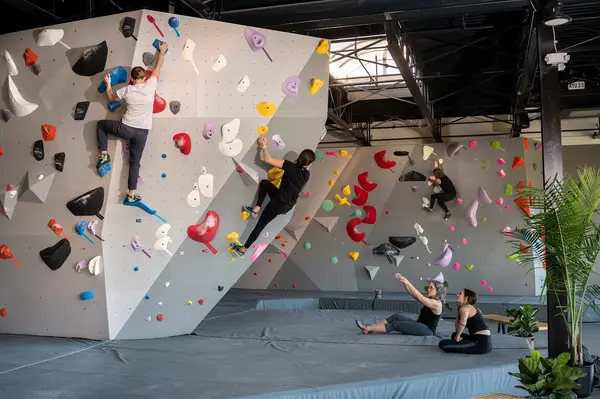
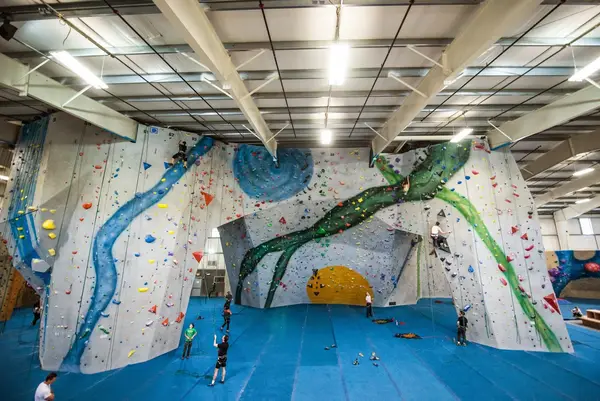
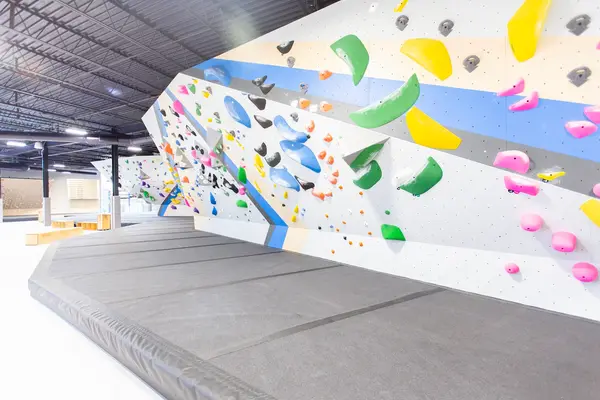
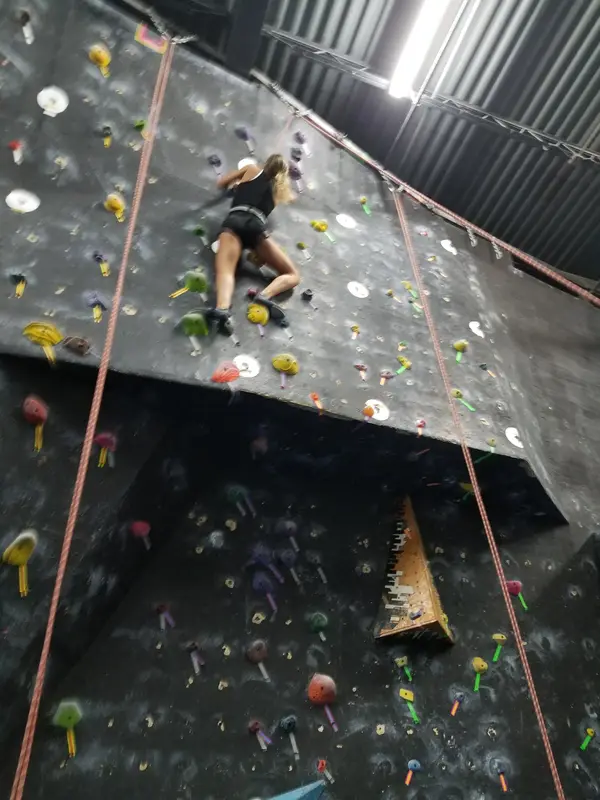
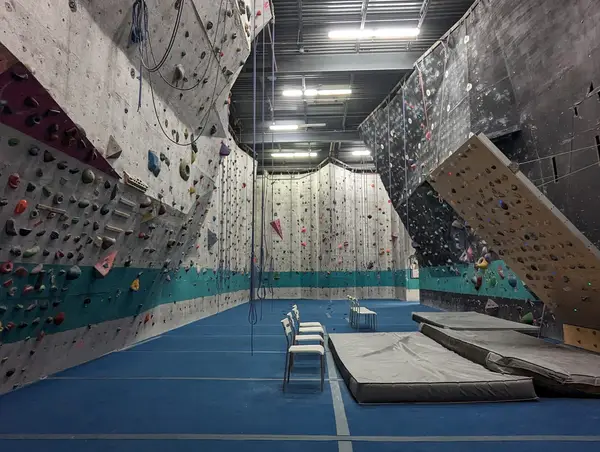
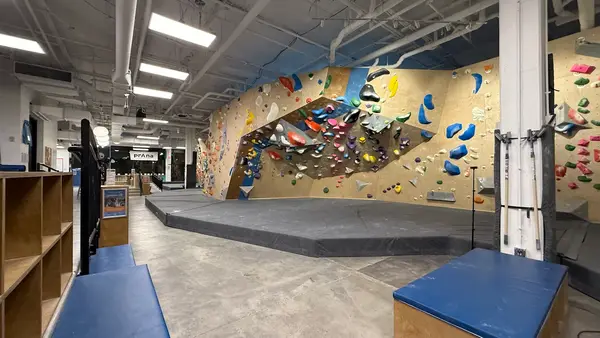
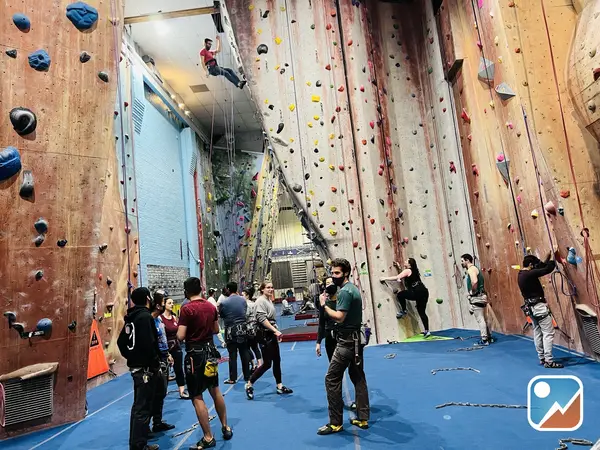
Connecticut boasts a thriving indoor climbing gym network, providing year-round opportunities for training, skill development, and community engagement. These facilities are excellent resources for beginners and experienced climbers alike, especially during inclement weather or off-seasons.
Confirm current requirements with the state agency before your trip. Rules and fees change every season.
State Park Access Fees
Many outdoor climbing areas in Connecticut are located within state parks or forests. Non-residents typically pay a daily parking fee or can purchase a season pass. Any Connecticut-registered vehicle parks free at every state park and forest year-round under the Passport to the Parks program, funded by a fee on vehicle registration. Verify current fees and access requirements with the Connecticut Department of Energy and Environmental Protection (DEEP).
CT DEEP State ParksGuide Certifications
While specific state licensing for climbing guides is not mandated in Connecticut, clients should seek guide services and instructors who hold professional certifications from recognized bodies such as the American Mountain Guides Association (AMGA). This ensures a high standard of safety and instruction.
Land Trust Access Policies
Several significant climbing areas are managed by private land trusts or conservation organizations. These areas often have specific rules regarding access hours, group sizes, and activities. Climbers must research and adhere to the regulations posted by the managing entity for each specific crag.
- 01
Research Crags and Gyms
Get a feel for the landscape first. Gyms in New Haven and Hartford cover the indoor side; Ragged Mountain and the Metacomet Ridge crags anchor the outdoor side. Match your pick to your ability and the discipline you want to pursue.
- 02
Connect with Local Resources
Conditions and access in Connecticut change with the seasons and the land manager. Online forums, local climbing shops, and the Access Fund's regional pages carry current information, and a local guide service can shortcut the whole research process.
- 03
Secure Necessary Gear and Permits
Kit out for your chosen activity, gym shoes and a harness at minimum, a full trad rack if you're headed for the metamorphic crags. For state park areas, check whether a parking fee or permit applies before you drive out.
- 04
Book Guide Services or Gym Sessions
AMGA-certified guides book up, so reserve outdoor instruction in advance. Starting indoors is simpler: most gyms run introductory classes and rent gear, and their schedules and membership options are posted online.
- 05
Practice Leave No Trace Principles
Connecticut's crags stay open because climbers behave. Pack out waste, stay on established trails, give wildlife room, and leave the place cleaner than you found it, access here depends on it.
01What type of rock is most common for outdoor climbing in Connecticut?
02Are there good options for beginner climbers in Connecticut?
03When is the best time of year to climb outdoors in Connecticut?
04Do I need any special permits to climb at outdoor crags?
05Are there climbing guide services available in Connecticut?
06Can I go bouldering in Connecticut?
Free tools
Your free outdoor toolkit
Everything Map
Listings, trails, spots, clubs and public land on a single full-screen map. Switch layers on and off, then tap any point for the details.
Open Everything MapCrags
Find climbing areas on a map with discipline, grade range, and how many routes each crag holds.
Open CragsRoute Planner
Drop stops on a map and watch distance and drive time add up. Export a GPX or share the link.
Open Route PlannerClimbing Clubs
Browse local clubs with meeting info and how to join, or start your own for free.
Open Climbing ClubsPhoto ID
Point your camera at whatever you found and get a structured identification. No signup.
Open Photo IDGear Checklists
Printable, save-as-you-go packing lists. Tick items off and pull them up on your phone.
Open Gear Checklists

Keep exploring