Rock Climbing · Maryland
Rock Climbing in Maryland
Climb 10 gyms, guides and schools across Maryland. Maps, hours, contact info, photos, and verified operator profiles, all in one place.
Chesapeake Bay, Appalachian Plateau, and the Atlantic at Assateague.
Updated
Highest rated
Rock Climbing in Maryland by Google rating
Ranked by Google rating, then by number of reviews, across the 8 of 10 gyms, guides and schools in Maryland with 10 or more Google reviews. A blank cell means we do not have that detail yet.
| Name | City | Climbing | Rating |
|---|---|---|---|
| ERC Climbing Wall | College Park | 5.023 Google reviews | |
| Sportrock Climbing Centers - Rio | Gaithersburg | 4.9217 Google reviews | |
| Earth Treks Columbia | Columbia | Bouldering, Sport | 4.8637 Google reviews |
| Movement Hampden | Baltimore | 4.8330 Google reviews | |
| Movement Rockville | Rockville | 4.7469 Google reviews | |
| Movement Timonium | Timonium | 4.7404 Google reviews | |
| The Boulder Yard | Frederick | Bouldering | 4.7169 Google reviews |
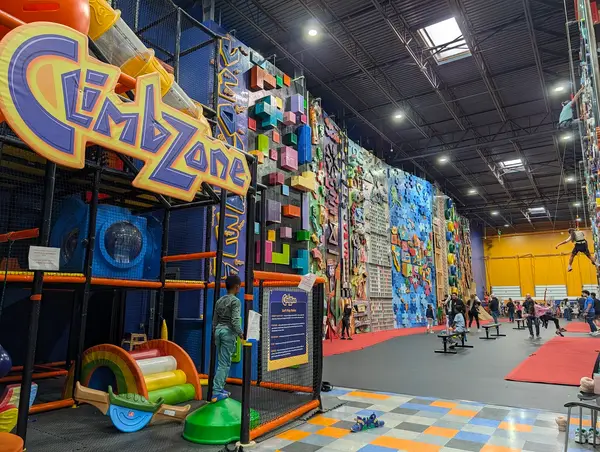
| ClimbZone Laurel | Laurel | 4.61,461 Google reviews |
All listings
10 gyms, guides and schools in Maryland

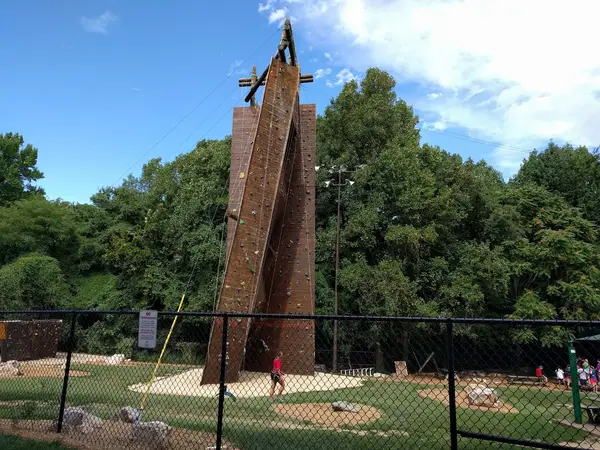
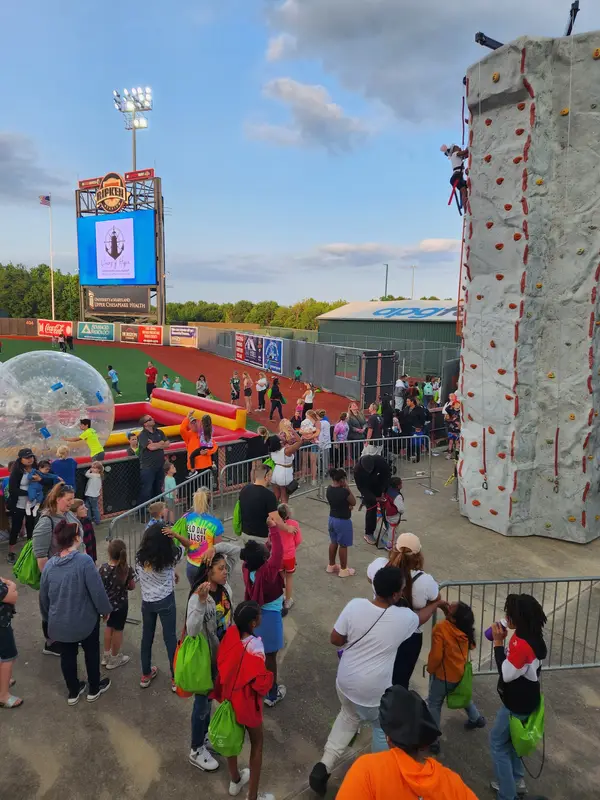
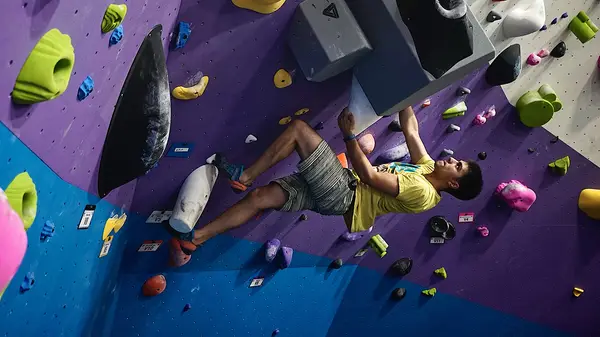
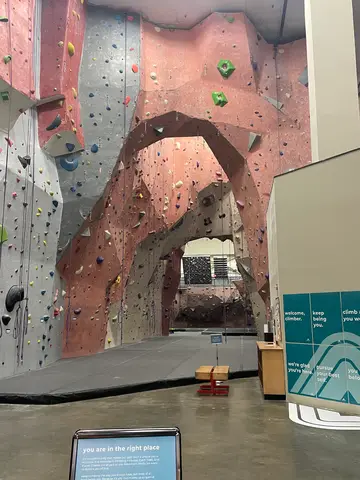
On the map
Climbing gyms, crags and camping in Maryland
Everything we have mapped in Maryland, on one map. Tap anything for its details.
Loads the full map of Maryland. We leave it off by default so the page opens fast on mobile data.
Tap a crag to pinpoint it on the map, then open it for discipline and route count.
About Maryland
When to climb in Maryland
Peak Oct–Nov
Quick facts
- Crags mapped
- 32
- Gyms, guides and schools listed
- 10
- Best season
- April through November
Trip guide
Know before you go in Maryland
Confirm current requirements with the agency that sets them before your trip. Rules and fees change every season.
Commercial Use Authorizations (CUA) for Guides
Commercial climbing guide services operating on federal lands, such as the C&O Canal National Historical Park (which manages the Maryland side of Great Falls), are required to obtain a Commercial Use Authorization from the National Park Service.
Maryland State Park Climbing Regulations
Climbers must adhere to specific regulations set by the Maryland Department of Natural Resources for climbing within state parks, which may include designated climbing areas, group size limits, and leave no trace principles.
Fixed Anchor and Bolting Policies
The establishment of new fixed anchors or the replacement of existing ones in outdoor climbing areas, especially on public lands, typically requires prior approval from the managing land agency (e.g., NPS, MD DNR) to ensure safety and environmental protection.
01What is the best time of year to climb outdoors in Maryland?
02What types of climbing are most popular in Maryland?
03Are there beginner-friendly outdoor climbing spots in Maryland?
04Do I need a special permit to climb outdoors in Maryland?
05How accessible are climbing gyms in Maryland?
06Can I find guided climbing services and schools in Maryland?
Free tools
Your free outdoor toolkit

Keep exploring