Rock Climbing · Virginia
Rock Climbing in Virginia
Climb 21 gyms, guides and schools across Virginia. Maps, hours, contact info, photos, and verified operator profiles, all in one place.
Shenandoah, the Chesapeake, and the southern Appalachians.
About Virginia
Best time to go
When to climb in Virginia
April through November.
- October–November: cool, dry, high-friction "send temps"
- Spring: good climbing between rain showers
- Summer: humid and greasy, so dawn patrol or head north
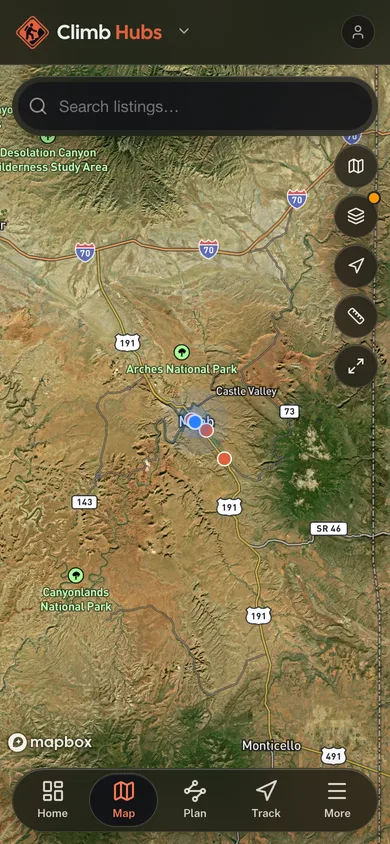
21 on the map
Tap a pin to open its profile.
Quick facts
- Crags mapped
- 55
- Gyms, guides and schools listed
- 21
- Best season
- April through November
All listings
21 gyms, guides and schools
across Virginia

Plan your trip
Plan your trip to Virginia
Rock Types & Areas
Virginia's climbing is primarily on granite (Old Rag) and quartzite (Raven Rocks), with the Potomac cliffs at Great Falls on slick metamorphic schist and metagraywacke, and exceptional bouldering on unique rhyolite formations in Grayson Highlands. While less prevalent, some scattered limestone crags exist.
Climbing Season
The best outdoor climbing months are typically April-May and September-November due to mild temperatures. Summer can be very hot and humid, while winter offers crisp, often dry, but cold days suitable for dedicated climbers.
Indoor vs. Outdoor
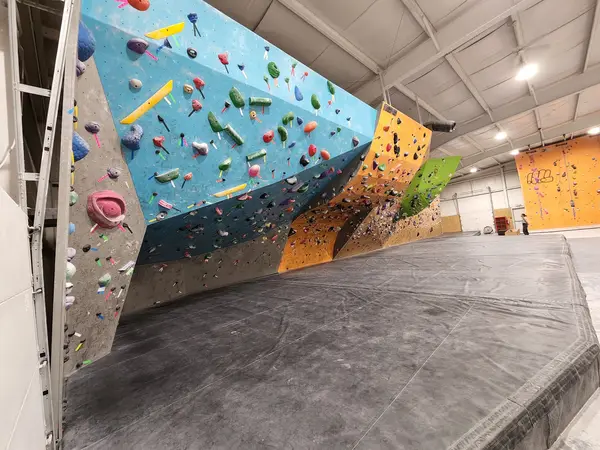
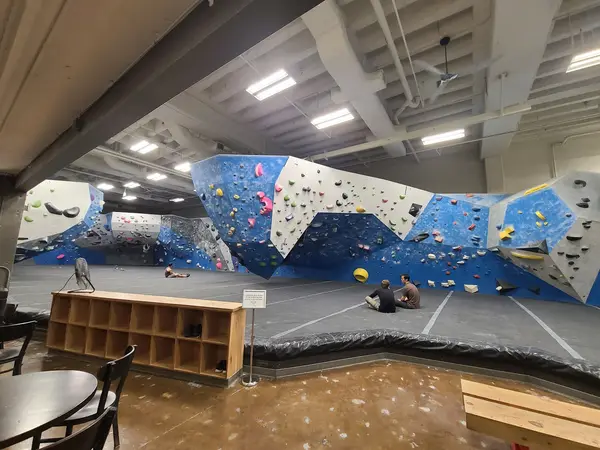
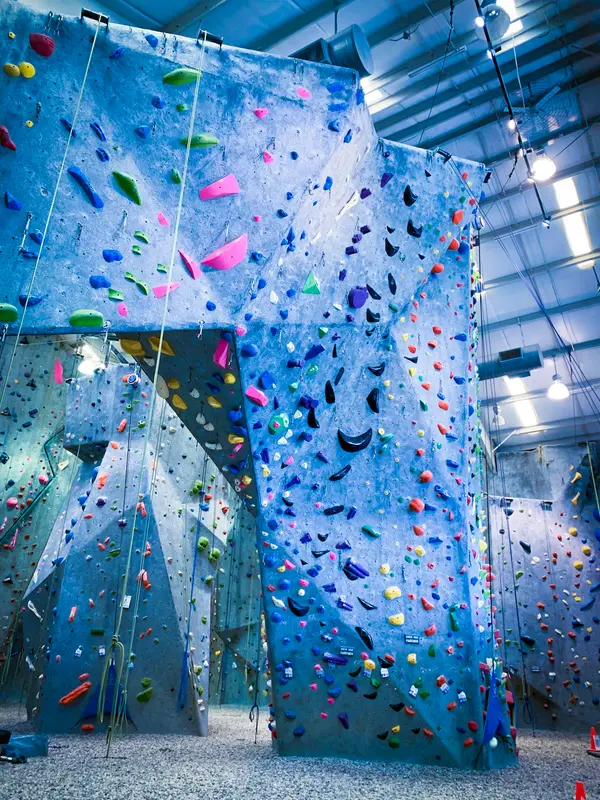
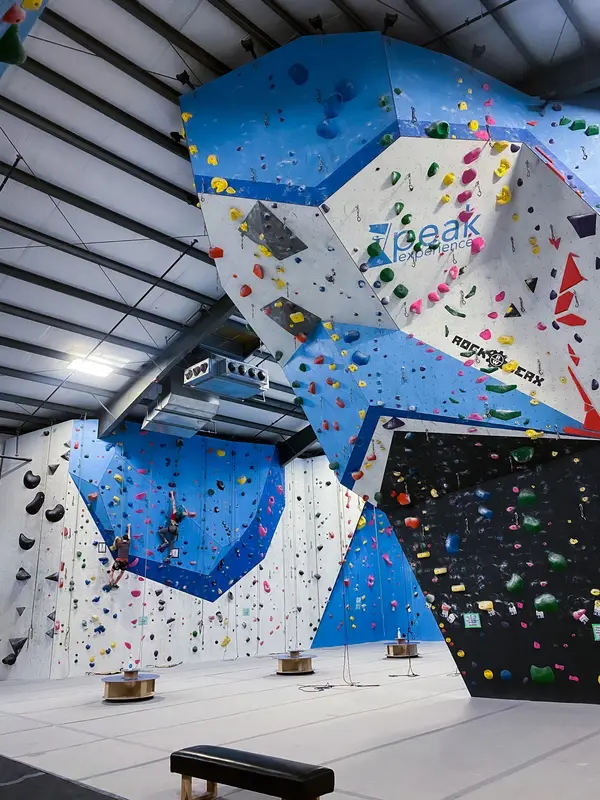
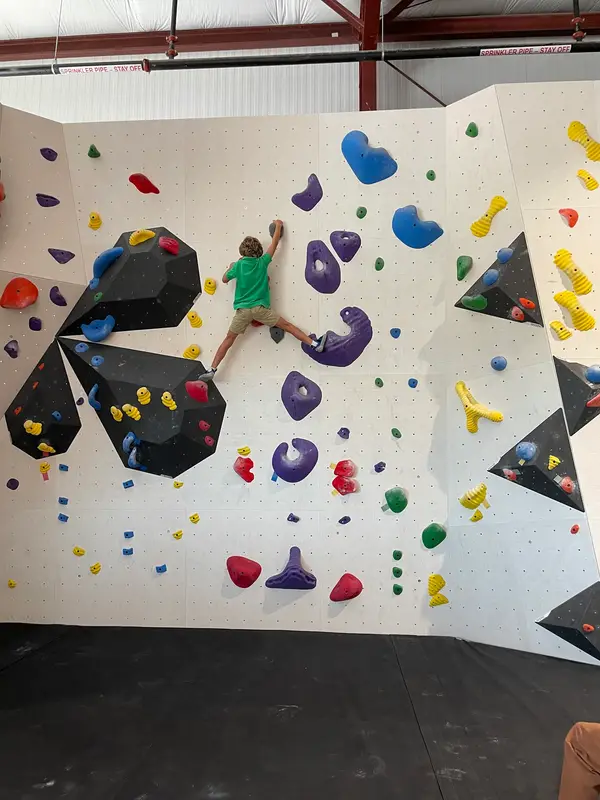
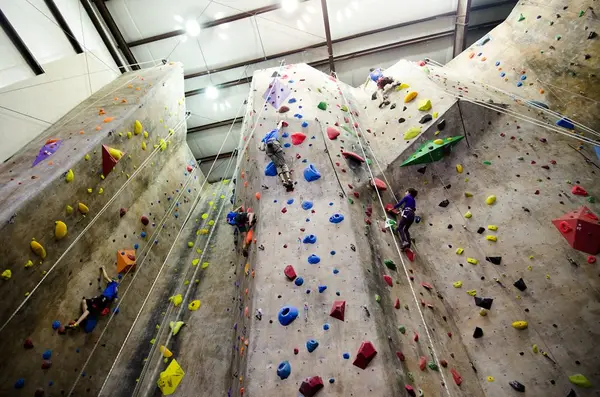
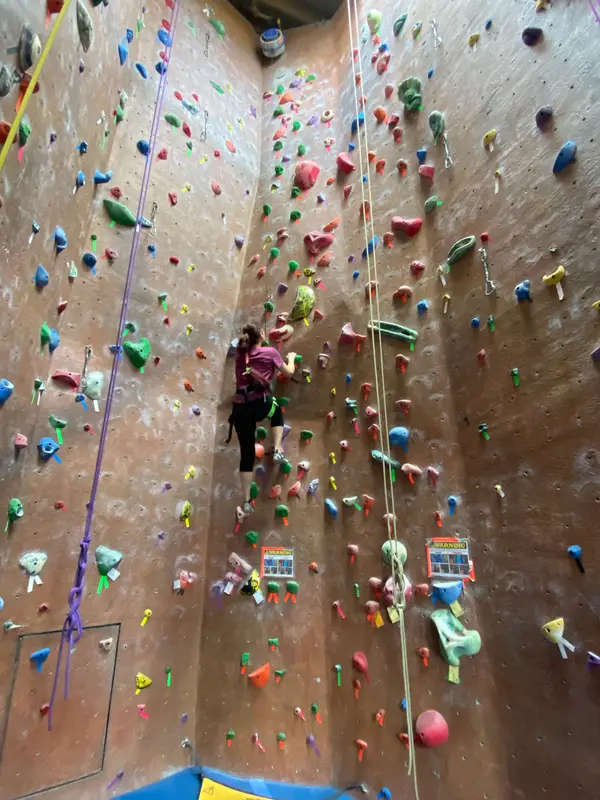
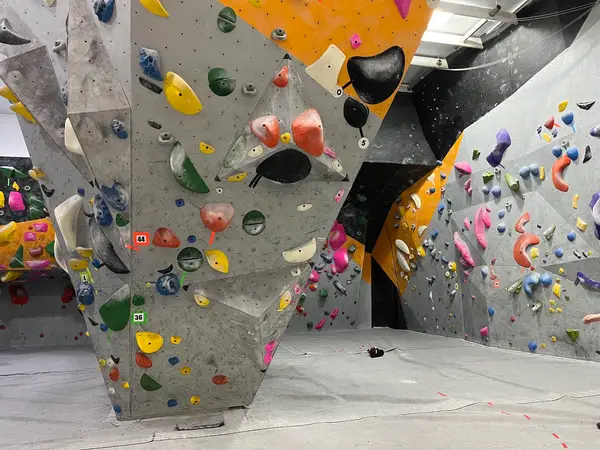
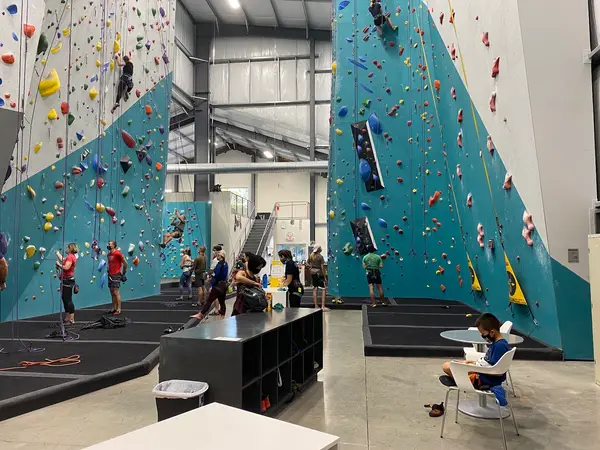
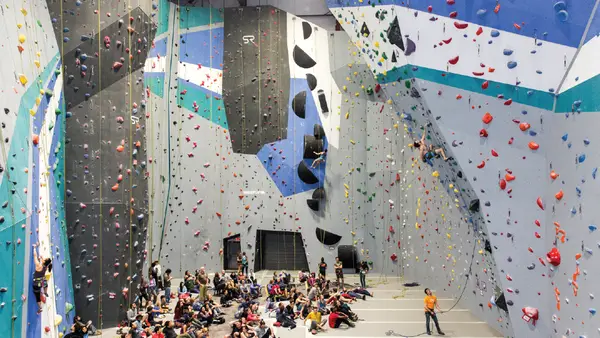
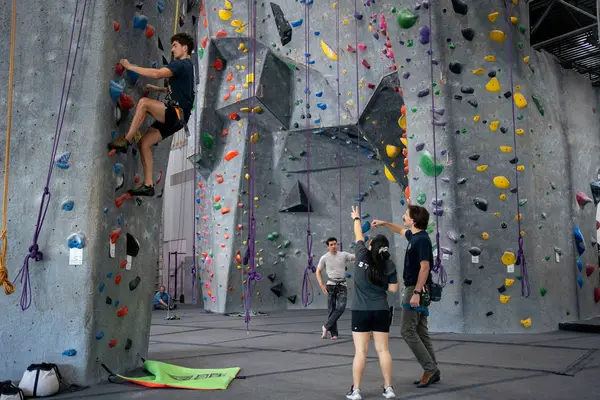
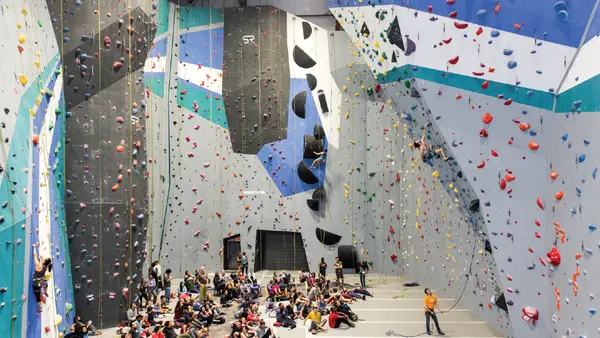
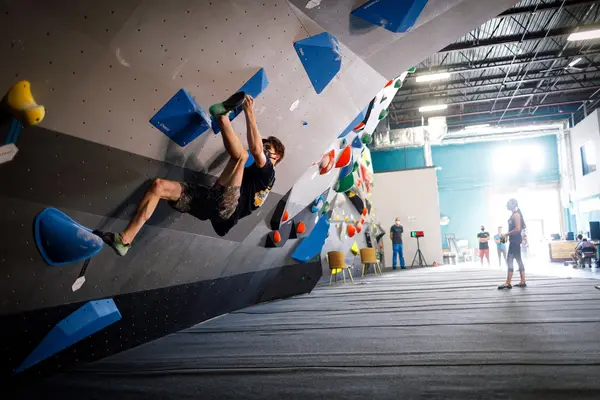
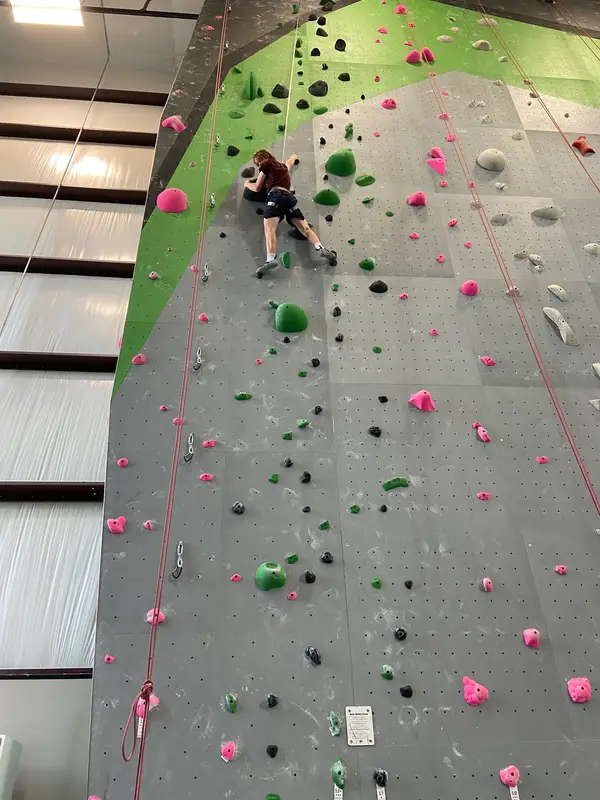
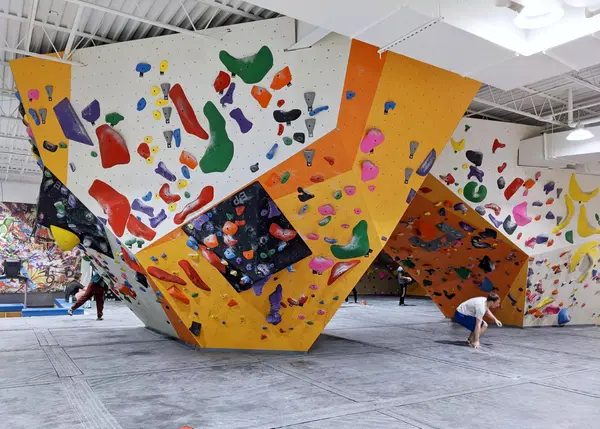
Virginia boasts a thriving indoor climbing gym scene in its urban centers, providing year-round training and social opportunities. Outdoor crags offer diverse experiences, from technical trad routes to expansive bouldering fields, often requiring a commitment to Leave No Trace principles.
Disciplines
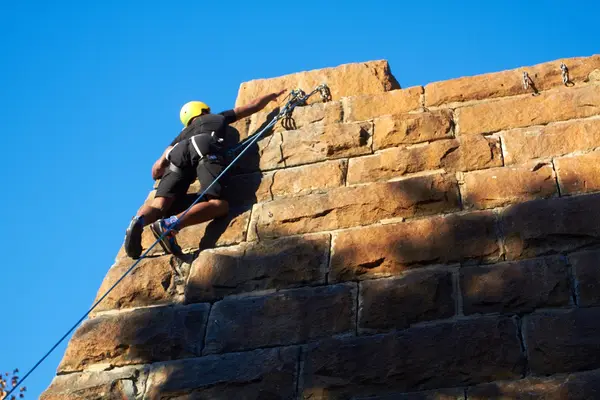
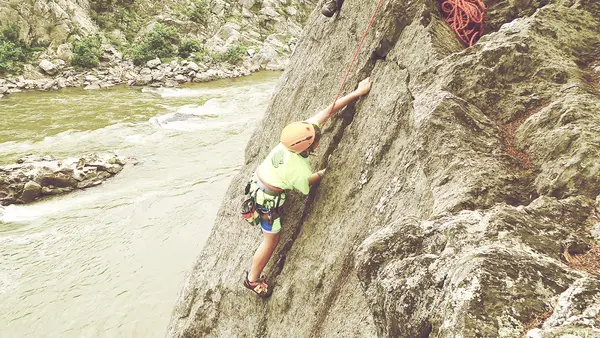
Traditional climbing is prominent on the state's granite and quartzite formations, with Old Rag the flagship trad crag. Great Falls sees heavy climbing traffic too, but its slick metamorphic schist holds gear poorly, so it's climbed almost entirely as a top-rope venue. Bouldering is a major draw, especially in Grayson Highlands. Sport climbing opportunities exist but are less widespread than trad or bouldering.
Access & Ethics
Climbers must adhere to land manager regulations, including seasonal raptor-nesting closures on some cliffs, area rules such as Great Falls' top-rope-only, no-bolting policy and its permit-gated zones (which protect rare Potomac Gorge plant communities), and potential backcountry permits (e.g., Shenandoah National Park). Fixed anchors are generally accepted where established, and local Access Fund chapters actively promote stewardship and access.
Guide Services
Numerous AMGA-certified guide services and climbing schools operate across Virginia, offering instruction, guided trips, and specialized clinics for all skill levels, ensuring safe and educational outdoor experiences.
Confirm current requirements with the state agency before your trip. Rules and fees change every season.
Shenandoah National Park Backcountry Permits
Overnight stays in the backcountry of Shenandoah National Park, including for multi-day climbing excursions, require a backcountry permit reserved in advance through Recreation.gov, the park discontinued free self-registration at trailheads and visitor centers in January 2024.
Virginia State Park Entrance Fees
Access to Virginia State Parks, which host several climbing areas like Grayson Highlands, typically requires an entrance fee per vehicle or an annual pass. Fees vary by park and time of year.
Commercial Guide Service Permits
Guide services operating on public lands, including state parks and national forests, often require specific commercial permits from the managing agency. Visitors should verify their guide service holds appropriate authorizations.
- 01
Identify Your Climbing Goal
Pick your lane first: gym climbing, outdoor bouldering, or roped routes. That single decision sorts out where to go, what to carry, and whether you need instruction before you start.
- 02
Research Locations & Access
Look into the specific crag or gym on your list (Old Rag, Grayson Highlands, or a facility in town), and check permits, fees, and seasonal closures before committing to the drive.
- 03
Secure Instruction or Guidance
New to climbing, or new to a discipline? Book time with an AMGA-certified guide service or take a course at a local gym. Technique and safety systems are learned far faster, and far more safely, with someone competent watching.
- 04
Acquire Essential Gear
Cover the essentials (shoes, harness, helmet, protection), or confirm your gym or guide service rents what you need. Showing up short on gear ends a climbing day before it starts.
- 05
Understand Local Ethics & Rules
Learn the local ground rules: Leave No Trace, plus whatever the area says about bolting, fixed anchors, and stewardship. Virginia's crags stay open because climbers hold that line.
01What is the best time of year for outdoor climbing in Virginia?
02Are there good bouldering areas in Virginia?
03Do I need a permit to climb in Virginia's state or national parks?
04What types of climbing are most common in Virginia?
05Are there climbing gyms available for indoor training?
06Can I find guided climbing services in Virginia?
Free tools
Your free outdoor toolkit
Everything Map
Listings, trails, spots, clubs and public land on a single full-screen map. Switch layers on and off, then tap any point for the details.
Open Everything MapCrags
Find climbing areas on a map with discipline, grade range, and how many routes each crag holds.
Open CragsRoute Planner
Drop stops on a map and watch distance and drive time add up. Export a GPX or share the link.
Open Route PlannerClimbing Clubs
Browse local clubs with meeting info and how to join, or start your own for free.
Open Climbing ClubsPhoto ID
Point your camera at whatever you found and get a structured identification. No signup.
Open Photo IDGear Checklists
Printable, save-as-you-go packing lists. Tick items off and pull them up on your phone.
Open Gear Checklists

Keep exploring