Rock Climbing · West Virginia
Rock Climbing in West Virginia
Climb 11 gyms, guides and schools across West Virginia. Maps, hours, contact info, photos, and verified operator profiles, all in one place.
Mountain State. Monongahela, the New River Gorge, and the Allegheny Plateau.
About West Virginia
Best time to go
When to climb in West Virginia
April through November.
- October–November: cool, dry, high-friction "send temps"
- Spring: good climbing between rain showers
- Summer: humid and greasy, so dawn patrol or head north
11 on the map
Tap a pin to open its profile.
Quick facts
- Crags mapped
- 80
- Gyms, guides and schools listed
- 11
- Best season
- April through November
All listings
11 gyms, guides and schools
across West Virginia



Watch it live
Live webcams in West Virginia
 Location
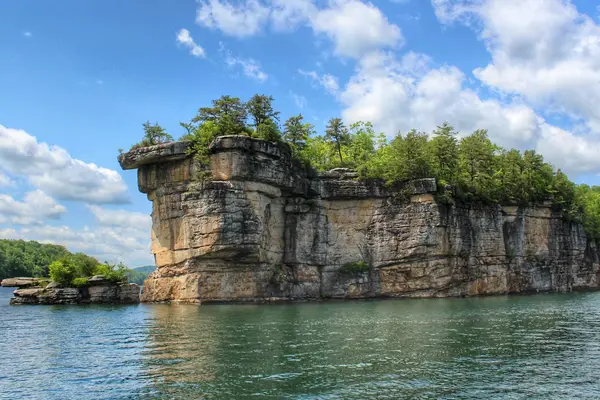
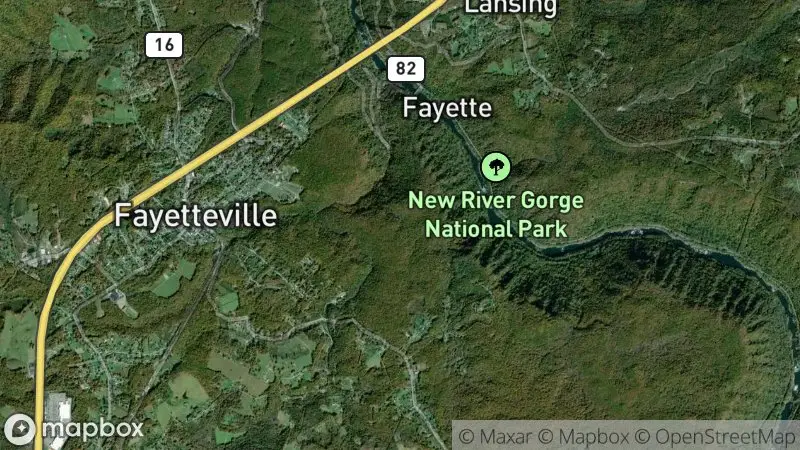
New River Gorge
via National Park Service
Watch livePlan your trip
Plan your trip to West Virginia
Signature Rock Types and Areas
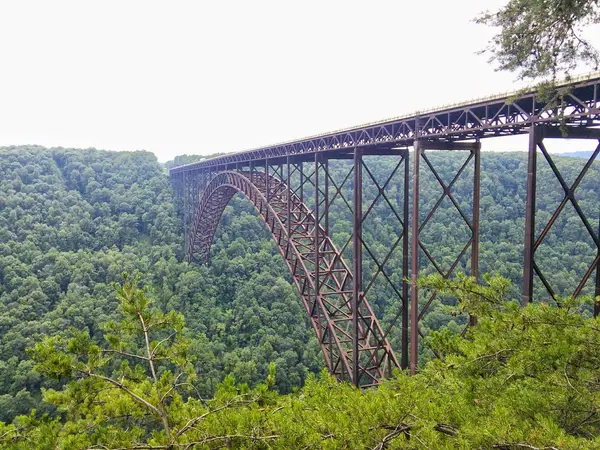
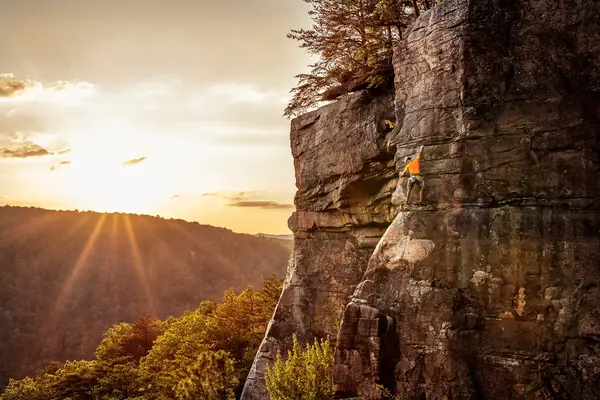
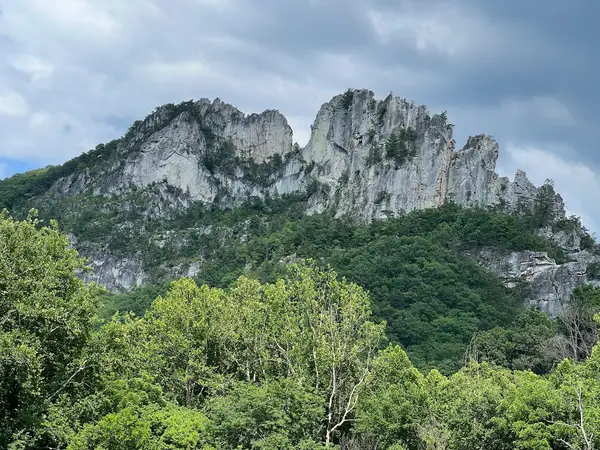
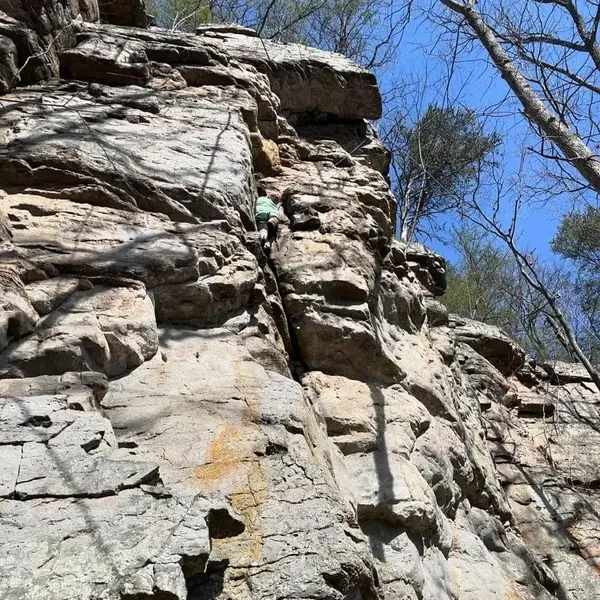
West Virginia is renowned for its Nuttall sandstone at the New River Gorge National Park and Preserve, offering world-class sport climbing. Seneca Rocks in the Monongahela National Forest features towering quartzite formations, famous for multi-pitch traditional routes. Coopers Rock State Forest near Morgantown provides excellent bouldering and some trad climbing on sandstone.
Climbing Season and Best Months
The best outdoor climbing season is generally fall (September to November) due to ideal temperatures and low humidity. Spring (April to May) is also popular, though conditions can be variable. Summer is hot and humid, making early mornings or shady crags preferable. Winter can offer good climbing on dry, cold days, especially for bouldering.
Indoor Gyms vs. Outdoor Crags
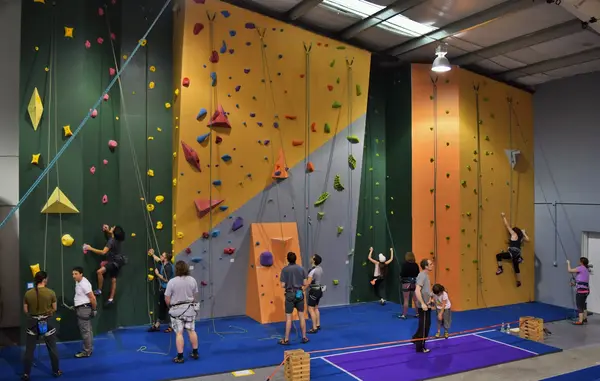
West Virginia has several indoor climbing gyms in major cities, providing year-round access for training, instruction, and community. These gyms are vital during periods of inclement weather or extreme temperatures. Outdoor crags, particularly the New River Gorge and Seneca Rocks, offer a vast array of routes for all skill levels, with diverse rock types and climbing styles.
Dominant Climbing Disciplines
The state is primarily known for sport climbing at the New River Gorge and traditional (trad) climbing at Seneca Rocks. Bouldering is also highly popular, with significant areas at Coopers Rock State Forest and various sectors within the New River Gorge. While alpine climbing is not typical, the multi-pitch routes at Seneca Rocks offer an adventurous, exposed experience akin to alpine rock.
Access, Ethics, and Stewardship
Climbing access in West Virginia is generally good but requires adherence to land manager regulations (National Park Service, National Forest Service, State Parks). Seasonal raptor nesting closures are common, especially at specific walls in the New River Gorge, where peregrine falcons nest; always check current conditions. Fixed anchors and bolting norms are generally accepted where established, but new route development should follow local coalition guidelines. The Access Fund and local climbing organizations play a key role in advocating for access and promoting Leave No Trace principles.
AMGA-Certified Guide Services
Yes, AMGA-certified guide services and climbing schools operate extensively in West Virginia, particularly in the New River Gorge and at Seneca Rocks. Hiring a certified guide is highly recommended for those new to the area, seeking instruction, or desiring to climb safely on more challenging routes. These guides possess expertise in local geology, safety protocols, and responsible outdoor practices.
Confirm current requirements with the state agency before your trip. Rules and fees change every season.
National Park Service Regulations
Visitors to the New River Gorge National Park and Preserve must adhere to all National Park Service regulations, including those pertaining to parking, camping, and specific climbing access points. While general climbing does not require a permit, commercial guiding operations must obtain a Commercial Use Authorization (CUA).
NPS New River GorgeMonongahela National Forest Regulations
Climbers visiting Seneca Rocks and other areas within the Monongahela National Forest must follow Forest Service guidelines. This includes respecting raptor nesting closures, practicing Leave No Trace principles, and being aware of specific camping or parking restrictions. Commercial guiding also requires a Special Use Permit.
Monongahela National ForestState Park Regulations
When climbing in West Virginia State Parks, such as Coopers Rock State Forest, visitors must comply with state park rules, which may include specific hours of operation, parking fees, and designated climbing zones. Always check with the individual park for any unique climbing-related regulations.
Guide Service Licensing & Permits
Individuals hiring a guide should ensure their chosen service holds the necessary permits and certifications from the relevant land manager (e.g., NPS, USFS) to operate legally. While individual climbers typically don't need a specific license, commercial operators do. Verify with the guide service directly.
- 01
1. Choose Your Destination and Discipline
The venue picks the game here: sport at the New River Gorge, trad at Seneca Rocks, bouldering at Coopers Rock and within the NRG. Choose first: gear, guides, and where you sleep all follow from it.
- 02
2. Assess Your Skill Level and Needs
Be honest about where you are. New to outdoor rock, or just new to these crags? Book an AMGA-certified guide or a climbing school session. Even experienced climbers should dig into the local beta, this rock has habits worth knowing in advance.
- 03
3. Research Access, Regulations, and Closures
Before the drive, check the land manager's website (NPS, USFS, or State Parks depending on your crag), for parking rules, camping permits, and seasonal raptor nesting closures. A closed cliff discovered at the trailhead is a long way to come for nothing.
- 04
4. Plan Your Logistics and Gear
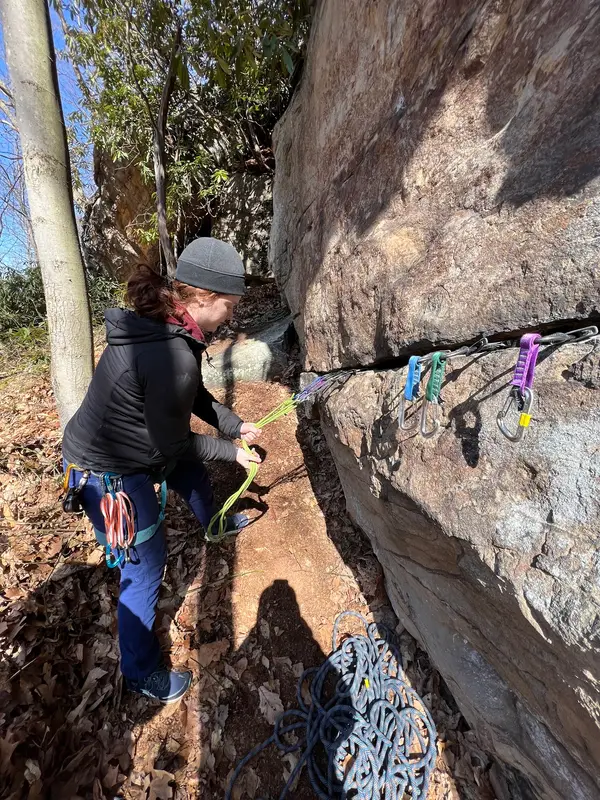
Book your lodging, pack for the discipline (rope, quickdraws, trad rack, shoes, harness, helmet, belay device), and bring layers for weather that changes its mind. A guidebook or climbing app saves a lot of wandering below unfamiliar walls.
- 05
5. Practice Leave No Trace Principles
Know the seven principles and actually apply them: pack out every scrap, stay on established trails, keep crag bases tidy, give wildlife and other visitors room. The access climbers enjoy in West Virginia was built on this behavior, and it depends on it continuing.
01What is the best time of year to climb outdoors in West Virginia?
02Do I need to hire a guide to climb in West Virginia?
03What kind of climbing is West Virginia most known for?
04Are there climbing gyms available in West Virginia?
05What are the main access considerations for climbers in West Virginia?
06Is bouldering a popular activity in West Virginia?
Free tools
Your free outdoor toolkit
Everything Map
Listings, trails, spots, clubs and public land on a single full-screen map. Switch layers on and off, then tap any point for the details.
Open Everything MapCrags
Find climbing areas on a map with discipline, grade range, and how many routes each crag holds.
Open CragsRoute Planner
Drop stops on a map and watch distance and drive time add up. Export a GPX or share the link.
Open Route PlannerClimbing Clubs
Browse local clubs with meeting info and how to join, or start your own for free.
Open Climbing ClubsPhoto ID
Point your camera at whatever you found and get a structured identification. No signup.
Open Photo IDGear Checklists
Printable, save-as-you-go packing lists. Tick items off and pull them up on your phone.
Open Gear Checklists


Keep exploring