Rock Climbing · North Dakota
Rock Climbing in North Dakota
Climb 1 climbing gym across North Dakota. Maps, hours, contact info, photos, and verified operator profiles, all in one place.
Theodore Roosevelt badlands, the Missouri Coteau, and the Red River Valley.
About North Dakota
Best time to go
When to climb in North Dakota
May through October.
- October–November: cool, dry, high-friction "send temps"
- Spring: good climbing between rain showers
- Summer: humid and greasy, so dawn patrol or head north
1 on the map
Tap a pin to open its profile.
Quick facts
- Gyms, guides and schools listed
- 1
- Best season
- May through October
All listings
1 climbing gym
across North Dakota
Plan your trip
Plan your trip to North Dakota
Signature Rock Types and Areas
North Dakota's outdoor climbing is characterized by glacial erratics (granite, gneiss) found in the eastern and central regions, and the unique, softer formations of the Badlands (sandstone, mudstone, clinker) in the west, particularly around the Little Missouri National Grassland and the Maah Daah Hey Trail.
Climbing Season and Best Months
The primary outdoor climbing season is fall (September-October) due to favorable temperatures and dry conditions. Early spring (April-May) and late summer (August) can also offer climbable days, but summer heat and winter cold make indoor gyms the preferred option for much of the year.
Indoor Gyms vs. Outdoor Crags
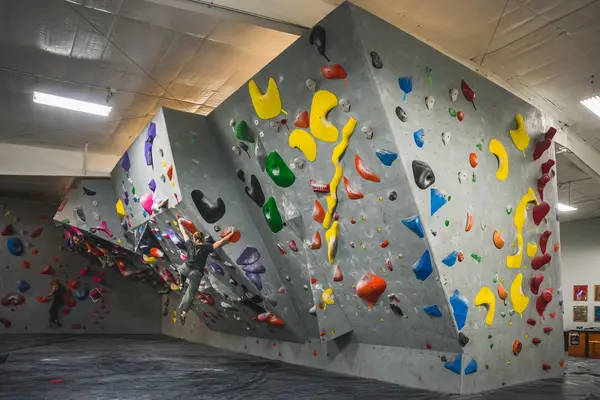
North Dakota's climbing scene is heavily weighted toward indoor gyms in Fargo, Bismarck, and Grand Forks, which offer diverse climbing. Outdoor crags are sparse and primarily cater to bouldering, requiring more exploration and self-sufficiency.
Dominant Climbing Disciplines
Bouldering is the defining outdoor climbing discipline in North Dakota, found on both glacial erratics and Badlands formations. Roped climbing (sport or trad) opportunities are extremely rare to non-existent on natural rock, but are widely available in indoor gyms.
Access and Ethics
Access to outdoor climbing areas, especially in the Badlands, often involves federal lands managed by the BLM or US Forest Service (National Grasslands). Strict adherence to Leave No Trace principles is paramount due to the fragile nature of some formations. Fixed anchors are generally discouraged or prohibited on Badlands formations; always verify with the specific land manager. There are no known specific raptor-nesting closures impacting the limited climbing areas. Local climbing coalitions are minimal, so individual responsibility for stewardship is key. AMGA-certified guide services for outdoor climbing are very limited; check with local gyms for certified instructors.
Confirm current requirements with the state agency before your trip. Rules and fees change every season.
Public Land Recreation Guidelines
Recreational users on public lands, including Bureau of Land Management (BLM) and National Grasslands (US Forest Service), must adhere to specific agency guidelines. These include Leave No Trace principles, respecting private property boundaries, and understanding restricted areas. Always check the specific rules for the land management unit you plan to visit.
Commercial Guiding Permits
Any individual or organization offering commercial climbing guide services or instruction on federal or state public lands in North Dakota is required to obtain the appropriate special use or commercial operating permits from the managing agency (e.g., BLM, US Forest Service). Requirements and fees vary depending on the specific land and scope of operations.
Leave No Trace Practices
While not always a specific permit, practicing Leave No Trace is a fundamental expectation for all outdoor recreationists in North Dakota, particularly given the fragile ecosystems in areas like the Badlands. This includes packing out all trash, minimizing impact on trails and rock, and respecting wildlife.
- 01
1. Connect with Local Gyms
Walk into a gym in Fargo, Bismarck, or Grand Forks. That's where the instruction is, where partners get found, and where the people who actually know the outdoor spots hang out. Everything in North Dakota climbing routes through the gyms.
- 02
2. Research Outdoor Bouldering Areas
Outdoor here means bouldering, so aim your research at the erratics or the Badlands formations. Online forums, whatever guidebook coverage exists, and gym staff are the sources, much of the beta travels by word of mouth.
- 03
3. Acquire Necessary Gear
The bouldering kit is short: shoes, chalk bag, crash pad. Gyms rent gear for indoor sessions, but if you're climbing regularly, your own shoes pay for themselves fast.
- 04
4. Understand Land Access and Ethics
Know whose land you're on, BLM and the US Forest Service manage much of it, and follow their rules. The Badlands rock in particular is fragile; Leave No Trace here isn't a slogan, it's what keeps the few areas that exist climbable.
- 05
5. Plan for Weather Extremes
This state swings from brutal summer heat to winters that end outdoor climbing entirely. Check the forecast, pack for the swing, and aim your outdoor ambitions at fall, the one season that reliably cooperates.
01Is there outdoor climbing in North Dakota?
02What kind of rock climbing is available in North Dakota?
03Are there climbing gyms in North Dakota?
04Can I find climbing guides or schools in North Dakota?
05What is the best time of year to climb outdoors in North Dakota?
06Are there any specific access issues or permits needed for climbing in North Dakota?
Free tools
Your free outdoor toolkit

Everything Map
Listings, trails, spots, clubs and public land on a single full-screen map. Switch layers on and off, then tap any point for the details.
Open Everything MapCrags
Find climbing areas on a map with discipline, grade range, and how many routes each crag holds.
Open CragsRoute Planner
Drop stops on a map and watch distance and drive time add up. Export a GPX or share the link.
Open Route PlannerClimbing Clubs
Browse local clubs with meeting info and how to join, or start your own for free.
Open Climbing ClubsPhoto ID
Point your camera at whatever you found and get a structured identification. No signup.
Open Photo IDGear Checklists
Printable, save-as-you-go packing lists. Tick items off and pull them up on your phone.
Open Gear Checklists


Keep exploring