Rock Climbing · South Dakota
Rock Climbing in South Dakota
Climb 3 gyms, guides and schools across South Dakota. Maps, hours, contact info, photos, and verified operator profiles, all in one place.
Black Hills, the Badlands, and the Missouri River breaks.
About South Dakota
Best time to go
When to climb in South Dakota
May through October.
- October–November: cool, dry, high-friction "send temps"
- Spring: good climbing between rain showers
- Summer: humid and greasy, so dawn patrol or head north
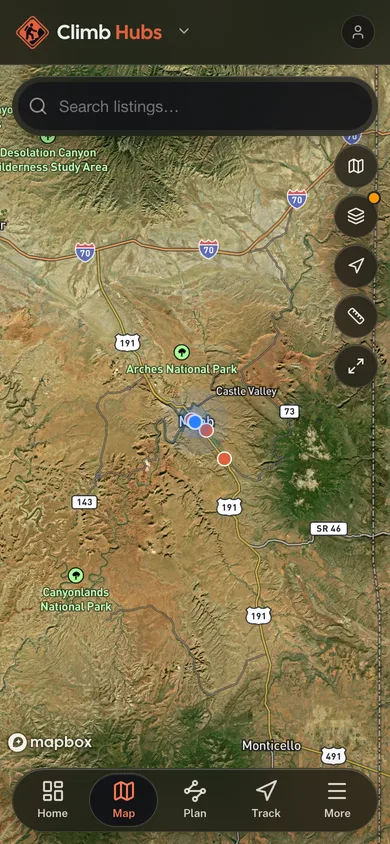
3 on the map
Tap a pin to open its profile.
Quick facts
- Crags mapped
- 143
- Gyms, guides and schools listed
- 3
- Best season
- May through October
All listings
3 gyms, guides and schools
across South Dakota
Plan your trip
Plan your trip to South Dakota
Signature Rock Types and Areas
South Dakota's climbing is defined by two primary rock types: the unique granite spires of the Black Hills, particularly in Custer State Park and the Needles District, known for traditional climbing; and the limestone cliffs of Spearfish Canyon, offering excellent sport climbing and seasonal ice climbing.
Best Climbing Season and Disciplines
The optimal outdoor climbing season typically runs from late spring through fall, with September and October often providing the most stable and pleasant conditions. The state offers a mix of traditional climbing (Needles), sport climbing (Spearfish Canyon), and bouldering opportunities across various areas.
Access and Ethics
Access to climbing areas often requires awareness of specific land manager regulations. Custer State Park, for example, requires a state park entrance license for vehicle entry but no climbing-specific permit. Fixed-anchor policies vary, with traditional ethics prevalent in the Needles and bolted routes common in Spearfish Canyon. Always check for seasonal raptor-nesting closures, particularly in spring and early summer. Adhere to Leave No Trace principles and support local climbing coalitions like the Black Hills Climbers Coalition, often affiliated with the Access Fund, for stewardship efforts.
Indoor Gyms vs. Outdoor Crags
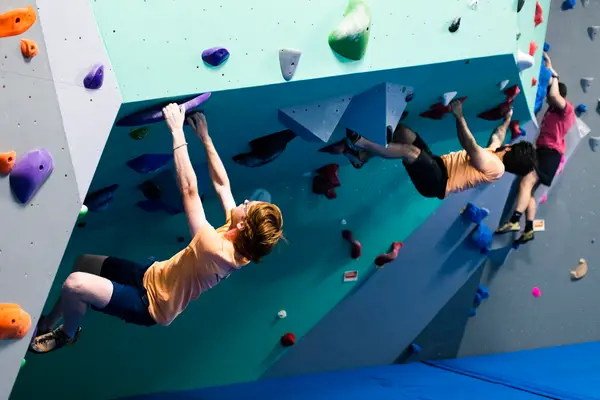
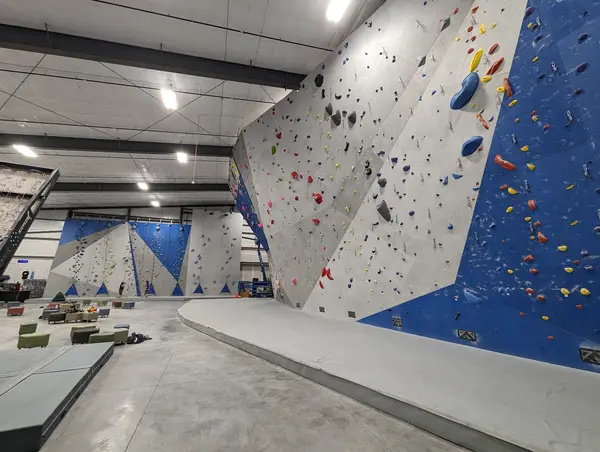
While the Black Hills and Spearfish Canyon offer world-class outdoor experiences, indoor climbing gyms in Rapid City and Sioux Falls provide year-round access for training, instruction, and community building. These gyms are excellent resources for beginners and for maintaining fitness during off-seasons or inclement weather.
AMGA-Certified Guide Services
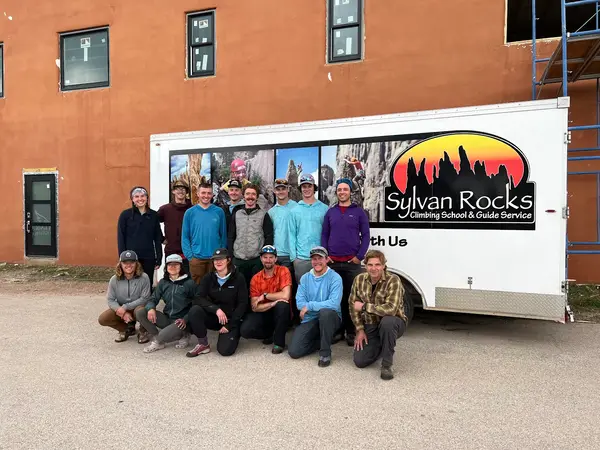
AMGA-certified guide services and climbing schools operate in South Dakota, primarily focused on the Black Hills and Spearfish Canyon. These services offer instruction, guided ascents, and ensure adherence to safety standards and local regulations, making them an excellent resource for new and experienced climbers alike.
Confirm current requirements with the state agency before your trip. Rules and fees change every season.
Custer State Park Climbing Permit
Custer State Park, including the popular Needles District, does not require a climbing-specific permit or registration. It does require a valid South Dakota State Park entrance license for vehicle entry, and climbers should follow posted park rules, for example, power drills are prohibited on the Needles. Verify current requirements with the park.
South Dakota Game, Fish and ParksBlack Hills National Forest Regulations
While specific climbing permits are not universally required for all areas within the Black Hills National Forest, climbers must adhere to general forest service regulations, including Leave No Trace principles. This includes proper waste disposal, minimizing impact on vegetation, and respecting wildlife. Fixed anchors and bolting may have specific guidelines; check with the local Forest Service district office for the most current information.
Black Hills National ForestRaptor Nesting Closures
Certain climbing areas, particularly those with cliffs, may be subject to seasonal closures to protect nesting raptors such as falcons and eagles. These closures are typically in effect during the spring and early summer breeding season. Climbers are responsible for checking with local land managers or climbing organizations for current closure information before planning a trip.
- 01
1. Choose Your Climbing Style and Location
Pick your objective first: trad on the Needles granite, sport in Spearfish Canyon, or a gym session in town. Everything downstream, from gear to preparation, follows from that choice.
- 02
2. Secure Necessary Permits and Check Access
Heading to Custer State Park? Sort your climbing permit and park entrance license before you drive out. Check for seasonal closures too, raptor nesting shuts down some cliffs, via local climbing organizations or land manager sites.
- 03
3. Consider a Guide Service or Climbing School
The Needles is no place to figure out trad climbing on your own. An AMGA-certified guide brings instruction, gear, and hard-won local knowledge, worth it for newcomers and for experienced climbers new to this granite.
- 04
4. Gather Appropriate Gear and Prepare
Match the rack to the rock: cams and nuts for the Needles, quickdraws for Spearfish. Then cover the basics (water, food, first aid, layers), and check the forecast, because Black Hills weather changes its mind fast.
- 05
5. Understand and Practice Local Ethics
Learn the local ethic before you clip in. That means Leave No Trace, restrained chalk use, packing out everything, and respecting both the fragile rock and the other people sharing it.
01What is the best time of year to climb outdoors in South Dakota?
02What types of climbing are most prevalent in South Dakota?
03Are there climbing gyms in South Dakota?
04Do I need a permit to climb in South Dakota?
05Can I hire a climbing guide or take lessons in South Dakota?
06Is South Dakota a good climbing destination for beginners?
Free tools
Your free outdoor toolkit
Everything Map
Listings, trails, spots, clubs and public land on a single full-screen map. Switch layers on and off, then tap any point for the details.
Open Everything MapCrags
Find climbing areas on a map with discipline, grade range, and how many routes each crag holds.
Open CragsRoute Planner
Drop stops on a map and watch distance and drive time add up. Export a GPX or share the link.
Open Route PlannerClimbing Clubs
Browse local clubs with meeting info and how to join, or start your own for free.
Open Climbing ClubsPhoto ID
Point your camera at whatever you found and get a structured identification. No signup.
Open Photo IDGear Checklists
Printable, save-as-you-go packing lists. Tick items off and pull them up on your phone.
Open Gear Checklists

Keep exploring