Rock Climbing · Montana
Rock Climbing in Montana
Climb 17 gyms, guides and schools across Montana. Maps, hours, contact info, photos, and verified operator profiles, all in one place.
Big Sky country. Glacier, the Bob, and the Yellowstone headwaters.
About Montana
Best time to go
When to climb in Montana
June through October.
- June–September: alpine rock and high-elevation crags are in
- Watch afternoon thunderstorms, so start early and summit by noon
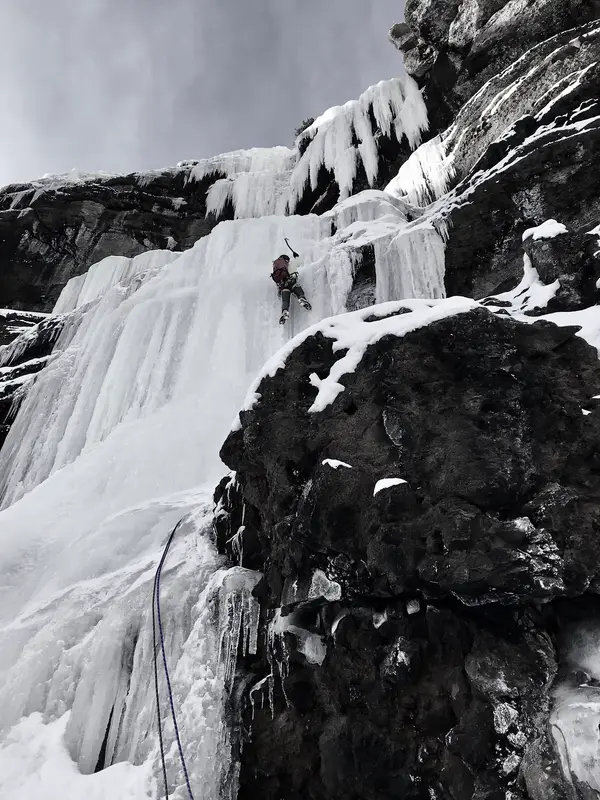
- Winter shifts to ice and mixed climbing
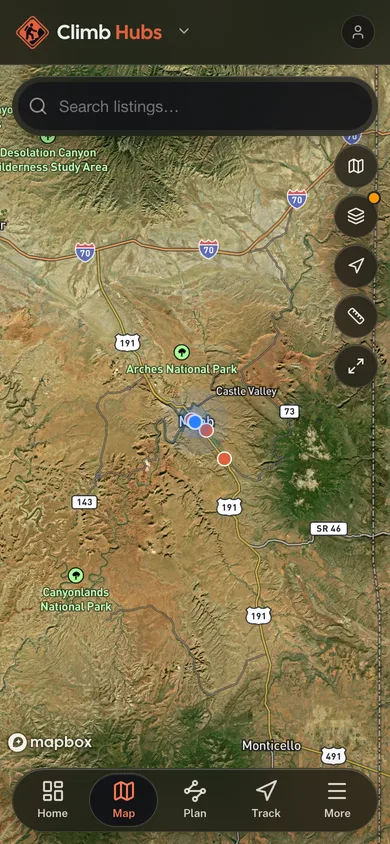
17 on the map
Tap a pin to open its profile.
Quick facts
- Crags mapped
- 129
- Gyms, guides and schools listed
- 17
- Best season
- June through October
All listings
17 gyms, guides and schools
across Montana
Plan your trip
Plan your trip to Montana
Rock Types & Areas
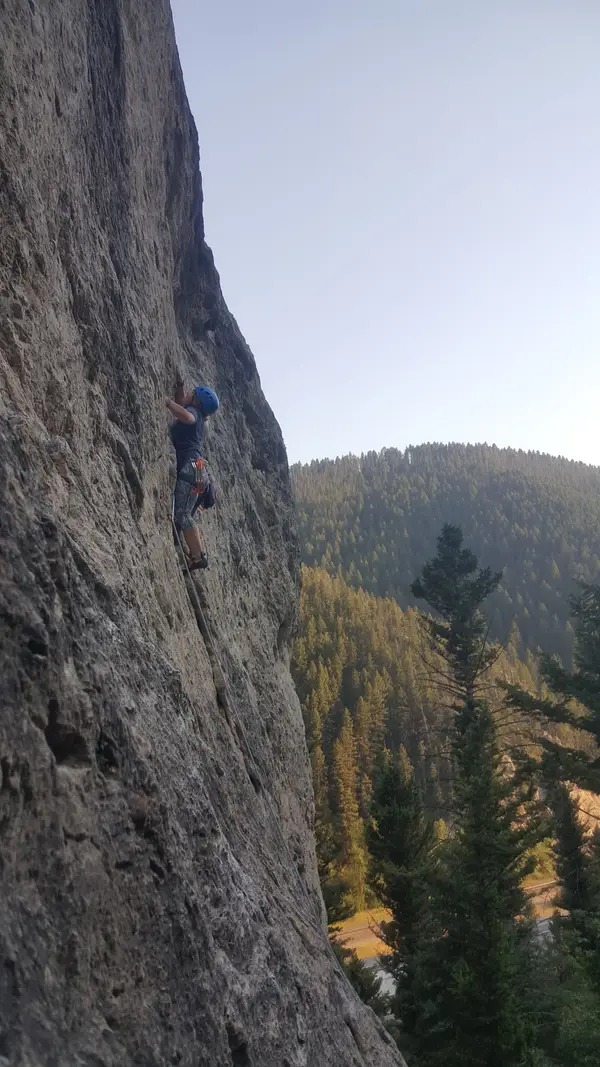
Montana features diverse rock, notably the limestone of Gallatin Canyon, the granite of the Tobacco Root Mountains and Beartooth Plateau, and the quartzite of Stone Hill. Sandstone and other formations are also present in various regions, offering a wide array of climbing styles.
Best Season
The primary outdoor climbing season runs from late spring through early fall, with July to September offering the most stable conditions for higher-elevation and alpine objectives. Lower-elevation crags can be climbed earlier and later depending on aspect and weather.
Indoor vs. Outdoor
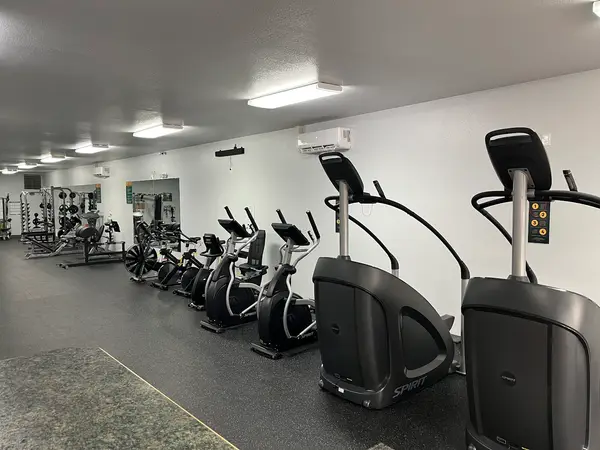
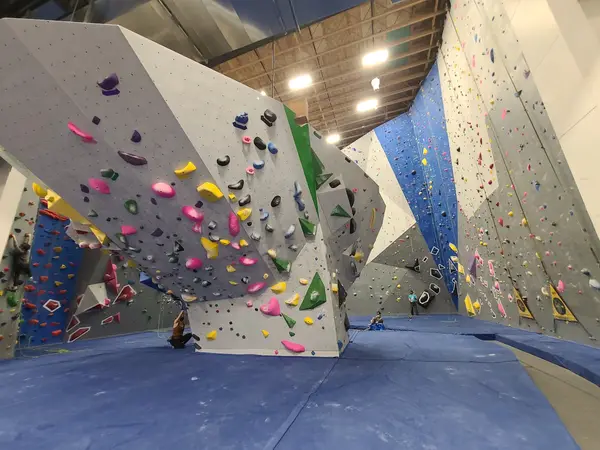
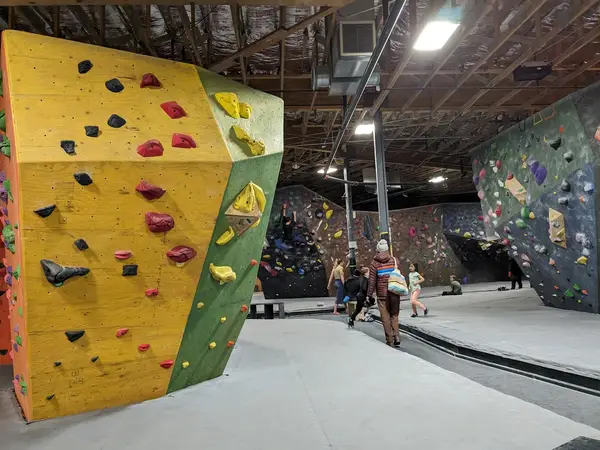
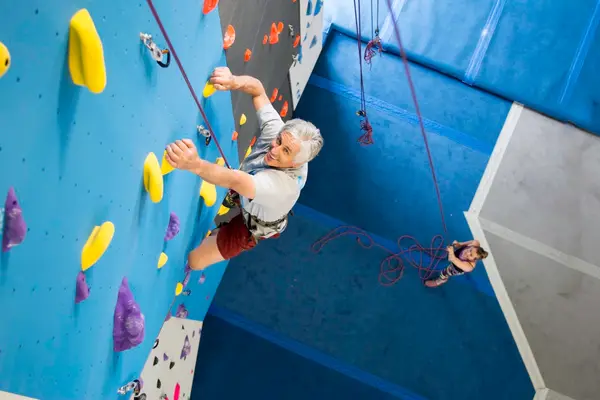
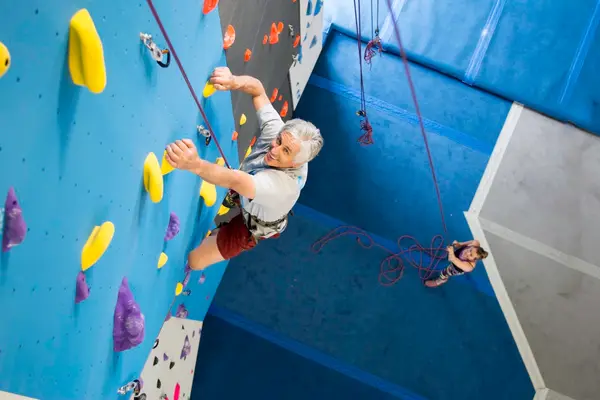
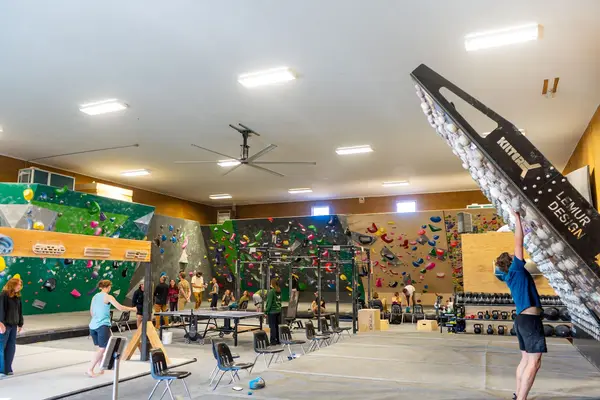
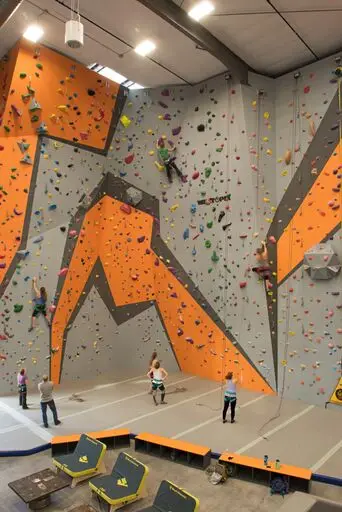
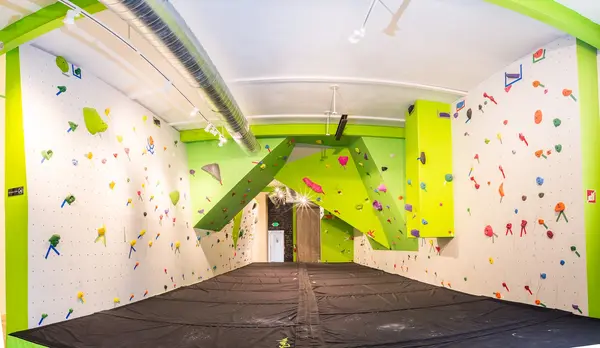
Major cities like Bozeman, Missoula, and Helena host modern climbing gyms, providing year-round training and a community hub. Outdoor opportunities range from easily accessible roadside crags to remote wilderness ascents requiring significant backcountry skills.
Climbing Disciplines
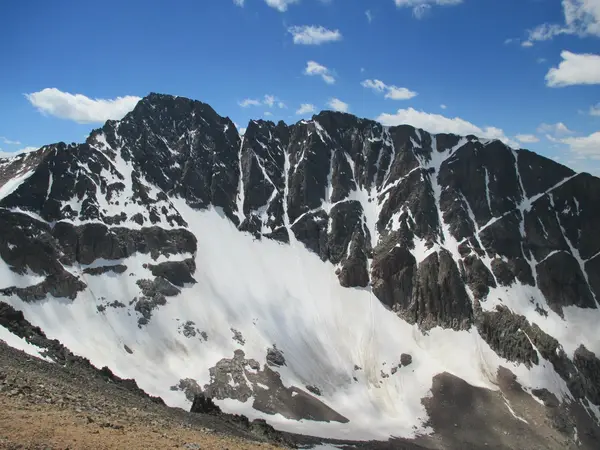
Montana is renowned for sport climbing, particularly in the Gallatin Canyon, and extensive traditional climbing throughout its many ranges. Bouldering is popular, with established areas, and alpine climbing is a significant draw in the Beartooths and Glacier National Park.
Access & Ethics
Most climbing occurs on public lands managed by the US Forest Service, BLM, or Montana State Parks. Bolting norms vary by area; always consult local ethics and Access Fund guidelines. Seasonal raptor closures are common, particularly in spring and early summer; check local land manager websites.
Guided Services
Numerous AMGA-certified guide services and climbing schools operate across Montana, offering instruction and guided ascents on both rock and ice, particularly in the Flathead, Gallatin, and Beartooth regions. These services enhance safety and access to challenging terrain.
Confirm current requirements with the state agency before your trip. Rules and fees change every season.
Commercial Guiding Permits
Guide services operating on public lands (e.g., US Forest Service, BLM, National Parks) are required to obtain specific Special Use Permits from the managing agency. These permits ensure compliance with land use regulations and often require proof of insurance and certifications.
Wilderness Area Permits
Permit requirements vary by wilderness area, so check with the managing Forest Service district before you go. Many Montana wilderness areas, including the Absaroka-Beartooth, require no permit for personal, non-commercial overnight use; where a free permit or trailhead self-registration does apply, it helps managers track visitor impact. Verify requirements with the specific land management agency.
State Business Registration
Any commercial climbing guide service or school operating within Montana must register as a business with the Montana Secretary of State's office. This is a general business requirement, not climbing-specific, but essential for legal operation.
- 01
Define Your Trip Focus
Gym session, bouldering circuit, sport crag, trad route, or alpine wall, Montana has all five, but they live in different corners of a very large state. Pick the discipline first and the itinerary writes itself.
- 02
Research Specific Crags and Conditions
Guidebooks and online beta will tell you what's dry, what's closed, and how the approach goes. Elevation matters enormously here, a crag at valley level and one two thousand feet up can be in different seasons on the same day.
- 03
Secure Necessary Gear and Skills
Bring a rack that matches the objective. If the style is new to you (first time on real rock, first trad lead), an AMGA-certified guide or a local climbing school is the fastest, safest way to close the gap.
- 04
Check Land Manager Regulations
Confirm permits before you go, especially for wilderness overnights and anything commercial. Then climb like you were never there, Leave No Trace is the working ethic across Montana's public lands.
- 05
Plan Logistics and Accommodations
Summer lodging and campsites go early. Book ahead. Budget honest drive times between areas, carry layers for mountain weather that turns fast, and treat the distances as part of the trip rather than an obstacle to it.
01Is Montana good for beginner climbers?
02What are the main types of rock climbing in Montana?
03Are there climbing gyms in Montana?
04Do I need a permit to climb outdoors in Montana?
05What is the best time of year to climb outdoors in Montana?
06Are there guided climbing services available in Montana?
Free tools
Your free outdoor toolkit
Everything Map
Listings, trails, spots, clubs and public land on a single full-screen map. Switch layers on and off, then tap any point for the details.
Open Everything MapCrags
Find climbing areas on a map with discipline, grade range, and how many routes each crag holds.
Open CragsRoute Planner
Drop stops on a map and watch distance and drive time add up. Export a GPX or share the link.
Open Route PlannerClimbing Clubs
Browse local clubs with meeting info and how to join, or start your own for free.
Open Climbing ClubsPhoto ID
Point your camera at whatever you found and get a structured identification. No signup.
Open Photo IDGear Checklists
Printable, save-as-you-go packing lists. Tick items off and pull them up on your phone.
Open Gear Checklists


Keep exploring