Rock Climbing · Utah
Rock Climbing in Utah
Climb 30 gyms, guides and schools across Utah. Maps, hours, contact info, photos, and verified operator profiles, all in one place.
Mighty Five national parks plus the Wasatch and the Uintas.
About Utah
Best time to go
When to climb in Utah
April through October. Winter belongs to the Wasatch.
- October–April: the prime window for desert sandstone
- Summer: far too hot, so climb early at elevation or skip it
- Sandstone needs 24–48h to dry after rain, so never climb it wet
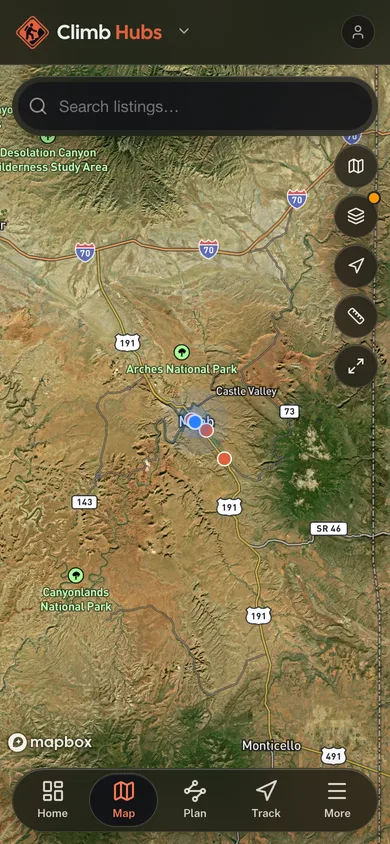
30 on the map
Tap a pin to open its profile.
Quick facts
- Crags mapped
- 209
- Gyms, guides and schools listed
- 30
- Best season
- April through October
All listings
30 gyms, guides and schools
across Utah
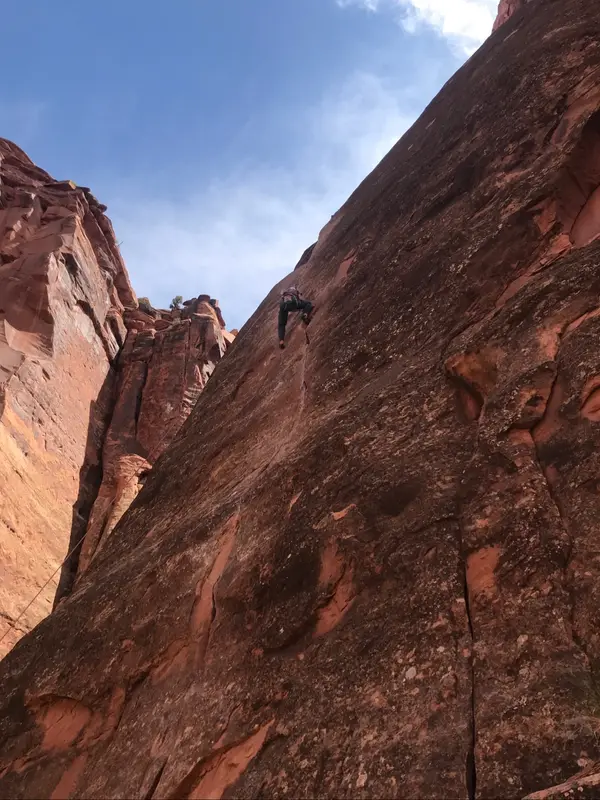
Watch it live
Live webcams in Utah
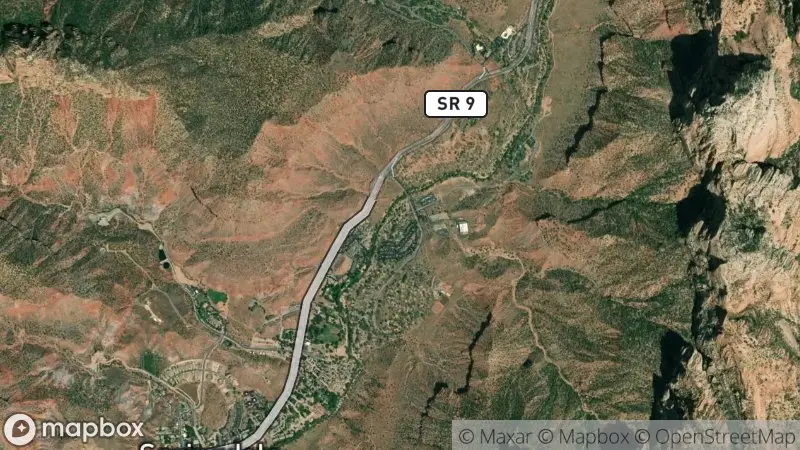 Location
Zion National Park Webcam (Temples & Towers)
via National Park Service
Watch livePlan your trip
Plan your trip to Utah
Signature Rock Types and Areas
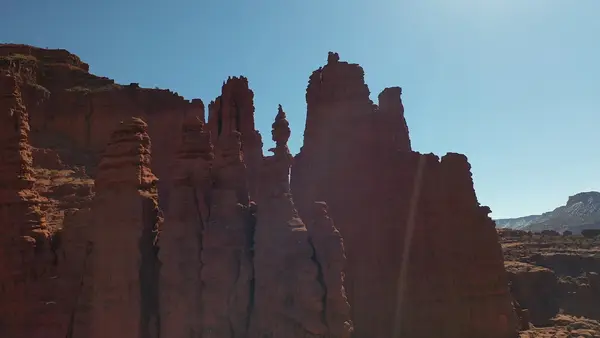
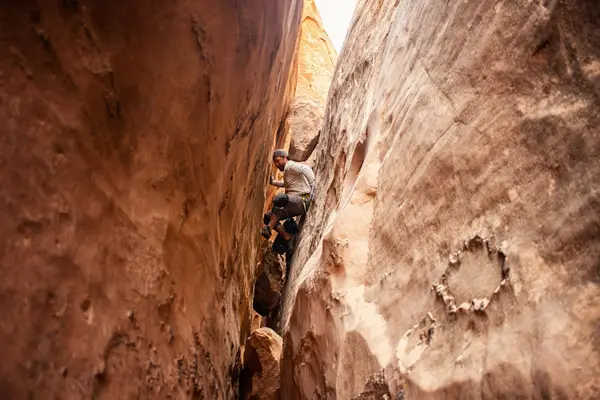
Utah boasts an incredible variety of rock. Expect red sandstone in Moab, St. George, and Zion; limestone in American Fork Canyon; quartzite in Big Cottonwood Canyon; granite in Little Cottonwood Canyon; and the unique conglomerate of Maple Canyon. Each offers distinct climbing styles and challenges.
Climbing Season and Best Months
Climbing is a year-round activity in Utah, though specific areas are seasonal. Spring and Fall offer the best conditions statewide. Summer is ideal for high-elevation crags, while winter is best for desert climbing or indoor gyms. Always check local forecasts.
Indoor Gyms vs. Outdoor Crags
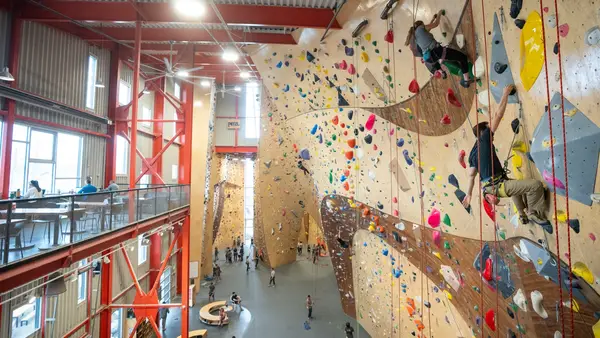
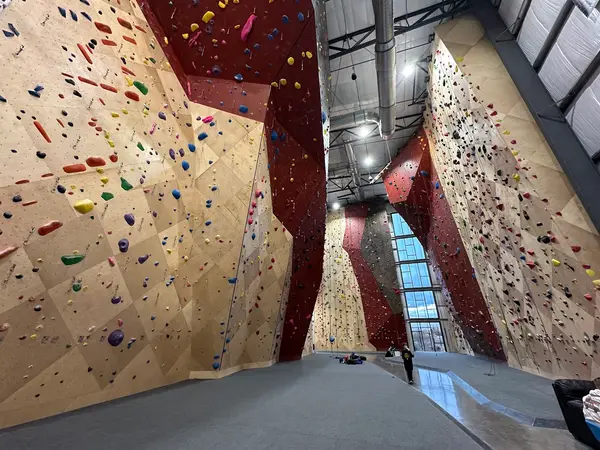
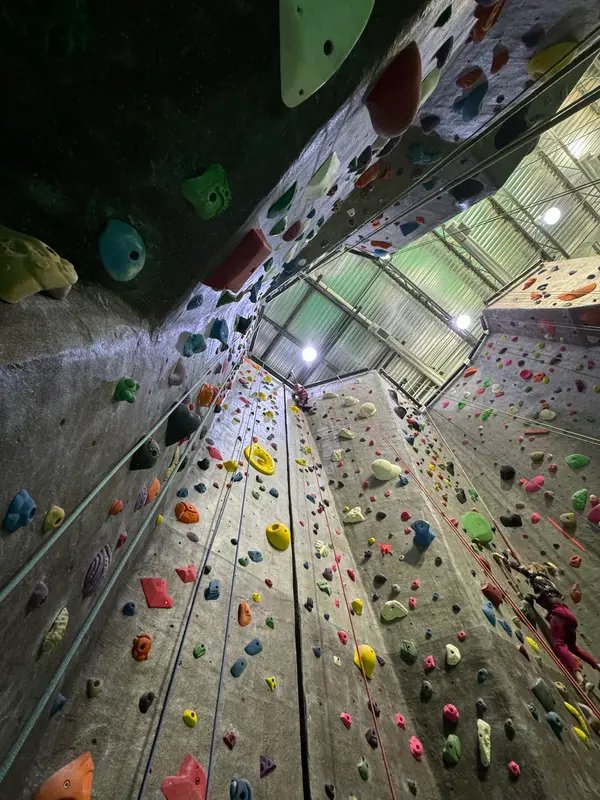
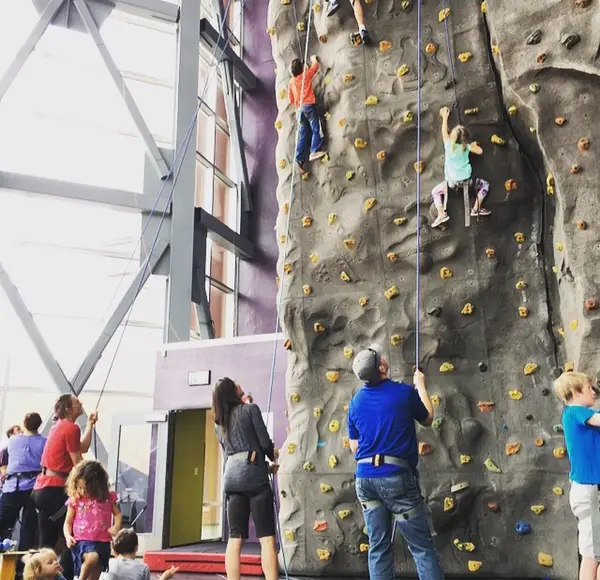
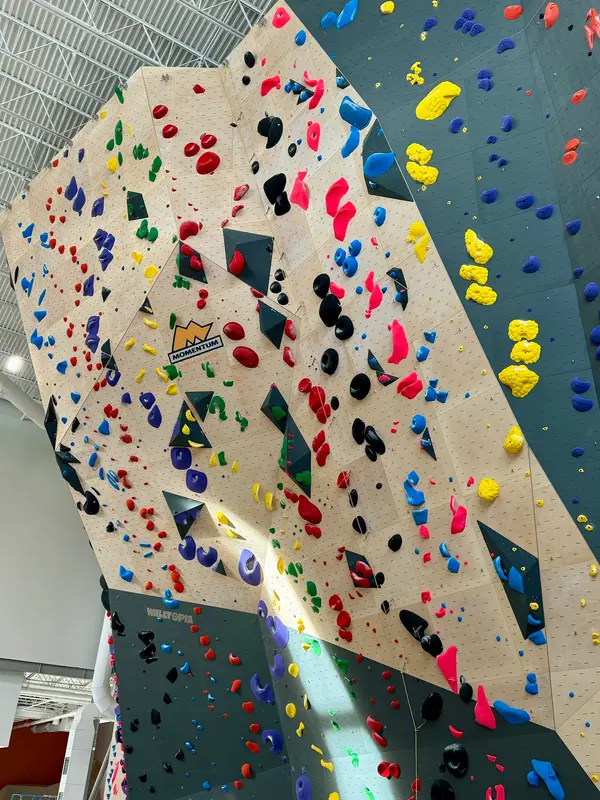
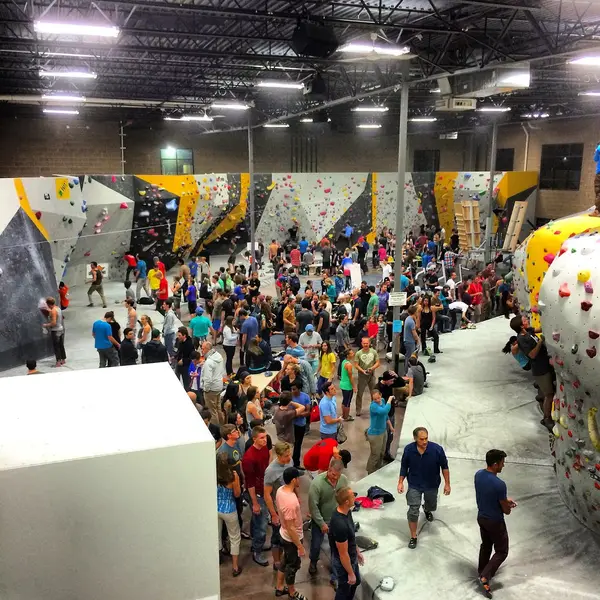
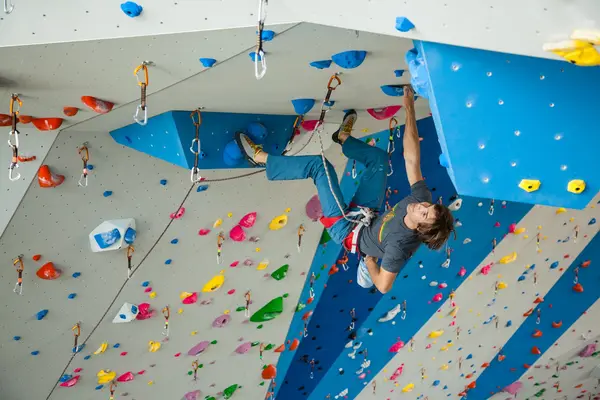
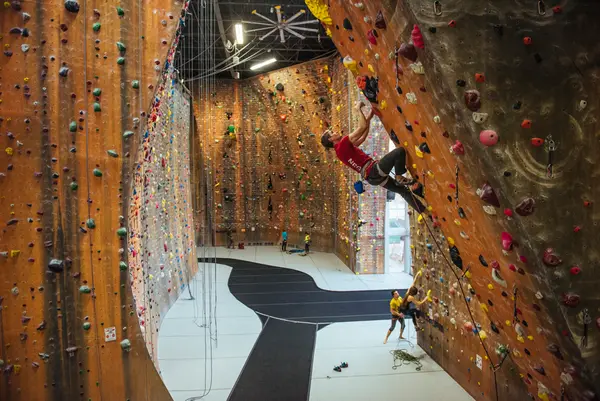
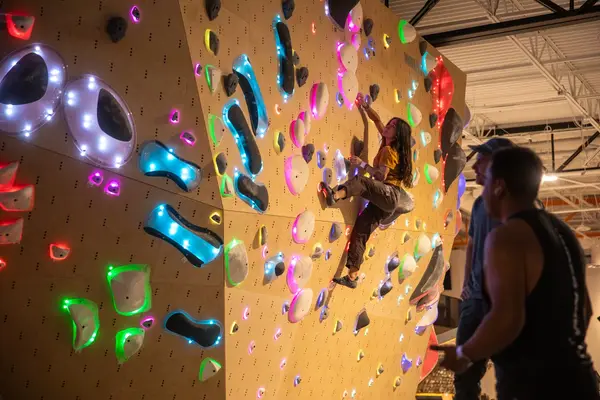
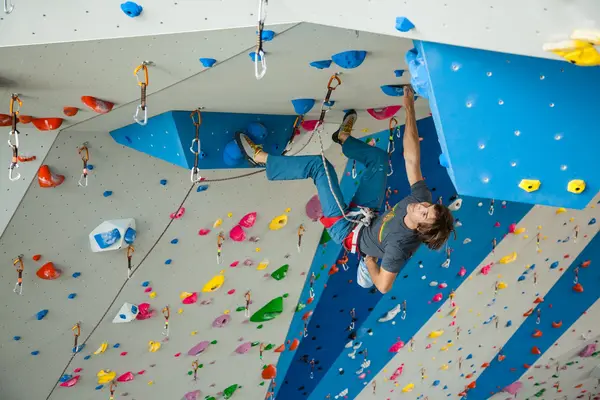
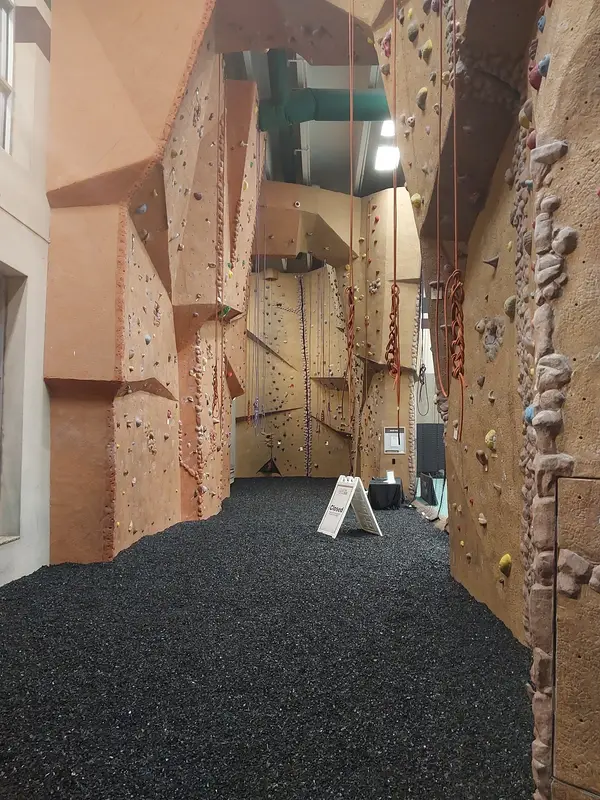
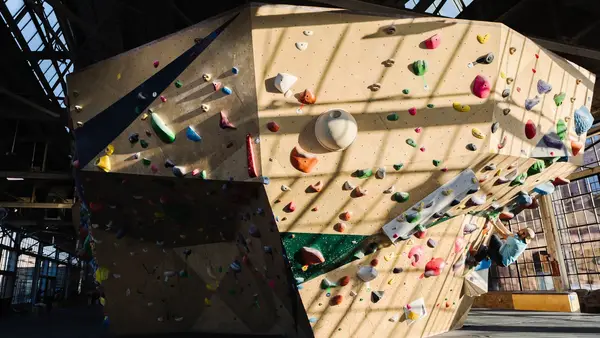
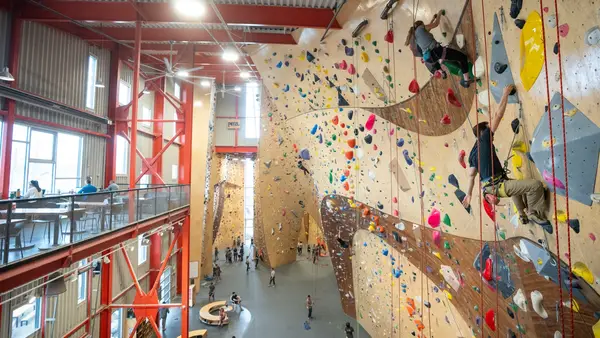
Utah has a robust indoor climbing gym scene, particularly in the Salt Lake City, Provo, and St. George areas, offering training and community. Outdoor crags provide diverse experiences from bouldering to big-wall climbing, often accessible within a short drive of urban centers.
Defining Disciplines
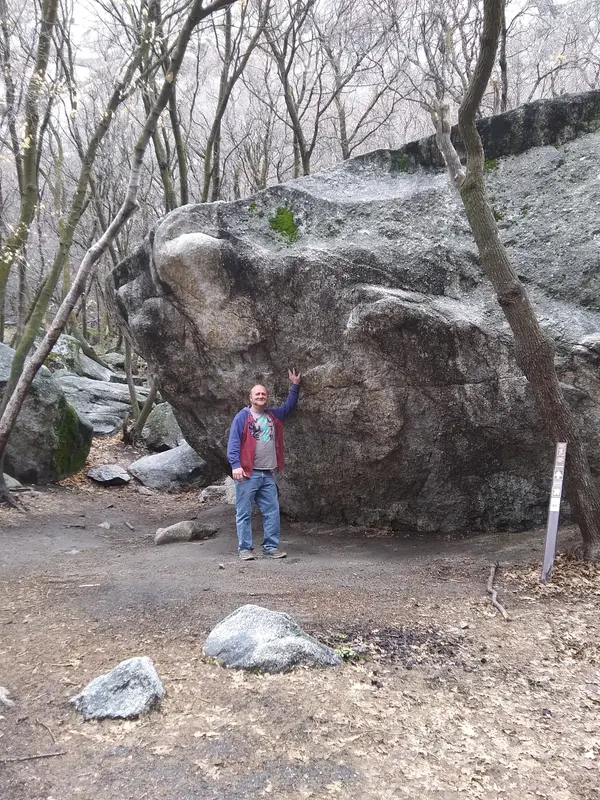
The state is famous for sport climbing (e.g., American Fork, Maple Canyon), traditional climbing (e.g., Indian Creek, Zion), and bouldering (e.g., Joe's Valley). There are also significant opportunities for multi-pitch and some alpine climbing in the higher ranges.
Access and Ethics
Fixed anchors are generally accepted, but always adhere to Leave No Trace principles. Seasonal raptor-nesting closures are common; check local land manager websites (BLM, Forest Service, NPS) for current restrictions. Local climbing organizations, supported by the Access Fund, are crucial stewards of crag access and ethics. AMGA-certified guide services and schools operate widely across the state.
Confirm current requirements with the state agency before your trip. Rules and fees change every season.
Commercial Guide Licensing
Utah has no state occupational license for climbing guides; commercial guiding is authorized instead by the land manager. On BLM and Forest Service ground a company needs a Special Recreation Permit or special-use permit (the BLM Moab Field Office, for instance, administers the guided climbing and canyoneering permits for the Moab area), and national parks require a Commercial Use Authorization. Verify requirements with the specific land-management agency for the area you plan to guide.
BLM Utah Special Recreation PermitsNational Park Service Commercial Use Authorization
Guide services conducting commercial operations within National Parks such as Zion or Arches must secure a Commercial Use Authorization (CUA) from the respective park. This permit is required to legally operate a business on park lands and ensures adherence to park regulations.
National Park ServiceWilderness Permits (Overnight)
While not always required for day climbing, overnight trips into designated wilderness areas, especially for popular multi-day ascents, may necessitate a wilderness permit. Always check with the specific land management agency (e.g., Forest Service, BLM, NPS) for the area you plan to visit.
- 01
Define Your Climbing Goals
Decide what the trip is for: gym sessions, a guided outdoor day, or independent cragging. In a state with this much variety, that answer narrows the map fast.
- 02
Research Specific Areas and Seasons
Match the area to your ability and the calendar: Utah's crags are strongly seasonal. Guidebooks, online forums, and local climbing resources carry the current word on conditions and access.
- 03
Secure Gear and Partners/Guide
Assemble the rack your objective demands. If Utah's rock is new to you, or outdoor climbing is, an AMGA-certified guide or a local climbing school course is the reliable way to learn it without learning it the hard way.
- 04
Understand Local Ethics and Regulations
Know the ground rules before you rope up: Leave No Trace, seasonal raptor closures, and whatever the land manager requires for your chosen crag. Respect access guidelines and private property, they're what keep these areas open.
- 05
Make Travel and Lodging Arrangements
Book lodging or camping early, peak seasons fill fast in the gateway towns. Sort transportation too; some climbing areas sit at the end of roads that expect a high-clearance vehicle.
01What is the best time of year to climb in Utah?
02Do I need a climbing guide in Utah?
03What kind of climbing is most popular in Utah?
04Are there beginner-friendly climbing areas in Utah?
05What are raptor closures and how do they affect climbing?
06Are there climbing gyms in Utah?
Free tools
Your free outdoor toolkit
Everything Map
Listings, trails, spots, clubs and public land on a single full-screen map. Switch layers on and off, then tap any point for the details.
Open Everything MapCrags
Find climbing areas on a map with discipline, grade range, and how many routes each crag holds.
Open CragsRoute Planner
Drop stops on a map and watch distance and drive time add up. Export a GPX or share the link.
Open Route PlannerClimbing Clubs
Browse local clubs with meeting info and how to join, or start your own for free.
Open Climbing ClubsPhoto ID
Point your camera at whatever you found and get a structured identification. No signup.
Open Photo IDGear Checklists
Printable, save-as-you-go packing lists. Tick items off and pull them up on your phone.
Open Gear Checklists

Keep exploring