Rock Climbing · Wyoming
Rock Climbing in Wyoming
Climb 14 gyms, guides and schools across Wyoming. Maps, hours, contact info, photos, and verified operator profiles, all in one place.
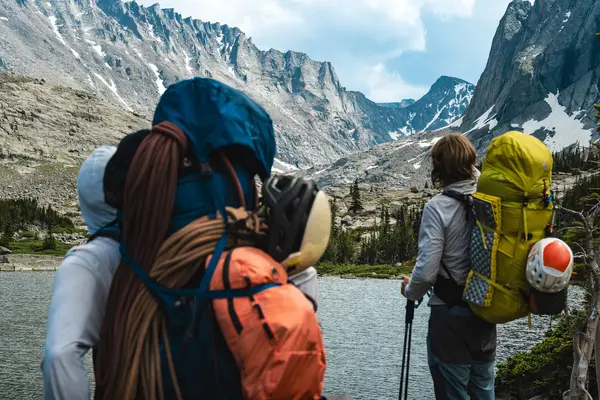
Yellowstone, the Tetons, and the most geyser-rich landscape on Earth.
About Wyoming
Best time to go
When to climb in Wyoming
June through September.
- June–September: alpine rock and high-elevation crags are in
- Watch afternoon thunderstorms, so start early and summit by noon
- Winter shifts to ice and mixed climbing
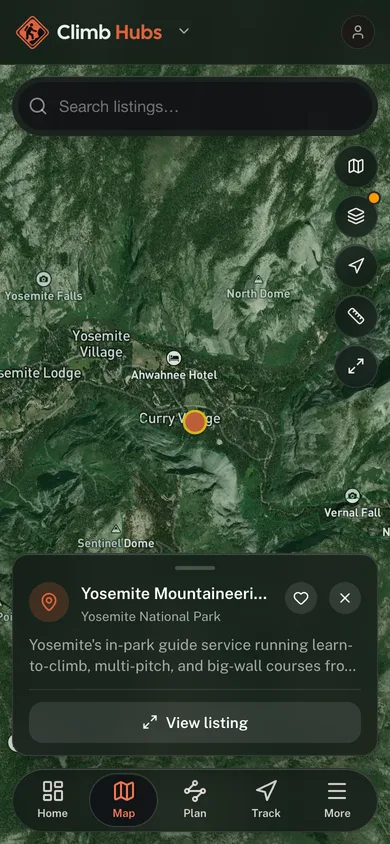
14 on the map
Tap a pin to open its profile.
Quick facts
- Crags mapped
- 59
- Gyms, guides and schools listed
- 14
- Best season
- June through September
All listings
14 gyms, guides and schools
across Wyoming
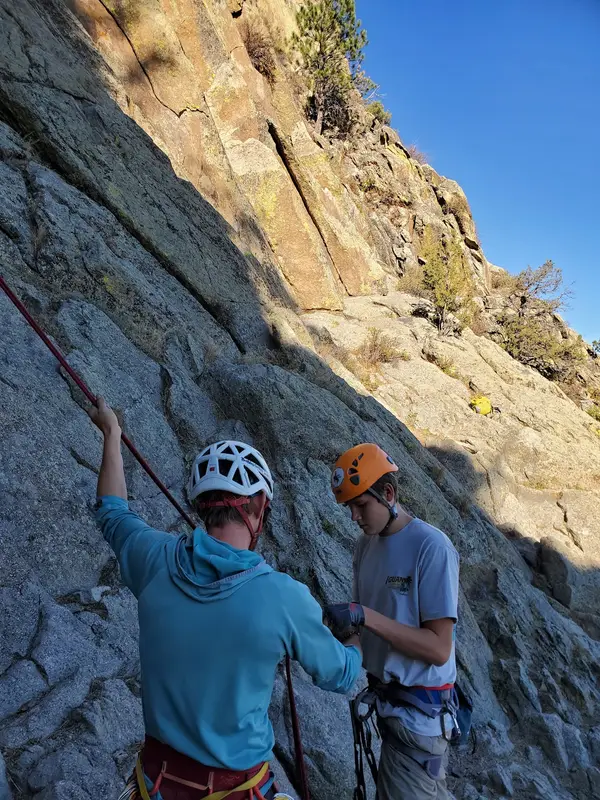

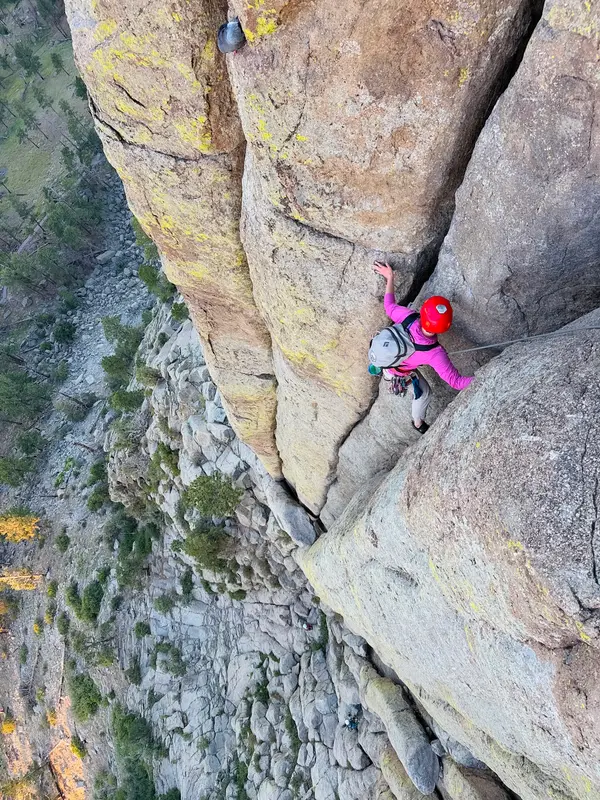
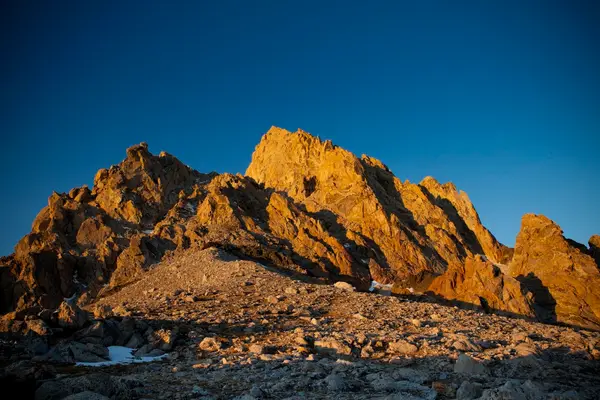
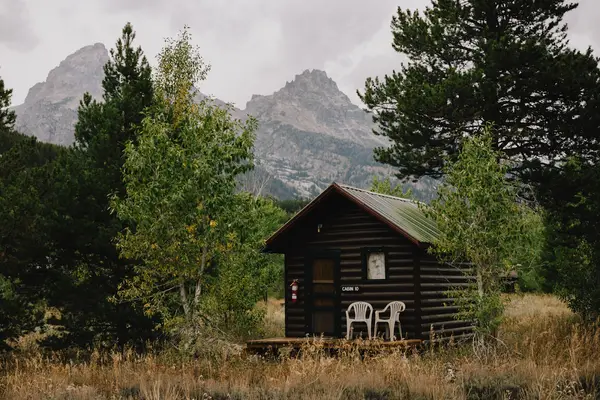
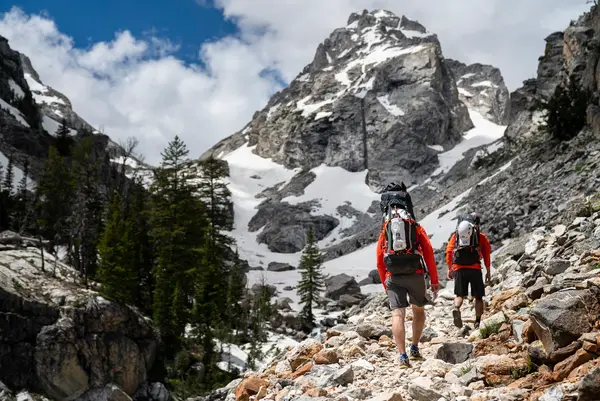

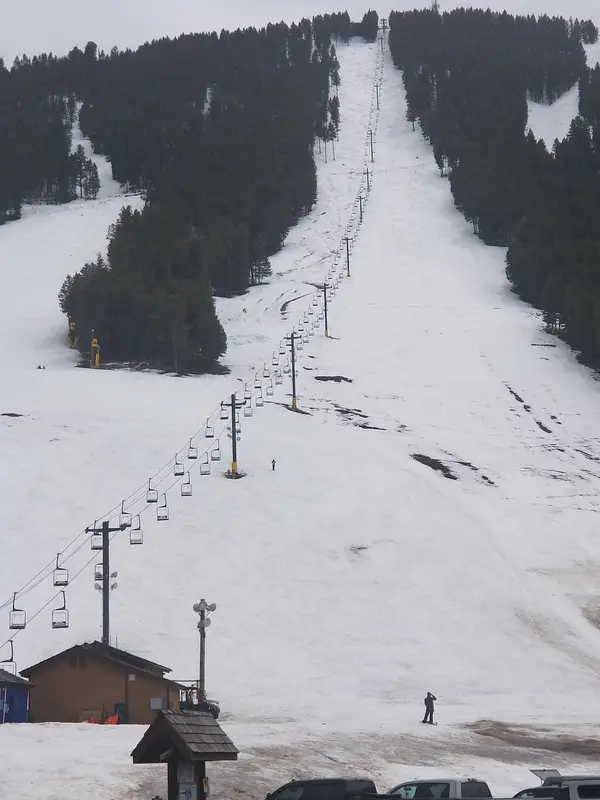
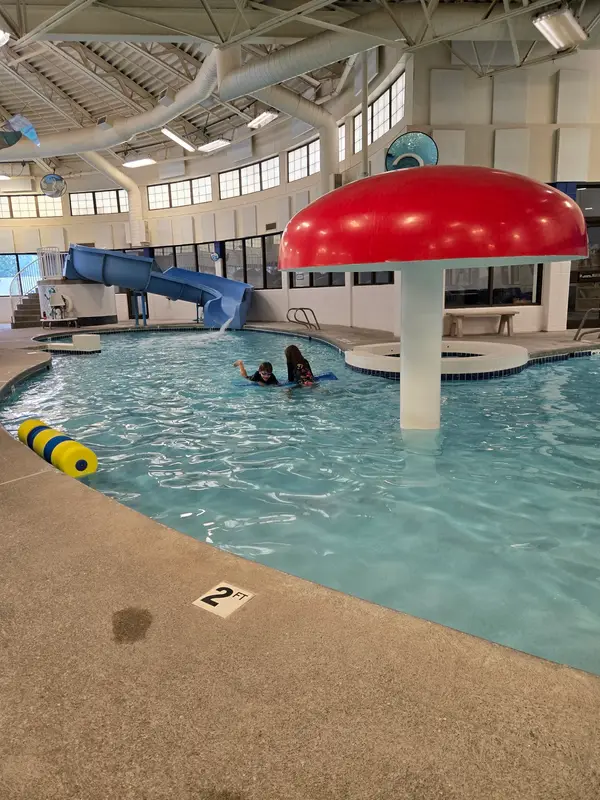
Watch it live
Live webcams in Wyoming
 Location
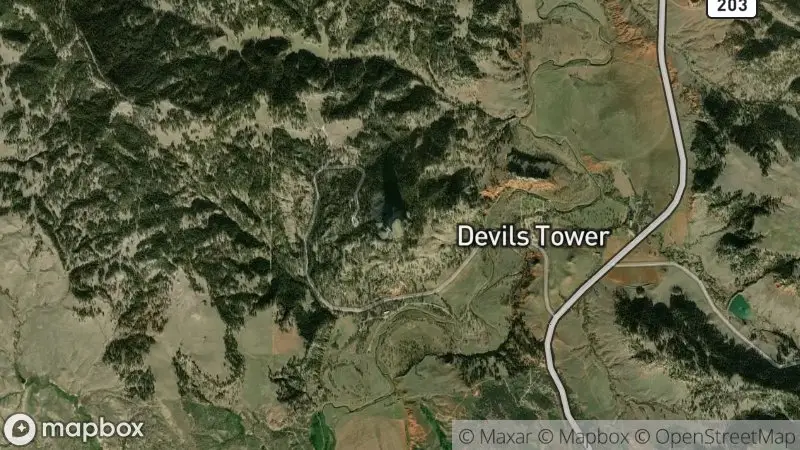
Devils Tower
via National Park Service
Watch live Location
Grand Teton Range Webcam
via National Park Service
Watch live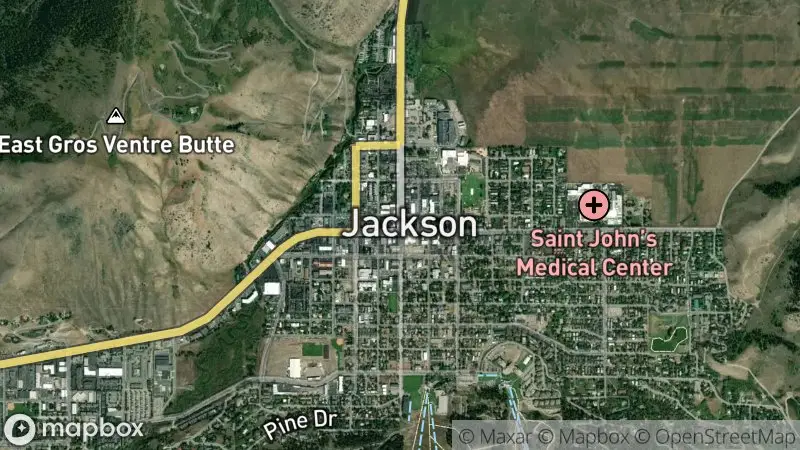 Location
Jackson Hole Valley Webcams
via Jackson Hole Chamber of Commerce
Watch livePlan your trip
Plan your trip to Wyoming
Diverse Rock Types and Disciplines
Wyoming is renowned for its granite (Vedauwoo, Tetons, Wind River Range) and limestone/dolomite (Ten Sleep Canyon, Sinks Canyon). This geological variety supports all major climbing disciplines, including world-class crack climbing (Vedauwoo), extensive sport routes (Ten Sleep), high-alpine trad and mixed climbing (Tetons, Wind Rivers), and abundant bouldering.
Optimal Climbing Season
The best outdoor climbing season generally runs from late spring through early fall (May to October), with summer being ideal for high-alpine objectives. Specific crags like Ten Sleep Canyon offer excellent conditions in late spring and early fall, while Vedauwoo is popular from May through September.
Access, Ethics, and Closures
Climbers must adhere to Leave No Trace principles. Seasonal raptor-nesting closures are common, especially in spring and early summer; always check local land manager websites (e.g., USFS, BLM) for current information. Fixed anchor and bolting norms vary by area, with a strong emphasis on respecting established ethics and land manager regulations.
Permits and Guide Services
Backcountry camping permits are required for overnight stays in National Parks like Grand Teton; Wyoming's National Forest wilderness areas differ, and many require only free trailhead self-registration rather than an advance permit. Verify the rule for your specific area. Many areas, particularly the Tetons and Wind River Range, are remote and require significant wilderness travel skills. AMGA-certified guide services and climbing schools operate throughout the state, offering invaluable expertise for beginners and advanced climbers seeking challenging objectives or instruction.
Confirm current requirements with the state agency before your trip. Rules and fees change every season.
National Park Backcountry Permits
Overnight stays in backcountry areas of Grand Teton National Park require a permit. These are often quota-based and should be reserved in advance, especially for popular routes and seasons. Day use generally does not require a permit, but specific regulations for climbing may apply.
National Forest Wilderness Permits
Some wilderness areas within Wyoming's National Forests (e.g., Bridger-Teton, Shoshone) may require permits for overnight stays. While most day use is permit-free, it is crucial to verify specific requirements with the local Forest Service district office for your planned climbing area.
Bridger-Teton National ForestCommercial Guiding Operations
Guide services operating on public lands (National Parks, National Forests, BLM) are required to hold specific commercial permits issued by the respective land management agencies. Visitors engaging a guide should ensure their chosen service is properly licensed and permitted for the area of operation.
- 01
1. Define Your Climbing Goals
Sport, trad, bouldering, or alpine: in Wyoming that choice determines your region, your season, and your rack. Decide what kind of trip you're actually taking before you plan anything else.
- 02
2. Research Specific Areas and Conditions
Work the guidebooks, online resources, and local forums for current access notes, rock character, weather patterns, and seasonal closures. Wyoming crags are far apart; showing up uninformed costs you a day, not an hour.
- 03
3. Secure Necessary Permits and Accommodations
Overnighting in National Parks or Wilderness Areas means backcountry permits, and the popular ones go early, apply well in advance. Lock in campsites or lodging too, especially for peak season.
- 04
4. Consider a Guide Service or Local Gym
For alpine objectives or unfamiliar terrain, an AMGA-certified guide is the smart play. Short of that, walk into the local gym when you arrive: gear, beta, and partners tend to follow.
- 05
5. Prepare for Wilderness and Leave No Trace
Much of this state is genuinely remote. Pack for weather that changes by the hour, carry more water than feels reasonable, and hold to Leave No Trace, the wildness that makes Wyoming worth the trip only survives if climbers protect it.
01What kind of climbing is Wyoming best known for?
02When is the best time of year to climb outdoors in Wyoming?
03Are there climbing gyms available in Wyoming?
04Do I need a climbing guide for certain areas in Wyoming?
05What are the common rock types I'll encounter in Wyoming?
06How do I find out about climbing area closures?
Free tools
Your free outdoor toolkit
Everything Map
Listings, trails, spots, clubs and public land on a single full-screen map. Switch layers on and off, then tap any point for the details.
Open Everything MapCrags
Find climbing areas on a map with discipline, grade range, and how many routes each crag holds.
Open CragsRoute Planner
Drop stops on a map and watch distance and drive time add up. Export a GPX or share the link.
Open Route PlannerClimbing Clubs
Browse local clubs with meeting info and how to join, or start your own for free.
Open Climbing ClubsPhoto ID
Point your camera at whatever you found and get a structured identification. No signup.
Open Photo IDGear Checklists
Printable, save-as-you-go packing lists. Tick items off and pull them up on your phone.
Open Gear Checklists

Keep exploring