Rock Climbing · Idaho
Rock Climbing in Idaho
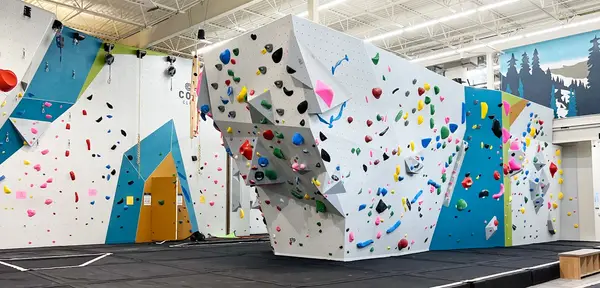
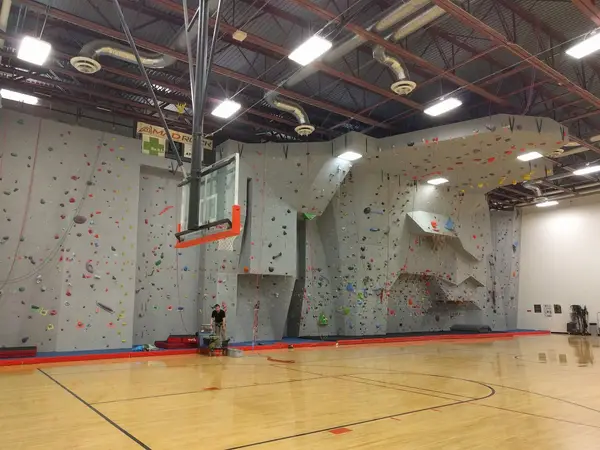
Climb 18 gyms, guides and schools across Idaho. Maps, hours, contact info, photos, and verified operator profiles, all in one place.
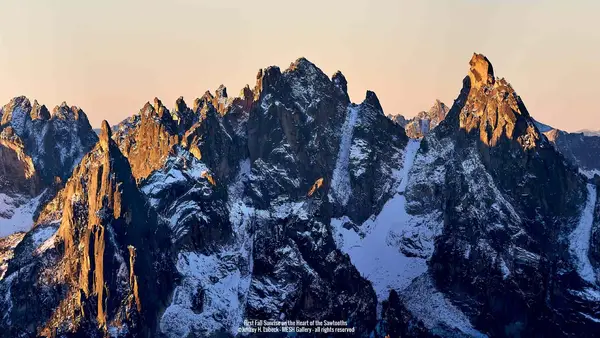
Wilderness density second only to Alaska. Salmon, Sawtooths, and Snake River.
About Idaho
Best time to go
When to climb in Idaho
June through October. Winter is for resorts.
- June–September: alpine rock and high-elevation crags are in
- Watch afternoon thunderstorms, so start early and summit by noon
- Winter shifts to ice and mixed climbing
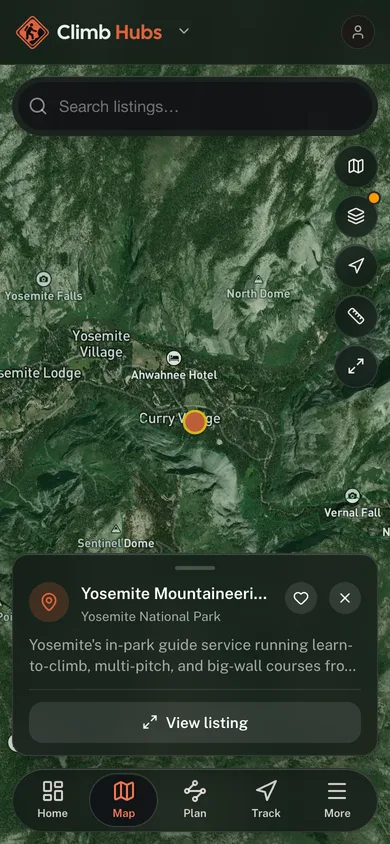
18 on the map
Tap a pin to open its profile.
Quick facts
- Crags mapped
- 84
- Gyms, guides and schools listed
- 18
- Best season
- June through October
All listings
18 gyms, guides and schools
across Idaho

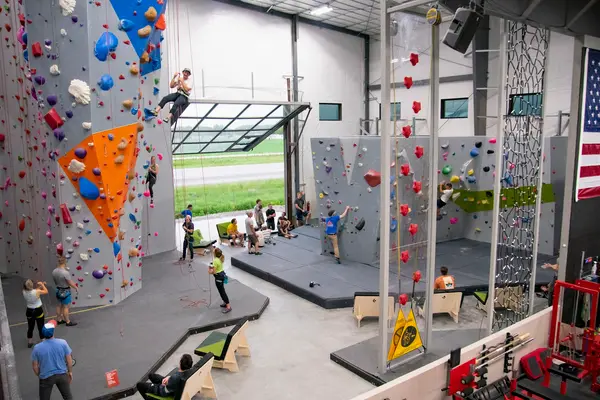
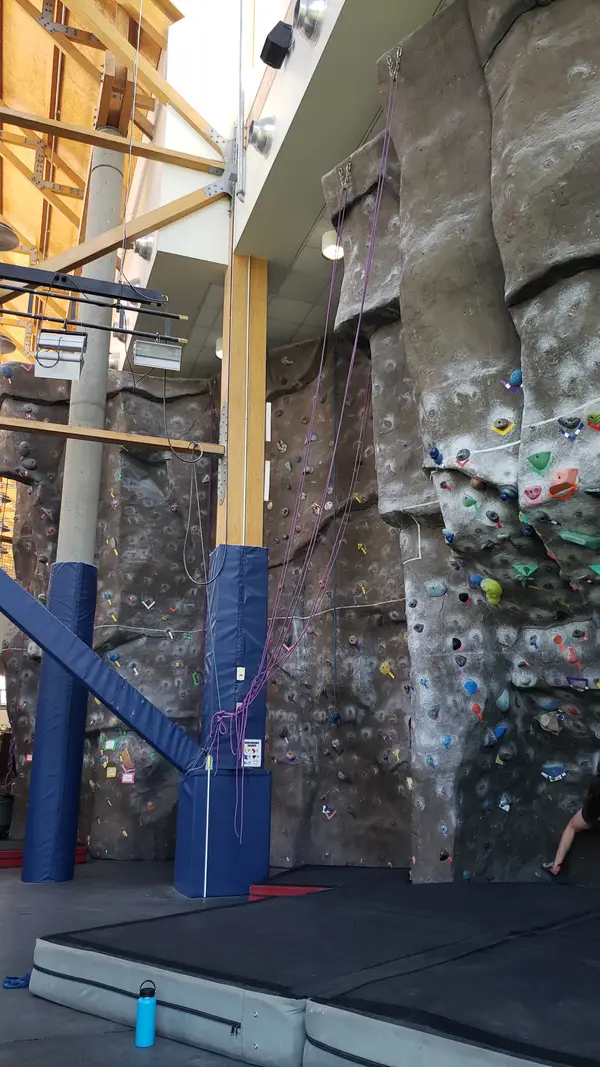
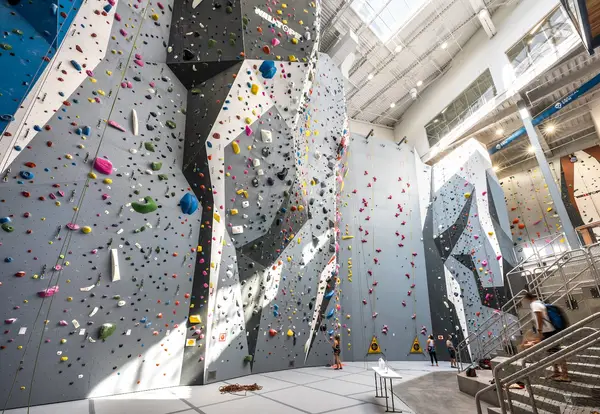
Plan your trip
Plan your trip to Idaho
Signature Rock Types and Areas
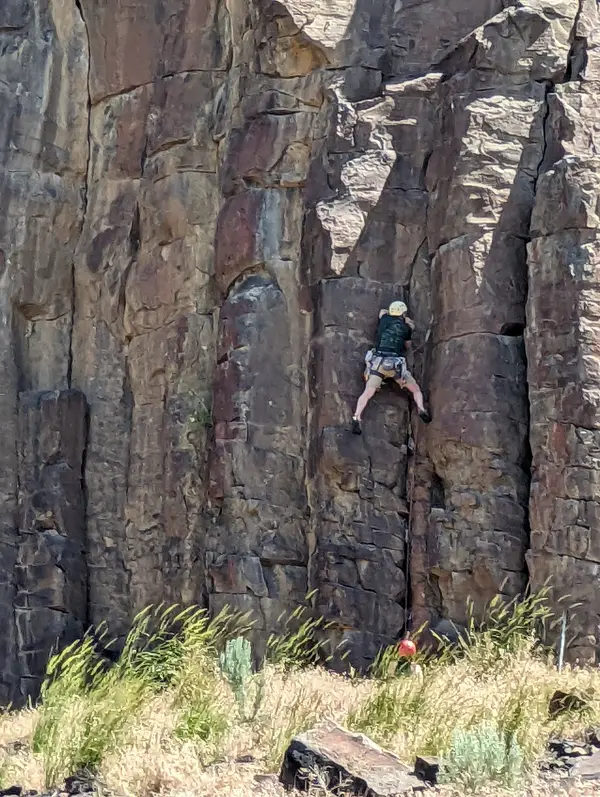
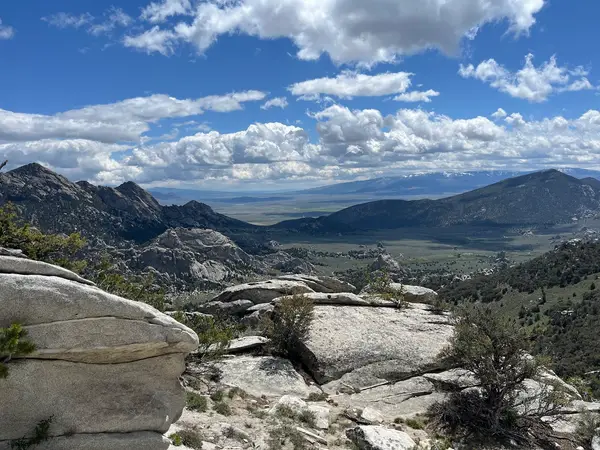
Idaho is predominantly known for its exceptional granite, particularly at the City of Rocks National Reserve and Castle Rocks State Park, offering world-class trad and sport climbing. Basalt columns are found along the Snake River Plain, and limestone features in areas like Hells Canyon. Quartzite is less common but can be found in specific pockets.
Climbing Season and Best Months
The primary outdoor climbing season runs from April to October. Spring and Fall (April-May and September-October) offer ideal temperatures for most areas. Summer (June-August) is best for alpine climbing at higher elevations, while lower desert areas can be extremely hot.
Disciplines and Access
Idaho excels in traditional climbing, sport climbing, and bouldering, with significant alpine climbing opportunities in its mountain ranges. Access to crags is generally good, often on federal lands (BLM, USFS). Indoor gyms provide year-round training and community hubs in urban centers.
Access and Ethics
Seasonal raptor-nesting closures are common in specific areas, especially in spring; always check local land manager websites. Fixed-anchor and bolting norms generally align with national best practices, with local climbing organizations (LCOs) like the Southwest Idaho Climbers Alliance advocating for responsible development and stewardship. Leave No Trace principles are paramount.
Permits and Guided Services
While individual climbers typically do not need permits for day use on federal lands, commercial guide services and schools operating on USFS or BLM land require specific outfitter/guide permits. AMGA-certified guides and schools actively operate in Idaho, providing professional instruction and guided trips, particularly in the City of Rocks and Sawtooths.
Confirm current requirements with the state agency before your trip. Rules and fees change every season.
Federal Land Use Permits for Commercial Operations
Commercial climbing guide services and schools operating on federal lands managed by the U.S. Forest Service or Bureau of Land Management must obtain special recreation permits. These permits ensure compliance with land management plans, environmental protection, and public safety. Requirements vary by specific district and activity.
Wilderness Area Group Size Limits
Many of Idaho's premier climbing areas, such as parts of the Sawtooth and Frank Church-River of No Return Wilderness areas, have restrictions on group size. Visitors should verify specific limits with the managing agency (e.g., US Forest Service) to avoid violations, especially for larger climbing parties or organized trips.
State Park Entrance Fees
Climbing areas located within Idaho State Parks, such as Castle Rocks State Park (adjacent to City of Rocks), may require a day-use or annual pass for vehicle entry. These fees contribute to the maintenance and facilities within the park. Check the Idaho Department of Parks and Recreation website for current fee schedules.
- 01
Research Your Destination
Match the area to your skill and discipline (City of Rocks for trad and sport, the Sawtooths for alpine), then dig into guidebooks, online forums, and land-manager websites for routes, access, and conditions. Idaho rewards homework.
- 02
Check Seasonal Conditions and Closures
Elevation changes everything here. Before locking in dates, check weather forecasts and snowpack, and confirm any raptor-nesting or seasonal closures with the U.S. Forest Service, BLM, or state parks.
- 03
Secure Necessary Permits and Gear
Individual day use on federal land generally needs no permit, that requirement falls on commercial guides. Your job is the kit: full climbing and safety gear plus wilderness essentials for anything remote or alpine. Local shops rent what you're missing.
- 04
Consider Guide Services or Local Gyms
New to Idaho rock, or pushing into harder terrain? An AMGA-certified guide buys you safety and local knowledge at once. If you're building up to it, the gyms in Boise and other cities are where you'll train and find partners.
- 05
Plan Logistics and Practice Leave No Trace
Sort transportation, camping or lodging, and food before you go, services thin out fast beyond the towns. Then climb clean: pack out waste, protect fragile ground, and leave the crag the way the next party hopes to find it.
01What is the best time of year to climb outdoors in Idaho?
02Are there good climbing gyms in Idaho?
03Is the City of Rocks good for beginners?
04Are there any specific access issues or closures I should be aware of?
05Do I need a guide to climb in Idaho's wilderness areas?
06What kind of rock can I expect to climb in Idaho?
Free tools
Your free outdoor toolkit
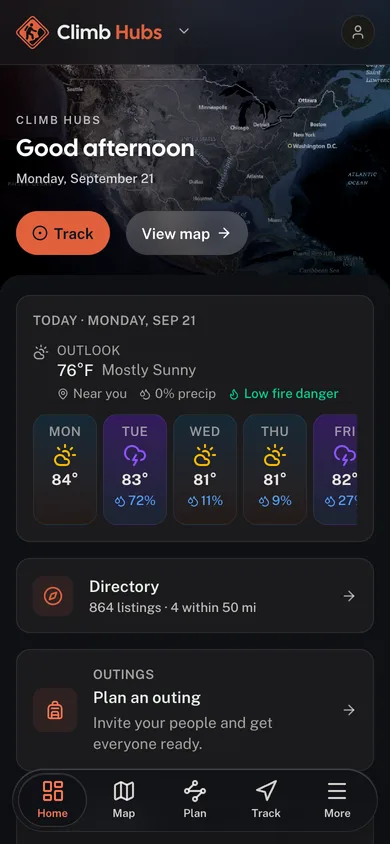
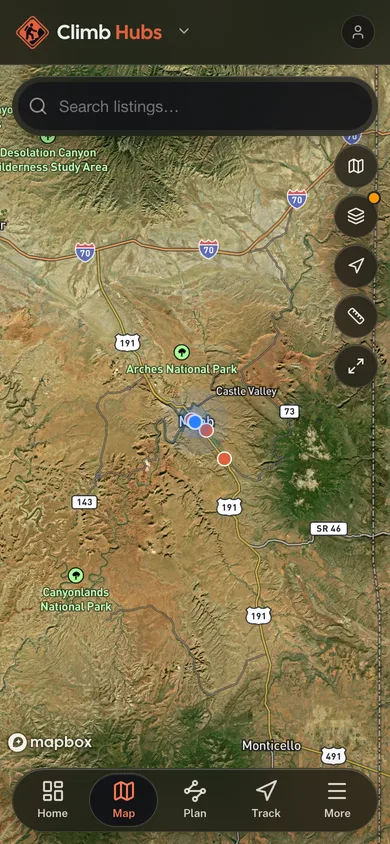
Everything Map
Listings, trails, spots, clubs and public land on a single full-screen map. Switch layers on and off, then tap any point for the details.
Open Everything MapCrags
Find climbing areas on a map with discipline, grade range, and how many routes each crag holds.
Open CragsRoute Planner
Drop stops on a map and watch distance and drive time add up. Export a GPX or share the link.
Open Route PlannerClimbing Clubs
Browse local clubs with meeting info and how to join, or start your own for free.
Open Climbing ClubsPhoto ID
Point your camera at whatever you found and get a structured identification. No signup.
Open Photo IDGear Checklists
Printable, save-as-you-go packing lists. Tick items off and pull them up on your phone.
Open Gear Checklists