Rock Climbing · North Carolina
Rock Climbing in North Carolina
Climb 28 gyms, guides and schools across North Carolina. Maps, hours, contact info, photos, and verified operator profiles, all in one place.
Outer Banks, the Smokies, and the longest segment of the Blue Ridge.
About North Carolina
Best time to go
When to climb in North Carolina
April through November.
- October–November: cool, dry, high-friction "send temps"
- Spring: good climbing between rain showers
- Summer: humid and greasy, so dawn patrol or head north
28 on the map
Tap a pin to open its profile.
Quick facts
- Crags mapped
- 64
- Gyms, guides and schools listed
- 28
- Best season
- April through November
All listings
28 gyms, guides and schools
across North Carolina
Plan your trip
Plan your trip to North Carolina
Signature Rock Types and Areas
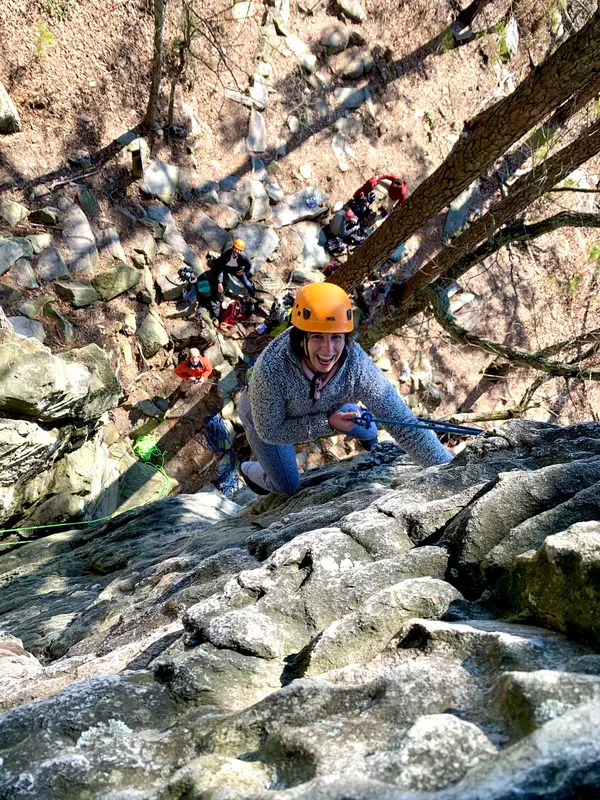
North Carolina is predominantly known for its excellent granite climbing on massive domes like Looking Glass Rock and Stone Mountain. Significant gneiss bouldering is also found, notably at Rumbling Bald, with some quartzite present in other areas.
Climbing Seasons
Fall is the prime climbing season, offering ideal conditions. Spring and winter are also excellent for specific areas, with summer favoring higher elevations or indoor gyms due to heat and humidity.
Indoor Gyms vs. Outdoor Crags
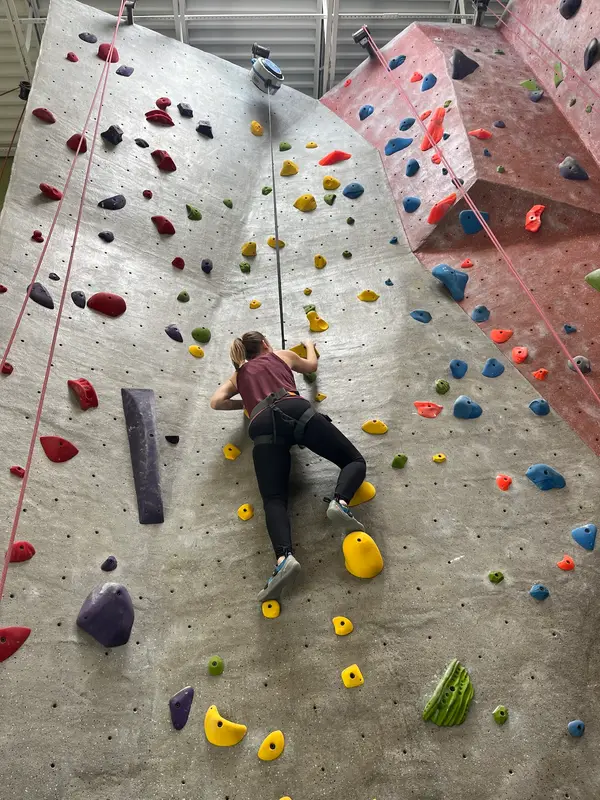
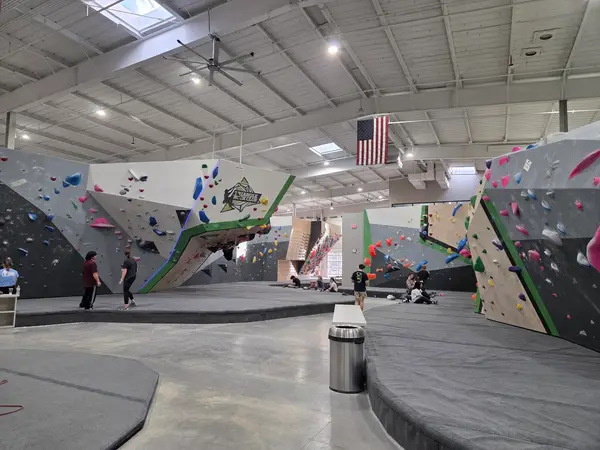
The state boasts a robust indoor climbing gym scene, particularly in cities like Asheville, Charlotte, and Raleigh, which complements its diverse and extensive outdoor climbing opportunities in the Blue Ridge Mountains.
Defining Disciplines
Traditional climbing and bouldering are historically strong and popular disciplines in North Carolina, with a continuously growing presence of sport climbing. Unique ice climbing opportunities can also be found in specific high-mountain locations during winter.
Access and Ethics
Bolting ethics vary by land manager and specific crag; generally, established routes are respected. Seasonal raptor nesting closures are common and strictly enforced, particularly in areas like Linville Gorge, Looking Glass Rock, and Whitesides Mountain; Rumbling Bald, by contrast, stays open through the closure season. Always check with land managers (US Forest Service, NC State Parks) for specific regulations and potential permits. Organizations like the Carolina Climbers Coalition and the Access Fund are vital for stewardship and access.
AMGA-Certified Guide Services
Many AMGA-certified guide services and climbing schools operate within North Carolina, primarily in the western mountains. These services offer a range of instruction and guided trips, catering to all skill levels from beginner to advanced.
Confirm current requirements with the state agency before your trip. Rules and fees change every season.
National Forest Day Use & Camping Permits
Some areas within Pisgah and Nantahala National Forests, particularly popular backcountry zones like Linville Gorge, may require specific permits for day use or overnight camping. Visitors should always verify requirements with the US Forest Service for their intended climbing area.
State Park Climbing Regulations
North Carolina State Parks have specific regulations governing climbing access, operating hours, and sometimes require registration or special permits for climbing activities within park boundaries. It is essential to check the specific rules for any state park you plan to climb in.
Commercial Guide Service Licensing
Commercial guide services operating on public lands, such as National Forests, are typically required to obtain special use permits from the managing agency. Additionally, these businesses may be subject to state-level business licensing requirements. Operators should verify all necessary permits and licenses with relevant state and federal authorities.
Raptor Nesting Closures
Certain climbing areas, notably within Linville Gorge and at Looking Glass Rock, implement mandatory seasonal closures (roughly January 15–August 15) to protect nesting peregrine falcons. Rumbling Bald, by contrast, has no raptor closure. These closures are strictly enforced and critical for wildlife conservation. Climbers must adhere to all posted closure notices.
- 01
Research Your Destination
Match the venue to what you climb. Boulderers, sport climbers, and trad climbers each have different best-in-state options, and a gym session in town is a legitimate first stop while you sort out where to go.
- 02
Check Access and Regulations
Land manager rules, permits, and seasonal closures change, raptor nesting closures in particular can shut down whole walls for months. Five minutes of checking before you drive beats finding a closure sign at the trailhead.
- 03
Secure Guide or Instruction
First time outside, or first time on slab or gear? Book an AMGA-certified guide or school. The learning curve on real rock is steep, and North Carolina's guides shorten it safely.
- 04
Gather Appropriate Gear
Bring gear that fits the objective (rope, rack, shoes, pads), and make sure it's in good condition. A granite dome, a sandstone boulder field, and a gym session each ask for a different kit.
- 05
Understand Local Ethics
Learn the local code before you chalk up: Leave No Trace, respect for established routes, and support for the stewardship work the Carolina Climbers Coalition puts in. Access here was earned, and every visitor helps keep it or lose it.
01What type of rock is most common for climbing in North Carolina?
02Are there good options for beginner climbers in North Carolina?
03When is the best time of year to climb outdoors in NC?
04Are there any specific access issues or closures I should be aware of?
05Can I hire a certified climbing guide in North Carolina?
06Is bouldering popular in North Carolina?
Watch & learn
Watch & learn, North Carolina
Rock Climbing in Boone, North Carolina with Misty Mountain Designer Sam Dospoy
Misty Mountain Threadworks
0Misty Mountain's Leif Carter Climbs The Broach (5.11d) at Ship Rock, North Carolina
Misty Mountain Threadworks
0Rock Climbing at Pilot Mountain State Park | Ten to Try | PBS NC
PBS North Carolina
0
Free tools
Your free outdoor toolkit
Everything Map
Listings, trails, spots, clubs and public land on a single full-screen map. Switch layers on and off, then tap any point for the details.
Open Everything MapCrags
Find climbing areas on a map with discipline, grade range, and how many routes each crag holds.
Open CragsRoute Planner
Drop stops on a map and watch distance and drive time add up. Export a GPX or share the link.
Open Route PlannerClimbing Clubs
Browse local clubs with meeting info and how to join, or start your own for free.
Open Climbing ClubsPhoto ID
Point your camera at whatever you found and get a structured identification. No signup.
Open Photo IDGear Checklists
Printable, save-as-you-go packing lists. Tick items off and pull them up on your phone.
Open Gear Checklists


Keep exploring