Lead climbing is where the gym stops being a fitness activity and starts being climbing. You clip the rope as you go, you fall further than you're used to, and for the first time the belayer's job is genuinely difficult.
A lead course teaches you to do that safely, inside that gym. Let's be precise about what it is and, more importantly, what it isn't.
What the Card Actually Is
A gym lead certification is a facility permission slip. It says this gym has watched you climb and belay and is willing to let you do it here.
It is not:
- A qualification that transfers to other gyms. Most gyms won't honour another gym's card. Expect to retest.
- A qualification that means anything outdoors. There is no "certified climber" regime at a crag. No one checks cards. A gym lead card is not an outdoor lead qualification, and treating it as one is how gym climbers get hurt.
This matters because gyms themselves say so, and then sell you the actual outdoor course separately: typically something like "Sport Climbing Outside" (around $105), covering clipping bolts, building and cleaning anchors, and lowering. Many gyms require your lead certification before you may even take that course. That's the correct relationship: gym lead is a prerequisite for learning to climb outside, not a substitute for it.
Prerequisites
Almost universal:
- A current top-rope belay certification at that gym. This is the near-universal gate and is often left out of guides.
- A minimum age, commonly 13 to 15, and some clinics are 18+.
- A grade and experience floor. Gyms vary: some test on 5.9 or harder, some want six months of climbing, some want a year and comfort on 5.11. Expect to need to climb the test route comfortably enough that you can think about the rope rather than the moves.
What It Costs, and How Long
Typically one to three sessions of two to three hours. Real examples: a "Learn to Lead" course at around $175 ($145 for members) over two sessions, or a lead clinic at $190 ($120 for members) across two two-hour sessions.
What You'll Actually Be Taught
Tying in with a figure-eight follow-through, and the partner check.
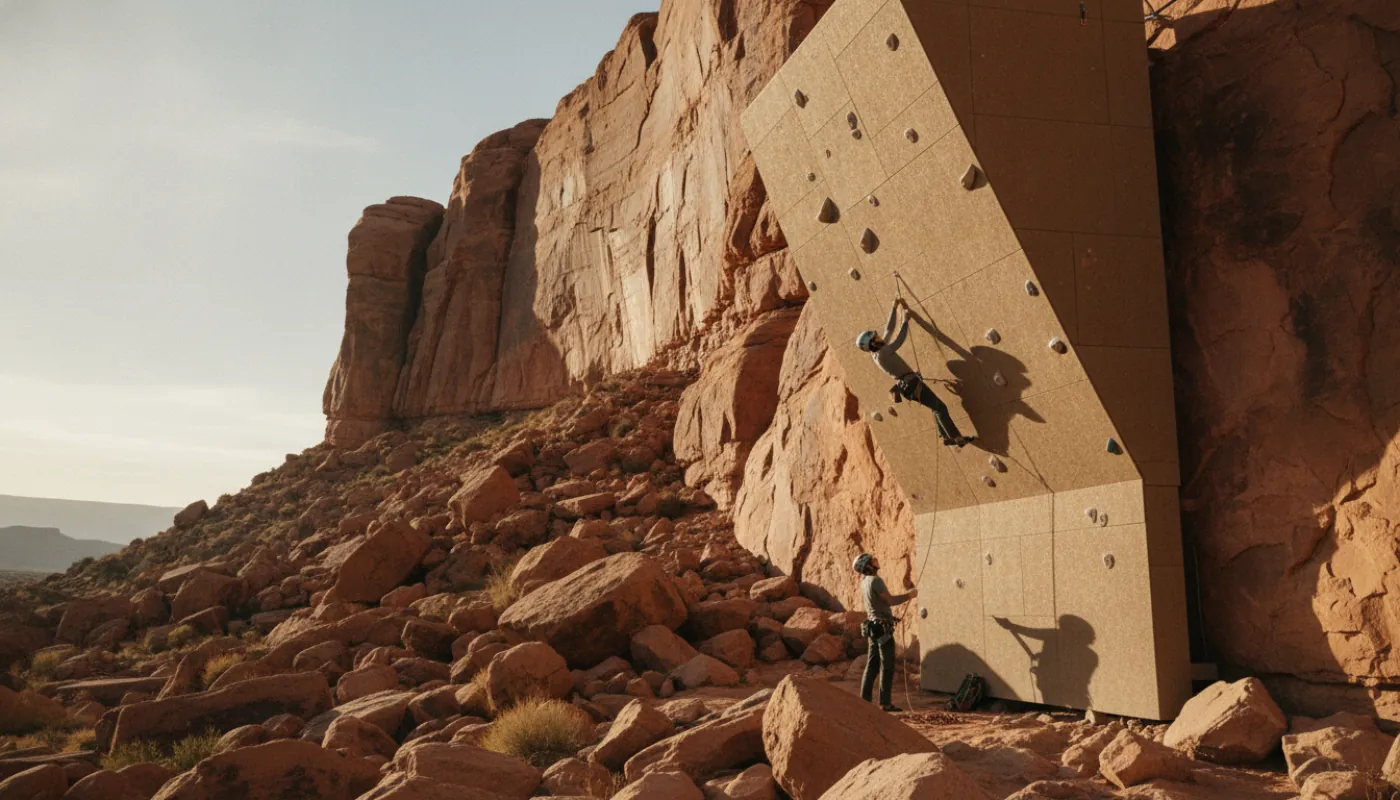
Clipping. In a gym the quickdraws are already hanging permanently on the bolts, you clip the rope into them. What you're learning is how: clipping from a stable stance, clipping efficiently rather than desperately, and knowing when it's better to climb higher than to clip from a bad position.
The three clipping errors that will fail you on the spot:
- Back-clipping, the rope running the wrong way through the draw. In a fall the rope can lever back over the gate and unclip itself.
- Z-clipping, grabbing rope from below your last draw, creating a Z that locks the system.
- Rope behind the leg, if you fall with the rope behind your calf, it flips you upside down. Head-first.
Falling. You will take falls, and you will catch them. Real lead tests require a purposeful, and often unannounced, lead fall in both roles. This is the point of the whole course, not the clipping.
Belaying a leader, which is a genuinely different skill from top-rope belaying:
- Feeding slack fast without ever losing the brake hand.
- The soft catch, stepping in or letting yourself be pulled up so the leader isn't slammed into the wall.
- Positioning, close to the wall, not standing back.
- And the exception that matters: low on a route, where the climber could deck, a hard, static catch is the correct one. Soft catches are for when there's air beneath them.
One rule to carry out of the course: your brake hand never leaves the brake strand. Not with a tube device, and not with an assisted-braking device like a GriGri. Assisted-braking devices are not "auto-locking" and are not hands-free. People have been dropped by belayers who believed otherwise.
What the Course Does NOT Cover
Be clear-eyed about this, because the gaps are exactly the skills that kill people outdoors.
Anchors. Gym anchors are fixed, permanent, and inspected by staff. You will not build one, assess one, or clean one. Anchor cleaning (going in direct, threading the rings, staying attached to the rope while you untie), is the single most dangerous skill in the gym-to-crag transition, and your gym lead course does not teach it.
Bolt assessment. Gym bolts are maintained. Crag bolts were placed by a stranger and may be forty years old.
Closing the system. Nobody in a gym gets lowered off the end of the rope, because gym ropes are the right length and fixed. Outdoors, the rope running out through the belay device is the leading cause of lowering fatalities.
Rockfall, helmets, loose holds, weather, approach, descent. None of it.
Rescue. That's a separate, longer course, usually gated behind the lead cert.
So: outdoor sport climbing is not "simpler" than gym lead. It's gym lead plus everything above.
Should You Take It?
Yes: if you're topping out on top-rope, want to climb more, and eventually want to climb outside. It's the natural next step, it's fun, and learning to fall properly will make you a better climber immediately.
Not yet, if you can't yet climb the test grade comfortably. Being pumped stupid while trying to clip is how people learn bad habits.
And when you have the card, understand what you're holding: permission to lead in that building. The next step outdoors is a different course, and it's the one that actually keeps you alive at the anchor.